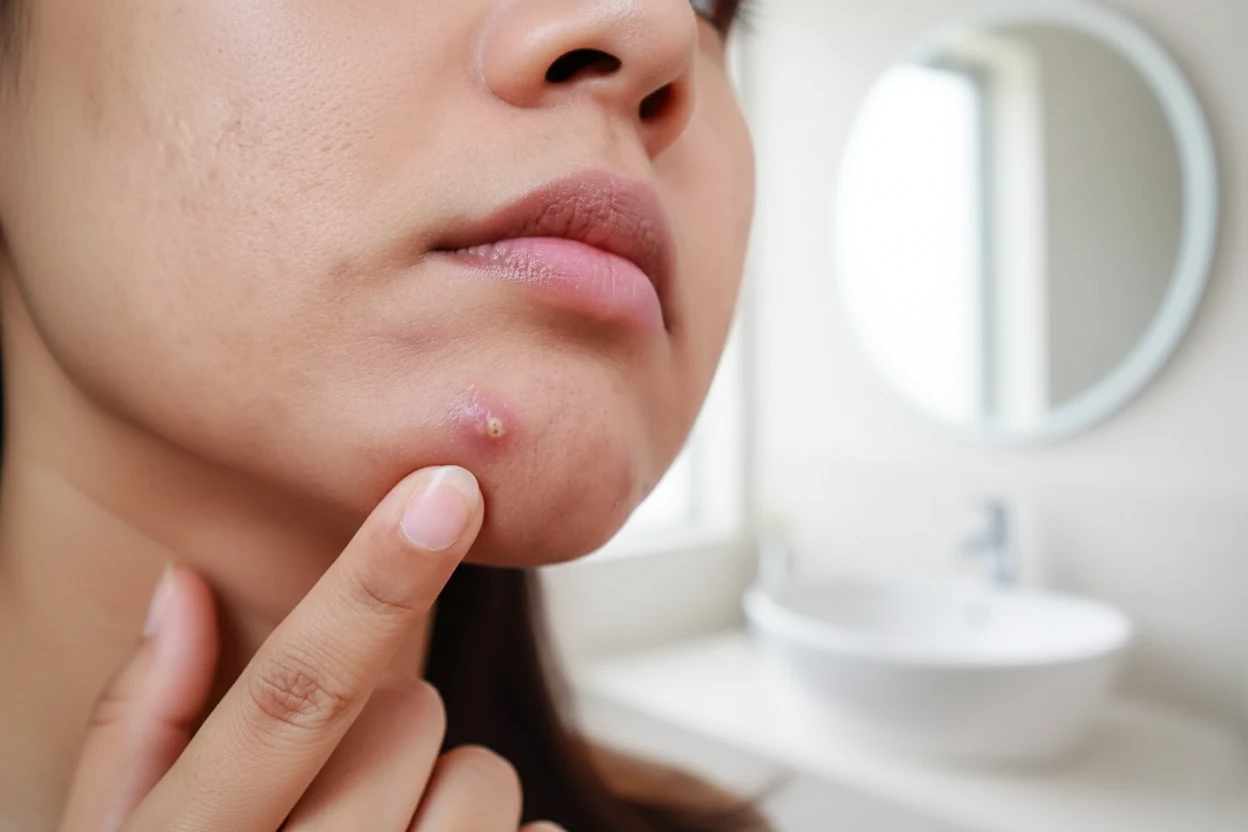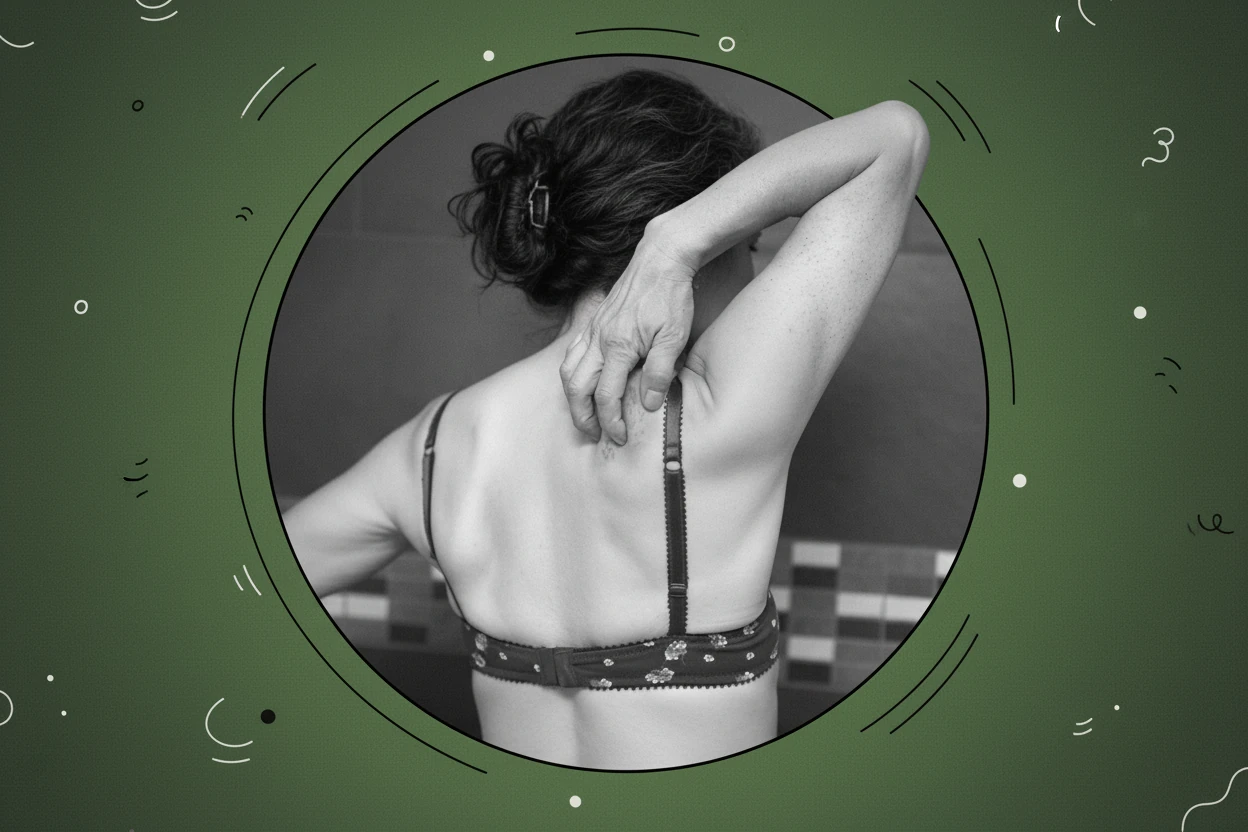
Body acne-breakouts-the-connectionacne-prone-skinacne-breakouts-the-connectionacne affects millions worldwide, commonly appearing on the back, chest, neck, shoulders, and upper arms1. It shares similar causes with facial acne, including overactive oil glands, clogged pores, and acne-causing bacteria, and can lead to physical discomfort and emotional distress12. Effective treatment options range from over-the-counter products to prescription medications and medical procedures, often requiring several weeks to months for noticeable improvement34.
Over-the-Counter Acne Treatments
Mild to moderate body acne often responds well to over-the-counter (OTC) skincare products that target acne-causing bacteria and clogged pores3. These treatments include benzoyl peroxide cleansers, salicylic acid cleansers, and OTC retinoid creams, which work by reducing bacteria, exfoliating dead skin cells, and promoting cell turnover.
Benzoyl Peroxide Cleanser
Benzoyl peroxide is a widely used topical agent for acne due to its antibacterial and keratolytic (skin peeling) effects5. It effectively kills Propionibacterium acnes, the bacteria implicated in acne, and reduces both inflammatory and non-inflammatory lesions6. Benzoyl peroxide is available in concentrations up to 10% OTC, with 2.5–5% formulations preferred for sensitive skin to minimize irritation5. It is commonly used in washes applied to affected areas and left on for two to five minutes before rinsing to optimize efficacy7.
Common side effects include skin dryness, peeling, and irritation, and users should be aware that benzoyl peroxide can bleach fabrics and clothing5. Regular use can help prevent recurrence of acne lesions5.
Salicylic Acid Cleanser
Salicylic acid is a beta hydroxy acid that helps unclog pores by dissolving dead skin cells and excess sebum8. It is often included in body washes designed for acne-prone skin, especially for back acne9. Salicylic acid cleansers exfoliate the skin gently, reducing the formation of comedones (clogged pores) and improving acne severity3.
OTC Retinoid Cream
Topical retinoids promote skin cell turnover, preventing clogged pores and reducing inflammation3. Over-the-counter options such as adapalene 0.1% gel are effective for mild to moderate body acne and can be used daily, typically applied after showering or before bedtime4. OTC retinoids are less potent than prescription retinoids but still provide significant benefits in managing acne lesions3.
- Use gentle, fragrance-free, oil-free, and non-comedogenic products to avoid worsening acne3.
- Shower and change clothes promptly after sweating to reduce acne triggers3.
- Avoid harsh soaps, scrubs, and abrasive cleansing devices to prevent skin irritation3.
Prescription Medications for Body Acne
Moderate to severe body acne often requires prescription therapies, including topical agents, oral medications, or combination treatments3. These medications target multiple acne pathways such as bacterial proliferation, inflammation, and abnormal skin cell turnover.
Azelaic Acid Topicals
Azelaic acid has comedolytic, anti-inflammatory, and antimicrobial properties that improve acne lesions and post-inflammatory hyperpigmentation6. Available as creams and foams, azelaic acid is effective for treating acne on the trunk with twice-daily application6. Side effects may include local irritation such as itching and burning, but it is generally well tolerated6. Treatment duration is typically several months, guided by clinical response and dermatologist advice6.
Topical Retinoids
Prescription retinoids like tretinoin, adapalene, and tazarotene are more potent than OTC versions and work by increasing cell turnover to unclog pores and reduce inflammation36. These agents are FDA-approved for acne treatment and are often used for several months under dermatologic supervision3. They prevent comedone formation and promote skin renewal, improving both inflammatory and non-inflammatory acne lesions3.
Isotretinoin
Isotretinoin is an oral vitamin A derivative prescribed for severe or refractory acne1. It reduces sebum production, inflammation, and bacterial growth, often leading to long-term remission1. Due to potential side effects and teratogenicity, isotretinoin requires close medical monitoring and is reserved for cases unresponsive to other treatments1.
Antibiotics
Topical and oral antibiotics may be prescribed to reduce Propionibacterium acnes and inflammation6. Combination therapy with benzoyl peroxide is recommended to reduce the risk of antibiotic resistance and improve treatment outcomes6. Antibiotics are typically used for moderate to severe acne and for limited durations to minimize resistance development6.
Hormonal Acne Treatment Options
Hormonal therapies are effective for hormonal acne, especially in women, by targeting androgen hormones that stimulate sebum production10. These treatments modulate hormone levels to reduce acne severity.
Hormonal Birth Control Pills
Combined oral contraceptives containing estrogen and progestin lower androgen levels, decreasing sebum production and improving acne10. These pills are FDA-approved for acne treatment in women and are taken daily for long-term management10. Side effects can include headache, nausea, breast tenderness, breakthrough bleeding, and increased risk of thromboembolic events10. Smoking while on oral contraceptives significantly raises the risk of blood clots and cardiovascular complications10.
Spironolactone
Spironolactone is an antiandrogen medication used off-label for hormonal acne in women10. It blocks androgen receptors, reducing sebum production and acne severity10. Spironolactone is typically taken daily and may be used long term under medical supervision10.
Medical Procedures for Severe Acne
For severe or treatment-resistant body acne, dermatologic procedures can provide additional benefits by targeting inflammation, clogged pores, and scarring3.
- Intralesional corticosteroid injections reduce inflammation and promote healing of large, painful cystic acne lesions, minimizing scarring risk11. However, repeated injections may cause skin atrophy and hypopigmentation11.
- Chemical peels use exfoliating acids to unclog pores and remove excess oil. They may cause redness, peeling, and pigmentary changes and require recovery time3.
- Light-based therapies, including blue and red light, target acne bacteria and inflammation. These treatments are often combined with topical agents for enhanced efficacy. Results can last years but may require maintenance sessions3. Mild side effects include redness and swelling, with rare risks of burns or scarring3.
Lifestyle Changes for Acne Prevention
Lifestyle modifications play a key role in managing and preventing body acne by reducing triggers and maintaining healthy skin3.
- Shower promptly after sweating to remove bacteria, oils, and sweat that contribute to acne3.
- Use gentle, fragrance-free cleansers and avoid harsh soaps or scrubs that irritate the skin3.
- Choose oil-free, non-comedogenic skincare and body care products to prevent pore clogging3.
- Wear loose-fitting, breathable clothing to reduce friction and sweat buildup2.
- Protect skin from sun exposure using broad-spectrum sunscreen with SPF 30 or higher and protective clothing to prevent acne exacerbation and hyperpigmentation3.
“Reducing stress is a great goal for nearly every problem we see as physicians, and acne is no exception.”
— James Vary, MD, UW Medical Center – Roosevelt12
Managing Persistent Body Acne
Body acne can cause physical discomfort and psychological distress, affecting self-esteem and quality of life3. Treatment often requires patience, as most therapies take 6–8 weeks for initial improvement and several months for complete clearance3. An initial worsening of acne, known as skin purging, is common and temporary as the skin adjusts to treatment3.
If acne does not improve after 6–8 weeks of consistent treatment, or if lesions are severe, nodular, or cystic, consulting a dermatologist is recommended for personalized management3.
“If you’re getting acne and continuing to get more of it, it’s better to see a dermatologist sooner rather than later to help prevent scarring.”
— Tanya Greywal, MD, UW Medicine Eastside Specialty Center12
Body Acne Treatment Summary
Body acne management parallels facial acne treatment and includes OTC products, prescription medications, hormonal therapies, and procedures3. Mild to moderate acne typically responds to OTC retinoids, benzoyl peroxide, and salicylic acid3. More severe cases may require prescription retinoids, antibiotics, isotretinoin, hormonal therapies, or dermatologic procedures3. Lifestyle changes such as showering after sweating, using gentle skincare, and protecting skin from the sun support treatment success3.
| Treatment Type | Mechanism of Action | Common Side Effects | Typical Use Case |
|---|---|---|---|
| Benzoyl Peroxide (OTC) | Antibacterial, keratolytic | Dryness, peeling, irritation, fabric bleaching5 | Mild to moderate acne6 |
| Salicylic Acid (OTC) | Exfoliates dead skin and unclogs pores | Mild irritation | Mild acne, especially back8 |
| OTC Retinoids (Adapalene) | Promotes cell turnover, prevents clogged pores | Irritation, dryness | Mild to moderate acne3 |
| Azelaic Acid (Prescription) | Comedolytic, anti-inflammatory, antimicrobial | Local irritation | Moderate to severe acne6 |
| Prescription Retinoids | Increases cell turnover, reduces inflammation | Irritation, dryness | Moderate to severe acne3 |
| Antibiotics | Reduces bacteria and inflammation | Resistance risk, irritation | Moderate to severe acne6 |
| Hormonal Therapies | Modulate androgen levels to reduce sebum | Headache, nausea, thromboembolic risk | Hormonal acne in women10 |
| Medical Procedures | Reduce inflammation, unclog pores, kill bacteria | Redness, peeling, skin atrophy | Severe or refractory acne3 |