Geographic atrophy (GA) is an advanced form of age-related macular degeneration (AMD) that leads to progressive and irreversible loss of central vision . It affects millions worldwide, particularly adults over 60, and can severely impact daily activities such as reading, driving, and recognizing faces . While GA primarily results from the dry form of AMD, recent medical advances have introduced new treatment options that can slow its progression .
Each year, influenza causes millions of infections in the United States alone, with flu activity typically peaking between December and February . While flu viruses circulate year-round, the highest number of cases occur during the fall and winter months, leading to increased hospitalizations and deaths . Understanding when flu season peaks and how to prevent infection is essential for protecting individuals and communities.
Paxlovid, an oral antiviral treatment for COVID-19, has been widely used to reduce the risk of severe disease, especially during the Omicron variant surge. While initial clinical trials showed strong benefits in unvaccinated adults, recent real-world studies have raised questions about its effectiveness in vaccinated older adults. Understanding Paxlovid’s role in preventing hospitalization and death among high-risk populations, including those under 65, remains critical as COVID-19 continues to evolve .
BRCA gene mutations significantly increase the risk of breast, ovarian, and other cancers. Identifying these mutations through genetic testing allows individuals and healthcare providers to take proactive steps for cancer prevention and early detection . While BRCA mutations are rare in the general population, targeted testing based on personal or family history can provide crucial information for managing cancer risk .
Stress can cause visible changes in the skin, including rashes and hives, which affect many people especially during periods of high psychological distress . These skin reactions often appear as raised, red, itchy bumps that may burn or tingle and can occur anywhere on the body . Stress not only triggers new skin outbreaks but can also worsen existing conditions like eczema, psoriasis, and acne . Understanding the symptoms, causes, and treatment options for stress-related skin issues is essential for effective management and relief.
COVID-19 testing is a critical tool for controlling the spread of the virus, especially after exposure to an infected individual. Testing at the right time helps detect infection accurately and prevents transmission to others. Current guidelines recommend testing around five days after exposure for asymptomatic individuals and immediately upon symptom onset to optimize detection and reduce false negatives .
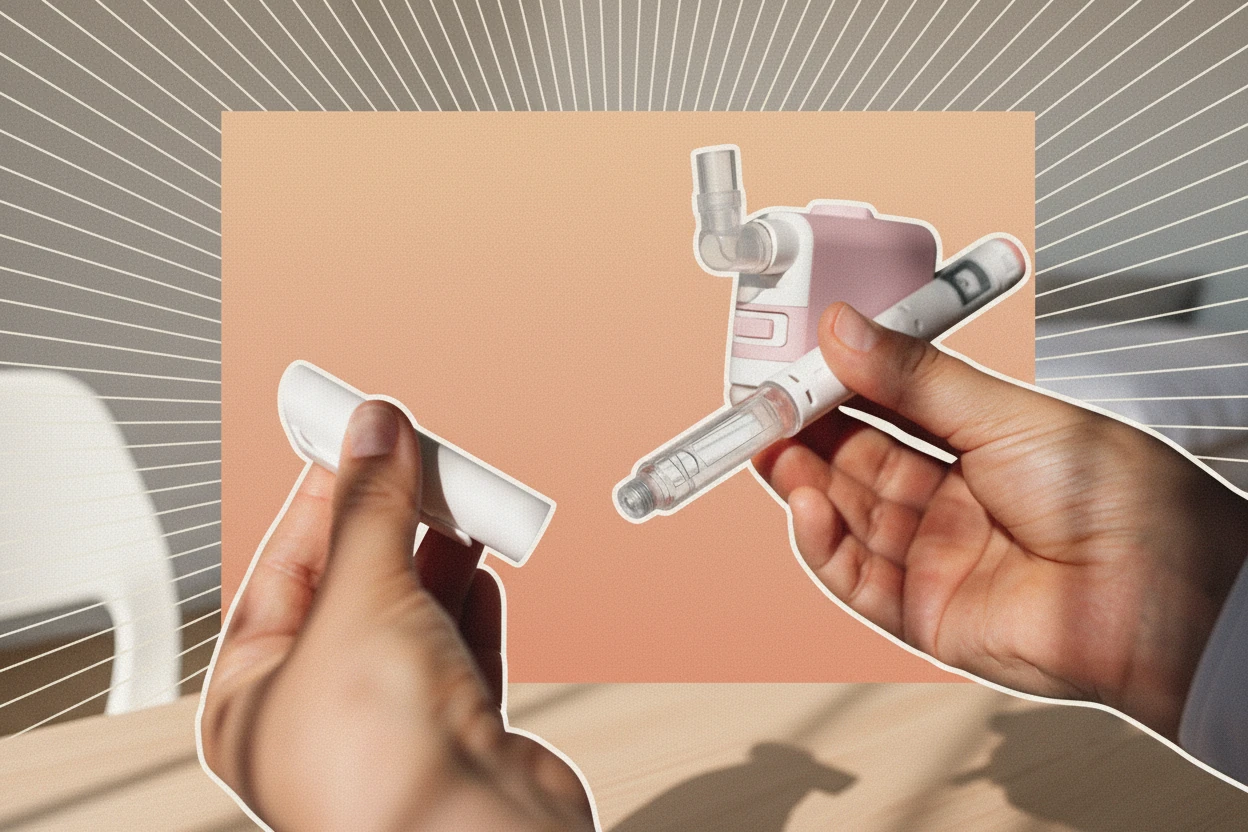
The use of glucagon-like peptide-1 receptor agonists (GLP-1 RAs) has surged among people with type 1 diabetes, largely driven by rising obesity rates in this population . These drugs, originally developed for type 2 diabetes and obesity, offer promising benefits such as weight loss and improved glycemic control but also carry potential risks that are not yet fully understood in type 1 diabetes . As more patients with type 1 diabetes seek these medications, it is crucial to understand their effects, safety concerns, and clinical considerations .
Many people who recover from COVID-19 continue to test positive for the virus for weeks or even months. This prolonged positive result is often due to leftover viral genetic material rather than an active infection. Understanding how different COVID-19 tests work and what a positive result means after recovery is important for managing isolation and preventing unnecessary worry .
The HV.1 variant of COVID-19 emerged as a dominant strain in the United States during late 2023, rapidly spreading across the population . Despite its high contagiousness, HV.1 does not appear to cause more severe illness than previous Omicron subvariants, though it remains a significant contributor to COVID-19 cases nationwide . Vaccination efforts, including updated boosters, continue to play a crucial role in reducing severe outcomes from HV.1 and related variants .
Tachycardia is a condition where the heart beats faster than normal, typically over 100 beats per minute at rest . While a rapid heart rate can be a normal response to exercise or stress, persistent or abnormal tachycardia may signal underlying heart problems and increase the risk of serious complications . Understanding the types, symptoms, causes, and treatment options is essential for managing this condition effectively .
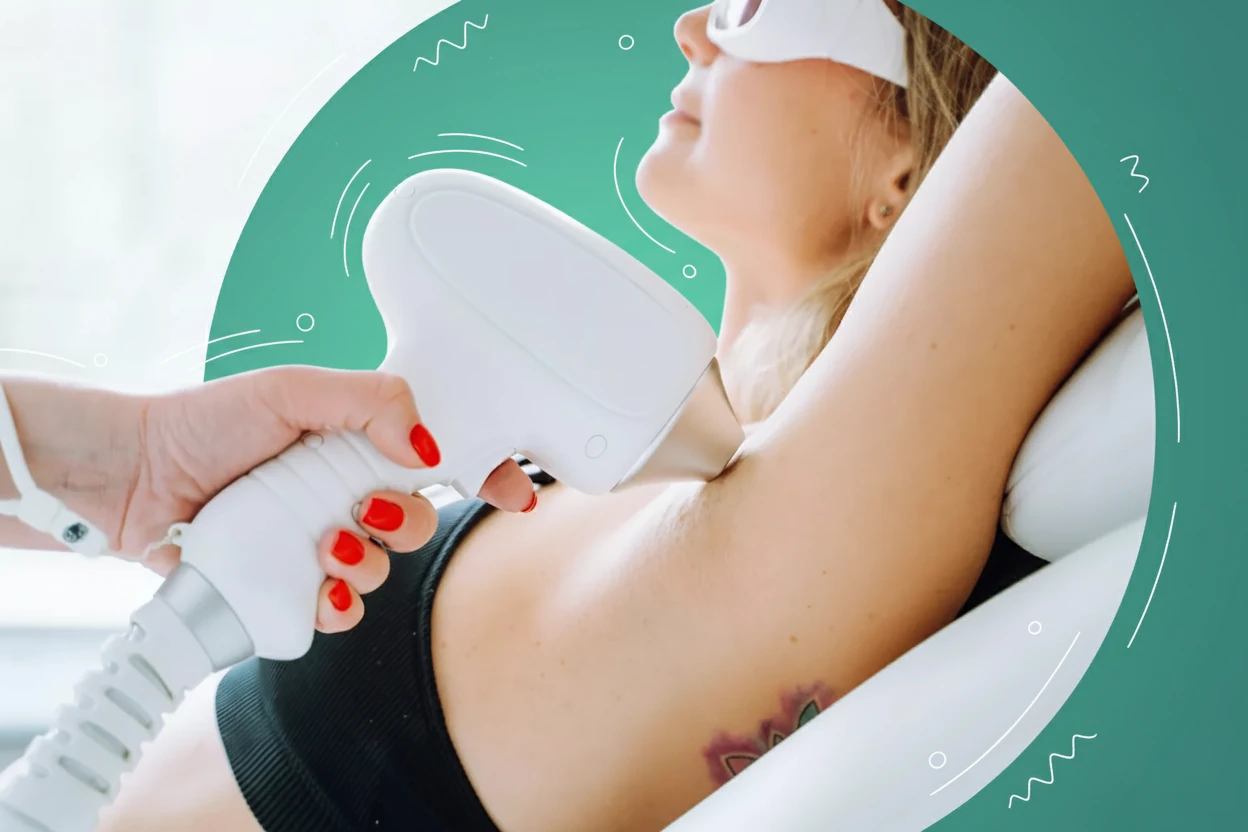
Laser hair removal is one of the most popular cosmetic procedures in the United States, offering a long-lasting solution to unwanted hair growth . It uses concentrated light energy to target hair follicles, reducing hair growth over time with multiple treatments . While it is not a permanent removal method, laser hair removal can significantly decrease hair density and thickness, providing convenience and improved skin texture .
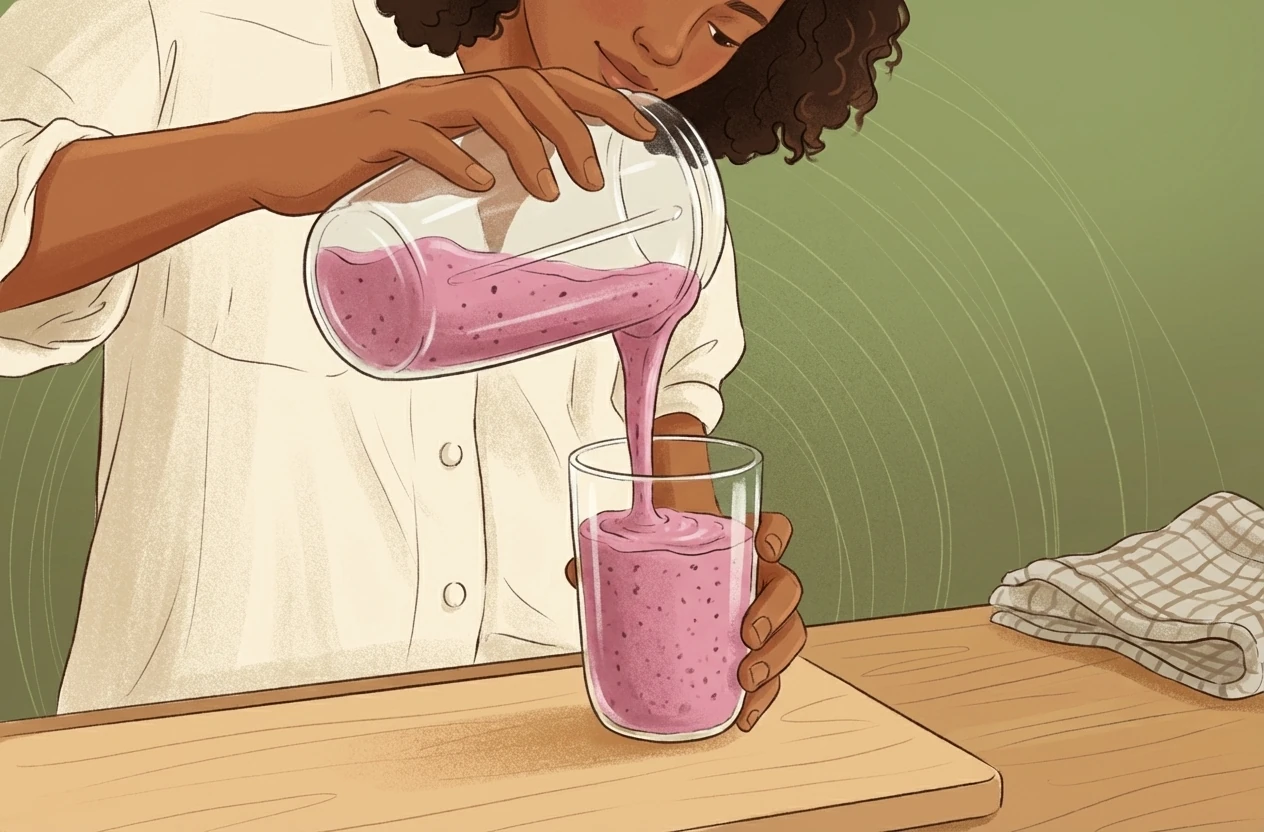
Smoothies are a convenient and delicious way to boost your nutrient intake, especially protein, which supports muscle health and helps you feel full longer . Adding protein-rich ingredients to smoothies can prevent blood sugar spikes and sustain energy throughout the day . Whether you prefer dairy, plant-based, or powdered proteins, there are many tasty options to enhance your smoothie’s nutrition and flavor .
Anxiety disorders affect an estimated 264 million people worldwide, making effective treatments essential for improving quality of life . Acupuncture, a traditional Chinese medicine practice involving the insertion of thin needles at specific points on the body, has shown promising therapeutic effects in reducing anxiety symptoms . Research indicates that acupuncture can help regulate the nervous system and reduce both physical and mental symptoms of anxiety, either alone or as an adjunct to conventional treatments .
Attention-Deficit/Hyperactivity Disorder (ADHD) affects about 5-7% of children worldwide and often continues into adulthood . Beyond its core symptoms, ADHD significantly raises the risk of developing additional mental health disorders, including depression and anxiety, which can lead to increased suicidal thoughts and behaviors . Understanding the connection between ADHD and these mental health challenges is crucial for early intervention and effective management .
Anxiety has been identified as a significant factor linked to an increased risk of developing dementia later in life. Studies show that anxiety may nearly triple the risk of dementia, with effects often emerging about a decade after anxiety symptoms begin . This connection highlights the importance of understanding anxiety not only as a mental health issue but also as a potential contributor to cognitive decline and dementia . Exploring this relationship can help guide prevention and management strategies to support brain health.
Antidepressants are commonly prescribed to treat depression and anxiety, with millions of people worldwide relying on them for symptom relief . However, stopping antidepressants can lead to withdrawal symptoms and a risk of relapse, making the decision to discontinue complex . Understanding the benefits and risks of stopping antidepressants, along with safe tapering methods, is essential for patients and healthcare providers .
Photophobia, or light sensitivity, is a common symptom that affects many people worldwide. It can cause discomfort or pain when exposed to normal or bright light, impacting daily activities such as working or relaxing . This symptom is often linked to various eye and neurological conditions, making accurate diagnosis and treatment essential for relief . Understanding the causes, symptoms, and management options can help those affected improve their quality of life .