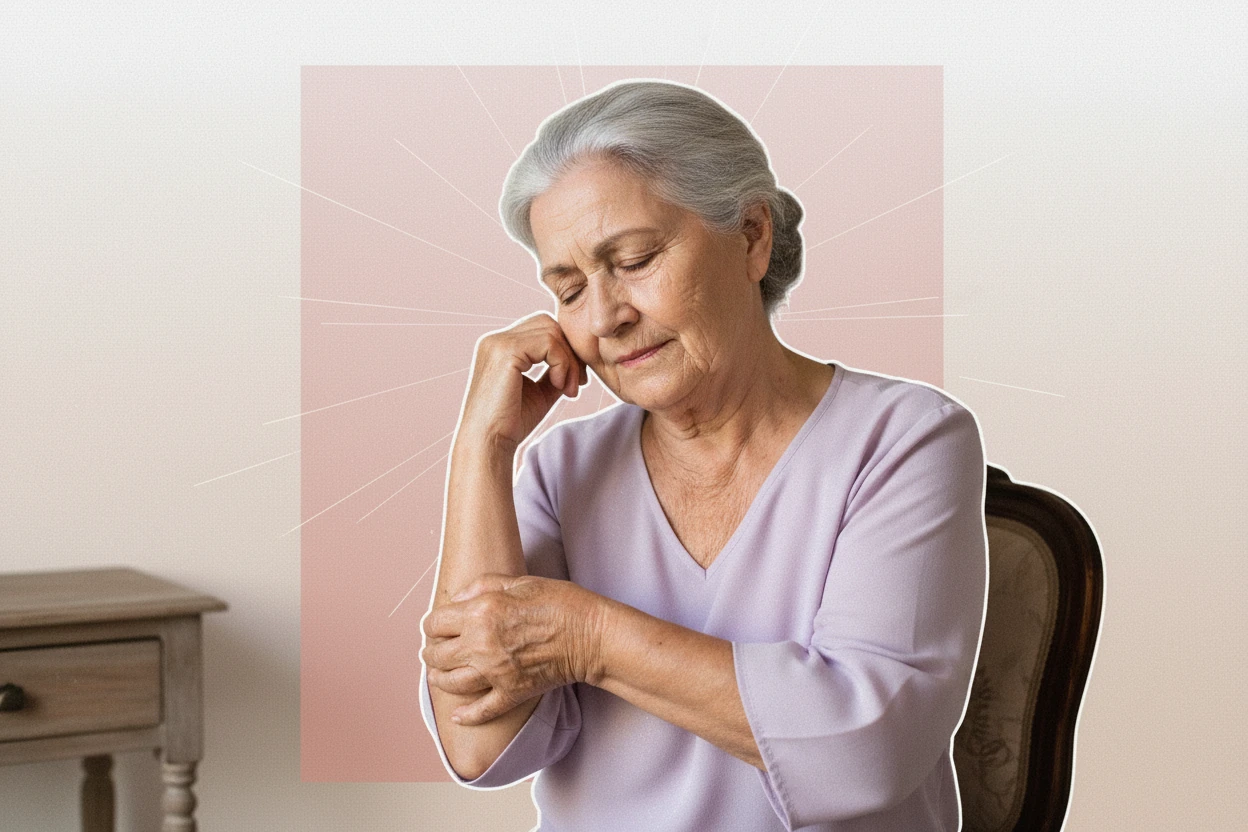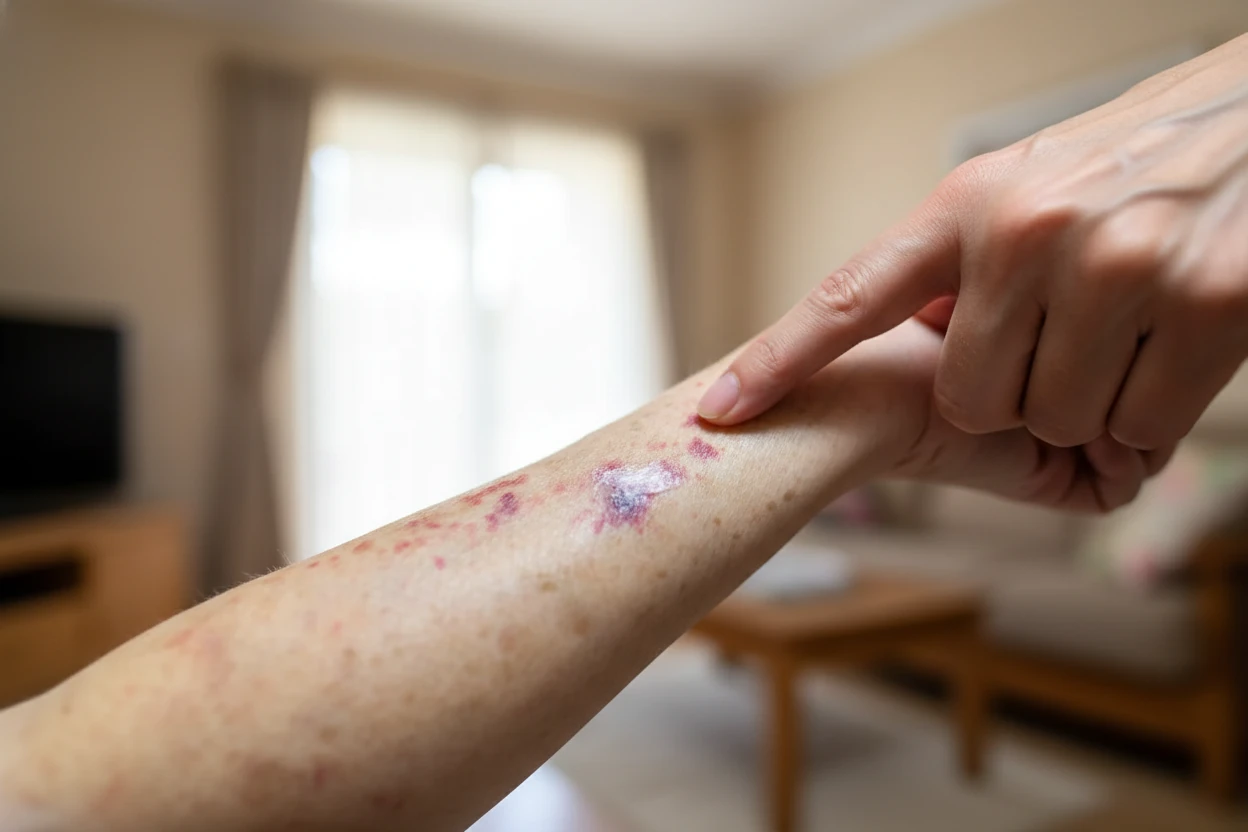
Shingles is a painful rash caused by the reactivation of the varicella-zoster virus, the same virus responsible for chickenpox12. About one in three people in the United States will develop shingles during their lifetime, with roughly 1 million cases occurring annually32. The risk of shingles increases sharply after age 50, making older adults particularly vulnerable to this condition and its complications42.
Shingles Risk Factors
Anyone who has had chickenpox is at risk for shingles because the virus remains dormant in nerve cells and can reactivate later in life56. More than 90% of Americans had chickenpox before age 20, even if they do not recall the illness62. The incidence of shingles in Europe ranges between 2.0 and 4.6 cases per 1,000 person-years, with a sharp increase in individuals over 50 years old4.
The primary risk factors for shingles include:
- Age: The risk increases with age, especially after 50 years, due to a natural decline in immune function45.
- Immune system decline: Aging leads to immunosenescence, a decrease in T cell function that normally controls the latent virus in sensory ganglia57.
- Immunocompromising conditions: Diseases or therapies that suppress the immune system, such as cancer treatments or organ transplant drugs, increase shingles risk82.
- Chronic diseases: Certain chronic illnesses can weaken immunity and raise the risk of shingles9.
- Previous chickenpox infection: Since shingles results from reactivation of the varicella-zoster virus, anyone with a history of chickenpox is susceptible5.
Approximately 50% of individuals aged 80 years and older will have experienced shingles3. The most common complication is postherpetic neuralgia (PHN), a persistent nerve pain that can last months or years after the rash resolves1.
Shingles is not just a rash; it can cause long-lasting nerve pain and serious complications, especially in older adults and those with weakened immune systems128.
Genetic Risk Factors
Shingles incidence and recurrence are higher in patients with underlying health conditions10. The lifetime prevalence of shingles among adults in England is about 11.5%, increasing with age9. Risk factors include age, immunosuppression, and certain chronic diseases that may have genetic components influencing immune response9.
Shingles is a common condition, particularly in older populations, reflecting both genetic and environmental influences on immune system aging and disease susceptibility4.
Lowering Your Shingles Risk
The most effective way to reduce the risk of shingles and its complications is vaccination53. Vaccination boosts the immune system's ability to control the varicella-zoster virus and prevent its reactivation.
Should You Get the Shingles Vaccine?
💡 Did You Know?
The shingles vaccine may also be associated with a lower risk of developing dementia, though more research is needed to confirm this benefit17.
The Advisory Committee on Immunization Practices (ACIP) recommends the recombinant zoster vaccine, known as Shingrix, for:
- Immunocompetent adults aged 50 years and older311.
- Immunocompromised adults aged 19 years and older311.
Shingrix is a two-dose subunit vaccine containing recombinant glycoprotein E combined with an adjuvant to enhance immune response3. It is more effective than the older live attenuated vaccine, Zostavax, which is no longer available in the United States53.
Key facts about Shingrix include:
- Over 90% effective in preventing shingles and postherpetic neuralgia3.
- 97% efficacy in adults aged 50–69 years with healthy immune systems3.
- 91% efficacy in adults aged 70 years and older3.
- Requires two doses, typically 2 to 6 months apart, for optimal protection3.
Vaccination is recommended regardless of whether a person recalls having had chickenpox or shingles, or if they previously received Zostavax31213. There is no need for serologic testing before vaccination, as more than 99% of adults aged 50 and older have been exposed to varicella-zoster virus1413.
| Age Group | Shingrix Vaccine Efficacy | Notes |
|---|---|---|
| 50–69 years | 97% | Immunocompetent adults |
| 70 years and older | 91% | Immunocompetent adults |
| Immunocompromised 19+ years | 68–91% | Varies by immune status and condition |
| Sources:31114 | ||
Consulting Your Healthcare Provider
Discussing shingles vaccination with your healthcare provider is essential to determine the best timing and suitability based on your health status53. Key considerations include:
- If you currently have shingles, vaccination should be delayed until the rash has resolved13.
- Immunocompromised individuals aged 19 and older should receive Shingrix to reduce their higher risk of shingles and complications311.
- If you received Zostavax previously, you should wait at least 8 weeks before getting Shingrix1413.
- Vaccination can be given alongside other adult vaccines, including covid-test-accuracy-for-eg5-and-ba286-variants">covid-test-accuracy-for-eg5-and-ba286-variants">COVID-19 and influenza vaccines, at different injection sites14.
Your healthcare provider can also advise on managing potential side effects, which are generally mild and include soreness at the injection site, fatigue, and headache lasting 2 to 3 days313.
Prompt diagnosis and treatment of shingles are also critical. If you suspect shingles, seek medical attention within 72 hours of rash onset to start antiviral therapy, which can accelerate healing and reduce pain and complications like postherpetic neuralgia1516.
Key Prevention Takeaways
- Shingles results from reactivation of the varicella-zoster virus, which remains dormant after chickenpox infection16.
- The risk of shingles increases with age and immune system decline, especially after age 5045.
- Vaccination with Shingrix is highly effective and recommended for adults 50 years and older, and immunocompromised adults 19 years and older311.
- Early antiviral treatment within 72 hours of rash onset reduces symptom severity and complications1516.
- Maintaining a healthy immune system and consulting your healthcare provider about vaccination are key to shingles prevention53.