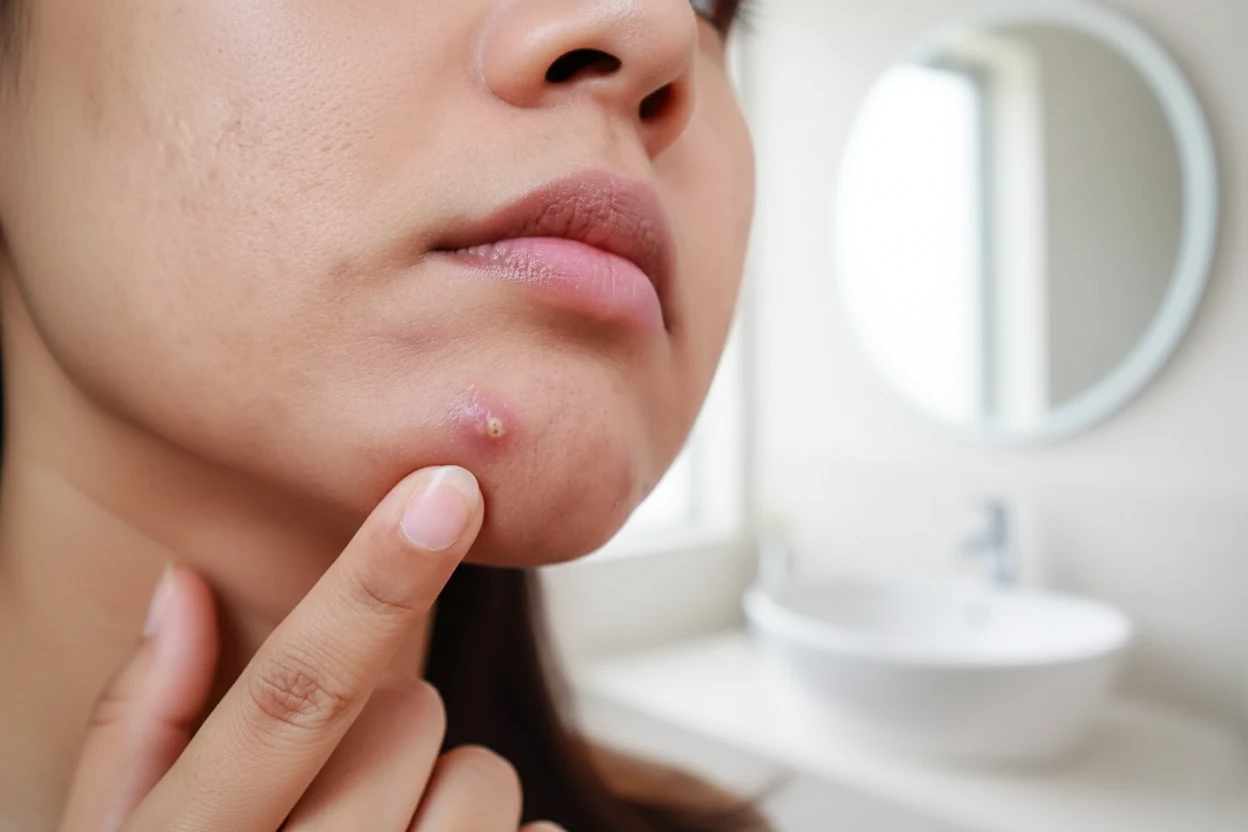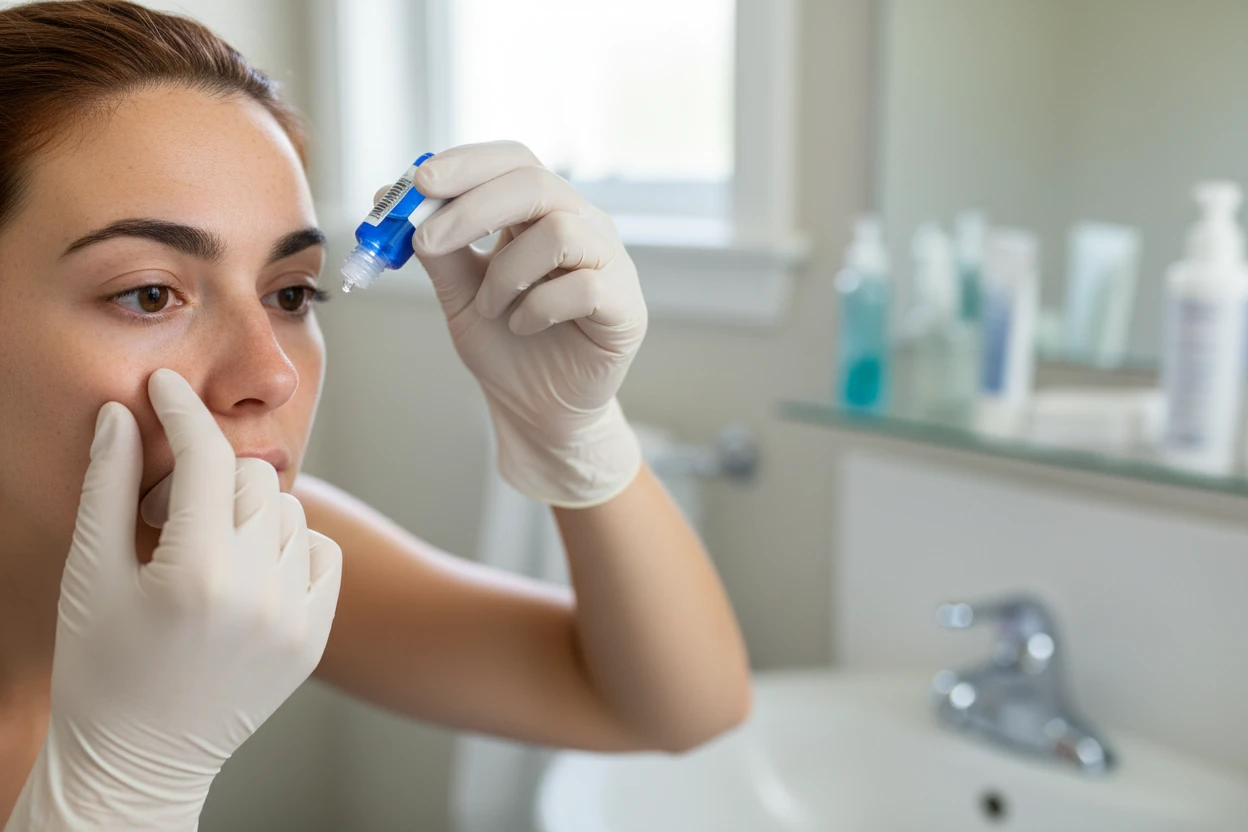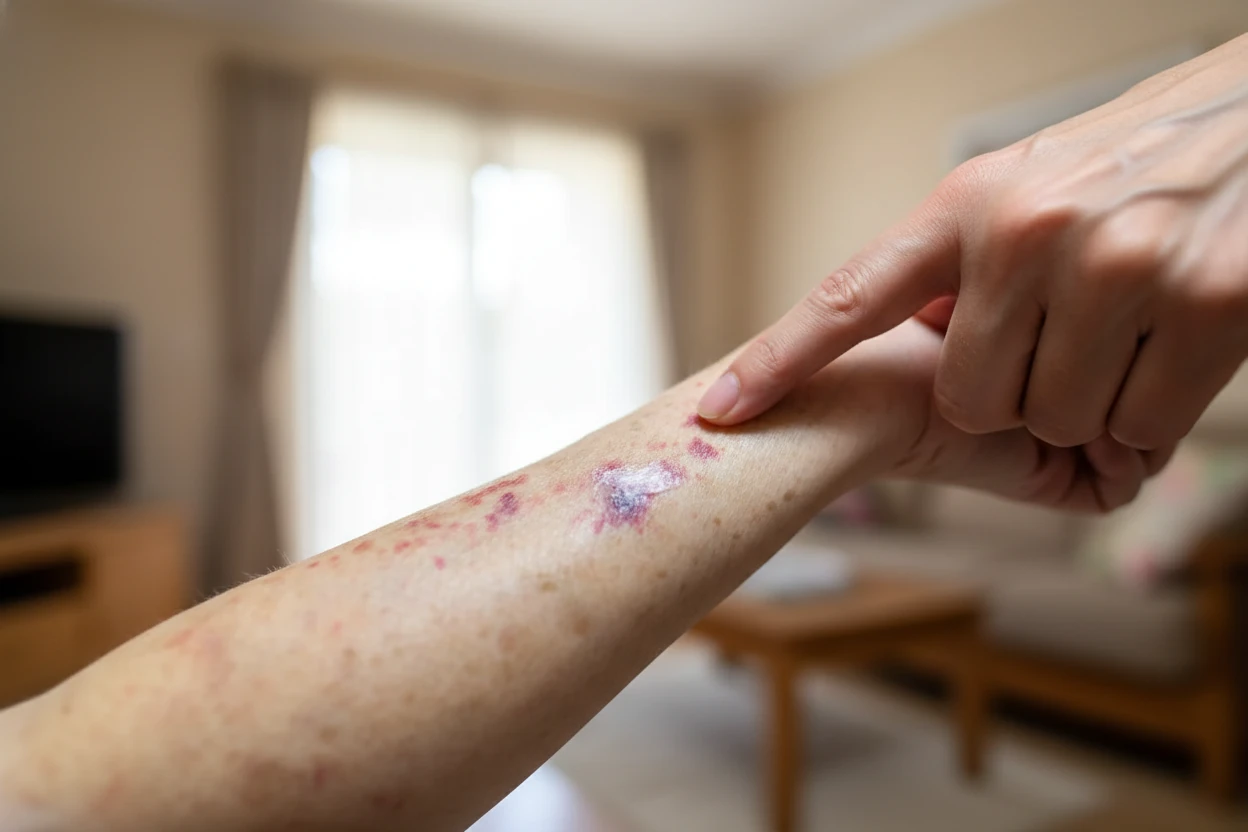
Acne scarring affects up to 95 percent of people who experience acne vulgaris, often leaving lasting marks that impact self-esteem and quality of life1. These scars form as a natural response to skin injury during acne outbreaks, and their appearance varies widely depending on the scar type and severity21. While some scars may improve over time, many require targeted treatments to reduce their visibility and restore skin texture31.
Types of Acne Scars
Acne scars are primarily classified into three categories based on their appearance and underlying tissue changes: depressed (atrophic), raised (hypertrophic), and keloidal scars3. The type of scar depends on the balance between collagen production and degradation during the wound healing process3. Understanding these types helps guide appropriate treatment choices.
Depressed (Atrophic) Scars
Atrophic scars are the most common form of acne scarring and result from insufficient collagen production during healing, leading to skin depressions3. They are further subdivided into:
- Ice pick scars: Narrow, deep, and extend vertically into the dermis or subcutaneous tissue, resembling small punctures3.
- Rolling scars: Broad, shallow, and undulating with a wave-like appearance on the skin surface3.
- Boxcar scars: Characterized by sharp, vertical edges with a round-to-oval shape; typically 1.5 to 4 mm wide with a flat base3.
These scars often develop on the face and are caused by inflammatory processes that degrade collagen fibers and subcutaneous fat1.
Raised (Hypertrophic) Scars
Hypertrophic scars are raised scars caused by excessive collagen deposition during wound healing3. They are usually the same size as the original acne lesion and can occur on the face and trunk3. These scars appear as firm, elevated areas of skin and may improve over time but often require treatment to reduce their thickness and redness23.
Keloidal Scars
Keloids are thick, raised scars that extend beyond the original wound boundaries due to an overproduction of collagen3. They are more prevalent in individuals with darker skin tones and commonly form on the trunk but can also appear on the face3. Keloids can be itchy or painful and are often more challenging to treat than other scar types23.
Do Acne Scars Fade Naturally?
The severity and appearance of acne scars vary widely among individuals, and while some scars may fade over time, many persist without treatment31. Severe scars or those that significantly affect quality of life should be evaluated by a dermatologist for personalized management3. With appropriate treatment, acne scars can be significantly improved or even eliminated, although multiple sessions are often necessary for optimal results23. Some treatments have minimal downtime, but others may require a recovery period23.
Natural Remedies for Acne Scars
Several natural remedies have been studied for their potential to reduce acne scars and inflammation. Ingredients such as propolis, tea tree oil, aloe vera, and curcumin show promise due to their anti-inflammatory and wound-healing properties34. For example, propolis, tea tree oil, and aloe vera have demonstrated greater effectiveness than erythromycin cream in reducing acne severity and scarring3. Curcumin promotes wound healing and may help reduce scar formation3.
Other commonly used natural remedies include lemon juice and vinegar, but their effectiveness is variable and may cause skin irritation or worsen acne in some individuals34. Because of the risk of adverse effects, it is recommended to consult a dermatologist before using natural treatments3.
- Propolis, tea tree oil, and aloe vera reduce acne severity and scars better than some antibiotics3.
- Curcumin has anti-inflammatory effects that support wound healing3.
- Lemon juice and vinegar show mixed results and may irritate skin3.
- Natural remedies may help mild scarring but require more research3.
- Dermatologist consultation is advised before starting natural treatments3.
Treating Depressed Acne Scars
Depressed or atrophic acne scars can be treated with various medical and procedural options aimed at stimulating collagen production, removing damaged skin layers, or filling in skin depressions23. Treatment choice depends on scar type, severity, and skin type, and a dermatologist can tailor the approach accordingly23.
Common treatments include:
- Surgery: Minor procedures such as punch excision remove individual scars and repair the skin with stitches or grafts31.
- Dermabrasion and Microdermabrasion: These techniques remove the top skin layers to smooth shallow scars and promote new cell growth31.
- Laser Resurfacing: Ablative lasers remove outer skin layers and stimulate collagen and elastin production, improving scar texture and appearance256.
- Chemical Peels: Application of chemical solutions removes damaged skin layers and encourages collagen formation31.
- Fillers: Injectable substances like collagen or fat plump depressed scars; results are temporary and require repeat treatments37.
- Radiofrequency Treatments: These use energy to stimulate collagen production and tighten skin, often combined with lasers38.
- Microneedling: A device with fine needles creates controlled skin injuries to boost collagen and improve scar appearance93.
Treating acne scars often requires a combination of therapies to achieve the best results. Fractional picosecond lasers and fractional radiofrequency microneedling have shown promising safety and efficacy in improving atrophic scars with minimal side effects.108
| Treatment Type | Mechanism | Suitable Scar Types | Notes |
|---|---|---|---|
| Punch Excision Surgery | Removes scar tissue | Deep, well-defined scars | Minor procedure, may require grafting31 |
| Dermabrasion | Removes outer skin layers | Shallow, widespread scars | Risk of skin color changes31 |
| Laser Resurfacing | Ablates skin and stimulates collagen | Atrophic scars | Increased risk in darker skin tones256 |
| Fillers | Plumps depressed scars | Rolling and boxcar scars | Temporary effect, repeat needed37 |
| Microneedling | Stimulates collagen via micro-injuries | Atrophic scars | Minimal risk of discoloration93 |
Treating Raised Acne Scars
Raised acne scars, including hypertrophic and keloidal scars, result from excessive collagen buildup and require different treatment strategies focused on reducing scar height and redness23. Treatment options include:
- Surgery: Surgical removal can improve raised scars but may require adjunct therapies to prevent recurrence31.
- Radiation Therapy: Sometimes used after surgery to reduce scar regrowth, though it carries long-term risks and is not always recommended23.
- Injections: Monthly corticosteroid, 5-fluorouracil (5-FU), or interferon injections reduce scar size and inflammation23.
- Cryosurgery: Freezes scar tissue to promote gradual removal, often combined with corticosteroid injections for better outcomes23.
- Pulsed Dye Laser: Flattens raised scars and reduces redness by targeting best exercise strategies for type 2 diabetes vessels23.
- Silicone Dressings and Scar Creams: Used at home to soften and improve scar texture23.
Keloid scars often require a multimodal approach combining silicone gel sheets, compression therapy, corticosteroid injections, surgery, and radiotherapy for best results23.
- Surgery and radiation can improve raised scars but radiation has risks2.
- Corticosteroid and other injections are given monthly for several months3.
- Cryosurgery combined with injections enhances scar reduction23.
- Pulsed dye lasers reduce scar volume and color23.
- Silicone-based products help improve scar appearance at home23.
“There appears to be a close connection between these skin disorders (acne and warts) and the emotions. As with virtually all of these mind-body processes, there is no laboratory proof of the causative role of emotions, but there is certainly a mountain of clinical evidence.”
— John E Sarno, New York University School of Medicine11
Preventing Acne Scars
Preventing acne scars starts with proper acne management and skincare habits to minimize skin injury and inflammation23. Key prevention strategies include:
- Establishing a gentle skincare routine to avoid irritation and worsening acne3.
- Avoiding aggressive scrubbing, which can damage skin and increase scarring risk3.
- Early and effective treatment of active acne to reduce inflammation and lesion severity3.
- Consulting a dermatologist if over-the-counter treatments are ineffective for prescription options3.
- Continuing acne treatment after healing to prevent recurrence and new scars3.
- Avoiding picking, squeezing, or popping acne lesions, which significantly increase scar formation risk3.
💡 Did You Know? Using sunscreen can help limit the contrast between unscarred skin and scars, reducing their visibility7.
Key Takeaways
- Acne scars are common and result from the skin’s healing response to inflamed acne lesions1.
- Scars are classified as depressed (atrophic), raised (hypertrophic), or keloidal, each requiring different treatment approaches3.
- Natural remedies like propolis, tea tree oil, and aloe vera may help mild scars but should be used cautiously under dermatologist guidance3.
- Effective treatments for depressed scars include laser resurfacing, microneedling, chemical peels, fillers, and surgery23.
- Raised scars respond to corticosteroid injections, surgery, cryosurgery, and pulsed dye lasers, often requiring combination therapy23.
- Preventing scars involves gentle skincare, early acne treatment, and avoiding skin trauma such as picking or squeezing acne3.