Sjogren’s syndrome affects about 0.5–1.0% of the population as a primary condition and often occurs alongside other autoimmune diseases in about 30% of cases1. This autoimmune disorder primarily damages moisture-producing glands, leading to chronic dryness that can significantly impact quality of life2. Women are much more likely to develop Sjogren’s syndrome, usually between the ages of 45 and 553. Although symptoms vary widely, advances in diagnosis and treatment have improved management options for many patients4.
Types of Sjogren’s Syndrome
Sjogren’s syndrome is classified into two main types based on its relationship with other autoimmune diseases. Primary Sjogren’s syndrome occurs independently, without association with other autoimmune conditions5. Secondary Sjogren’s syndrome develops in the context of other autoimmune diseases, such as rheumatoid arthritis and lupus5. Less commonly, secondary Sjogren’s syndrome is linked to autoimmune thyroiditis and other autoimmune disorders6. Symptoms of secondary Sjogren’s may appear before or after the diagnosis of the associated autoimmune disease5.
Sjogren’s Syndrome Symptoms
Sicca Symptoms
The hallmark of Sjogren’s syndrome is sicca symptoms, which refer to dryness affecting the eyes and mouth7. Approximately 80% of patients experience these dryness symptoms7. Dry eyes result from reduced tear production due to lymphocytic infiltration and damage to the lacrimal glands8. This leads to irritation, soreness, blurred vision, and a sensation of having a foreign body in the eye8. Salivary gland involvement causes xerostomia (dry mouth) and throat dryness8. Oral dryness contributes to mucosal irritation, halitosis (bad breath), and difficulty swallowing dry foods9. The decreased saliva increases the risk of dental caries and oral infections9. Vaginal dryness is also common, raising the risk of painful intercourse (dyspareunia) and infections10.
Other Sjogren’s Symptoms
Beyond dryness, Sjogren’s syndrome affects multiple body systems. Musculoskeletal symptoms such as arthralgia (joint pain), especially in the small joints of the hands and feet, occur in about 70% of patients11. Peripheral neuropathy, causing burning sensations or numbness, is less frequent but recognized12. Fatigue is reported by approximately 70% of patients and is often the most disabling symptom, significantly reducing quality of life13. Other symptoms may include skin dryness, persistent dry cough, and neurological issues such as cognitive difficulties or neuropathies314.
Sjogren’s Syndrome Causes
Sjogren’s syndrome is an autoimmune disease where the immune system mistakenly attacks the body’s moisture-producing glands15. This immune-mediated destruction leads to lymphocytic infiltration of the lacrimal and salivary glands, reducing secretion and causing dryness8. The exact cause remains unclear, but it involves a combination of genetic susceptibility and environmental triggers such as viral infections, including hepatitis C and Epstein-Barr virus16174. Autoantibodies like anti-SSA/Ro and anti-SSB/La are characteristic markers and play a role in disease pathogenesis4. Female sex is a strong risk factor, and a personal or family history of autoimmune diseases increases susceptibility45. Stressful life events may also contribute to disease onset16.
Risk Factors
Certain groups are more likely to develop Sjogren’s syndrome:
- Women are affected about 10 times more often than men3.
- Most diagnoses occur between ages 45 and 553.
- Having other autoimmune diseases, such as rheumatoid arthritis or lupus, increases risk5.
- A family history of Sjogren’s syndrome or other autoimmune diseases raises susceptibility5.
- Viral infections and stressful life events may trigger disease onset in genetically predisposed individuals165.
Diagnosing Sjogren’s Syndrome
Diagnosing Sjogren’s syndrome requires a combination of clinical evaluation, laboratory tests, and sometimes tissue biopsy7. The 2016 ACR/EULAR classification criteria focus on symptoms of dryness, presence of anti-SSA/Ro antibodies, and labial salivary gland biopsy findings7. Clinical history and physical examination assess persistent dryness and exclude other causes4. Serologic testing for anti-Ro (SSA) and anti-La (SSB) antibodies supports diagnosis, though not all patients test positive4. Additional mcv blood test results meaning and normal range tests, including antinuclear antibody (ANA) and rheumatoid factor (RF), help identify secondary Sjogren’s or other autoimmune diseases4.
Objective tests include:
- Schirmer’s test, which measures tear production to evaluate eye dryness4.
- Salivary flow measurement to assess gland function4.
- Minor salivary gland biopsy, especially in seronegative patients, confirms lymphocytic infiltration4.
- Imaging such as salivary gland ultrasound may assist when other tests are inconclusive4.
Sjogren’s Syndrome Treatment Options
Treatment aims to relieve symptoms and improve quality of life, as there is currently no cure for Sjogren’s syndrome184. Management is individualized based on symptom severity and organ involvement18.
Treatment for Dryness (Sicca) Symptoms
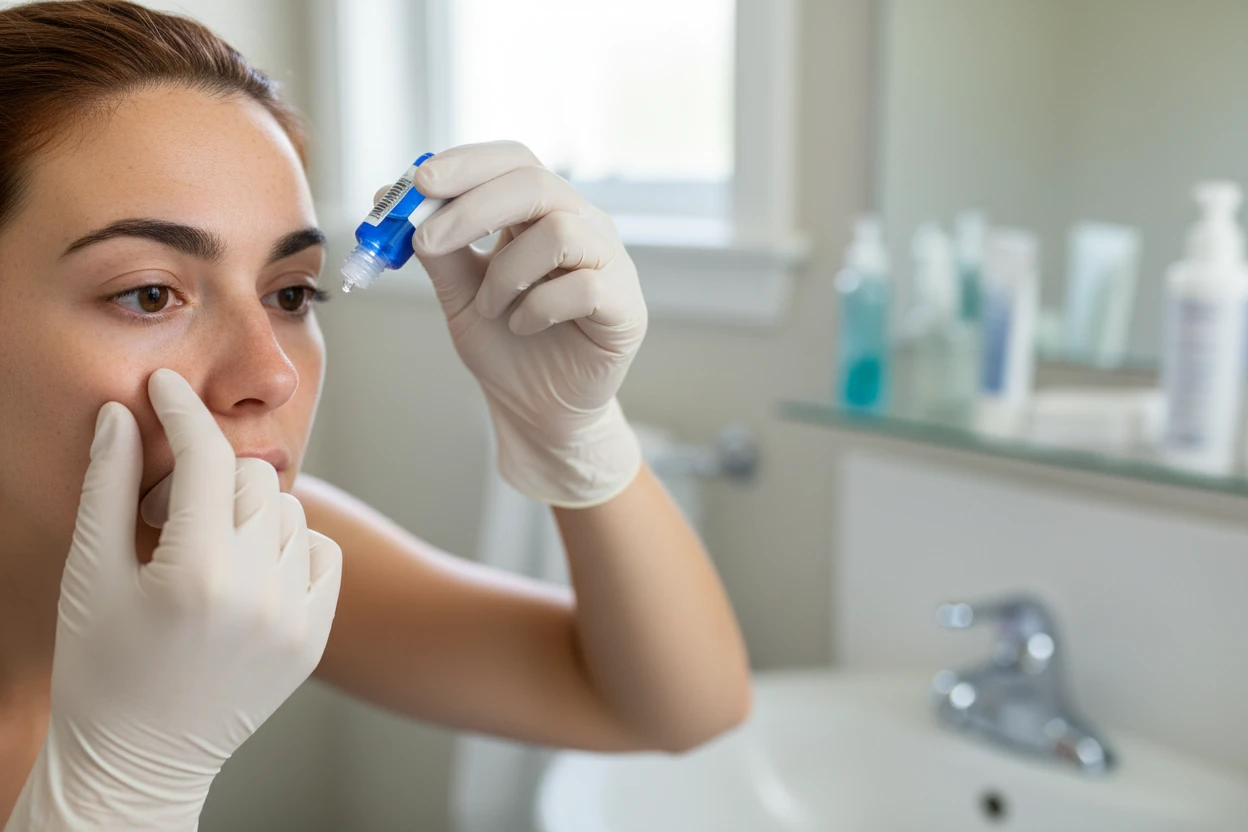
Ocular dryness is commonly treated with artificial tears and lubricants to soothe irritation8. Prescription eye drops such as cyclosporine reduce inflammation and improve tear production18. Short-term corticosteroid eye drops may be used cautiously for severe inflammation8. Punctal plugs can be inserted to block tear drainage and retain moisture on the eye surface8. Scleral lenses and PROSE devices provide advanced protection and hydration for severe cases, improving comfort and vision19.
Oral dryness management includes saliva stimulators like pilocarpine and cevimeline, which enhance glandular secretion184. Saliva substitutes in the form of sprays, gels, or rinses help maintain moisture4. Chewing sugar-free gum or sucking on sugarless candies can stimulate saliva flow4. Good oral hygiene and regular dental visits are essential to prevent dental caries and infections9. Vaginal dryness is treated with lubricants and moisturizers to reduce discomfort and infection risk10.
Neurostimulation devices that target nerves controlling tear and saliva production are emerging as innovative therapies19.
Treatment for Additional Symptoms
Musculoskeletal pain and inflammation may be managed with nonsteroidal anti-inflammatory drugs (NSAIDs), hydroxychloroquine, methotrexate, or other disease-modifying antirheumatic drugs (DMARDs)2021. Corticosteroids and immunosuppressants are reserved for systemic or severe organ involvement1820. Biological therapies, such as rituximab, target B-cells and are considered for patients with systemic manifestations or refractory symptoms2122. New biologics like ianalumab are under investigation for disease-modifying effects22.
Fatigue management includes self-care measures and regular exercise, which have proven beneficial21. Psychological support and stress reduction are important as stress can worsen symptoms23.
Sjogren’s Syndrome Prevention
There is currently no known way to prevent Sjogren’s syndrome due to its unclear cause4. However, symptom management can reduce complications and improve quality of life7. Environmental modifications such as using humidifiers, nasal saline irrigation, and avoiding drying medications help alleviate dryness4. Maintaining hydration and avoiding caffeine and smoking are recommended4. Good oral hygiene and regular dental care prevent dental complications9. Vaginal moisturizers assist with dryness-related discomfort10. Regular aerobic exercise may help reduce fatigue13. Avoiding medications with anticholinergic effects can lessen dryness symptoms4. Monitoring for lung complications is advised due to potential pulmonary involvement24.
Sjogren’s Syndrome Related Conditions
Sjogren’s syndrome can be associated with other autoimmune diseases, including rheumatoid arthritis, lupus, and autoimmune thyroiditis56. It also increases the risk of serious complications such as B-cell non-Hodgkin lymphoma, which occurs in about 5% of patients25. Pulmonary complications like interstitial lung disease may develop and require monitoring24. Neurological involvement, including peripheral neuropathy and central nervous system manifestations, can occur in a subset of patients261214. Opportunistic infections such as oral and vaginal candidiasis are more common due to mucosal dryness and immune dysfunction910. Pregnancy in women with Sjogren’s syndrome carries increased risks including fetal heart block and miscarriage, necessitating specialized care4.
Living With Sjogren’s Syndrome
Living with Sjogren’s syndrome involves managing persistent symptoms and monitoring for complications. Fatigue, pain, and dryness can be challenging despite treatment27. Psychological stress may worsen symptoms, so stress management and mental health support are important2327. Social support from family, healthcare providers, and patient groups aids coping27. Regular dental and eye exams help prevent complications such as tooth decay and corneal damage93. Patients with primary Sjogren’s may develop additional autoimmune diseases over time5.
Close monitoring for lymphoma and lung disease is essential due to their impact on survival2524. Weight changes are usually related to treatment side effects or eating difficulties rather than the disease itself418.
“The 2019 EULAR recommendations are based on evidence collected over the last 16 years in the management of primary Sjögren's syndrome patients and on discussions between a large and broadly international task force. The recommendations synthesize current thinking on Sjögren's syndrome treatment in a set of overarching principles and recommendations. We hope that the current recommendations will be broadly applied in clinical practice and/or serve as a template for national societies to develop local recommendations.”
— Manuel Ramos-Casals, Hospital Clinic de Barcelona, Institut Clinic de Medicina i Dermatologia, Barcelona, Spain28
Sjogren’s Syndrome FAQs
Q: What are the main symptoms of Sjogren’s syndrome?
A: The most common symptoms are dry eyes and dry mouth, often accompanied by fatigue, joint pain, and vaginal dryness71113.
Q: How is Sjogren’s syndrome diagnosed?
A: Diagnosis involves clinical evaluation, blood tests for specific autoantibodies, tear and saliva production tests, and sometimes a salivary gland biopsy47.
Q: Is there a cure for Sjogren’s syndrome?
A: Currently, there is no cure. Treatment focuses on relieving symptoms and preventing complications184.
Q: Can Sjogren’s syndrome cause serious complications?
A: Yes, complications include increased risk of lymphoma, lung disease, infections, and neurological problems25249.
Q: How can I manage fatigue related to Sjogren’s syndrome?
A: Fatigue can be managed with regular exercise, stress reduction, and sometimes medications like hydroxychloroquine1321.