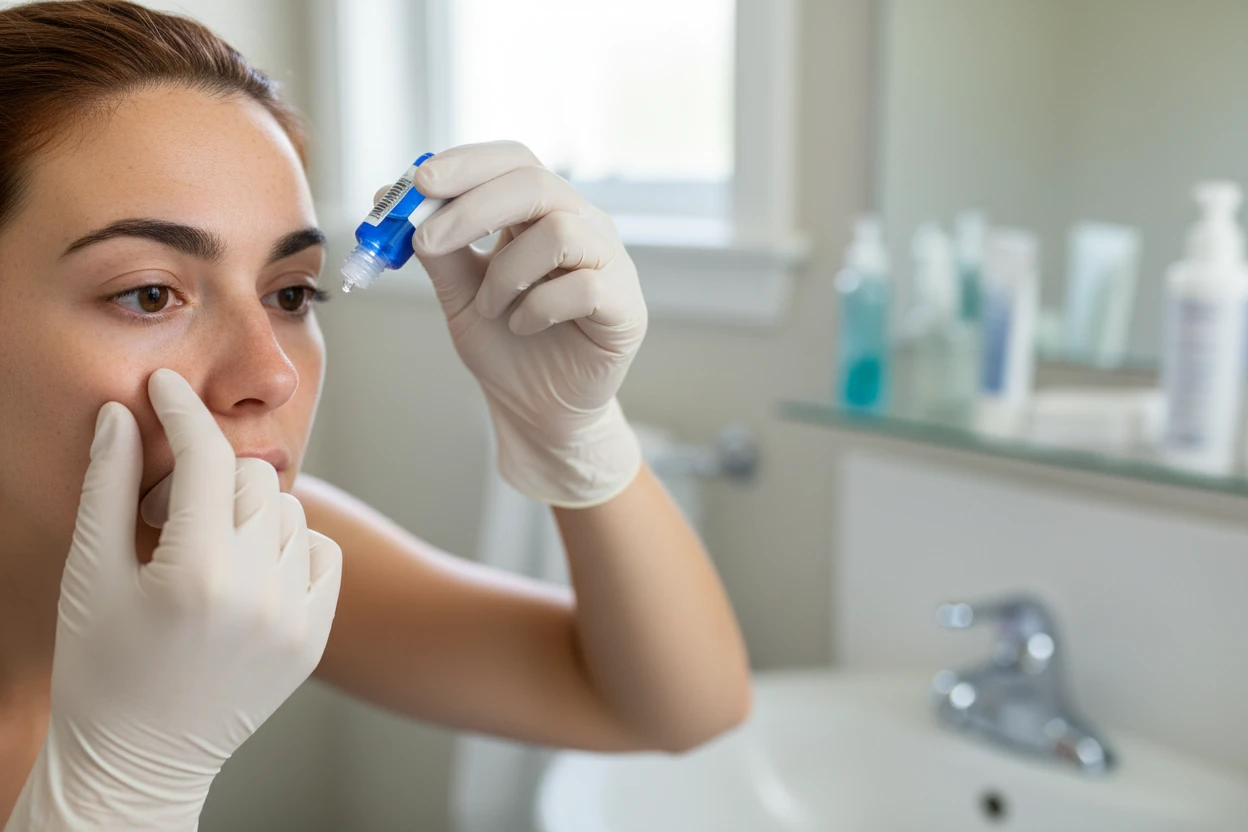
acne-bacne-causes-treatments-and-preventionacne-bacne-causes-treatments-and-preventionacne-treatment-guideacne-treatment-guideAcne affects approximately 85% to 90% of adolescents and can continue into adulthood, causing both inflammatory and non-inflammatory skin lesions1. Salicylic acid is a widely used treatment known for its ability to exfoliate skin and clear clogged pores, but it may initially cause a temporary worsening of acne known as skin purging2. Understanding the difference between skin purging and true acne breakouts is essential for effective acne management and treatment adherence3.
Understanding Skin Purging: What It Is & Why It Happens with Salicylic Acid
Skin purging is a temporary reaction that occurs when active ingredients accelerate the skin’s natural process of shedding dead skin cells, leading to faster cell turnover1. This process brings underlying impurities, such as microcomedones—tiny, invisible clogged pores that are the precursors to acne lesions—to the surface more quickly than usual4. Salicylic acid, a beta-hydroxy acid (BHA), acts as a keratolytic agent, promoting rapid shedding of dead skin cells and exfoliating pores from within56.
The accelerated exfoliation caused by salicylic acid can transiently increase visible acne by surfacing clogged pores that were previously beneath the skin’s surface7. However, this phase is temporary and typically precedes clinical improvement. With continued use, the skin adapts to the treatment, and acne lesions decrease as the effects stabilize8. Salicylic acid also has anti-inflammatory and comedolytic properties that contribute to the long-term improvement of acne6.
Is It OK To Use Salicylic Acid Every Day?
Salicylic acid can be used daily or several times per week depending on individual skin tolerance9. For those experiencing skin purging, it is often recommended to start with a low concentration or less frequent application, such as a few times per week, and gradually increase usage as the skin adjusts2109. Consulting a dermatologist can help tailor the frequency and concentration to your skin’s needs, minimizing irritation and maximizing benefits11.
“Salicylic acid does not cause acne, but it can trigger purging. Purging occurs when the ingredient speeds up skin cell turnover, bringing clogged pores to the surface faster. This is a temporary phase and usually improves within 4-6 weeks.”
— Anna Gilcris, Cheeks Luxury Skin Clinic9
How Long Does Skin Purging Last? Salicylic Acid Purging Timeline
The typical duration of skin purging ranges from 4 to 6 weeks, although it can extend up to 16 weeks for full acne clearance in some cases21213. During this period, the skin is actively renewing and clearing out underlying congestion. Clinical improvement in acne is often observed after 8 to 12 weeks of consistent salicylic acid treatment1314.
A minimum trial period of 6 to 8 weeks is generally recommended to assess the effectiveness of topical acne treatments like salicylic acid15. If no improvement is seen after 8 to 12 weeks, discontinuation or switching to an alternative therapy may be necessary16.
Skin purging is a natural, temporary phase that can last several weeks as your skin accelerates its renewal process. Patience during this period is key to achieving clearer skin12132.
Is It Skin Purging or an Acne Breakout? Differentiating Reactions to Salicylic Acid
Distinguishing skin purging from regular acne breakouts is important for appropriate skincare decisions. Skin purging occurs in areas where you typically experience acne and results from the increased cell turnover caused by exfoliating ingredients like salicylic acid and retinoids1718. In contrast, breakouts may appear in new areas and can be caused by product irritation, allergic reactions, or comedogenic ingredients1918.
Purging lesions tend to clear faster and usually do not leave scars, whereas inflammatory breakouts may take longer to heal and can result in scarring20. Signs that a breakout is due to irritation rather than purging include itching, redness, swelling, and breakouts in unusual areas2118.
Risk Factors
Several factors can increase the risk of acne breakouts unrelated to purging:
- Use of products containing occlusive ingredients such as shea butter and certain silicones that clog pores2218
- Harsh skincare habits like excessive scrubbing or popping pimples18
- Using multiple acne treatments simultaneously without proper spacing18
- Sharing makeup or skincare tools18
- Washing the face more than twice daily, which can irritate skin18
Non-comedogenic formulations help minimize acne exacerbation by avoiding pore-clogging ingredients2318.
“If you're using something with those ingredients, then you could be breaking out from the product itself.”
— Debra Jaliman, MD, Icahn School of Medicine at Mount Sinai18
| Feature | Skin Purging | Acne Breakout |
|---|---|---|
| Location | Areas prone to acne | Can appear in new or unusual areas |
| Duration | Typically 4-6 weeks, clears faster | Longer healing time, may scar |
| Cause | Increased cell turnover from active ingredients | Irritation, allergic reaction, comedogenic products |
| Appearance | Small, superficial pimples | Larger, inflamed lesions |
| Response to continued use | Improves with ongoing treatment | May worsen if product is irritating |
| Sources:1246 | ||
Can You Prevent Skin Purging? Tips for Minimizing Initial Salicylic Acid Reactions
While skin purging can be difficult to avoid when using exfoliating agents like salicylic acid, certain strategies can minimize its severity and reduce the risk of irritation:
- Introduce salicylic acid gradually, starting with low frequency (e.g., once or twice a week) and increasing as tolerated109
- Use non-comedogenic and gentle formulations to avoid pore clogging and irritation2318
- Avoid combining multiple exfoliating products at once to reduce excessive peeling and sensitivity911
- Maintain a simple skincare routine during purging, focusing on gentle cleansing and moisturizing24
- Apply sunscreen daily, as salicylic acid increases skin sensitivity to UV radiation11
Gradual dose escalation of salicylic acid reduces irritation and purging severity, helping your skin adapt and improving treatment adherence1025.
Salicylic Acid for Acne: Key Takeaways & When to Consult a Dermatologist
Salicylic acid is an effective beta-hydroxy acid used to treat mild to moderate acne by exfoliating dead skin cells and unclogging pores611. Its ability to accelerate skin cell turnover can cause a temporary phase called skin purging, where underlying acne lesions surface faster than usual19. This purging typically lasts 4 to 6 weeks but may extend up to 16 weeks before significant improvement is seen21213.
Distinguishing purging from true acne breakouts is crucial. Purging occurs in acne-prone areas and clears faster without scarring, while breakouts may be due to irritation or comedogenic products and can worsen with continued use192118. Preventing purging involves gradual introduction of salicylic acid, using non-comedogenic products, and maintaining a gentle skincare routine23109.
- Skin purging is a temporary reaction caused by accelerated exfoliation from salicylic acid, lasting 4 to 6 weeks on average212.
- Salicylic acid’s keratolytic and anti-inflammatory properties contribute to long-term acne improvement621.
- Gradual introduction and dose escalation minimize purging severity and skin irritation109.
- Non-comedogenic formulations reduce the risk of acne breakouts unrelated to purging2318.
- If acne does not improve after 8 to 12 weeks, consider consulting a dermatologist for alternative treatments1611.