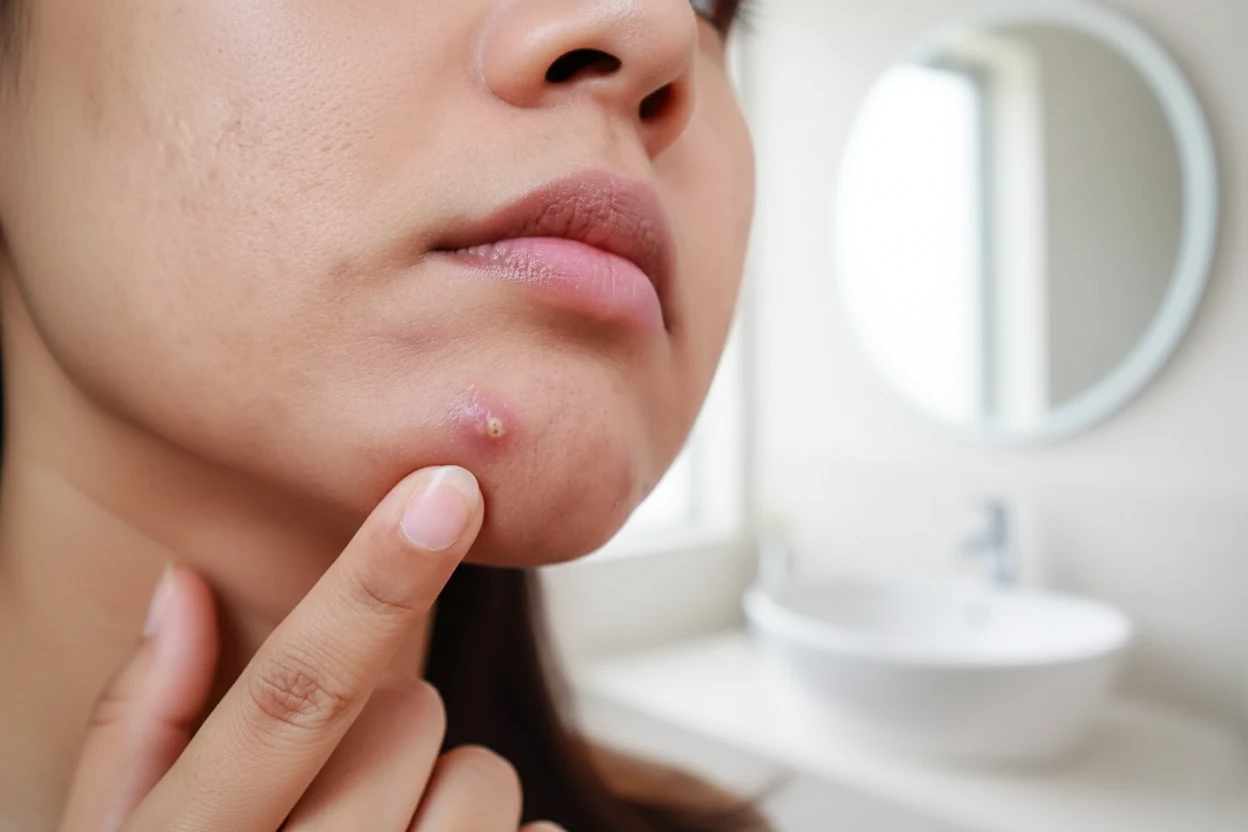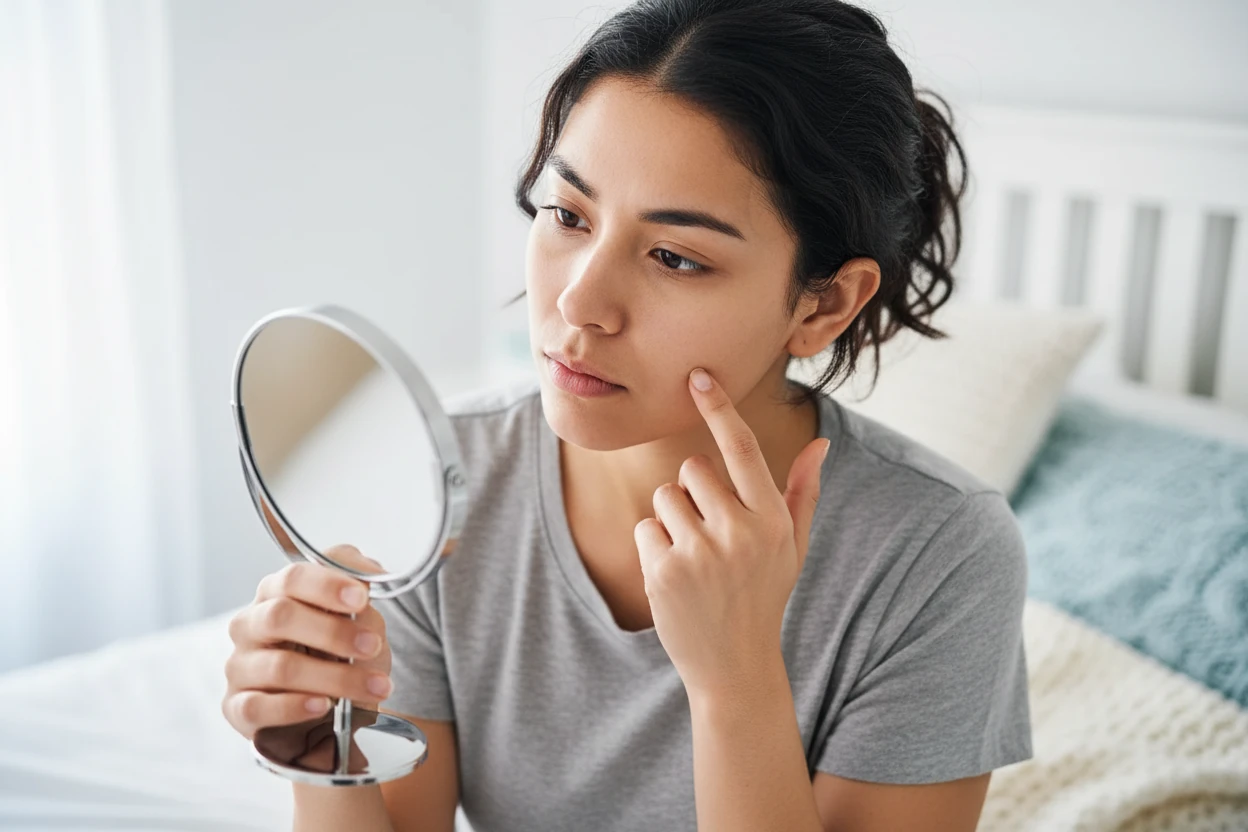
Fungal acne, also known as Malassezia folliculitis or Pityrosporum folliculitis, is a common skin condition that often gets mistaken for regular acne. It occurs when yeast naturally present on the skin overgrows and infects hair follicles, leading to clusters of small, itchy, red bumps1. This condition is especially common in adolescents and young adults with oily skin and tends to worsen in hot, humid environments where sweat and moisture accumulate2. Unlike typical acne-bacne-causes-treatments-and-preventionacne, fungal acne requires specific antifungal treatments for effective management3.
Understanding Fungal Acne
Fungal acne is not true acne but an infection of the hair follicles caused by the overgrowth of Malassezia yeast, a fungus normally found on human skin4. When the balance of skin microorganisms is disrupted, Malassezia can switch from a harmless yeast form to a pathogenic mycelial form, leading to follicular inflammation5. This condition is also called Malassezia folliculitis or Pityrosporum folliculitis and is characterized by monomorphic (uniform) clusters of small papules and pustules that often itch6.
Unlike acne vulgaris, which is caused by clogged pores and bacterial infection, fungal acne results from yeast trapped inside hair follicles2. The lesions tend to appear suddenly and simultaneously, often on the upper body areas such as the chest, back, shoulders, neck, forehead, and chin6. The bumps are usually similar in size and shape, sometimes with a red border or ring around them3. Fungal acne can coexist with bacterial acne but requires different treatment approaches7.
“Ever struggle with what looks like facial acne that just doesn't seem to respond to your typical acne treatments? You may have a condition called pityrosporum folliculitis, known commonly as fungal acne.”
— Susan Massick, MD, Ohio State Wexner Medical Center7
Fungal Acne Causes
Fungal acne arises from an overgrowth of Malassezia yeast, which is normally present on the skin as a saprophyte (organism that feeds on dead skin cells)4. Several factors promote this yeast overgrowth by creating a warm, moist, and oily environment favorable to fungal proliferation4. These include:
- Frequent sweating, which traps moisture on the skin and encourages yeast growth4
- High sebum (oil) production, providing nutrients for Malassezia yeast4
- Living in hot, humid climates that support fungal growth4
- Wearing tight or restrictive clothing that retains heat and moisture4
- Not changing into clean clothes after exercise, allowing yeast to multiply on damp fabric4
- Use of antibiotics, which disrupt the normal skin microbiome and reduce bacterial competition4
- Immunosuppressive conditions or medications that weaken the body's defenses against fungal infections4
- Skin trauma such as shaving, plucking, or waxing that damages hair follicles and allows yeast to invade2
Malassezia folliculitis is most common in adolescents and young males, likely due to higher oil gland activity and hormonal influences, but it can also affect females4. The yeast thrives particularly in sebaceous-rich areas of the skin, which explains the typical distribution of fungal acne lesions2.
💡 Did You Know?
Fungal acne causes clusters of small, itchy, red bumps on your skin and is often confused with common acne1.
Identifying Symptoms
Fungal acne can be challenging to distinguish from bacterial acne because both cause pimples and pustules. However, several features help identify fungal acne:
- Clusters of small, uniform (monomorphic) red or pink bumps, often with a red ring or border6
- Itching or burning sensation, which is uncommon in typical acne vulgaris7
- Lesions appear suddenly and simultaneously, often on the upper back, chest, shoulders, neck, forehead, and chin6
- Absence of comedones (blackheads and whiteheads), which are typical in acne vulgaris8
- Lesions are pruritic (itchy) papules and pustules without deeper nodules or cysts6
- Breakouts may worsen with sweating, heat, and humid weather7
Risk factors that increase susceptibility to fungal acne include frequent sweating, oily skin, hot and humid climates, wearing sweaty or tight clothing, immunosuppression, and recent antibiotic use4. The condition is often mistaken for acne vulgaris, leading to ineffective treatment if the fungal cause is not recognized6.
“The most common symptom that you'll notice is itchiness of the bumps. Fungal acne is itchy but never painful, as typical acne can be when a blemish becomes inflamed.”
— Susan Massick, MD, Ohio State Wexner Medical Center7
Effective Treatment Methods
Because fungal acne is caused by yeast, it does not respond to typical acne treatments such as salicylic acid or benzoyl peroxide, which target bacteria and oil production4. Instead, treatment focuses on reducing the Malassezia yeast overgrowth with antifungal medications.
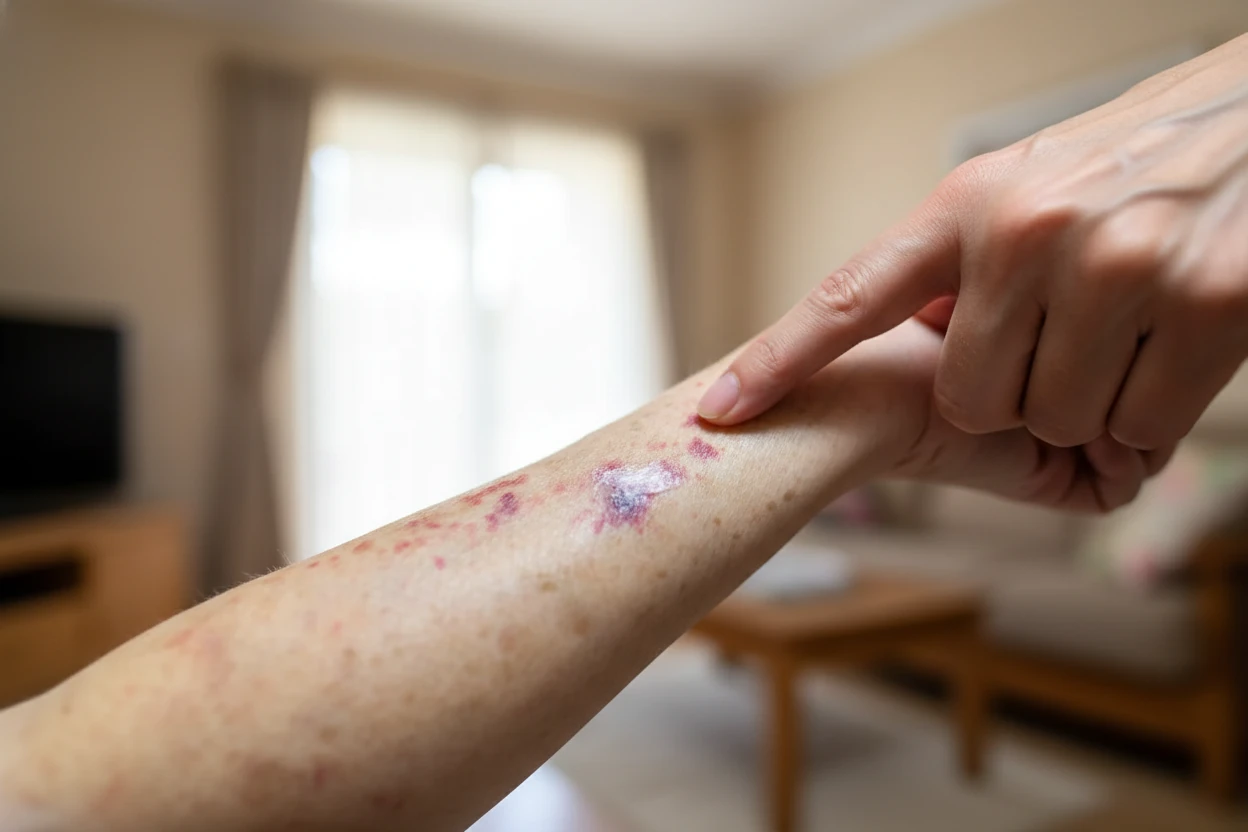
Fungal acne can look like a rash of small pimples that cluster together and itch. Unlike regular acne, fungal acne usually does not cause painful cysts or blackheads3.
- Mild cases may improve with over-the-counter topical antifungal creams or shampoos containing ketoconazole, clotrimazole, or selenium sulfide4
- Topical antifungal shampoos can be used as body washes on affected areas like the chest and back4
- Oral antifungal medications such as fluconazole or itraconazole are often required for more severe or widespread infections8
- Oral antifungals may cause side effects including stomach pain, nausea, diarrhea, and potential liver damage, so medical supervision is important2
- Treatment duration varies but typically lasts several weeks until lesions resolve6
Because the yeast resides deep within hair follicles, topical treatments alone may not always be sufficient, making oral therapy necessary in many cases4. It is important to consult a dermatologist for accurate diagnosis and appropriate treatment, especially if symptoms persist or worsen4.
| Treatment Type | Examples | Notes |
|---|---|---|
| Topical antifungals | Ketoconazole, Clotrimazole | Useful for mild cases; applied daily4 |
| Antifungal shampoos | Selenium sulfide, Ketoconazole | Can be used as body wash4 |
| Oral antifungals | Fluconazole, Itraconazole | For moderate to severe cases; monitor side effects8 |
Prevention Strategies
Preventing fungal acne involves controlling the factors that promote yeast overgrowth and maintaining good skin hygiene. Key prevention tips include:
- Showering promptly and thoroughly after sweating or exercising to remove moisture and yeast4
- Changing into clean, dry clothes after workouts to avoid prolonged dampness4
- Wearing loose, breathable clothing to reduce heat and moisture buildup on the skin4
- Using medicated antifungal washes or shampoos regularly if prone to recurrent fungal acne4
- Avoiding oily skin care products and heavy moisturizers that can feed yeast growth2
- Taking care when shaving, plucking, or waxing to minimize follicle damage2
- Avoiding prolonged use of antibiotics or immunosuppressive medications when possible4
Maintenance therapy with antifungal washes is often recommended for individuals with recurrent fungal acne to prevent flare-ups4. Because Malassezia yeast is a normal skin inhabitant, it cannot be completely eradicated, so ongoing management is essential4.
Key Takeaways
- Fungal acne (Malassezia folliculitis) is a yeast infection of hair follicles that mimics acne but requires antifungal treatment4.
- It presents as itchy, uniform clusters of small red bumps without blackheads or cysts, mainly on the upper body6.
- Risk factors include sweating, oily skin, hot humid climates, tight clothing, antibiotic use, and immunosuppression4.
- Treatment involves topical and often oral antifungal medications, as typical acne treatments are ineffective8.
- Prevention focuses on good hygiene, wearing breathable clothing, and using antifungal washes to control yeast overgrowth4.