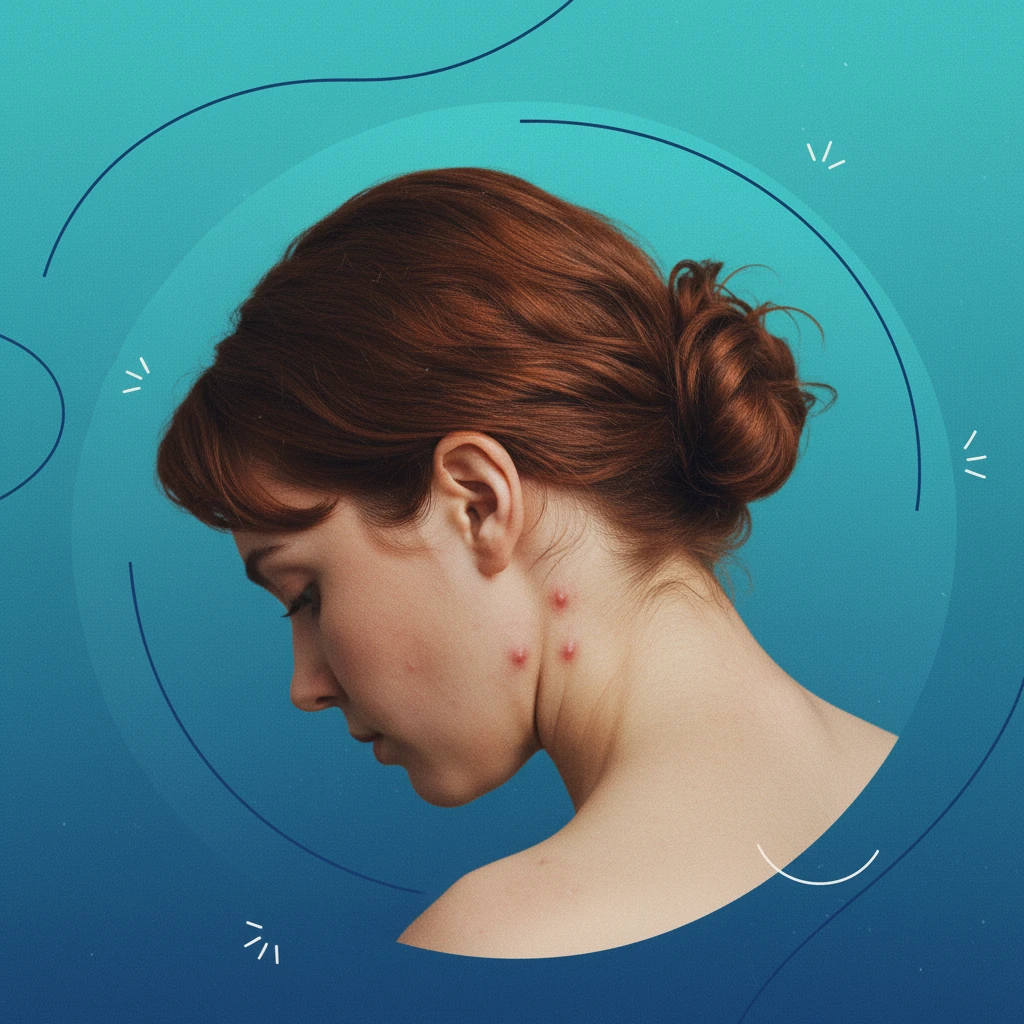
Inflammatory acne-bacne-causes-treatments-and-preventionacne-bacne-causes-treatments-and-preventionacne-treatment-guideacne-treatment-guideacne is a common skin condition that affects millions worldwide, often causing red, swollen, and painful blemishes primarily on the face, chest, back, and shoulders1. It results from clogged pores filled with bacteria, dead skin cells, and excess oil, triggering an immune response that leads to inflammation2. This condition can range from mild to severe and may persist beyond adolescence into adulthood, especially among women3. Effective management involves understanding the types, causes, and treatment options to reduce lesions and prevent complications such as scarring4.
Types of Inflammatory Acne
Inflammatory acne includes several lesion types that differ in size, depth, and severity4. The main types are:
- Papules: Small, raised, red bumps located on the skin's surface; these are superficial inflammatory lesions4.
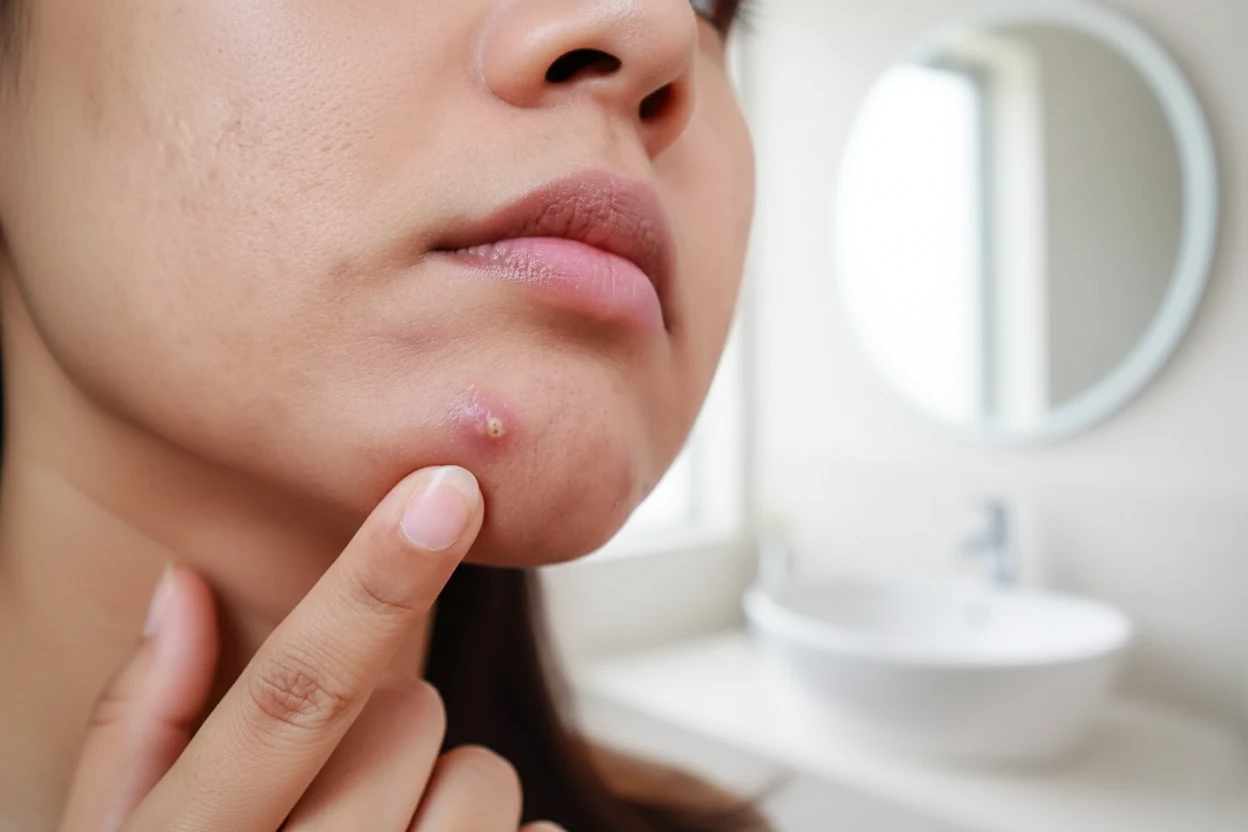
- Pustules: Papules that become filled with pus, appearing as white or yellow-tipped inflamed lesions4.
- Nodules: Large, solid, and painful lumps located deep within the skin, often pink, red, or purple in color4.
- Cysts: The most severe form, cysts are deep, pus-filled, large, and painful lesions beneath the skin surface4.
These lesions represent a spectrum of inflammatory acne severity, with cysts posing the highest risk for scarring4. Inflammatory acne lesions can be isolated or widespread and are often painful due to swelling and immune activation1.
Inflammatory Acne Symptoms
Inflammatory acne is characterized by visible skin changes and discomfort4. Common symptoms include:
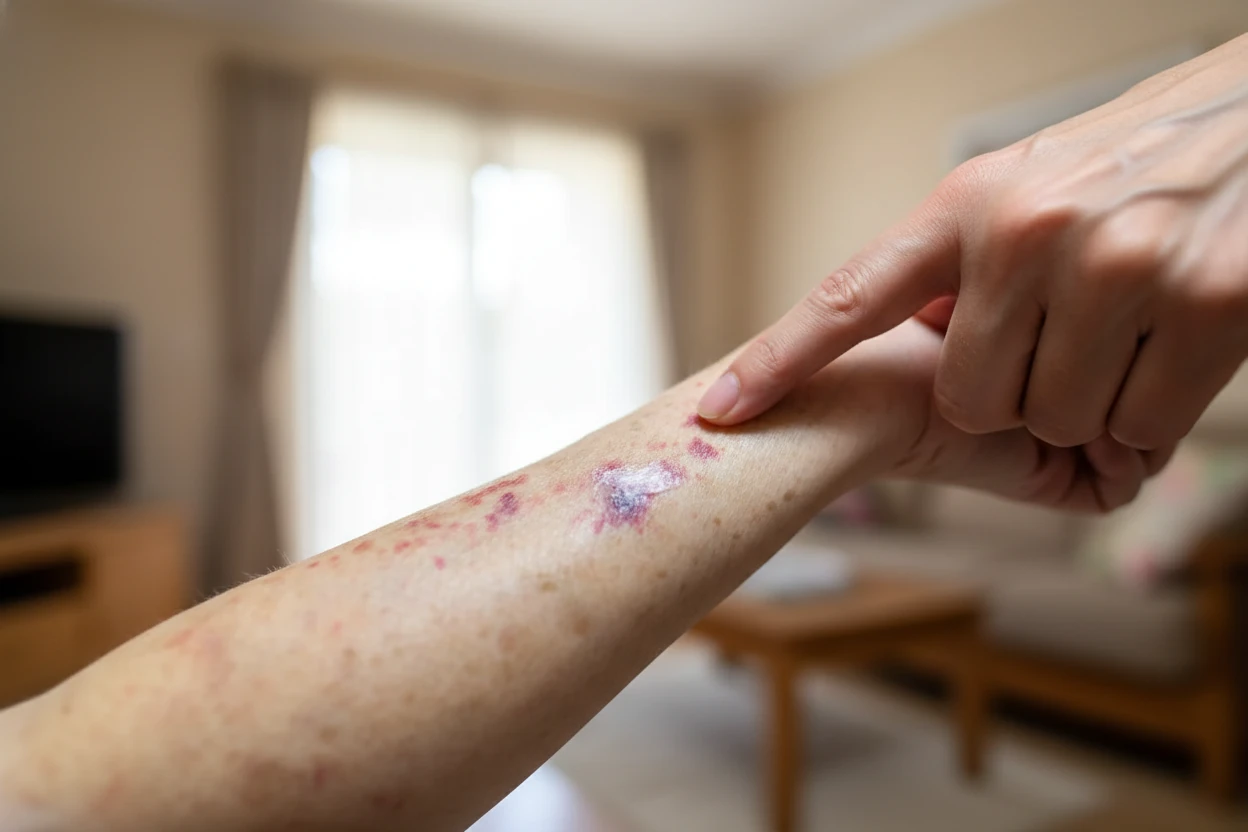
- Red or pink bumps on lighter skin tones and red to purple bumps on darker skin tones5.
- Swollen, tender, or painful lesions due to inflammation4.
- Presence of pus in pustules, nodules, and cysts, which may appear white or yellow4.
- Lesions that may be superficial (papules and pustules) or extend deeper into the dermal layers (nodules and cysts)4.
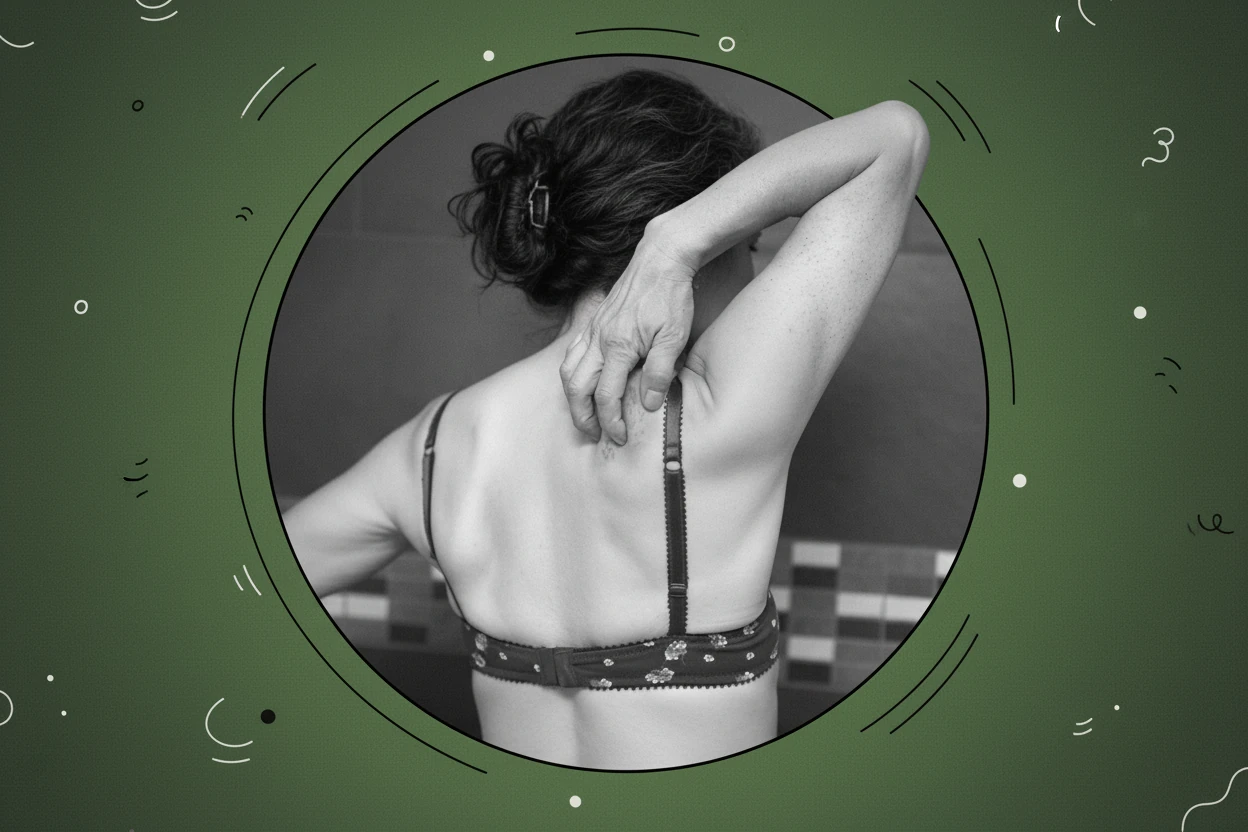
- Frequent occurrence on the face, chest, back, and shoulders5.
Pain is common because of the immune response and swelling around clogged pores4. Larger lesions such as nodules and cysts carry a higher risk of permanent scarring compared to smaller pimples4.
Causes of Inflammatory Acne
Inflammatory acne arises from a complex interaction of factors affecting the pilosebaceous unit (hair follicle and sebaceous gland)3. The key mechanisms include:
- Sebum Overproduction: Androgen hormones stimulate sebaceous glands to produce excess oily sebum, which can clog pores6.
- Follicular Hyperkeratinization: Dead skin cells accumulate and block hair follicles, preventing normal sebum flow3.
- Bacterial Colonization: Cutibacterium acnes (formerly Propionibacterium acnes) bacteria proliferate in clogged pores, triggering inflammation78.
- Immune Activation: The immune system responds to bacterial invasion by sending white blood cells, causing redness, swelling, and pus formation8.
Risk Factors
Several factors increase the likelihood of developing inflammatory acne:
- Hormonal Changes: Puberty, menstrual cycles, pregnancy, and hormonal disorders increase androgen levels, stimulating sebum production69.
- Genetic Predisposition: Up to 80% of acne cases have familial inheritance, indicating a strong genetic component310.
- Diet: High intake of sugars, dairy products, and foods with a high glycemic index may worsen acne in some individuals911.
- Stress: Psychological stress elevates cortisol levels, promoting inflammation and acne flare-ups911.
- Environmental Factors: High humidity, pollution, and friction from helmets or tight clothing can exacerbate acne12.
These factors contribute to pore blockage, bacterial growth, and inflammation, leading to the characteristic lesions of inflammatory acne8.
Diagnosing Inflammatory Acne
Diagnosis of inflammatory acne is primarily clinical and based on physical examination by a dermatologist4. Key diagnostic features include:
- Observation of characteristic lesions such as papules, pustules, nodules, and cysts4.
- Assessment of lesion distribution, commonly on the face, chest, back, and shoulders5.
- Identification of inflammation signs like redness, swelling, and tenderness8.
Laboratory tests or biopsies are generally unnecessary unless an underlying disorder is suspected4. Diagnosis also involves evaluating risk factors such as hormonal changes and family history46.
The pathophysiology involves clogged pores containing hair follicles and sebaceous glands that produce sebum6. Accumulation of sebum, bacteria, and dead cells leads to pore obstruction, inflammation, and rupture, triggering the immune response8.
Inflammatory Acne Treatment
Treatment aims to eliminate existing lesions, reduce inflammation, and prevent new acne formation4. Management depends on acne severity and includes topical and systemic therapies.
Over-the-Counter Acne Treatments
Mild to moderate inflammatory acne often responds well to topical agents available without prescription4. Common over-the-counter (OTC) treatments include:
- Benzoyl Peroxide: An antibacterial and anti-inflammatory agent that kills Cutibacterium acnes and reduces inflammation74.
- Salicylic Acid: A keratolytic agent that exfoliates skin and unclogs pores4.
- Adapalene: A topical retinoid approved by the FDA that normalizes follicular epithelial desquamation and promotes cell turnover13.
- Azelaic Acid: Reduces inflammation, bacterial growth, and pore blockage6.
- Niacinamide: Has anti-inflammatory properties and modulates sebum production14.
- Glycolic Acid: An alpha-hydroxy acid (AHA) that promotes exfoliation and collagen production, beneficial for acne-prone skin4.
Consistent use of these agents is essential, with visible improvement typically seen after 8 to 12 weeks of adherence415.
Prescription Acne Treatments
For moderate to severe inflammatory acne or cases unresponsive to OTC treatments, prescription options include:
- Topical Retinoids: Stronger retinoids to unclog pores and reduce inflammation416.
- Topical Antibiotics: Often combined with benzoyl peroxide to reduce bacterial resistance17.
- Oral Antibiotics: Such as doxycycline or tetracycline to reduce bacterial load and inflammation4.
- Hormonal Therapy: Oral contraceptives or spironolactone for women with hormonal acne416.
- Isotretinoin: A powerful oral retinoid reserved for severe, resistant acne; it can lead to long-term remission but requires monitoring for side effects411.
Light Therapy
Light-based treatments use lasers or blue light to reduce inflammation and kill acne-causing bacteria42. These therapies may be used alone or alongside medications for moderate to severe acne17.
Cortisone Shots
Intralesional corticosteroid injections can rapidly shrink large, painful cysts or nodules by reducing inflammation42. This procedure helps prevent scarring and provides quick relief.
“I often recommend a topical retinoid cream to unclog pores and exfoliate the skin. Retinoids also have some anti-inflammatory effects, and they increase the rate at which our skin cells divide. This helps to heal the skin faster. Many over-the-counter treatments contain retinoids.”
— Mary Sheu, Johns Hopkins Dermatology and Cosmetic Center16
Preventing Inflammatory Acne
Prevention focuses on skincare hygiene, lifestyle modifications, and avoiding triggers that worsen acne4. Effective strategies include:
- Gentle cleansing twice daily with pH-balanced, non-irritating products412.
- Using oil-free, noncomedogenic moisturizers and sunscreens to avoid pore blockage417.
- Avoiding picking, squeezing, or popping acne lesions to reduce infection and scarring risk41.
- Showering and washing hair after sweating or exercise to remove sweat and oils4.
- Minimizing skin contact and avoiding friction or pressure from tight clothing or helmets412.
- Adopting a balanced diet low in processed sugars and dairy, rich in fruits, vegetables, whole grains, and healthy fats911.
- Managing stress through relaxation techniques to reduce inflammation-related flare-ups9.
Consistency in skincare and lifestyle habits is crucial, as acne improvement may take several weeks to months4.
Complications of Inflammatory Acne
Inflammatory acne can lead to several complications, especially if untreated or aggravated by improper care4. These include:
- Postinflammatory Hyperpigmentation: Darkened skin patches that may persist for months or years, more common in darker skin types4.
- Postinflammatory Erythema: Red or pink discoloration remaining after acne inflammation, more noticeable in lighter skin4.
- Scarring: Various scar types can develop, including:
- Ice-pick scars: Narrow, deep puncture-like marks4.
- Rolling scars: Broad, shallow depressions with a wave-like appearance4.
- Boxcar scars: Round or oval depressions with sharp edges4.
- Hypertrophic scars: Raised scars from excess collagen, appearing within 1-2 months post-lesion4.
-
Keloids: Raised scars extending beyond the original wound, developing over several months4.
-
Emotional and Psychological Impact: Acne and scarring may cause anxiety, lowered self-esteem, depression, and social difficulties17.
Preventive skincare and early treatment reduce the risk of these complications4.
Key Points About Inflammatory Acne
- Inflammatory acne involves red, swollen, and often painful lesions including papules, pustules, nodules, and cysts4.
- It results from clogged pores with excess sebum, bacteria, and dead skin cells triggering immune inflammation38.
- Hormonal changes, genetics, diet, and stress are significant risk factors39.
- Treatment includes topical OTC agents like benzoyl peroxide and salicylic acid, prescription medications, light therapy, and cortisone injections417.
- Prevention relies on gentle skincare, lifestyle changes, and avoiding lesion manipulation to reduce flare-ups and scarring41.
Inflammatory acne causes red, swollen, painful blemishes on the skin, often on the face, back, chest, and shoulders. These lesions contain bacteria, pus, dead skin cells, and excess oil, making them inflamed and often painful. Consistent treatment and prevention strategies can help many people achieve clearer skin over several months12.
Frequently Asked Questions
What causes inflammatory acne?
Inflammatory acne is caused by clogged pores filled with excess oil, dead skin cells, and bacteria, which trigger an immune response leading to redness, swelling, and pus formation81.
How is inflammatory acne diagnosed?
Diagnosis is clinical, based on the appearance of characteristic lesions such as papules, pustules, nodules, and cysts, along with patient history and risk factors4.
What are effective over-the-counter treatments for inflammatory acne?
Common OTC treatments include benzoyl peroxide, salicylic acid, adapalene, azelaic acid, niacinamide, and glycolic acid, which help reduce bacteria, inflammation, and clogged pores4136.
When should I see a dermatologist for acne?
If acne is severe, persistent, causes scarring, or does not improve with OTC treatments after several weeks, consulting a dermatologist is important for tailored therapy416.
Can inflammatory acne cause permanent scars?
Yes, especially larger lesions like nodules and cysts can lead to various types of scars if not treated properly or if lesions are picked or squeezed418.