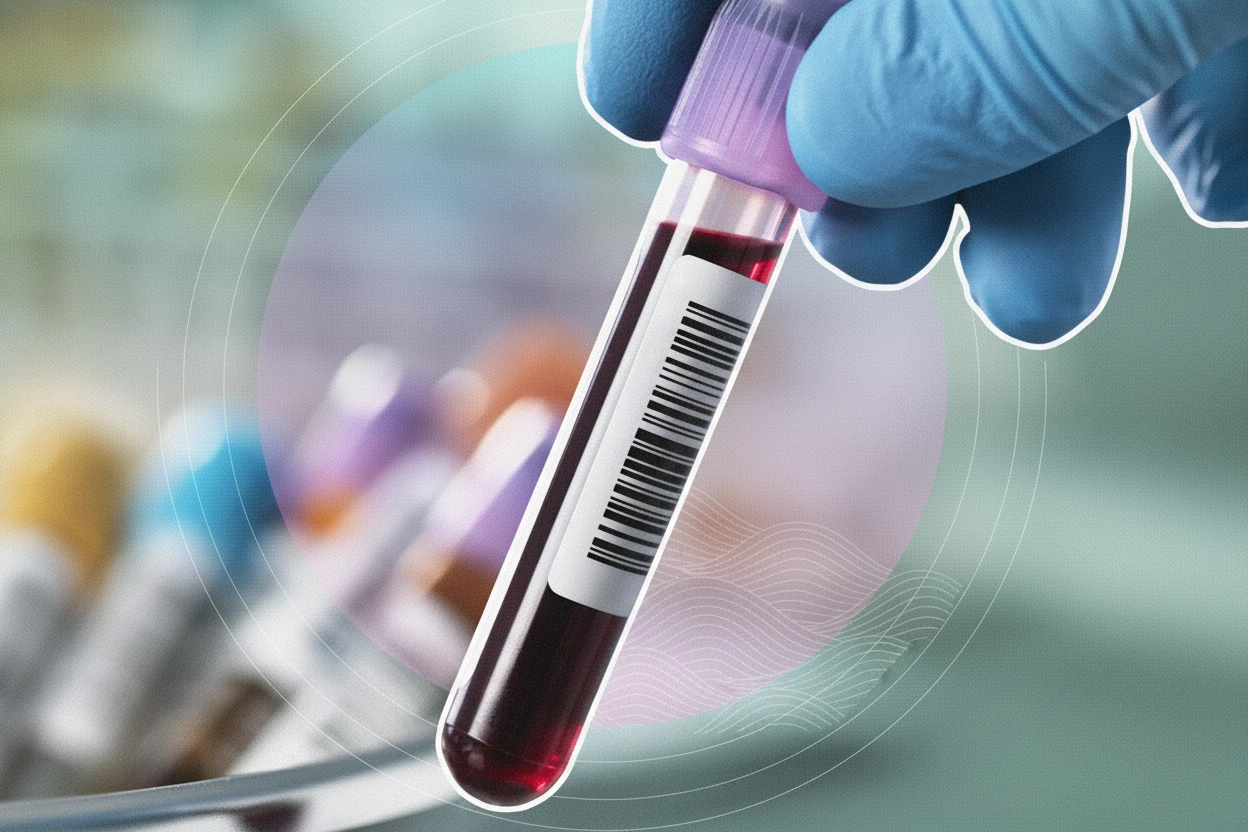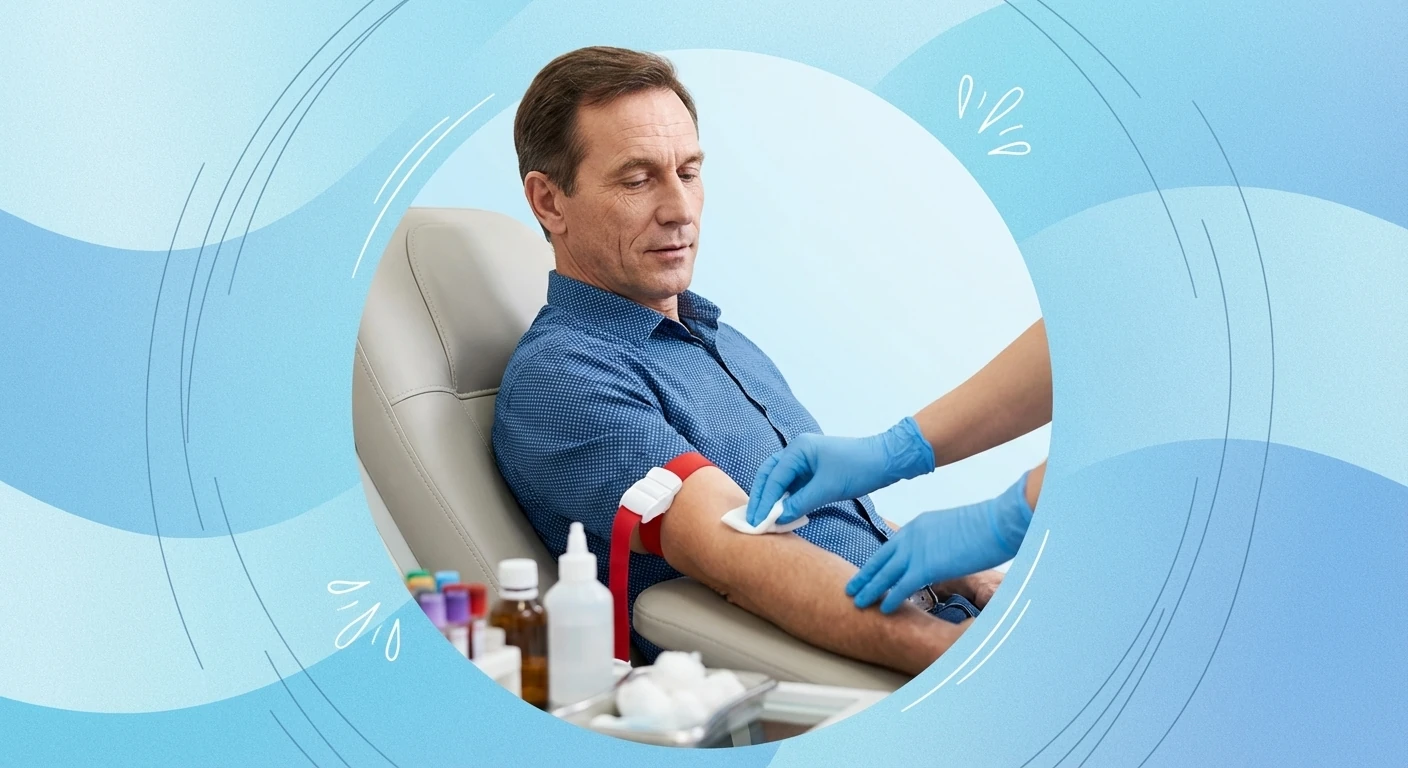
Anemia affects about one-third of the global population, with the highest rates among children under five, women of reproductive age, and pregnant women, especially in low-income regions1. This condition reduces the blood's ability to carry oxygen, leading to fatigue, weakness, and impaired organ function2. If untreated, anemia can cause serious health problems including cardiovascular complications and adverse pregnancy outcomes34. Understanding the types, symptoms, causes, diagnosis, and treatment options is essential to manage anemia effectively and improve quality of life5.
Types of Anemia
Anemia is a condition characterized by a deficiency in healthy red blood cells or hemoglobin, which impairs oxygen delivery to body tissues2. It can be classified into various types based on cause and red blood cell morphology5. Below are some common types:
Iron Deficiency Anemia
Iron deficiency anemia is the most common type worldwide and results from insufficient iron to produce hemoglobin6. Causes include dietary iron insufficiency, chronic blood loss, and malabsorption disorders7. Approximately 30% of women and children globally are affected by this anemia6. Symptoms may include fatigue, pale skin, brittle nails, and restless legs syndrome68. During pregnancy, iron deficiency anemia is linked to preterm birth and low birth weight4. Though rarely fatal, untreated iron deficiency anemia can worsen other diseases and reduce treatment effectiveness9.
Pernicious Anemia
Pernicious anemia arises from autoimmune destruction of stomach cells that produce intrinsic factor, a protein essential for vitamin B12 absorption510. Without vitamin B12, red blood cell production is impaired, leading to anemia11. This type can cause neurological symptoms and requires lifelong vitamin B12 supplementation10.
Aplastic Anemia
Aplastic anemia is a rare but serious condition where the bone marrow fails to produce enough new blood cells, including red blood cells11. Causes include infections, autoimmune diseases, exposure to toxins, radiation, chemotherapy, and certain medications512. This anemia can be life-threatening due to severe blood cell deficiency11.
Hemolytic Anemia
Hemolytic anemia results from increased destruction of red blood cells faster than the bone marrow can replace them5. Causes include inherited disorders like sickle cell disease and glucose-6-phosphate dehydrogenase (G6PD) deficiency, autoimmune diseases, infections, toxins, and certain medications125. Sickle cell anemia is a common inherited hemolytic anemia characterized by abnormally shaped red blood cells that die prematurely12.
Anemia Symptoms and Signs
Symptoms of anemia vary depending on severity and how quickly it develops5. Mild anemia may be asymptomatic or cause subtle signs6. Common early symptoms include pallor (pale skin) and fatigue6. As anemia progresses, symptoms become more pronounced and can affect multiple organ systems5.
Signs and symptoms include:
- Fatigue, weakness, and shortness of breath211
- Pale or yellowish skin and mucous membranes213
- Dizziness or lightheadedness, especially when standing214
- Headaches and irritability11
- Brittle, spoon-shaped nails in chronic iron deficiency anemia6
- Glossitis (inflamed tongue), dry mouth, and oral ulcers in advanced anemia5
- Cold hands and feet and restless legs syndrome68
- Cardiovascular symptoms such as irregular heartbeat, heart murmurs, and chest pain in severe anemia due to increased cardiac workload515
Severe anemia can lead to serious complications including arrhythmias, cardiomegaly (enlarged heart), heart failure, and organ dysfunction15.
“It is frequently mild with hemoglobin levels just a gram or so below the normal range, but its presence has been linked to a variety of adverse outcomes, including falls, fractures, worsening underlying medical conditions, dementia, placement in long-term care, and death.”
— William B. Ershler, Inova14
Common Causes of Anemia
Anemia results primarily from three mechanisms: decreased red blood cell production, increased destruction, or blood loss5. Impaired erythropoiesis (red blood cell formation) due to nutrient deficiencies or absorption problems is a common cause12. Hemolytic anemias involve increased red blood cell destruction5. Chronic blood loss, such as from menstruation or gastrointestinal bleeding, is another frequent cause7.
Risk Factors
Several factors increase the risk of developing anemia:
- Nutritional deficiencies, especially iron, vitamin B12, and folate57
- Chronic diseases including kidney disease, cancer, and inflammatory conditions1216
- Genetic disorders such as sickle cell disease and thalassemia1213
- Gastrointestinal disorders that impair nutrient absorption, like celiac disease and inflammatory bowel disease78
- Blood loss from heavy menstruation, ulcers, or surgery78
- Exposure to toxins and certain medications, including chemotherapy and radiation512
- Infections such as Epstein-Barr virus (EBV) and Helicobacter pylori that suppress bone marrow or cause chronic inflammation1718
- Pregnancy, due to increased blood volume and nutrient demands194
- Age, with higher anemia prevalence in older adults2014
Diagnosing Anemia
Diagnosis begins with a physical examination looking for pallor and nail changes21. Medical and family histories are important to identify potential causes5. Laboratory tests confirm anemia and help classify its type7.
Key diagnostic tests include:
- Complete blood count (CBC) to measure hemoglobin, hematocrit, red blood cell count, mean corpuscular volume (MCV), mean corpuscular hemoglobin (MCH), and mean corpuscular hemoglobin concentration (MCHC)57
- Peripheral blood smear to examine red blood cell shape and size11
- Serum ferritin, serum iron, total iron-binding capacity (TIBC), and transferrin saturation to assess iron status8
- Vitamin B12 and folate levels to detect nutritional deficiencies5
- Bone marrow aspiration and biopsy when peripheral tests are inconclusive, to evaluate marrow function and detect marrow diseases5
These tests help differentiate between microcytic, normocytic, and macrocytic anemias and identify underlying causes7.
Anemia Treatment Options
Treatment depends on the anemia type, severity, and underlying cause5. The goals are to restore hemoglobin levels, relieve symptoms, and prevent complications7.
Diet
Dietary changes focus on increasing intake of iron, vitamin B12, folate, and other nutrients essential for red blood cell production7. Both animal and plant foods provide dietary iron, but heme iron from animal sources is absorbed more efficiently (15-35%) than non-heme iron from plants (2-20%)7. Consuming vitamin C-rich foods alongside iron-rich foods enhances iron absorption78.
Supplements
Nutritional anemias often respond well to supplementation:
- Oral iron supplements are the mainstay for iron deficiency anemia, typically 150-200 mg elemental iron daily78
- Vitamin B12 injections or oral supplements for pernicious anemia and other B12 deficiencies510
- Folic acid supplements for folate deficiency anemia5
Intravenous iron may be necessary for patients with severe deficiency, malabsorption, or intolerance to oral iron8.
Medications
Medications may include erythropoiesis-stimulating agents (e.g., erythropoietin) to boost red blood cell production in chronic kidney disease or chemotherapy-induced anemia225. Immunosuppressants may be used in autoimmune hemolytic anemia11.
Blood Transfusions
Transfusions provide immediate correction of severe anemia, especially in cases of active bleeding or symptomatic anemia with chest pain or shortness of breath523. However, transfusions do not treat the underlying cause and carry risks such as infections and iron overload24.
Blood and Bone Marrow Transplants
Bone marrow transplantation is an option for severe aplastic anemia or inherited marrow failure syndromes511. Stem cell transplants can restore normal blood cell production11.
Surgery
Surgical interventions may be required to control sources of chronic blood loss, such as uterine fibroids causing menorrhagia or gastrointestinal bleeding lesions75.
Early treatment of anemia enhances energy, activity, and quality of life. Addressing the root cause and preventing complications are key treatment objectives.56
Preventing Anemia
Prevention strategies focus on adequate nutrition and managing risk factors5. Nutritional anemias can often be prevented by:
- Consuming iron-rich foods such as meat, poultry, fish, legumes, leafy greens, and iron-fortified cereals78
- Including vitamin C-rich foods to improve iron absorption7
- Avoiding excessive intake of substances that inhibit iron absorption, like tea, coffee, and calcium supplements taken with iron713
- Managing heavy menstrual bleeding and other causes of blood loss7
- Preventing infections through hygiene, vaccination, and prompt treatment1713
Chronic anemias related to diseases often require ongoing care rather than prevention12.
Conditions Related to Anemia
Anemia is frequently associated with chronic diseases and can complicate their management:
- Cardiovascular diseases: Anemia increases cardiac workload and is common in heart failure and acute coronary syndromes15
- Chronic obstructive pulmonary disease (COPD): Up to one-third of COPD patients have anemia, worsening symptoms and prognosis12
- Hypothyroidism: Anemia is often observed, though the exact link is unclear5
- Hypertension: Anemia prevalence is increased in hypertensive patients and may be associated with elevated blood pressure25
- Infections and inflammation: Chronic infections like HIV and EBV can cause anemia through bone marrow suppression and immune dysregulation1718
Managing anemia in these conditions can improve overall health outcomes3.
“Anemia is a problem of not having enough healthy red blood cells or hemoglobin to carry oxygen to the body's tissues.”
— William B. Ershler, Inova14
Managing Life with Anemia
Living with anemia requires ongoing management to reduce symptoms and prevent complications. Early detection and treatment improve quality of life and reduce risks of organ damage36. Patients should:
- Follow prescribed treatments and nutritional recommendations7
- Monitor symptoms such as fatigue, shortness of breath, and palpitations2
- Manage underlying chronic conditions effectively12
- Seek regular medical follow-up to adjust therapy as needed5
Physical activity and a balanced diet support better energy levels. In severe cases, specialized care including transfusions or bone marrow transplantation may be necessary5.