Blood clots in stool are a sign of bleeding somewhere in the gastrointestinal (GI) tract and can indicate a range of health issues, from minor conditions to serious diseases1. The size, color, and appearance of these clots provide important clues about the location and severity of the bleeding2. Understanding the causes and appropriate treatments of blood clots in stool is essential for timely medical care and better outcomes3.
Blood Clots Explained
Blood clots in stool are formed when blood leaks into the GI tract and coagulates before being passed out of the body4. A blood clot is a semi-solid mass made up of aggregated blood cells and proteins that normally function to stop bleeding at injury sites5. The presence of blood clots in stool indicates gastrointestinal bleeding, which may vary in appearance depending on the bleeding site and speed4.
What Does a Blood Clot in the Stool Look Like?
Blood clots in stool can vary widely in size, from small specks to large lumps, sometimes as big as a silver dollar1. They may appear as gel-like masses mixed into or adhered to the surface of the stool4. The color of the blood clot can range from bright red to dark red or black, depending on where the bleeding originates in the digestive tract. Bright red clots usually indicate bleeding in the lower GI tract, such as the rectum or anus, while darker or tarry clots suggest bleeding higher up, such as in the stomach or small intestine2. Rapid bleeding often results in liquid blood rather than clots, and medications like anticoagulants can reduce clot formation, causing blood to appear more liquid in the stool65.
Common Causes of Blood Clots in Stool
Blood clots in stool can result from a variety of gastrointestinal conditions. Some causes are minor and resolve with treatment, while others may require ongoing medical management4. Below are the most common causes:
Hemorrhoids
Hemorrhoids are swollen and inflamed veins located in the anus and lower rectum4. They are the leading cause of acute lower gastrointestinal bleeding6. Risk factors include straining during bowel movements, constipation, and heavy lifting4. Symptoms often include pain, itching, and bleeding. When hemorrhoids burst or become thrombosed (clotted), they can cause blood clots in the stool42.
Anal Fissures
Anal fissures are small tears in the lining of the anus caused by straining, passing hard stools, or prolonged diarrhea4. They cause sharp pain during and after bowel movements and may result in bright red blood and blood clots in the stool41.
Diverticular Disease
Diverticular disease involves the formation of small pouches (diverticula) in the colon wall4. When these pouches become inflamed or infected, the condition is called diverticulitis, which can cause significant bleeding and blood clots in the stool1. Diverticular bleeding is a common cause of large amounts of blood in stool with bright or dark red clots3.
Inflammatory Bowel Disease
Inflammatory bowel disease (IBD), including Crohn’s disease and ulcerative colitis, causes chronic inflammation of the digestive tract lining4. IBD can lead to bloody diarrhea, rectal bleeding, and blood clots in the stool. The color of the clots may vary from bright red if bleeding is in the lower colon or rectum to darker red or black if bleeding is higher up21.
Gastroenteritis
Gastroenteritis is an infection of the stomach or intestines caused by viruses or bacteria4. It can cause bloody diarrhea and multiple dark red or tarry blood clots in the stool, sometimes mixed with mucus21.
Ischemic Colitis
Ischemic colitis occurs when blood flow to the colon is reduced or blocked, causing injury to the colon lining7. Symptoms include abdominal pain, tenderness, and bloody diarrhea with bright red or maroon blood clots27.
Peptic Ulcer Disease
Peptic ulcers are open sores in the lining of the stomach, esophagus, or small intestine8. They can cause internal bleeding that appears as dark, tarry stools or blood clots in the stool. Symptoms may include abdominal pain, bloating, weight changes, and recurrent episodes of vomiting blood81.
Colon Cancer
Colon cancer can cause bleeding when blood vessels feeding the tumor rupture7. This bleeding may produce bright red or dark blood clots mixed with mucus in the stool. Other symptoms include changes in bowel habits, abdominal pain, weakness, fatigue, and unintentional weight loss279.
Severity and When to Seek Help
Blood clots in stool can indicate anything from minor irritation to serious medical conditions requiring urgent care4. Larger blood clots suggest more significant bleeding and should prompt medical evaluation2. The presence of systemic symptoms such as difficulty breathing, shortness of breath, lightheadedness, rapid heart rate, or weakness indicates significant blood loss and requires immediate medical attention6410.
Seek emergency care if you notice:
- Large amounts of blood or multiple blood clots in stool10
- Active rectal bleeding or blood mixed with mucus11
- Symptoms of anemia such as fatigue, weakness, or shortness of breath6
- Severe abdominal pain or persistent changes in bowel habits10
Diagnostic Procedures
Diagnosing the cause of blood clots in stool involves a thorough medical history, physical examination, and various diagnostic tests4. These procedures help locate the bleeding source and guide appropriate treatment64.
Common diagnostic tests include:
- Stool tests to detect blood, bacteria, viruses, and parasites4
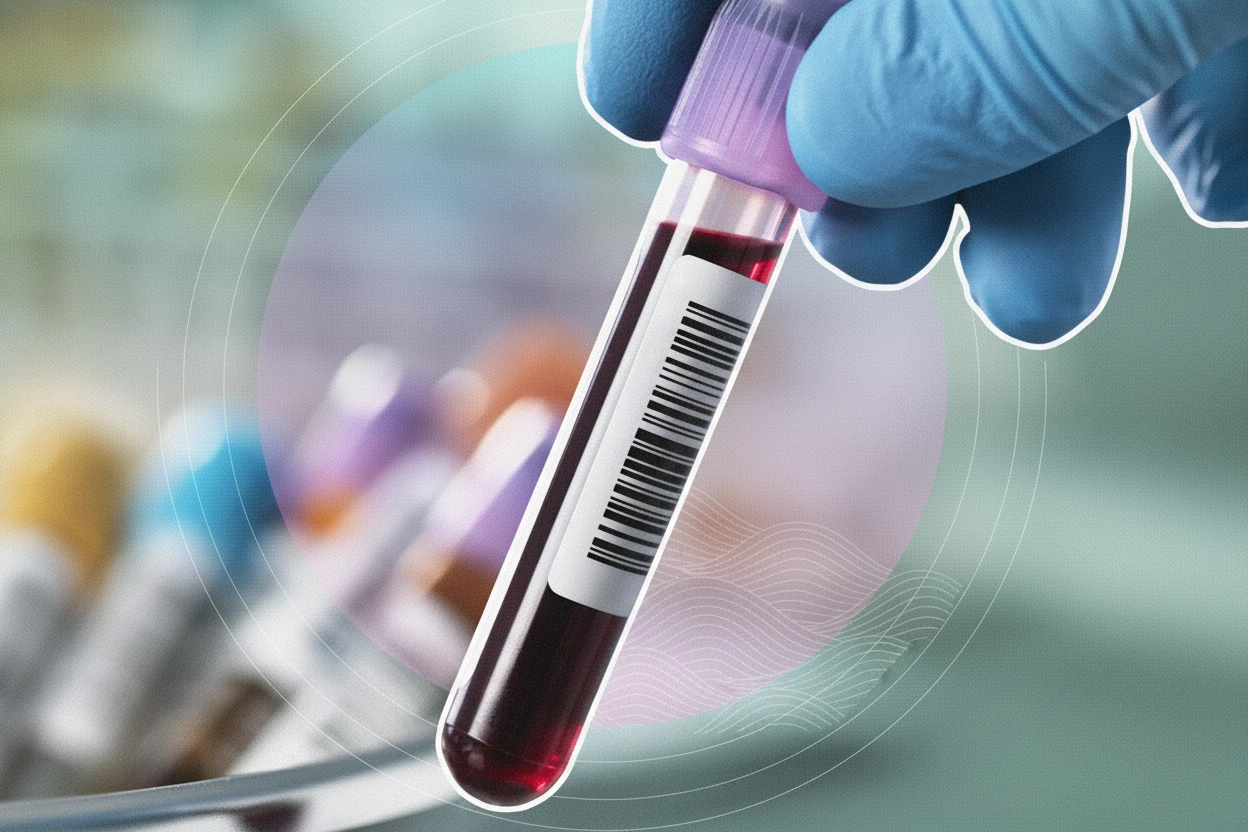
- Blood tests to assess anemia, infection, and inflammation markers4
- Colonoscopy to visualize the rectum and colon for bleeding and abnormalities4
- Sigmoidoscopy to examine the rectum and lower colon4
- Abdominal CT scan to provide detailed 3D images of the GI tract and identify bleeding sources4
These tests are essential to differentiate between minor causes like hemorrhoids and serious conditions such as colon cancer or peptic ulcers64.
Treatment Options
Treatment for blood clots in stool depends on the underlying cause and severity of bleeding4. Management ranges from lifestyle changes and medications to minimally invasive procedures or surgery for severe cases6.
- Hemorrhoids: Lifestyle modifications such as a high-fiber diet and adequate hydration can reduce symptoms. Over-the-counter (OTC) medications may relieve pain and itching. Minimally invasive procedures or surgery may be necessary for severe or thrombosed hemorrhoids4.
- Anal Fissures: Dietary changes and stool softeners help prevent straining. Sitz baths and topical lidocaine can relieve pain. Botox injections may be used for chronic fissures4.
- Diverticular Disease: Treatment may include blood transfusions, antibiotics, and pain relief. Severe bleeding may require electrocauterization or surgery4.
- Inflammatory Bowel Disease: Management includes anti-inflammatory medications, immunosuppressants, and sometimes surgery12.
- Peptic Ulcer Disease: Treatment involves medications to reduce stomach acid and protect the lining, along with antibiotics if caused by infection8.
- Colon Cancer: Treatment options include surgery, chemotherapy, and radiation depending on the stage9.
Summary and Key Takeaways
- Blood clots in stool indicate gastrointestinal bleeding and can vary in size and color depending on the bleeding source42.
- Common causes include hemorrhoids, anal fissures, diverticular disease, inflammatory bowel disease, gastroenteritis, ischemic colitis, peptic ulcers, and colon cancer642.
- Bright red clots usually come from lower GI bleeding, while dark or tarry clots suggest upper GI bleeding2.
- Large blood clots or associated symptoms like shortness of breath and weakness require urgent medical evaluation610.
- Diagnosis involves stool and blood tests, colonoscopy, and imaging to identify the bleeding source4.
- Treatment is tailored to the cause and may include lifestyle changes, medications, minimally invasive procedures, or surgery64.