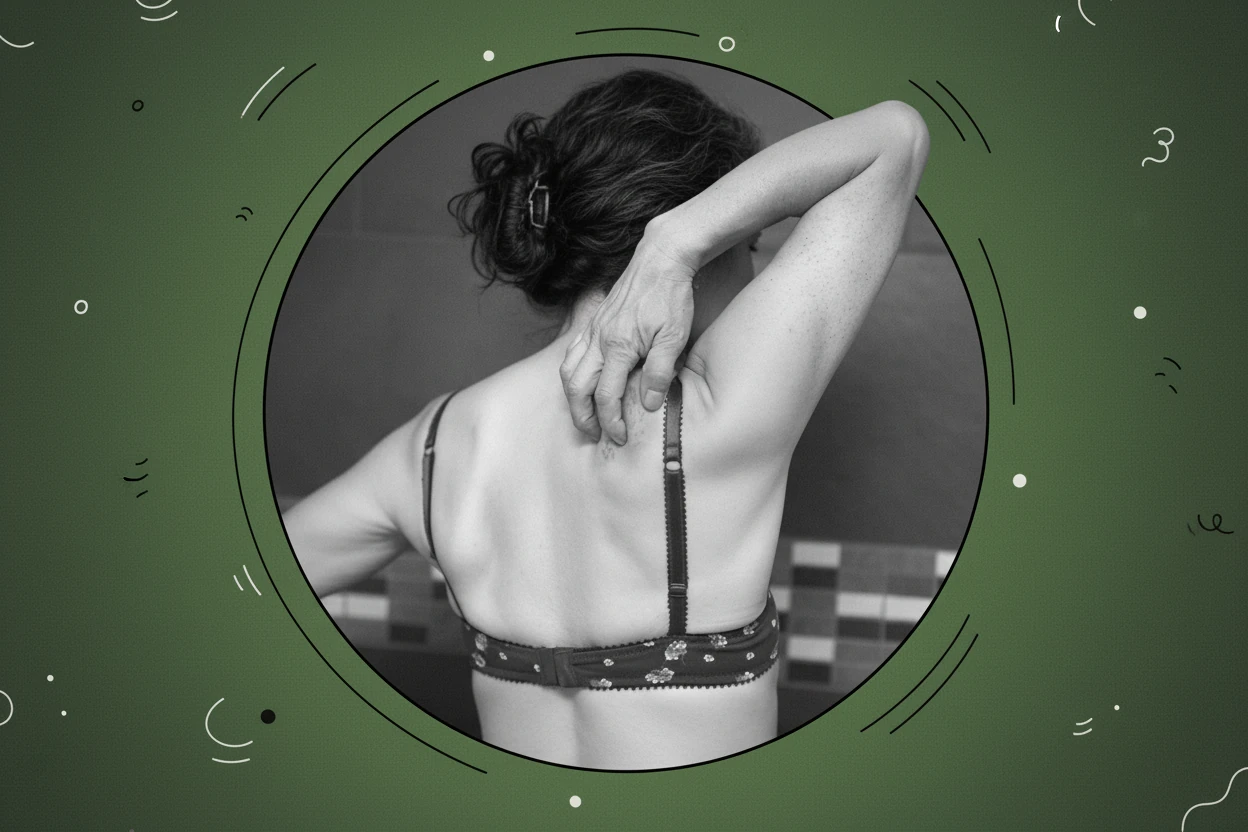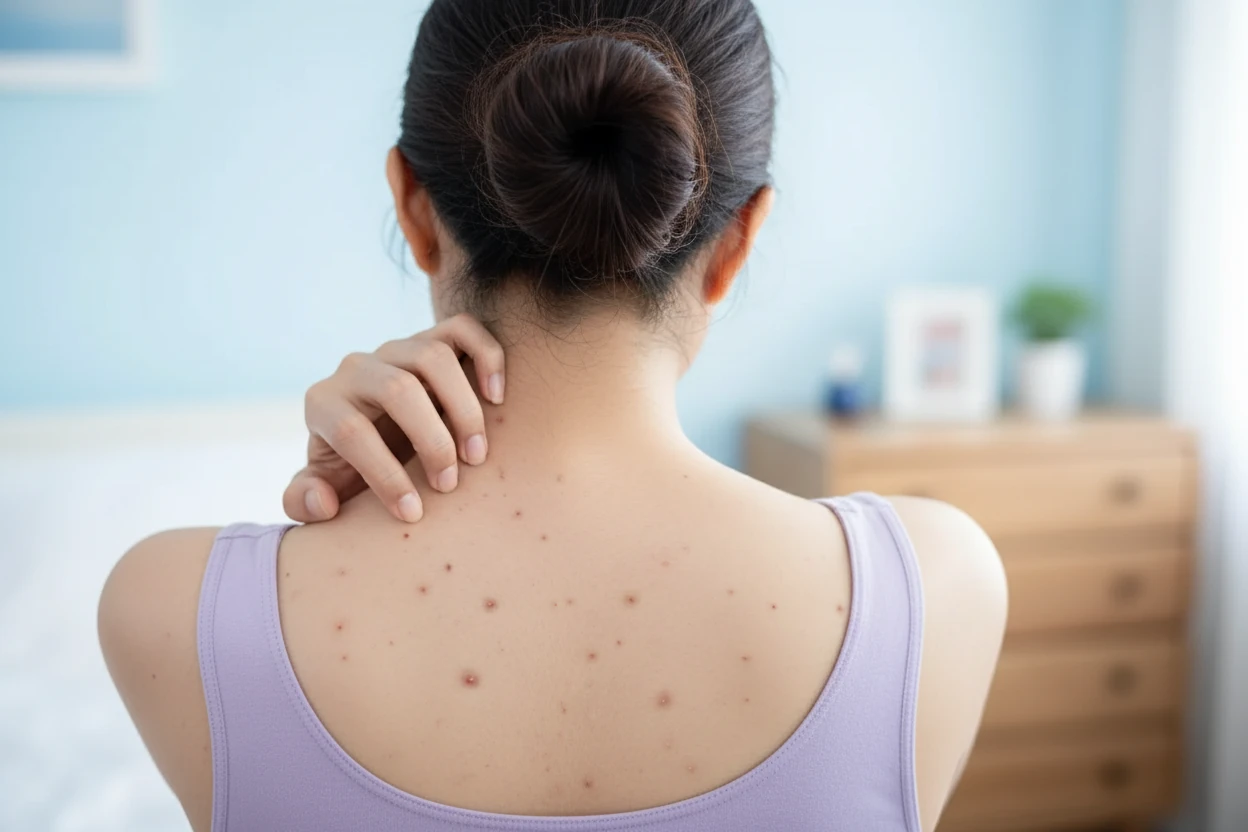
Back acne-breakouts-the-connectionacne-treatment-guideacne-treatment-guideacne, commonly known as bacne, affects many people, especially teenagers and young men. It develops when sweat, oil, dead skin cells, and bacteria get trapped in the pores on the back, often worsened by friction from backpacks, sweaty clothing, or sports gear1. This condition can cause red bumps, whiteheads, or blackheads and may lead to discomfort and emotional distress1. Understanding the causes, types, and treatment options is essential to managing bacne effectively.
What is Back Acne (Bacne)? Understanding This Common Skin Condition
Back acne is a form of acne vulgaris, a chronic inflammatory disease affecting the pilosebaceous units—structures consisting of hair follicles and sebaceous (oil) glands2. It occurs when hair follicles become clogged with excess sebum (oil), dead skin cells, and bacteria, primarily Cutibacterium acnes (formerly Propionibacterium acnes)23. These clogged pores lead to the formation of various acne lesions.
Back acne is common in sebaceous gland-rich areas, including the face, chest, and back2. It is especially prevalent among adolescents, with over 85% of teenagers experiencing acne at some point4. However, back acne also affects adults and can cause significant social and psychological burdens5. Sweat trapped under tight clothing or sports equipment can worsen the condition by increasing friction and pore blockage1.
💡 Did You Know? Back acne develops when sweat, oil, dead skin cells, and bacteria get trapped in your skin's pores. Backpacks, sweaty shirts, or sports equipment can create friction on your back and worsen back acne1.
Identifying Different Types of Back Acne: Cysts, Pustules, & More
Back acne lesions can be divided into two main categories: inflammatory and non-inflammatory6.
- Non-inflammatory lesions include:
- Open comedones (blackheads): These occur when the hair follicle is partially blocked, allowing oxidation that turns the clogged material black3.
-
Closed comedones (whiteheads): These form when the follicle is completely blocked, trapping oil and dead skin cells beneath the surface3.
-
Inflammatory lesions include:
- Papules: Small, red, raised bumps caused by inflamed or infected hair follicles3.
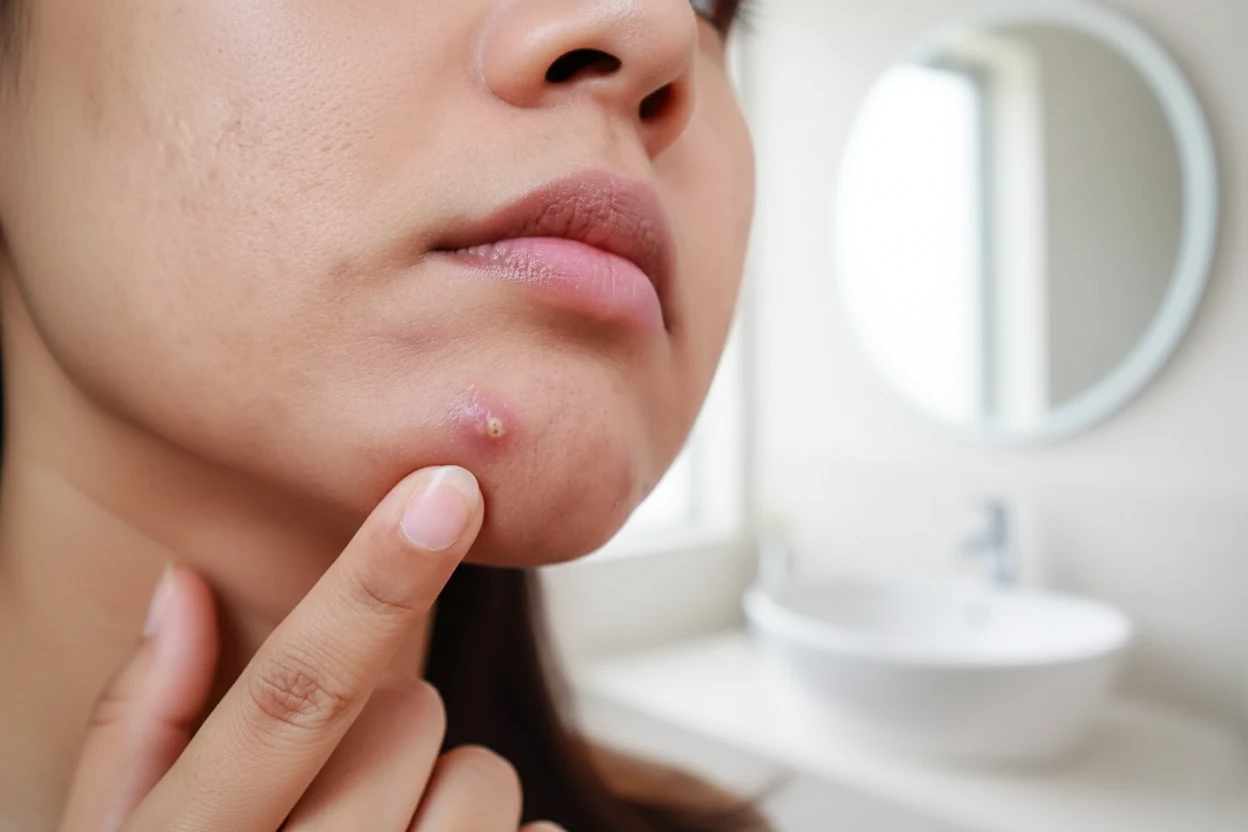
- Pustules: Red, tender bumps with white pus at their tips3.
- Nodules: Large, solid, painful lumps beneath the skin surface3.
- Cysts: Large, pus-filled painful lumps that can cause scarring3.
Back acne can range from mild forms with a few whiteheads and blackheads to severe cystic acne that causes permanent skin damage and emotional distress3. The presence of nodules and cysts often indicates a more severe form requiring medical intervention.
Common Causes of Bacne: Hormones, Sweat, & Lifestyle Factors
The development of back acne involves multiple factors, including genetic, hormonal, microbial, and environmental influences7. The condition results from the following key mechanisms:
- Excess sebum production: Androgens (male hormones) stimulate the sebaceous glands to produce more oil, which can clog pores8.
- Abnormal keratinization: Hyperproliferation of skin cells lining the hair follicle leads to blockage of the follicle opening2.
- Bacterial colonization: Cutibacterium acnes bacteria thrive in clogged follicles, triggering inflammation2.
- Inflammatory response: The immune system reacts to bacterial growth and follicular rupture, causing redness and swelling2.
Additional factors that can worsen back acne include:
- Friction and pressure from tight clothing, backpacks, or sports equipment, known as acne mechanica3.
- Sweat trapped under clothing, especially during exercise, increasing pore blockage and irritation1.
- Psychological stress, which can exacerbate acne by influencing hormone levels and inflammation9.
- Diets high in glycemic index foods, which increase insulin and insulin-like growth factor 1 (IGF-1), promoting sebum production8.
- Use of pore-clogging skin or hair products and certain medications like corticosteroids1.
Back acne is more common in teenagers and young men but can affect individuals of all ages. Women may experience higher prevalence after age 25 due to hormonal fluctuations10.
Effective Back Acne Treatment Options: Topical, Oral & Advanced Therapies
Treating back acne requires a combination of approaches targeting the underlying causes: excess oil, clogged pores, bacteria, and inflammation3. Treatment options vary based on acne severity.
OTC Treatment
Mild back acne can often be managed with over-the-counter (OTC) products that help unclog pores and reduce bacteria:
- Benzoyl peroxide (BPO): A widely used topical agent that kills acne-causing bacteria and reduces inflammation. Products with 5.3% BPO are effective and less irritating for back skin1112.
- Salicylic acid: A beta hydroxy acid that exfoliates dead skin cells and helps clear clogged pores13.
- Alpha hydroxy acids (AHAs): Promote skin cell turnover and reduce comedones3.
- Adapalene 0.1% gel: A topical retinoid that unclogs pores and improves treatment outcomes when combined with benzoyl peroxide12.
- Gentle cleansing: Using oil-free body washes with acne-fighting ingredients and avoiding harsh scrubbing helps maintain skin barrier function14.
Additional lifestyle measures include wearing loose-fitting, sweat-wicking clothing, showering immediately after exercise, and avoiding backpacks or gear that cause friction1215.
Prescription Treatment
For moderate to severe back acne or cases unresponsive to OTC treatments, dermatologists may recommend:
- Topical retinoids: Prescription-strength retinoids improve cell turnover and prevent follicle blockage3.
- Topical or oral antibiotics: Reduce bacterial colonization and inflammation3.
- Hormonal therapy: For women, birth control pills or anti-androgen medications can regulate hormone-driven sebum production16.
- Oral isotretinoin: A powerful systemic retinoid used for severe, cystic acne that reduces sebum production and inflammation3.
- Physical treatments: Laser therapy, light therapy, or dermabrasion may be used to reduce acne lesions and scars17.
Treatment results may take 6 to 8 weeks to become noticeable, with full clearing often requiring 3 to 4 months of consistent therapy12.
Removing Back Acne Scars: Treatments for Hyperpigmentation & Indentations
Back acne can leave behind scars and discoloration, which may cause lasting emotional distress. Scar treatment depends on severity.
At-Home Scar Treatment
- Topical retinoids: Promote skin regeneration and reduce discoloration3.
- Benzoyl peroxide: Helps prevent new acne lesions that can worsen scarring11.
- Herbal remedies: Natural agents like neem and turmeric have anti-inflammatory and antibacterial effects with minimal side effects3.
- Natural polyphenols: Found in fruits, vegetables, and green tea, these compounds support skin healing and reduce inflammation19.
- Moisturizing: Keeping skin hydrated supports repair and reduces irritation14.
Professional Scar Treatment
- Chemical peels: Remove damaged skin layers to improve texture and pigmentation17.
- Laser therapy: Targets scar tissue and stimulates collagen production17.
- Microneedling: Promotes skin remodeling and reduces scar depth17.
- Dermabrasion: Mechanical exfoliation to smooth scarred skin3.
Back acne can be irritating, painful, and embarrassing. Like all acne, it results from overactive sebaceous glands producing excess sebum, which clogs pores and allows bacteria to grow. Managing triggers such as tight clothing, sweat, and stress can help reduce flare-ups.12171
Consulting a dermatologist is important to select the most appropriate and effective scar treatment based on individual skin type and scar severity.
Back Acne Prevention Tips: Skincare Routines & Lifestyle Changes
Preventing back acne involves reducing pore blockage, controlling oil production, and minimizing irritation:
- Shower promptly after sweating to remove sweat and bacteria15.
- Use gentle, oil-free cleansers with acne-fighting ingredients like salicylic acid or benzoyl peroxide13.
- Wear loose-fitting, breathable, sweat-wicking clothing to reduce friction and trapped sweat12.
- Avoid backpacks or sports gear that cause pressure and rubbing on the back1.
- Maintain a healthy diet low in high glycemic index foods and dairy, which may trigger acne820.
- Manage stress through relaxation techniques, as stress can worsen acne9.
- Use non-comedogenic (non-pore clogging) skin and hair products15.
- Change bed linens regularly to reduce bacteria and oil buildup1.
💡 Did You Know? Severe acne can cause long-lasting scarring and discoloration, especially in people with darker skin tones21.
When to See a Doctor for Persistent or Severe Back Acne
While mild back acne can often be treated at home, certain signs warrant professional medical evaluation:
- Acne that is severe, painful, or cystic in nature1.
- Persistent or recurrent lesions that do not improve with OTC treatments15.
- Signs of infection such as redness, swelling, warmth, or fever1.
- Emotional distress or lowered self-esteem related to acne2.
- Acne mechanica triggered by friction or pressure that worsens despite preventive measures3.
- Hormonal acne in women requiring specialized treatment8.
Early consultation with a healthcare provider or dermatologist can help prevent complications and scarring.
Summary & Key Takeaways for Managing and Preventing Back Acne
- Back acne (bacne) is a common form of acne vulgaris caused by clogged pores, excess sebum, bacteria, and inflammation21.
- Lesions include non-inflammatory comedones (blackheads and whiteheads) and inflammatory papules, pustules, nodules, and cysts36.
- Causes include hormonal changes, genetics, friction from clothing or gear, sweat, stress, and diet381.
- Mild bacne can be treated with OTC products like benzoyl peroxide, salicylic acid, and adapalene, along with lifestyle changes1112.
- Prescription treatments include topical retinoids, antibiotics, hormonal therapy, and isotretinoin for severe cases3.
- Scar treatment options range from topical agents and herbal remedies to professional procedures like laser therapy and dermabrasion31917.
- Preventive measures focus on hygiene, wearing breathable clothing, avoiding friction, and managing diet and stress11215.
- See a doctor if acne is severe, persistent, painful, or causing emotional distress1.