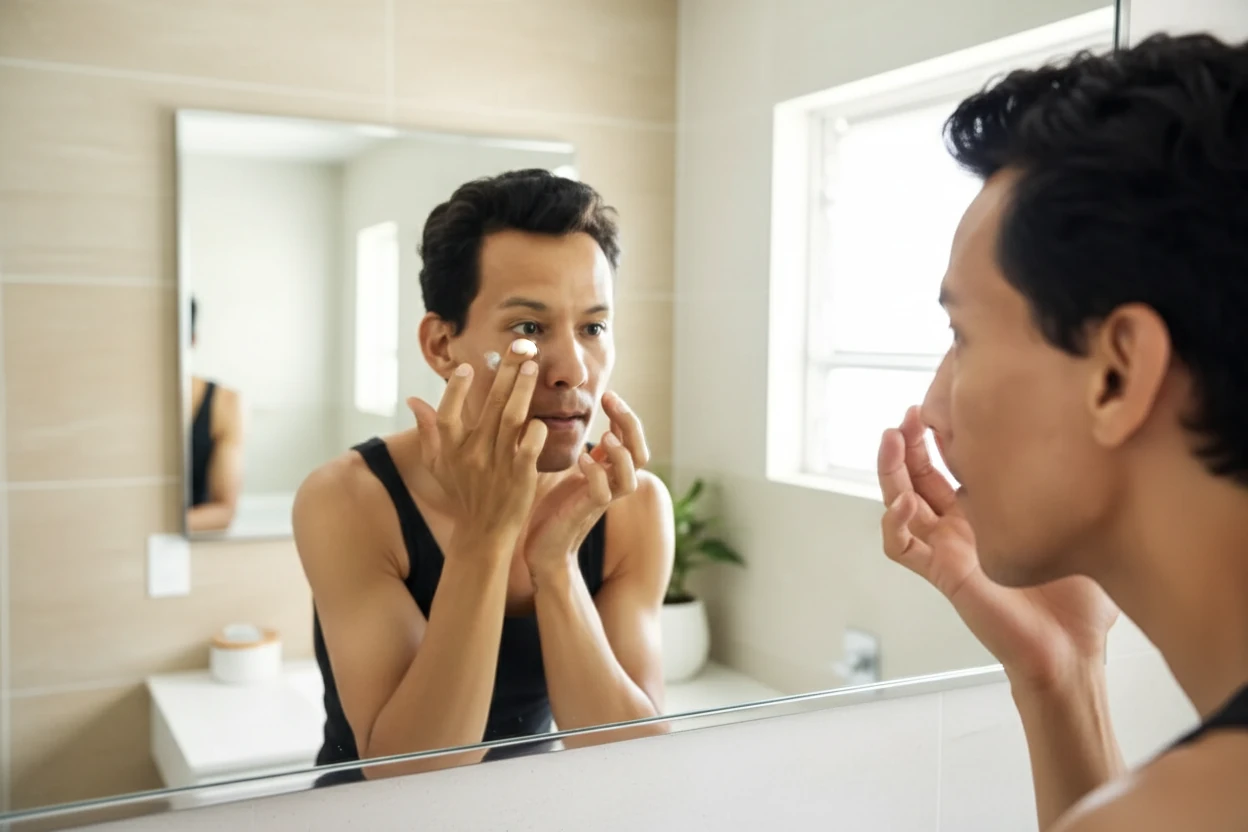
Blackheads are a very common skin condition that mostly affects the face, neck, back, and chest1. They are a type of acne-bacne-causes-treatments-and-preventionacne-bacne-causes-treatments-and-preventionacne-treatment-guideacne-treatment-guideacne known as open comedones, formed when pores become clogged with excess oil and dead skin cells12. While blackheads do not seriously affect physical health, they can cause significant emotional distress, including anxiety and lowered self-esteem1. Understanding their causes, removal methods, and prevention strategies can help manage this widespread skin concern effectively32.
Identifying Blackheads
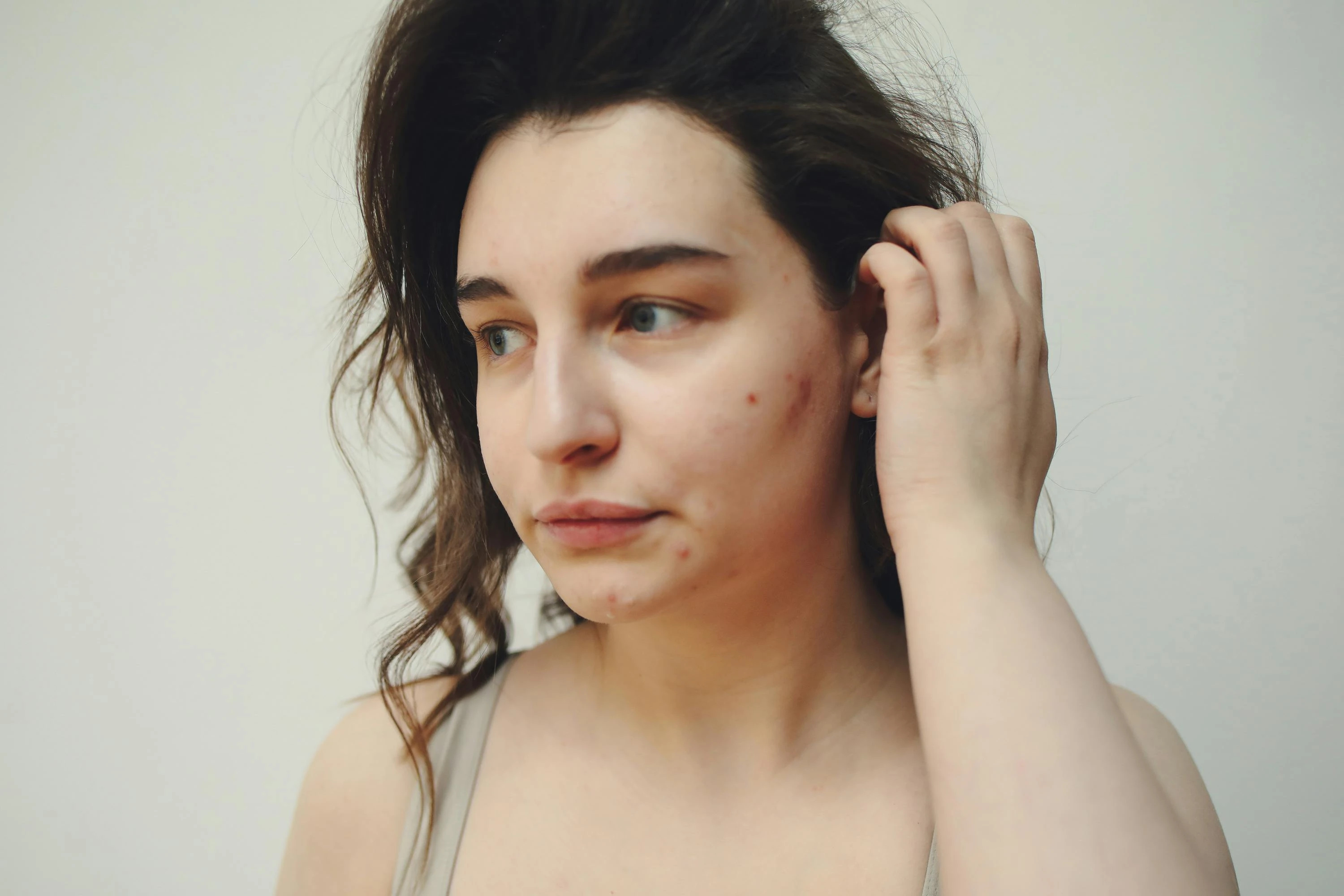
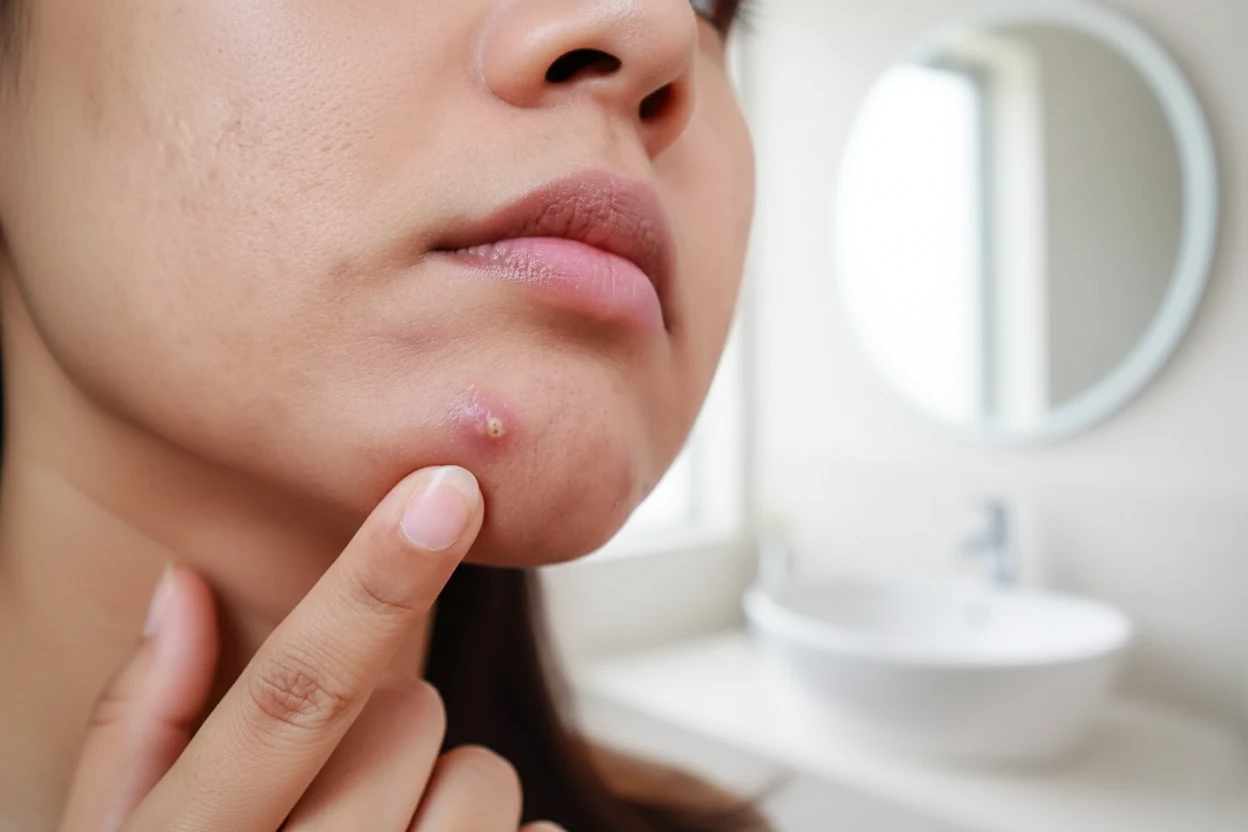
Blackheads appear as small dark lesions on the skin, typically measuring a few millimeters in size43. They vary in color from black to brown or gray due to oxidation of the clogged material exposed to air35. Unlike pimples, blackheads are non-inflammatory and usually lack redness or swelling3. They can be flat or slightly raised and often make the skin feel rough or uneven to the touch43.
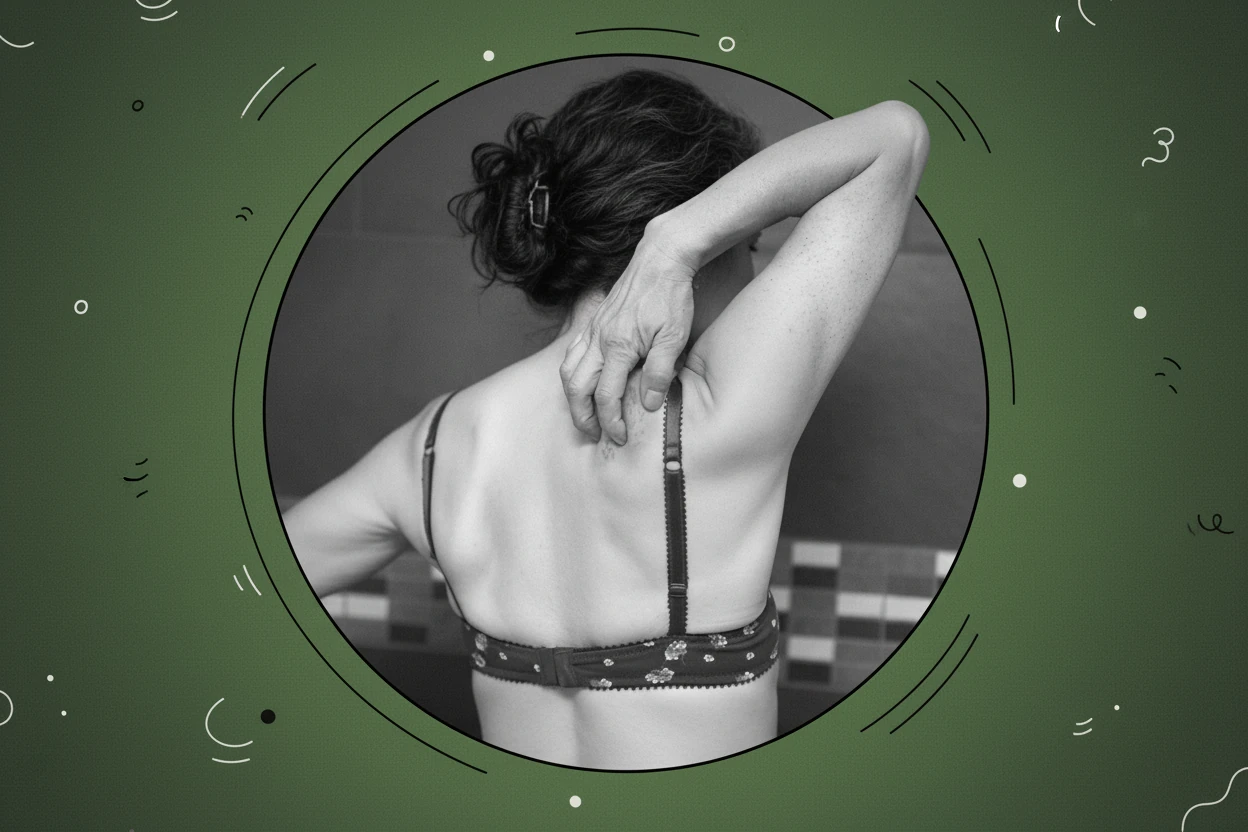
These lesions represent open comedones, meaning the pore opening is dilated and exposed to air, which causes the dark color36. Blackheads are often mistaken for dirt trapped in pores, but they are actually clogged hair follicles filled with sebum and keratin37. Common locations for blackheads include the nose, forehead, and chin, especially in adolescents, but they can also develop on the chest and back312.
💡 Did You Know? Blackheads are a type of acne vulgaris and affect nearly everyone at some point in their lives, especially teenagers and young adults undergoing hormonal changes1.
Blackhead Causes
Blackheads form when hair follicles or pores become clogged with a mixture of excess sebum (oil) and dead skin cells, a process known as follicular hyperkeratinization835. The dark color of blackheads results from oxidation of this material when exposed to air, not from dirt39. Several factors contribute to their development:
- Excess sebum production: Overactive sebaceous glands produce more oil, which can clog pores835.
- Follicular keratinization: Abnormal shedding and accumulation of dead skin cells block the pore opening83.
- Genetic predisposition: Family history increases the risk of developing blackheads and other acne types835.
- Hormonal fluctuations: Puberty, stress, and hormonal changes increase androgen levels, stimulating oil production and keratinization835.
- Environmental factors: Use of oily cosmetics, sweating, and frequent touching of the face can worsen blackhead formation362.
Blackheads are a mild form of acne vulgaris and are non-inflammatory, unlike pimples which involve inflammation and redness31. They commonly affect areas with a high density of sebaceous glands, such as the face, chest, and back12.
Blackhead Removal Methods
Removing blackheads safely and effectively involves a combination of proper skincare, topical treatments, and, in some cases, professional procedures. Below are key approaches:
Face Wash With Acne-Fighting Ingredients
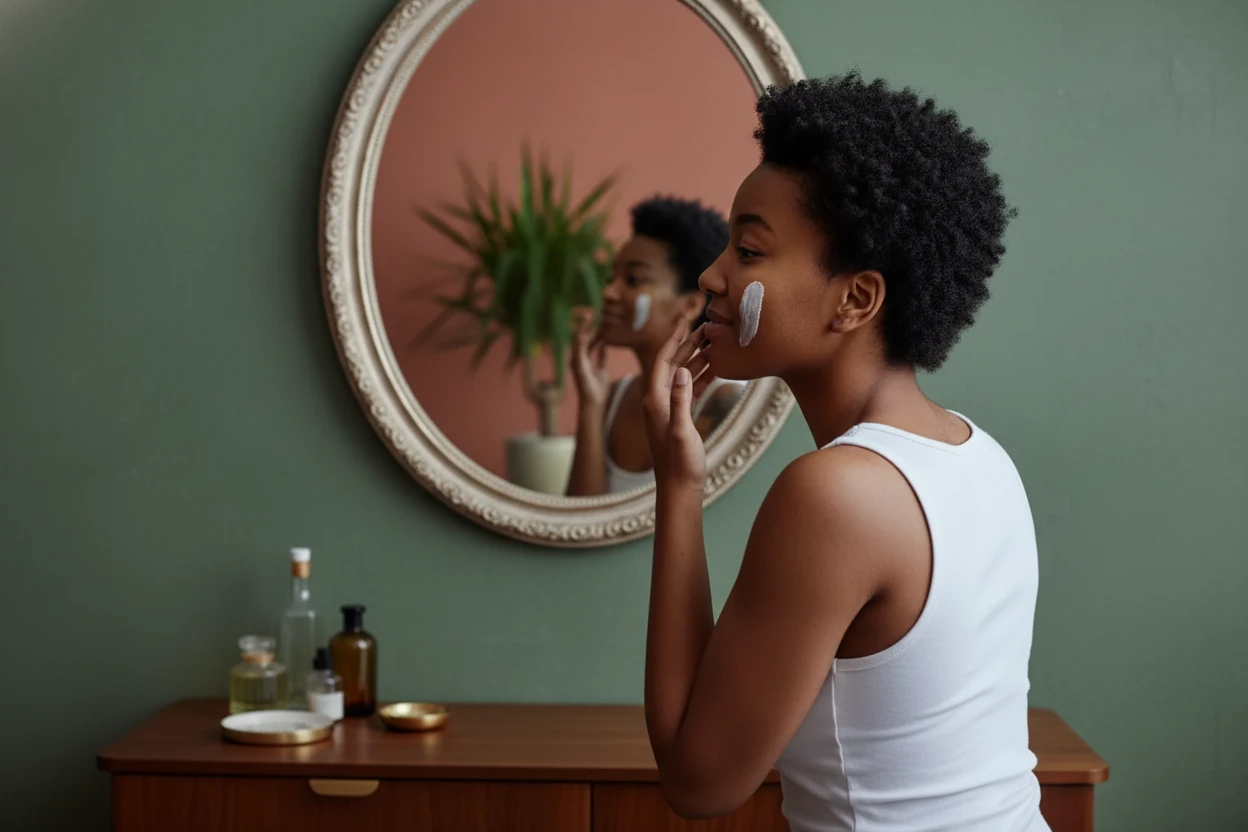
Regular cleansing with acne-specific face washes helps reduce blackheads by removing excess oil and dead skin cells310. Ingredients that are particularly effective include:
- Salicylic acid: A beta hydroxy acid (BHA) that exfoliates inside pores, dissolving keratin plugs and clearing excess oil3105.
- Benzoyl peroxide: Reduces bacteria on the skin and helps prevent acne lesions310.
- Azelaic acid: Reduces keratinization and bacterial growth, aiding in clearing blackheads3.
- Non-comedogenic formulations: Products labeled as non-comedogenic do not block pores, reducing the risk of new blackheads36.
Gentle cleansing twice daily, especially after sweating, is recommended. Avoid harsh scrubbing or abrasive cleansers, as these can irritate the skin and worsen blackheads310.
Topical Acne Treatments
Topical medications are effective for managing blackheads by normalizing skin cell turnover and reducing oiliness35. Common treatments include:
- Retinoids (e.g., tretinoin, adapalene): Vitamin A derivatives that unclog pores by promoting exfoliation and preventing dead skin cell buildup35.
- Azelaic acid: Helps reduce inflammation and keratinization3.
- Benzoyl peroxide: Useful for its antibacterial effects but less effective for blackheads specifically, which are non-inflammatory39.
Prescription-strength retinoids may be necessary for persistent blackheads. Consistent use over several weeks is essential for visible improvement35.
Extractions
Professional extraction involves a dermatologist using specialized tools to remove blackheads safely31112. This method is recommended for deep or stubborn blackheads that do not respond to topical treatments. Attempting to squeeze or pop blackheads at home can:
- Push the clog deeper into the pore
- Cause inflammation or infection
- Lead to scarring or enlarged pores310115
Dermatologists perform extractions under sterile conditions to minimize risks and improve outcomes311.
Chemical Peels
Chemical peels use acids such as glycolic acid or salicylic acid to exfoliate the skin and unclog pores3122. They promote new skin growth and can reduce blackhead formation. Peels are often performed by professionals and may be combined with other treatments for enhanced effect32.
Preventing Blackheads
Prevention focuses on maintaining clear pores and avoiding factors that contribute to clogging. Key preventive measures include:
- Washing the face gently twice daily and after sweating to remove excess oil and dirt3102.
- Using mild, non-comedogenic skincare products that do not block pores362.
- Avoiding harsh scrubbing or abrasive exfoliation, which can irritate skin and worsen blackheads310.
- Keeping hair clean and away from the face to reduce oil transfer and pore clogging310.
- Avoiding frequent touching or picking at the skin to prevent irritation and infection3102.
Lifestyle adjustments such as managing stress and avoiding oily cosmetics can also help reduce blackhead formation36. Patience is important, as treatments often require several weeks to show results35.
Blackheads are a mild form of acne that usually form on the face, back, chest, neck, arms, and shoulders. They are caused by clogged pores filled with oil and dead skin cells that oxidize when exposed to air, turning dark in color. Avoiding picking or squeezing blackheads is crucial to prevent inflammation and scarring.1012
Key Takeaways
- Blackheads are open comedones caused by clogged pores filled with sebum and dead skin cells that oxidize when exposed to air, resulting in their dark color35.
- Excess oil production, abnormal skin cell shedding, genetic factors, and hormonal changes are primary causes of blackheads835.
- Effective removal includes gentle cleansing with acne-fighting ingredients like salicylic acid, topical retinoids, and professional extractions for stubborn cases31011.
- Prevention relies on consistent skincare routines using non-comedogenic products, avoiding harsh scrubbing, and minimizing skin irritation362.
- Patience and adherence to treatment are essential, and consultation with a dermatologist is recommended if blackheads persist after 6–8 weeks of treatment35.