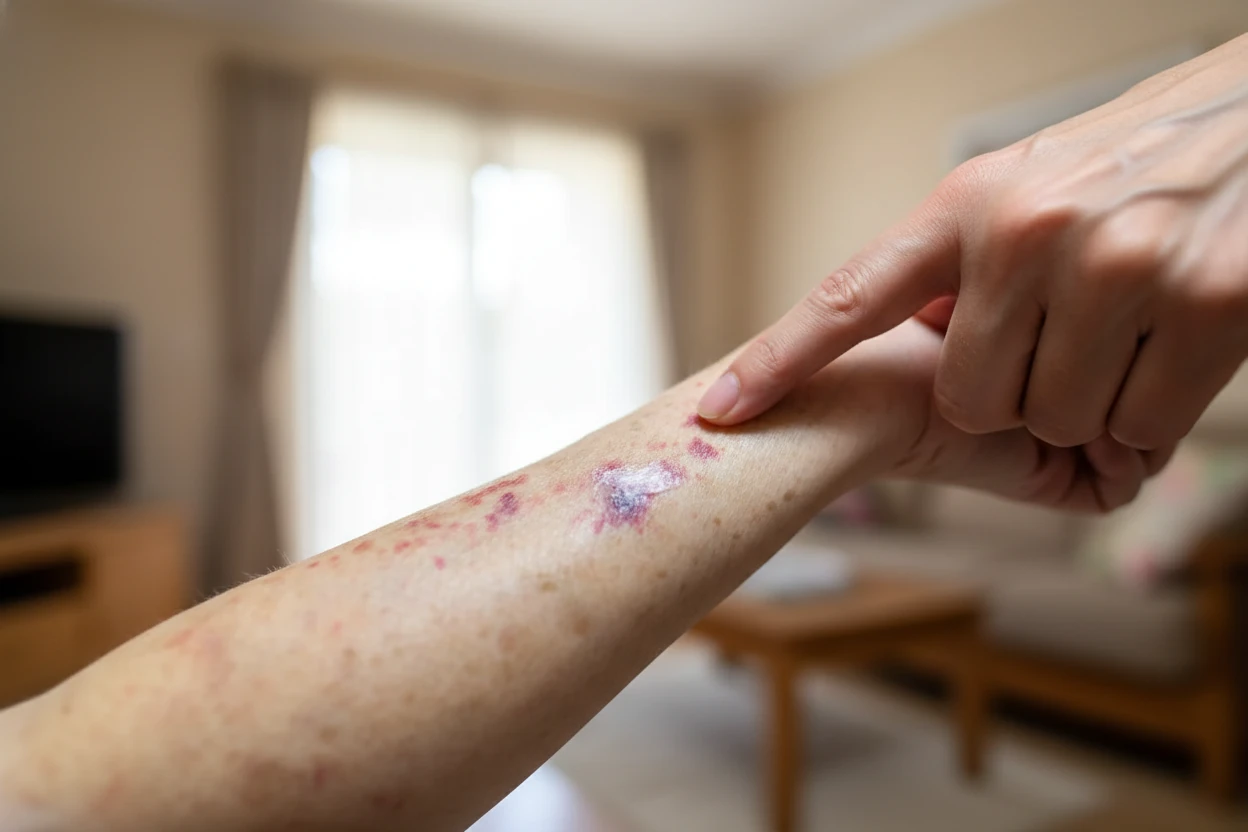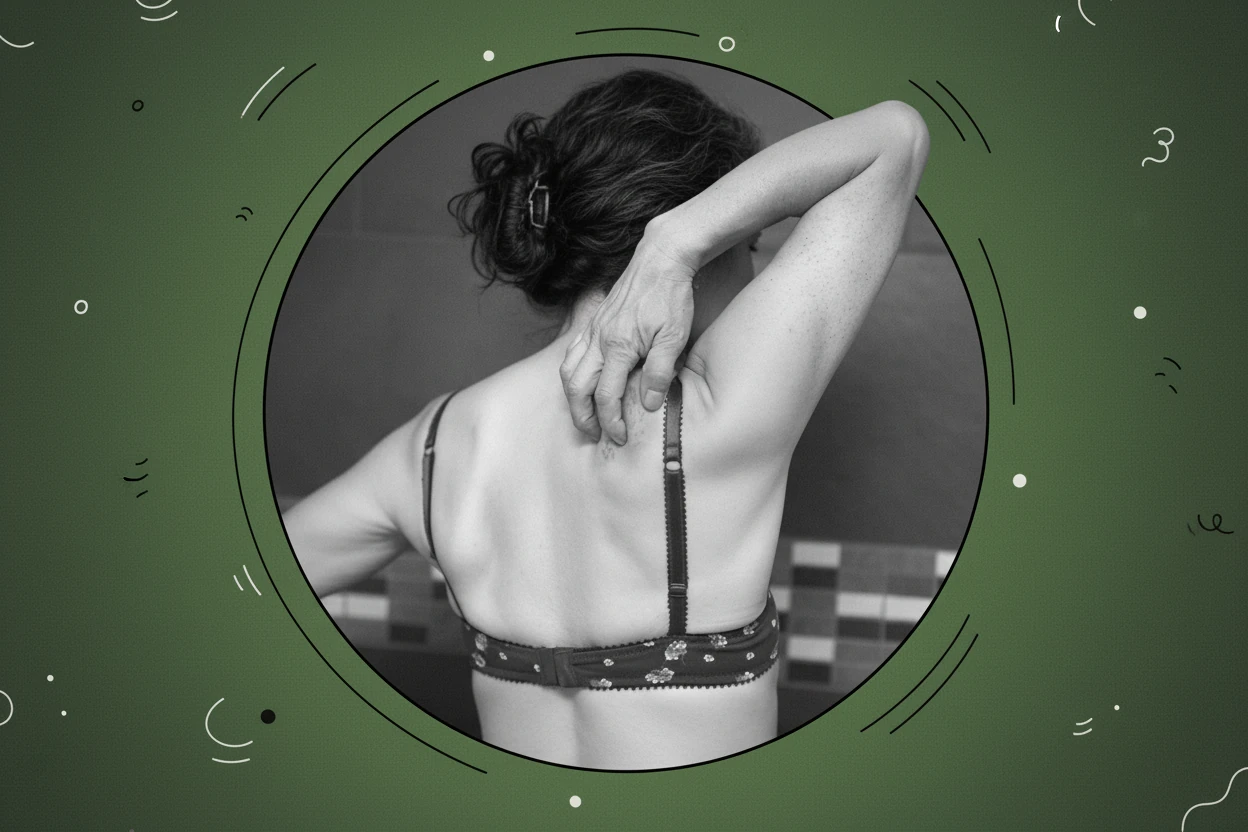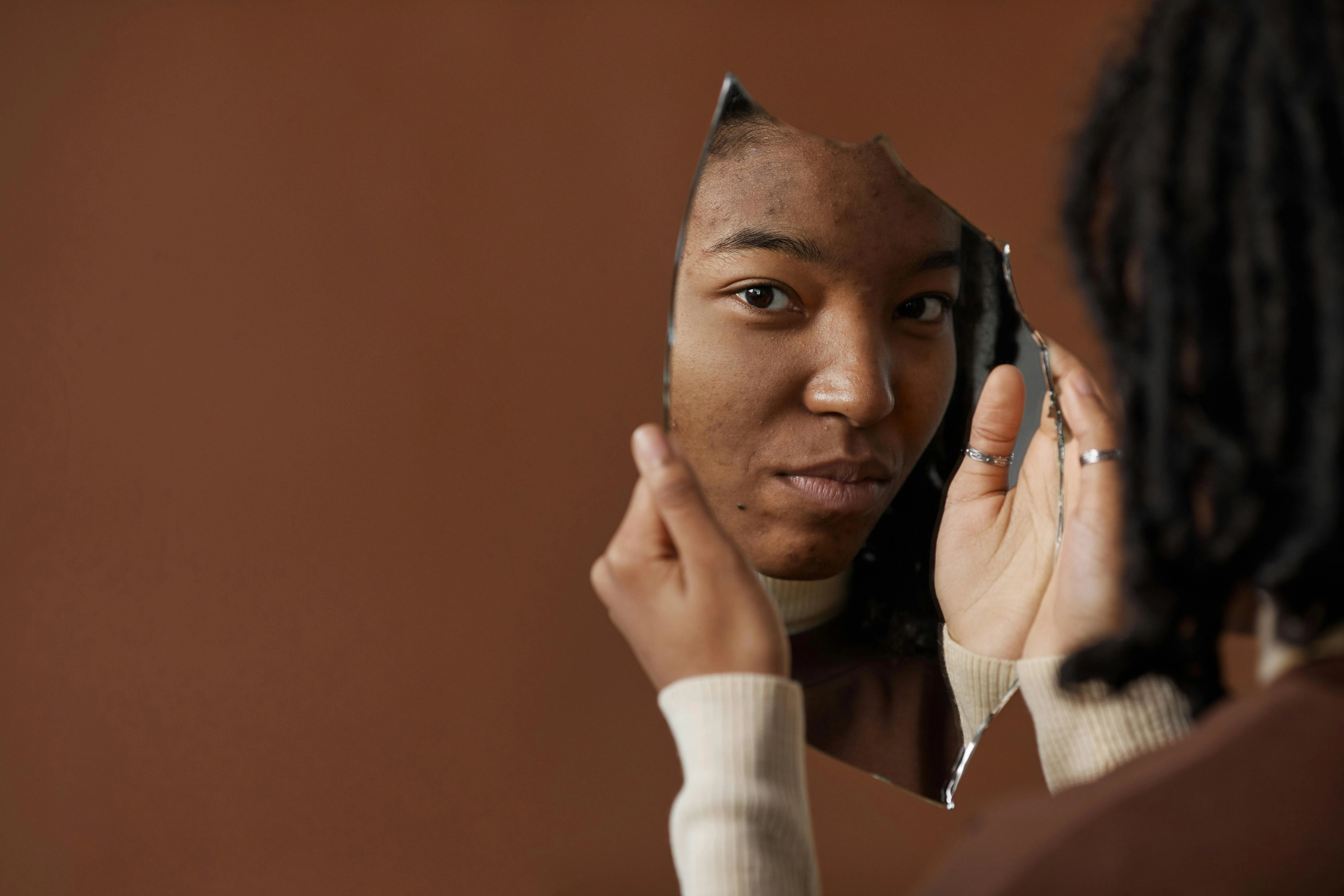
Hormonal acne affects a large number of adults, especially women, with nearly half of women in their 20s experiencing this condition. This type of acne-bacne-causes-treatments-and-preventionacne is driven by hormonal fluctuations that increase oil production in the skin, leading to clogged pores and inflammation12. Managing hormonal acne effectively requires understanding its causes and combining medical treatments with lifestyle changes for the best outcomes3.
Understanding Hormonal Acne
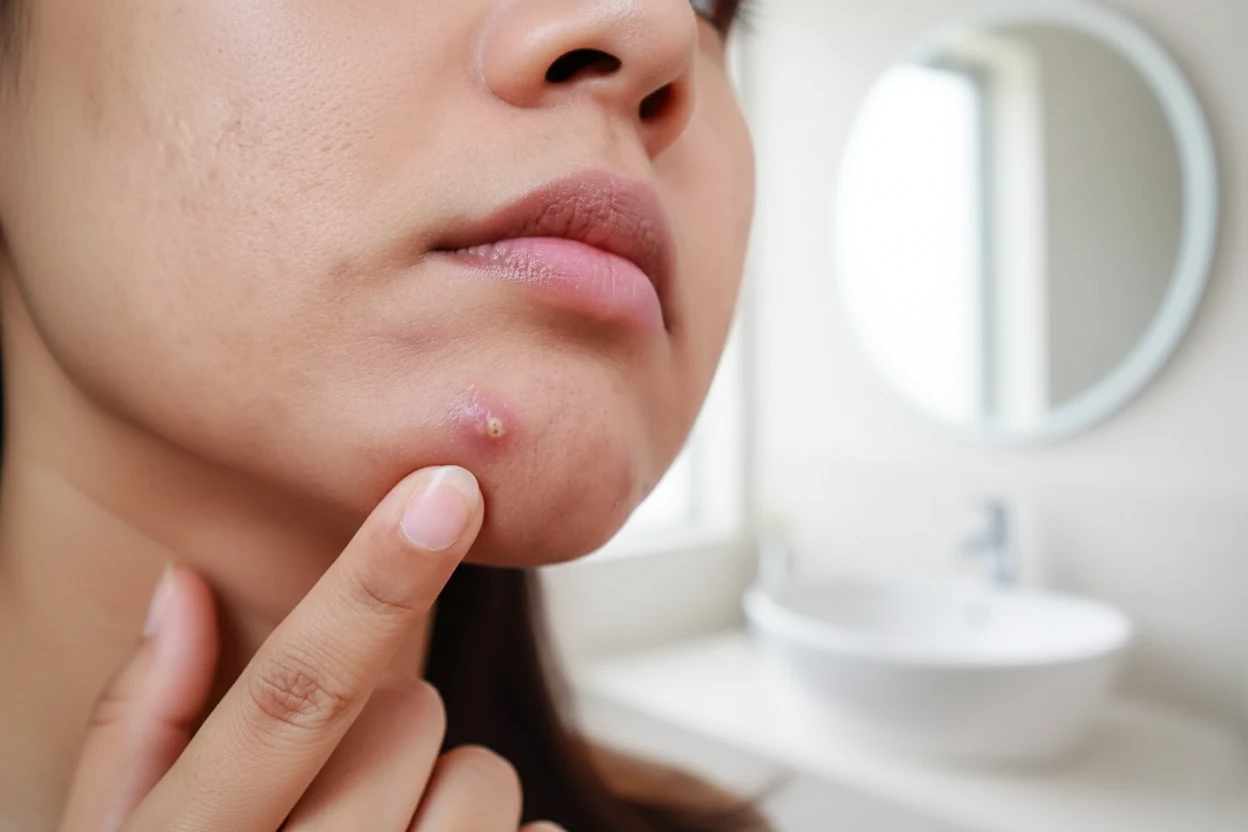
Hormonal acne, often called adult acne, primarily affects women between their 20s and 50s and is linked to hormonal imbalances that increase sebum (oil) production in the skin’s oil glands12. Androgens, a group of hormones including testosterone, stimulate the sebaceous glands to produce more oil, which clogs pores and promotes acne formation45. This acne typically appears on the lower face, jawline, neck, and sometimes on the chest, shoulders, and back21.
The condition is characterized by various types of lesions, including blackheads, whiteheads, papules, pustules, cysts, and nodules, with cystic acne being the most severe and persistent form16. Hormonal acne often worsens during menstrual cycles, pregnancy, menopause, or after stopping birth control due to fluctuating hormone levels17. Other contributing factors include stress, genetics, certain medications, and underlying hormonal disorders like polycystic ovary syndrome (PCOS)18.
The pathogenesis involves four key factors: increased sebum production, abnormal skin cell shedding (follicular hyperkeratinization), bacterial colonization by Cutibacterium acnes, and inflammation49. Clinical guidelines recommend assessing hormone levels and grading acne severity to tailor treatment effectively910.
💡 Did You Know?
Hormonal acne affects about 50% of women in their 20s and can continue into their 30s, 40s, and beyond1.
Medical Treatments for Hormonal Acne
Effective management of hormonal acne often involves a combination of medical therapies and skincare practices tailored to the severity and individual patient needs1112. Treatments aim to reduce sebum production, control inflammation, and prevent new lesions.
Cleanse Mildly
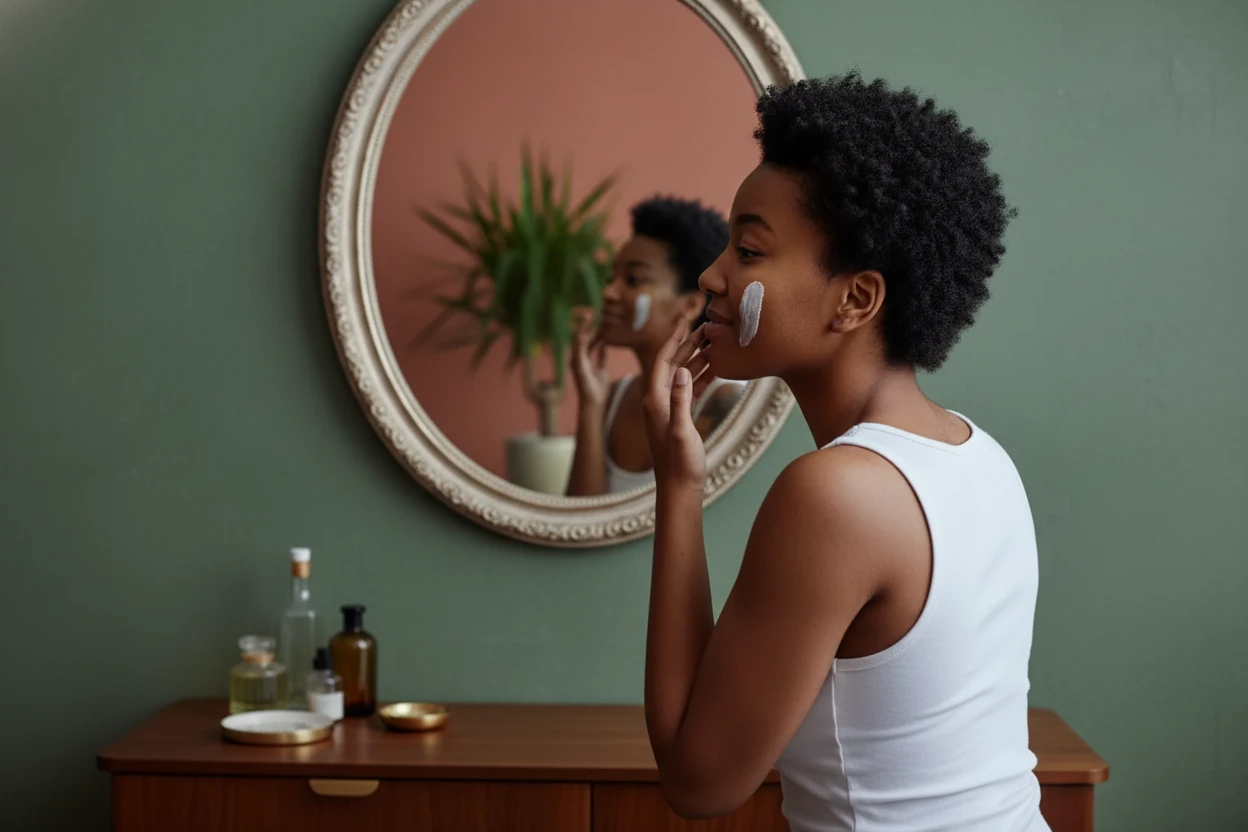
Gentle cleansing is a foundational step in managing hormonal acne. Using mild, non-abrasive cleansers twice daily helps remove excess oil, dirt, and dead skin cells without irritating the skin1314. Avoid harsh scrubs or abrasive tools, as they can worsen inflammation and acne13.
Manual cleansing with fingertips is preferred over brushes or sponges to minimize skin irritation13. For oily skin, cleansers containing salicylic acid can help unclog pores, while creamy cleansers suit dry or sensitive skin1514.
Treat Gently
Topical treatments are the first-line approach for mild to moderate hormonal acne. Common options include:
- Retinoids: These vitamin A derivatives promote skin cell turnover, unclog pores, and reduce inflammation1617.
- Benzoyl Peroxide: An antibacterial agent that reduces Cutibacterium acnes but may cause irritation1615.
- Topical Antibiotics: Help reduce bacterial colonization and inflammation16.
- Dapsone Gel: Offers anti-inflammatory and antibacterial effects with less irritation than benzoyl peroxide, suitable for sensitive skin1615.
For moderate to severe acne or when topical treatments are insufficient, hormonal therapies are effective in women. These include:
- Combined Oral Contraceptives (COCs): They reduce circulating androgens by suppressing ovarian androgen production and increasing sex hormone-binding globulin, leading to fewer acne lesions18197.
- Spironolactone: An anti-androgen medication that blocks androgen receptors, decreasing sebum production and improving acne2021.
- Oral Antibiotics: Used to reduce inflammation and bacterial load in more severe cases12.
Isotretinoin, a potent oral retinoid, is reserved for severe, resistant acne due to its side effect profile22.
Moisturize Smartly
Maintaining skin hydration with oil-free, non-comedogenic moisturizers supports the skin barrier without clogging pores2313. Moisturizers help reduce irritation from acne treatments and improve adherence to therapy23.
Ask About Peels
Chemical peels and light therapies can be adjunctive treatments to accelerate acne clearance and reduce inflammation15. Peels often use alpha hydroxy acids (AHAs) or salicylic acid to exfoliate dead skin cells and unclog pores17. These procedures should be performed under professional supervision to avoid skin damage.
“Regular cleansing, twice a day, is ideal for removing layers of old oil and makeup. Topical retinoid creams are often recommended to unclog pores and exfoliate the skin.”
— Mary Sheu, M.D.15
Natural Remedies for Hormonal Acne
While medical treatments are primary for hormonal acne, certain natural approaches may complement therapy and support skin health. However, evidence for their effectiveness is limited and mixed, so consultation with a healthcare provider is recommended before use317.
Get Good Bacteria
Probiotics may help reduce systemic inflammation linked to acne by modulating the gut microbiome24. Topical green tea preparations also have anti-inflammatory properties that may reduce acne lesions17. Drinking green tea might offer additional benefits, though research is minimal17.
Move More
Regular exercise improves blood circulation, which supports skin health and may reduce inflammation associated with acne3. Sweating can help clear pores but should be followed by gentle cleansing to prevent irritation or pore blockage3.
Stress Less
Stress increases cortisol and other hormones that can worsen acne by promoting inflammation and sebum production31. Stress management techniques such as mindfulness, adequate sleep, and relaxation exercises may help improve acne outcomes3.
Tweak Your Diet
Natural remedies like tea tree oil and alpha hydroxy acids can help reduce inflammation and exfoliate the skin, but should be used cautiously and under guidance to avoid irritation17.
Dietary factors may influence hormonal acne. Limiting refined sugars, high-glycemic carbohydrates, and certain dairy products may reduce acne severity by modulating hormones like insulin and androgens317. Incorporating anti-inflammatory foods rich in omega-3 fatty acids, such as salmon, and cruciferous vegetables may support hormone balance and skin health2526.
Key Takeaways
- Hormonal acne is common in adult women and is driven by androgen-induced excess sebum production and inflammation49.
- Medical treatments include topical retinoids, benzoyl peroxide, combined oral contraceptives, and spironolactone, tailored to acne severity121820.
- Gentle cleansing twice daily with mild, non-abrasive cleansers supports treatment and skin barrier health13.
- Natural remedies and lifestyle changes such as probiotics, exercise, stress management, and dietary adjustments may complement medical therapy but require professional guidance317.
- Personalized treatment plans considering hormonal evaluation, lesion distribution, and patient preferences optimize outcomes and adherence1127.