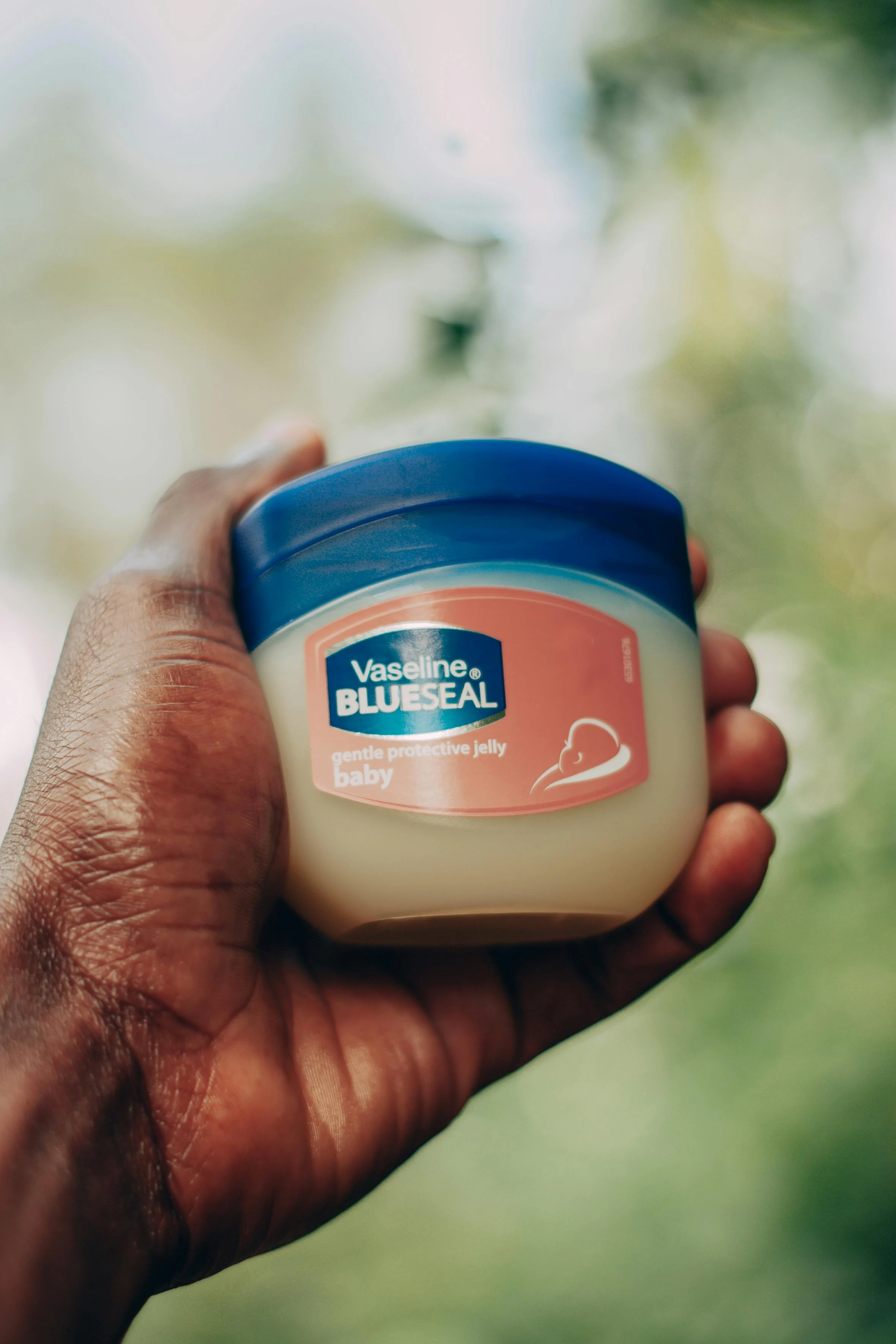
Vaseline, a popular brand of petroleum jelly, has been used for over 140 years as a skin protectant and moisturizer1. It forms a barrier on the skin that locks in moisture, helping to keep the skin hydrated and soft2. While generally safe for most people, its use on the face requires consideration of individual skin types, especially for those with acne-treatment-guideacne-bacne-causes-treatments-and-preventionacne-treatment-guideacne-prone or oily skin3. This article explores the benefits, risks, and proper use of Vaseline for facial skincare based on current scientific evidence.
Applying Vaseline on Face: Is It Good for Skin Care?
Vaseline is an occlusive moisturizer that creates a protective barrier on the skin surface, preventing transepidermal water loss (TEWL) and thus maintaining skin hydration45. This barrier also protects the skin from environmental pollutants and harsh elements2. However, Vaseline itself does not add moisture but seals in existing moisture on the skin1.
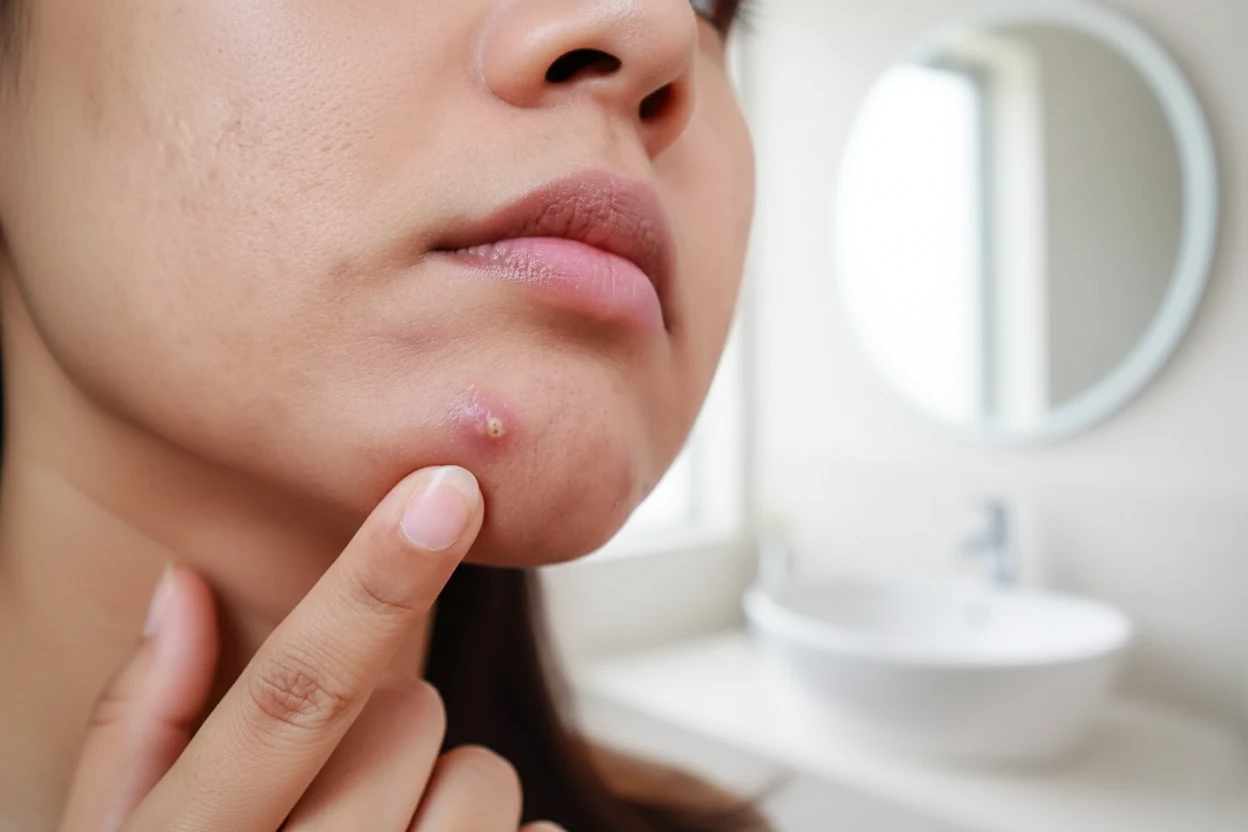
For most people, Vaseline is safe to use on the face and can be applied to address short-term dryness or irritation2. It is particularly recommended for sensitive areas such as the lips and eyelids due to its low irritation potential6. However, individuals with oily or acne-prone skin should be cautious, as the occlusive nature of Vaseline may trap sebum and bacteria, potentially worsening acne36.
Vaseline’s thick, greasy texture may not be preferred by everyone, especially those with combination or oily skin, as it can feel heavy and sticky1. It is important to apply Vaseline on clean, slightly damp skin to maximize its moisturizing effects and avoid sealing in dirt or excess oils32.
Vaseline as a Moisturizer for Face: Benefits
Dry Skin Relief
Dry skin is a common condition characterized by scaling, itching, and fissuring, often caused by increased water loss through the skin barrier7. Vaseline, as an occlusive agent, effectively prevents moisture loss by forming a physical barrier on the skin6. This helps to retain hydration and soothe dry, flaky skin3.
Vaseline is especially beneficial for delicate facial areas prone to dryness, such as the lips and eyelids, where other moisturizers may cause irritation6. Applying Vaseline to slightly damp skin enhances its ability to lock in moisture, improving skin softness and comfort3.
Wound Healing
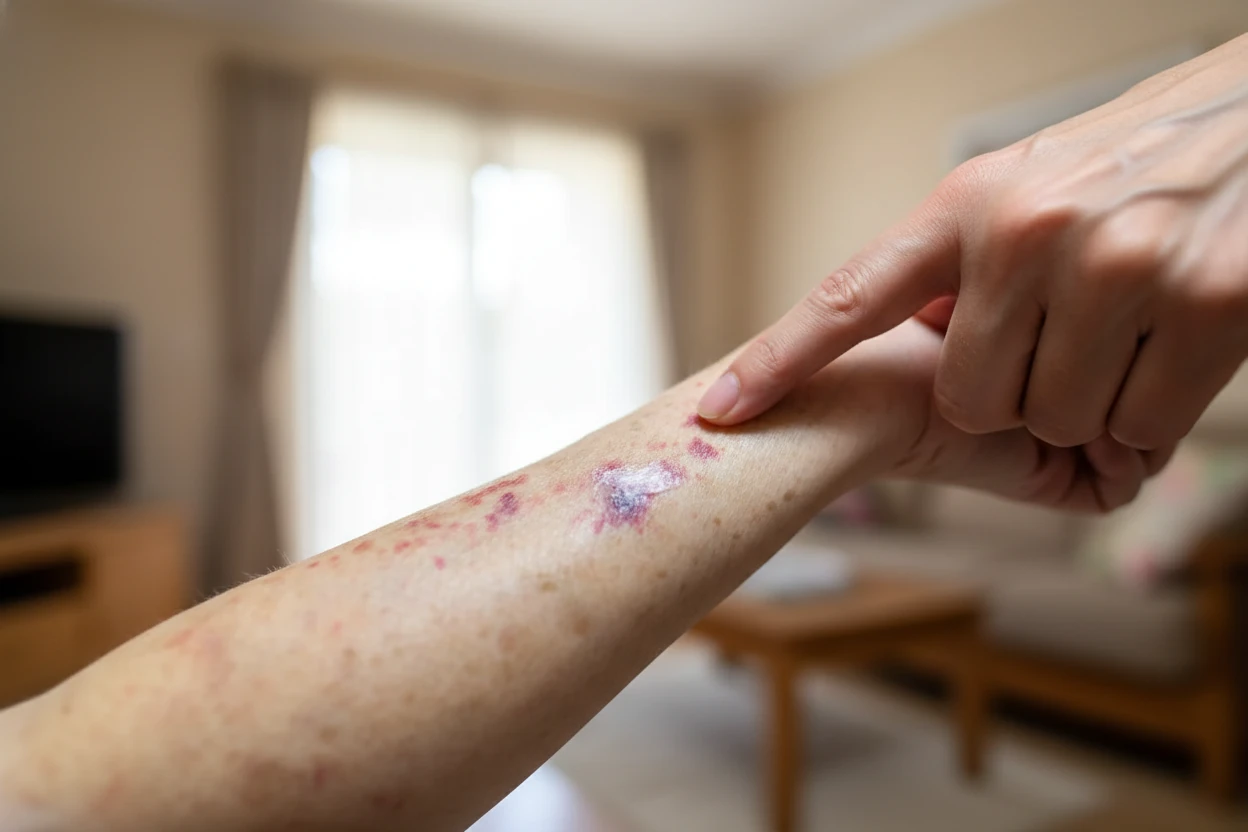
Vaseline is widely used in wound care due to its ability to maintain a moist wound environment, which promotes faster healing and reduces scar formation45. Unlike allowing wounds to dry and form scabs, keeping wounds moist with Vaseline prevents scab formation, which can delay healing by creating a dry barrier that impedes cell migration5.
Applying Vaseline to minor facial wounds such as cuts, scrapes, or scratches creates a protective layer that prevents bacterial invasion and reduces the risk of infection45. This moist environment also minimizes the size, depth, and itchiness of scars that may develop45.
Petrolatum improves the skin’s barrier function by inhibiting water loss through the skin, called trans-epidermal water loss. Increased trans-epidermal water loss is a key factor that leads to the development of skin conditions such as eczema and chapped lips. Petrolatum also creates a protective barrier on the skin which is helpful when using it on cuts and burns8.
Uses for Vaseline on Face and Face Care
Beyond facial skincare, Vaseline has multiple dermatological applications:
- Preventing chafing: Vaseline reduces friction in areas of skin-to-skin contact, preventing painful irritation and blisters3.
- Moisturizing cuticles: Applying Vaseline to cuticles maintains hydration and helps prevent hangnails3.
- Managing mild eczema and diaper rash: Vaseline acts as a protective barrier that supports skin barrier repair and reduces irritation3.
- Makeup removal: Vaseline gently dissolves makeup, including waterproof mascara, without harsh chemicals, making it safe for use around the eyes1.
- Eyebrow grooming: A thin layer of Vaseline can smooth and shape eyebrows for a polished look1.
- Supporting chronic skin conditions: Vaseline is safe and beneficial for inflammatory conditions like rosacea and psoriasis by protecting dry, inflamed skin and promoting healing1.
Potential Risks and Precautions
While Vaseline is generally safe, certain risks and precautions should be considered:
- Acne exacerbation: Vaseline’s occlusive nature can trap oils and bacteria, potentially worsening acne in individuals with oily or acne-prone skin36.
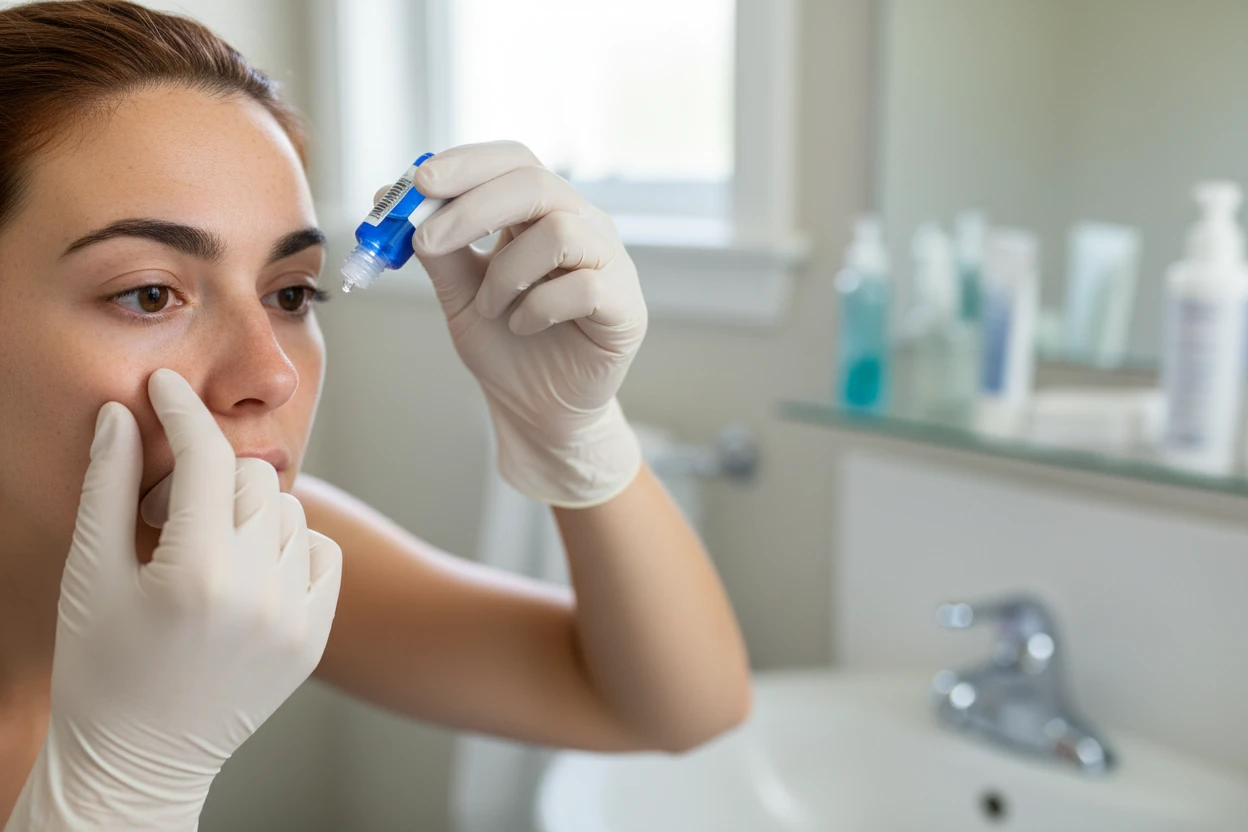
- Skin irritation: Though rare, allergic reactions such as redness, itching, swelling, or inflammation can occur. Users should discontinue use if these symptoms develop21.
- Eye irritation: Contact with the eyes can cause redness and discomfort due to irritation of surrounding tissues69.
- Not suitable for sunburn: Vaseline should not be applied to fresh sunburns as it can trap heat and worsen symptoms; it may be used only on healing skin after sun damage1.
People with sensitive skin or allergies to petroleum products should test Vaseline on a small skin area before widespread use1. It is important to apply Vaseline to clean skin to avoid sealing in dirt or bacteria3.
How to Apply Vaseline to Face Safely
Proper application of Vaseline enhances its benefits and minimizes risks:
- Cleanse thoroughly: Wash your face and hands with soap and water to remove dirt and oils2.
- Apply to slightly damp skin: For optimal hydration, apply Vaseline immediately after bathing or washing the face to seal in moisture32.
- Use a thin layer: Apply a small amount to dry or sensitive areas, avoiding the mucous membranes of the eyes32.
- Avoid use during active acne: Do not apply Vaseline on areas with active breakouts to prevent worsening acne3.
- Remove excess at night: If used overnight, gently wipe off any excess in the morning to prevent pore clogging2.
Applying Vaseline on damp skin maximizes its occlusive benefits by sealing in moisture, making it an effective moisturizer for dry skin. However, those with oily or acne-prone skin should avoid heavy use to prevent breakouts23.
Key Takeaways
- Vaseline is a safe and effective occlusive moisturizer for most skin types, especially beneficial for dry and sensitive facial skin36.
- It promotes wound healing by maintaining a moist environment and preventing scab formation, which accelerates recovery and reduces scarring45.
- Vaseline can be used for multiple purposes including makeup removal, eyebrow grooming, and managing chronic skin conditions like rosacea and psoriasis1.
- Individuals with oily or acne-prone skin should avoid Vaseline on the face as it may exacerbate acne by trapping oils and bacteria36.
- Proper application involves using a thin layer on clean, slightly damp skin and avoiding contact with eyes to minimize irritation369.