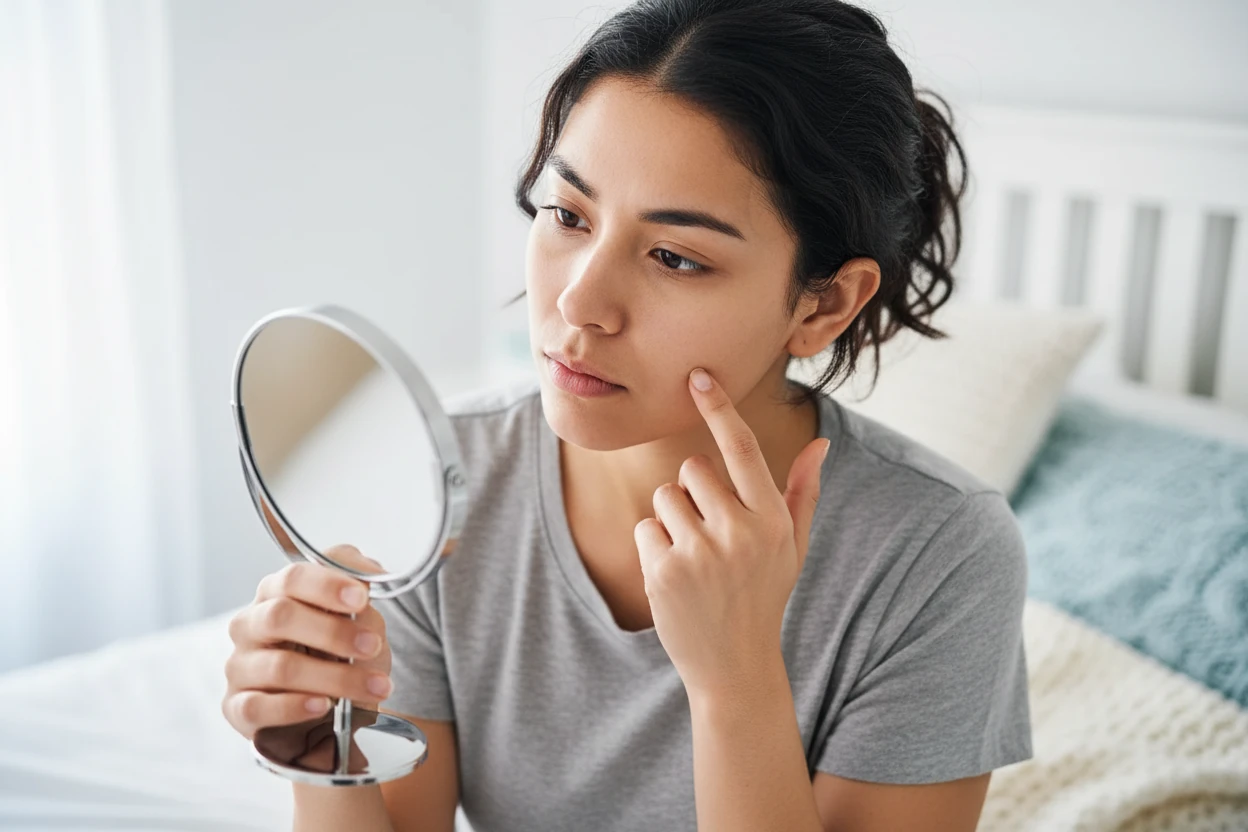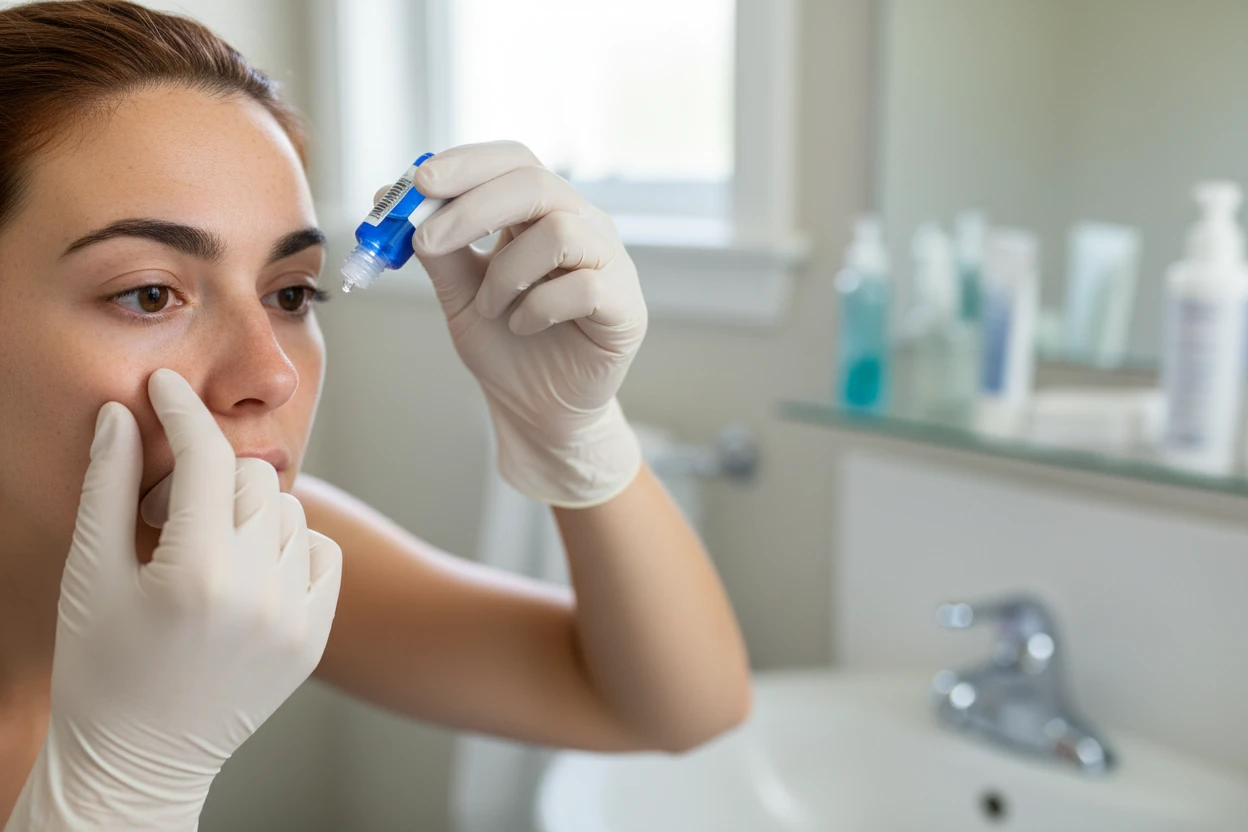
Cystic acne is a severe form of acne that affects deep layers of the skin, causing large, painful, pus-filled bumps. It commonly appears during adolescence but can affect adults as well, often leading to scarring and emotional distress1. This condition results from complex interactions of hormones, genetics, and inflammation, making effective treatment and prevention essential to reduce long-term skin damage2. Understanding the causes and available therapies can help manage cystic acne and improve quality of life3.
Cystic Acne Causes
Cystic acne is a chronic inflammatory skin disease that primarily affects areas rich in sebaceous (oil) glands such as the face, chest, back, and shoulders4. It occurs when pores become clogged with excess oil and dead skin cells, creating an environment where bacteria can thrive deep under the skin5. This leads to painful, pus-filled cysts that are larger and deeper than typical pimples2.
The pathogenesis of cystic acne involves several key factors:
-
Excess Sebum Production: Androgens (male hormones) stimulate sebaceous glands to produce more oil, which can clog pores6. Hormonal changes during puberty, menstrual cycles, pregnancy, and menopause can increase sebum production, making cystic acne more common in teenagers and adult women71.
-
Follicular Hyperkeratinization: Abnormal shedding of dead skin cells inside hair follicles blocks pores, trapping oil and bacteria6.
-
Bacterial Colonization: Cutibacterium acnes (formerly Propionibacterium acnes) bacteria colonize blocked follicles, triggering inflammation65.
-
Inflammation: Both innate and adaptive immune responses contribute to the redness, swelling, and pain of cystic acne lesions89.
-
Genetic Predisposition: Genome-wide association studies have identified multiple genetic loci that increase susceptibility to acne, indicating a hereditary component10.
-
Hormonal Disorders: Conditions like polycystic ovarian syndrome (PCOS) cause hyperandrogenism, leading to increased sebum production and acne in women1112.
-
Environmental and Lifestyle Factors: Stress, diet (especially high glycemic load and dairy intake), use of oily cosmetics, certain medications, and tight clothing may worsen cystic acne but are not primary causes13145.
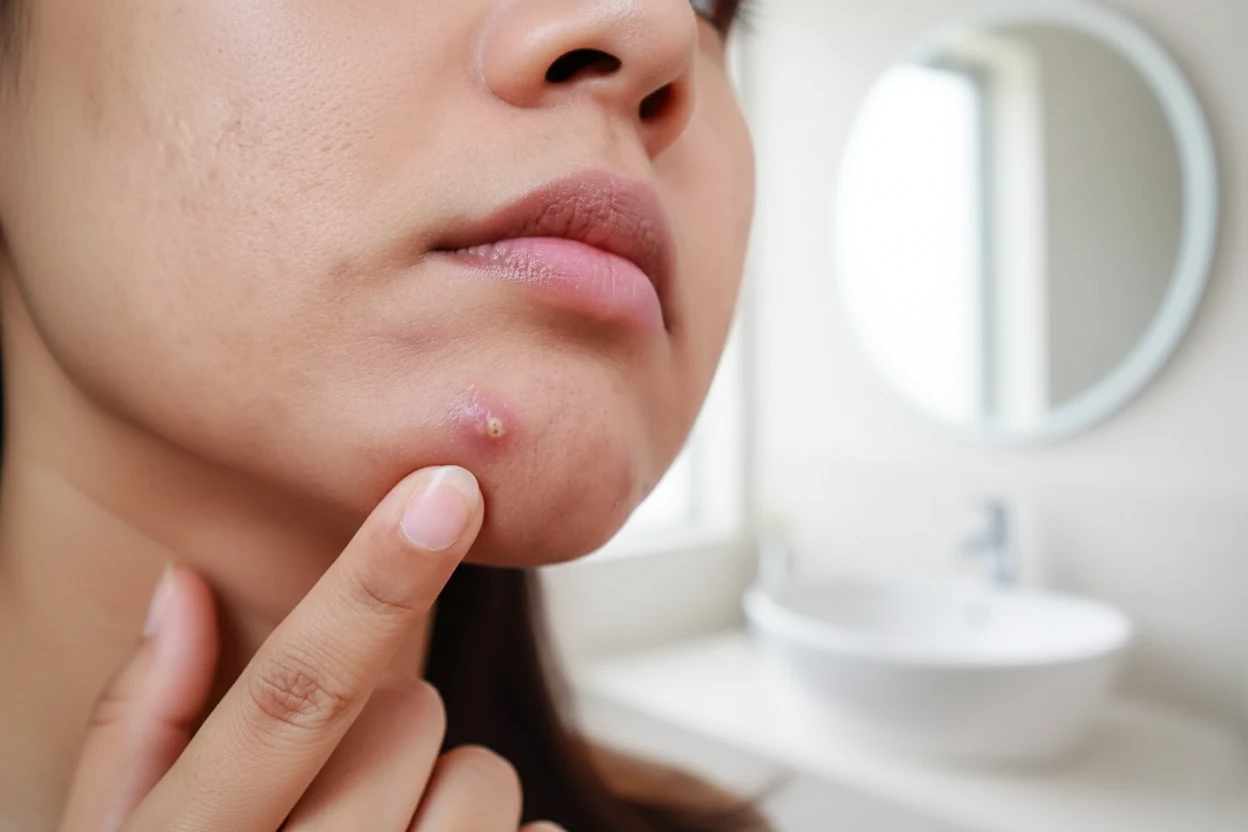
Cystic acne lesions often appear as red, tender lumps that may ooze pus and vary in size from a pea to a dime2. Unlike nodules, cysts contain fluid and are more likely to cause scarring due to deep inflammation214.
“Cystic acne is different from your typical acne because it is rooted deeper in the skin much more so than the blackheads, whiteheads, red pimples and pustules you're probably thinking of.”
— Ben Barankin, Toronto Dermatology Centre14
Cystic Acne Treatment Options
Treatment of cystic acne requires a comprehensive approach tailored to the severity of the condition and individual patient factors. Early and appropriate intervention is crucial to prevent scarring and reduce psychological impact1516. Management often combines medications, hormonal therapy, topical treatments, and procedural interventions.
Medications
Medications form the cornerstone of cystic acne treatment, especially for moderate to severe cases:
-
Isotretinoin: A vitamin A derivative, isotretinoin is the most effective treatment for severe, nodulocystic acne. It reduces sebum production, normalizes follicular keratinization, and has anti-inflammatory effects, often inducing long-term remission635. However, it requires careful monitoring due to potential side effects such as dry skin, joint pain, liver damage, and teratogenicity (risk of birth defects)65.
-
Oral Antibiotics: Tetracyclines and macrolides help reduce bacterial colonization and inflammation in moderate to severe cystic acne63. They are often used in combination with topical treatments for several weeks to months6.
-
Topical Antibiotics: These reduce Cutibacterium acnes on the skin surface and decrease inflammation but are less effective alone for cystic acne64.
-
Other Oral Medications: For women, oral contraceptives and antiandrogens like spironolactone can regulate hormones and reduce sebum production123.
Hormonal Therapy
Hormonal therapies are particularly useful for women with cystic acne linked to hormonal fluctuations:
-
Combined Oral Contraceptives: These regulate menstrual cycles and lower androgen levels, reducing sebum production and acne severity123.
-
Spironolactone: An antiandrogen that blocks androgen receptors in the skin, decreasing oil production. It is not typically prescribed to men due to side effects such as breast enlargement31.
Hormonal therapy can be an effective adjunct or alternative to antibiotics and isotretinoin in appropriate patients12.
Topical Treatments
Topical agents are often used alongside systemic therapies or for mild to moderate acne:
-
Retinoids: Vitamin A derivatives like tretinoin unclog pores by normalizing follicular keratinization and have anti-inflammatory properties63.
-
Benzoyl Peroxide: An antibacterial and anti-inflammatory agent that kills bacteria on the skin and reduces inflammation635.
-
Salicylic Acid and Azelaic Acid: These exfoliate dead skin cells and reduce inflammation, helping to clear pores214.
Topical treatments require consistent use and may cause skin irritation initially6.
Corticosteroid Injections
For large, painful cysts, intralesional corticosteroid injections (e.g., triamcinolone) can rapidly reduce inflammation and swelling, preventing scarring1735. This procedure is performed by a dermatologist and provides quick relief for nodulocystic lesions18.
“I tell patients and their guardians, whomever it may be, that acne is temporary but scarring is forever.”
— Omer Ibrahim, Chicago-based dermatologist14
Preventing Cystic Acne
Preventive strategies focus on reducing modifiable risk factors and maintaining healthy skin habits to minimize cystic acne flare-ups and scarring131.
-
Use gentle, non-comedogenic (non-pore clogging) skincare products such as mild foaming cleansers and oil-free moisturizers214.
-
Avoid harsh scrubbing, exfoliants, and irritating facial products that can worsen inflammation5.
-
Wash the skin twice daily and after sweating, using lukewarm water and fingertips rather than abrasive tools15.
-
Do not pick, squeeze, or pop cysts to prevent infection, deeper inflammation, and scarring21.
-
Avoid sleeping in makeup and keep hair clean to reduce pore blockage21.
-
Manage stress through relaxation techniques, as psychological stress can exacerbate acne severity13.
-
Consider dietary modifications such as reducing high glycemic index foods and dairy intake, which may benefit some individuals13.
-
Wear loose-fitting clothing and avoid heavy or oily cosmetics that can trap sweat and oil145.
💡 Did You Know? Cystic acne is the most severe form of acne, causing painful, pus-filled pimples deep under the skin that are often large and prone to scarring2.
Cystic Acne Summary
Cystic acne is a severe inflammatory skin condition caused by excess oil production, clogged pores, bacterial infection, and immune response. It primarily affects adolescents and young adults but can persist or appear in adulthood, especially in women with hormonal imbalances671. The condition is characterized by large, painful cysts that can cause permanent scarring and significant psychological distress165.
Effective treatment requires a multifaceted approach including oral medications like isotretinoin and antibiotics, hormonal therapies for women, topical agents, and procedural interventions such as corticosteroid injections63. Early diagnosis and management by a dermatologist are essential to prevent scarring and improve outcomes14.
Preventing cystic acne involves gentle skincare, avoiding irritation and picking, stress management, and possibly dietary adjustments131. With proper care, many people can control cystic acne and reduce its impact on their skin and quality of life.