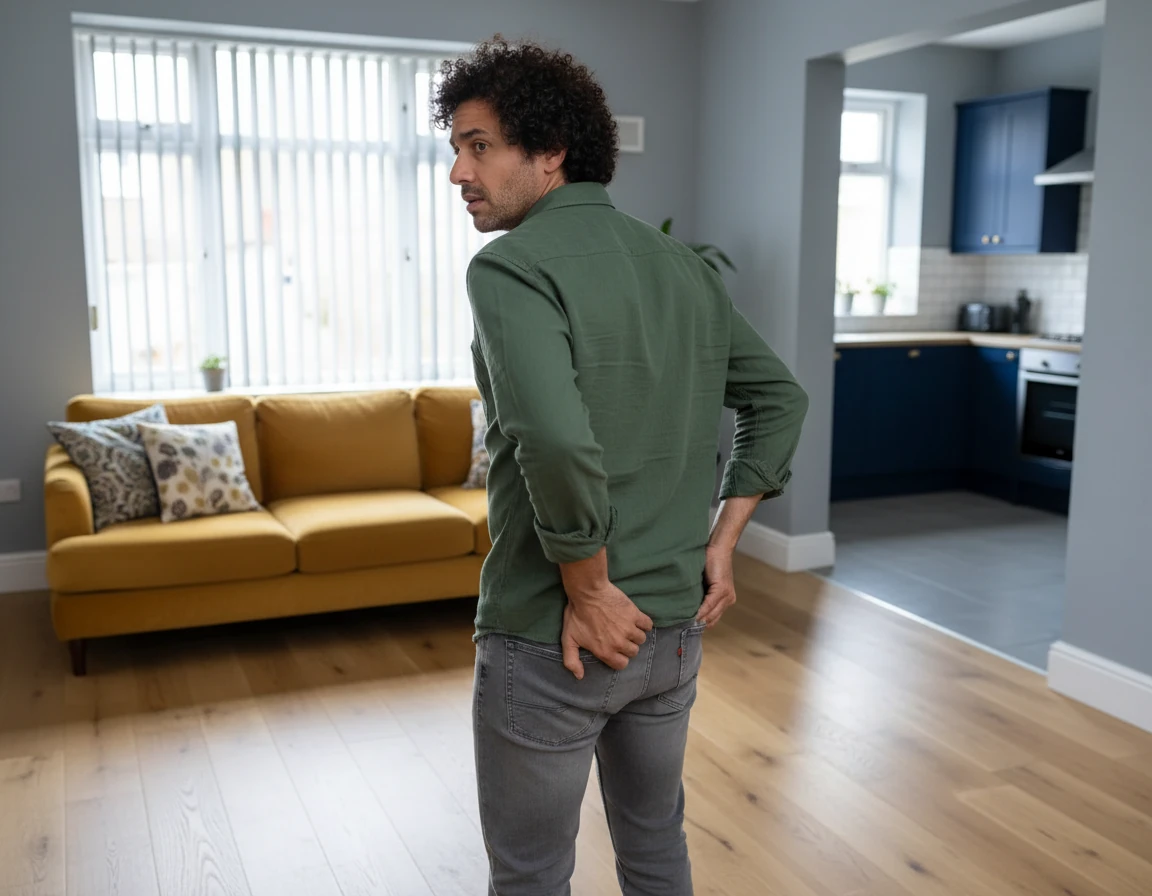
Pain in the back of the head, sometimes described as posterior headache or headache back head pressure, can arise from various causes, including common headache types and nerve-related conditions. This pain may result from migraine, tension headaches, or issues related to the neck, spine, or posture1. Understanding the different causes is important for effective treatment and relief, especially when symptoms keep recurring or worsen over time2.
Tension Headaches
Tension-type headache is the most common primary headache disorder, often triggered by stress, poor posture, and dehydration3. This headache typically causes a pressing or tightening sensation, described as a band around the head, and the pain is usually bilateral, affecting the forehead, temples, and back of the head3. The occipital region (back of the head) may also be involved in tension headaches3.
Tension headaches are classified as episodic or chronic. Episodic tension headaches occur fewer than 15 days per month and last from 30 minutes to 7 days, while chronic tension headaches happen 15 or more days per month for at least three months3. Although chronic tension headaches may cause greater disability, their intensity does not necessarily increase over time3.
Poor posture during sitting, working, driving, or sleeping can cause tension headaches by putting stress on the neck and shoulders4. Symptoms include mild to moderate constant pressure, aching or tight neck and shoulder muscles, and sensitivity to light and sound5. Causes may also include eye strain, temporomandibular jaw disorder, degenerative arthritis in the neck, sleep disorders, anxiety, and depression5.
- Common triggers for tension headaches:
- Stress and emotional factors3
- Poor posture3
- Dehydration3
- Eye strain and jaw disorders5
- Sleep disturbances5
Regular exercise, biofeedback training, cognitive behavioral therapy, and relaxation techniques such as yoga and meditation may help prevent tension headaches6. Living a healthy lifestyle with adequate sleep, hydration, and balanced meals is also beneficial6.
💡 Did You Know? Some headache symptoms occur specifically in the back of the head. Possible causes include tension, migraine, and medication overuse2.
Migraine Headaches
Migraine is a primary headache disorder characterized by recurrent attacks of moderate to severe headache pain3. The pain is typically unilateral and pulsating and may radiate to the occipital region or behind the eyes3. Migraines often last between 4 and 72 hours if untreated3.
Common migraine symptoms include nausea, vomiting, and sensitivity to light (photophobia) and sound (phonophobia)3. Migraines have a strong genetic predisposition, with multiple genes involved in their pathogenesis3. Triggers include bright or flashing lights, loud noises, strong smells, sudden changes in sleep patterns, weather changes, excessive physical activity, hormonal fluctuations, certain foods, and stress3.
Migraine pain can appear in any location, including the back of the head1. It often starts in childhood and recurs throughout life2. The throbbing, intense pain is usually on one side of the head and may be accompanied by visual disturbances2.
- Common migraine triggers:
- Bright or flashing lights3
- Loud noises and strong smells3
- Hormonal changes3
- Stress and emotional factors3
- Physical activity and sleep changes3
Exertion Headaches
Exertion headaches, also known as primary exercise headaches, are rare and occur during or after physical exertion3. They can also be triggered by coughing, sneezing, or sexual activity3. The exact cause is not fully understood but may involve vascular mechanisms3.
Exertion headaches are typically bilateral and pulsating, lasting from 5 minutes to 48 hours3. They are more common in hot environments or at high altitudes3. It is important to rule out secondary causes, such as cardiovascular or cerebrovascular disease, when diagnosing exertion headaches3.
- Key features of exertion headaches:
- Triggered by strenuous physical activity or Valsalva maneuvers3
- Bilateral, pulsating pain3
- Duration ranges from minutes to two days3
- More common in hot or high-altitude settings3
- Secondary causes must be excluded by healthcare providers3
Cervicogenic Headaches
Cervicogenic headache is a secondary headache disorder originating from cervical spine structures, including bones, discs, and soft tissues7. It can be triggered by neck trauma, degenerative changes, or poor posture7. The pain usually begins in the neck and radiates to the occipital region7.
This headache is characterized by moderate to severe pain that worsens with neck movement and is often associated with restricted cervical range of motion7. Photophobia and phonophobia may also occur7. Additional symptoms can include shoulder and arm pain7.
Cervicogenic headaches may result from herniated discs or arthritis in the cervical spine1. Diagnosis often involves clinical examination and imaging to identify cervical spine pathology7.
- Common causes and features:
- Neck trauma or injury7
- Degenerative cervical spine changes7
- Poor posture leading to muscle strain7
- Pain worsened by neck movement7
- Associated shoulder or arm pain7
Physical therapy and cervical epidural steroid injections are effective treatments for cervicogenic headaches78.
Low-Pressure Headaches
Low-pressure headache, also known as intracranial hypotension headache, is caused by decreased cerebrospinal fluid (CSF) pressure due to a leak9. CSF leaks may result from trauma, connective tissue disorders, or medical procedures9.
This headache worsens when upright and improves when lying down (postural worsening)9. It may be exacerbated by Valsalva maneuvers such as coughing or straining9. Symptoms can include tinnitus, photophobia, and phonophobia9.
Management depends on symptom severity. Conservative treatments include bed rest, caffeine, and analgesics9. For persistent or severe cases, an epidural mcv blood test results meaning and normal range patch is used, which seals the CSF leak with autologous blood9.
- Characteristics of low-pressure headaches:
- Postural worsening of pain9
- Associated with CSF leaks9
- May include tinnitus and light/sound sensitivity9
- Conservative treatment includes rest and caffeine9
- Epidural blood patch for refractory cases9
Occipital Neuralgia
Occipital neuralgia is a rare neuropathic pain syndrome affecting the greater and lesser occipital nerves, with an incidence of about 3.2 per 100,000 person-years10. The pain is typically unilateral and follows the distribution of these nerves11.
It is characterized by paroxysmal, sharp, shooting pain that can feel burning, aching, or electric shock-like11. The pain often starts at the base of the skull and radiates toward the scalp1. Occipital neuralgia can result from nerve compression by surrounding structures, cervical spine pathology, trauma, or tumors1112.
Symptoms may include scalp tenderness, sensitivity to light, and pain behind the eye on the affected side12. Diagnosing occipital neuralgia can be challenging due to symptom overlap with migraines and other headaches13.
- Common causes and symptoms:
- Pinched or compressed occipital nerves11
- Muscle tightness or neck injury13
- Sharp, shooting, or burning pain in the back of the head11
- Sensitivity to light and scalp tenderness12
- Possible association with cervical spine disorders or tumors11
Treatment options include anticonvulsants, muscle relaxants, NSAIDs, physical therapy, local heat application, nerve blocks, and in rare cases, surgery1113. Massage and stretching may help relieve muscle tightness that worsens symptoms13.
“Occipital neuralgia is a condition characterized by inflammation or irritation of the occipital nerves, which run from the spinal cord to the scalp. It can cause sharp, shooting pain in the back of the head and is sometimes associated with migraine.”
— Mia Armstrong, MD1
Back of Head Pain Treatment Options
Treatment for headaches depends on the underlying cause3. Most headaches can be managed with non-pharmacological measures and over-the-counter analgesics3. Rest, hydration, and stress reduction are first-line treatments for many headache types3.
- General treatment approaches:
- Rest and hydration3
- Over-the-counter pain relievers such as NSAIDs3
- Stress management techniques3
- Preventive supplements like magnesium and riboflavin for migraines3
Specific treatments are needed for secondary headaches:
- Cervicogenic headache: physical therapy, analgesics, and cervical epidural steroid injections78
- Low-pressure headache: conservative measures or epidural blood patch for severe cases9
- Occipital neuralgia: anticonvulsants, muscle relaxants, NSAIDs, physical therapy, local heat, nerve blocks, and possibly surgery1113
When to Seek Medical Care
Most headaches are benign and do not require urgent evaluation3. However, certain red flags indicate the need for prompt medical attention to rule out serious underlying conditions3.
- Red flags for secondary headache:
- Progressive worsening of headache3
- Neurological symptoms such as confusion, visual disturbances, or loss of consciousness3
- Focal neurological deficits3
- Systemic symptoms such as fever or weight loss3
Secondary headaches like cervicogenic headache, low-pressure headache, and occipital neuralgia may require medical intervention3. If you experience any red flags, seek medical care promptly.
Posterior Headache FAQs
Q: What causes pain in the back of the head?
A: Pain in the back of the head can be caused by tension headaches, migraine, exertion headaches, cervicogenic headache, low-pressure headache, or occipital neuralgia. Neck posture, spinal issues, dehydration, and nerve irritation are all possible contributors13.
Q: Can headache back head pressure be caused by tension headaches?
A: Yes. Tension headaches often create a pressing or tightening sensation that can involve the back of the head, especially when stress, poor posture, or neck and shoulder muscle tension are present35.
Q: When is posterior headache an emergency?
A: Seek prompt medical care if back-of-head pain is getting progressively worse or is accompanied by confusion, visual changes, loss of consciousness, focal neurological deficits, fever, or unexplained weight loss3.
Back of Head Pain: Key Takeaways
Pain in the back of the head can result from various headache types and nerve disorders. Understanding the cause is essential for effective treatment.
- Tension headaches are the most common and often caused by stress and poor posture3.
- Migraines cause moderate to severe unilateral pulsating pain and have multiple triggers3.
- Exertion headaches occur during or after physical activity and require ruling out serious causes3.
- Cervicogenic headaches originate from neck problems and worsen with neck movement7.
- Low-pressure headaches result from CSF leaks and worsen when upright9.
- Occipital neuralgia is a rare nerve pain syndrome causing sharp, shooting pain in the occipital nerves11.
Early recognition and appropriate treatment improve outcomes and quality of life3.
- Maintain good posture and manage stress to prevent tension headaches6.
- Identify and avoid migraine triggers when possible3.
- Seek medical evaluation if headaches worsen progressively or have neurological symptoms3.