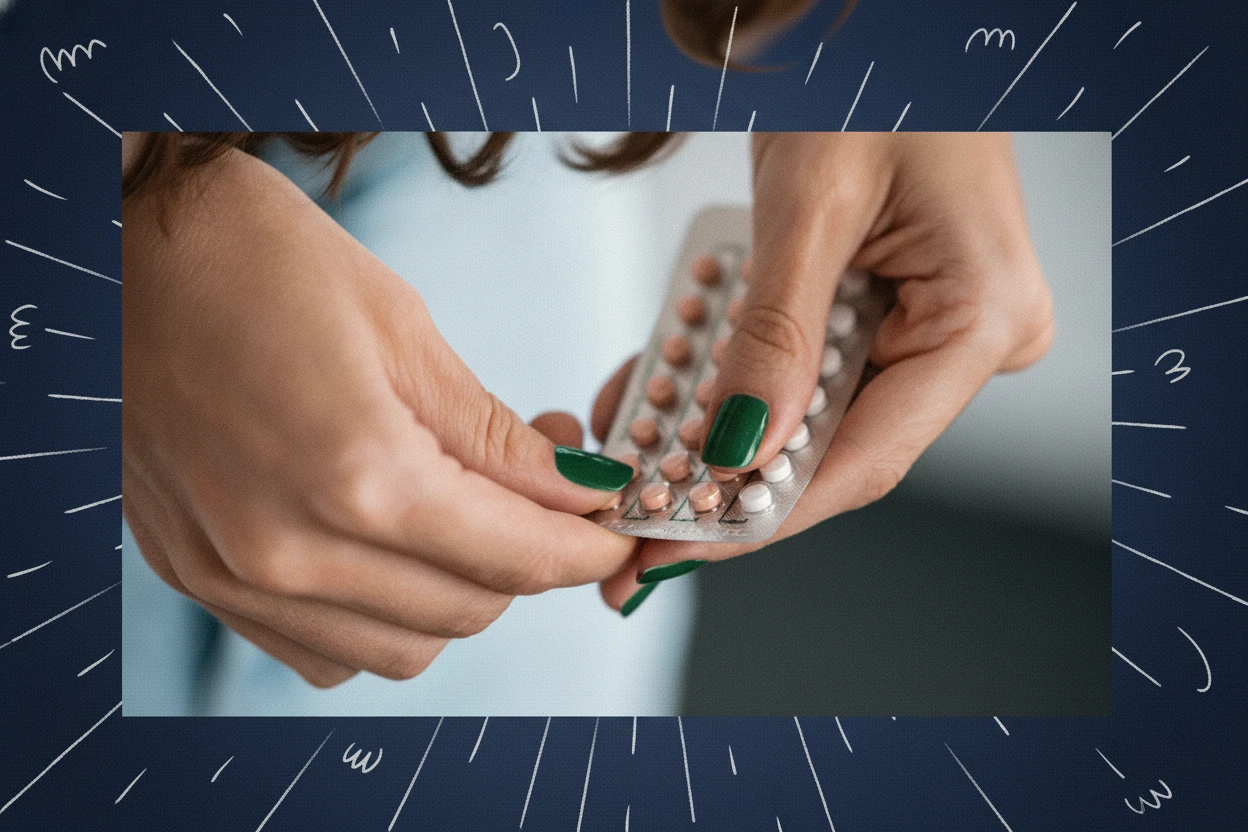
Birth control is used by millions worldwide to prevent pregnancy and manage various health conditions. Research shows that long-term use of hormonal contraceptives is generally safe and does not cause lasting fertility problems12. However, factors like age and contraceptive type can influence how quickly fertility returns after stopping birth control34. Understanding these effects helps individuals make informed decisions about contraception and family planning.
Birth Control Safety Duration
There is no fixed maximum duration for hormonal contraceptive use, as safety depends on individual health profiles and risk factors51. Long-term use is common and generally safe, but periodic health evaluations are recommended to monitor cardiovascular risks and other changes5. Decisions about how long to stay on birth control should be personalized, considering medical history and lifestyle67.
Serious side effects are rare but can include blood clots, especially in people who smoke or have a history of clotting disorders8. Some hormonal contraceptives may slightly increase the risk of certain cancers, such as breast and cervical cancer, while reducing the risk of ovarian, endometrial, and colorectal cancers89. Regular consultations with healthcare providers ensure contraceptive choices remain appropriate over time.
- Long-term hormonal contraceptive use is generally safe for most users7.
- There is no set time limit for birth control use; consult a healthcare provider if concerns arise6.
- Monitoring is advised for cardiovascular risk factors during extended use5.
- Risks and benefits depend on personal health and contraceptive type1.
- Switching contraceptive methods can help manage side effects or health changes8.
Fertility After Stopping Birth Control
Fertility typically returns quickly after discontinuing birth control, with most women conceiving within a year if no other fertility issues exist710. Temporary menstrual irregularities and ovulation delays are common but resolve naturally without intervention1112. Psychological factors such as stress and anxiety about fertility can influence the timing of conception, so reassurance is important1314.
Ovulation usually resumes within weeks after stopping combined oral contraceptives, and pregnancy can occur as soon as ovulation returns2. For some methods like the injectable Depo-Provera, the return to fertility may take longer, sometimes up to 18 months, but eventual fertility is not impaired3. If fertility does not return within a reasonable time, medical consultation is recommended15.
- Fertility generally returns quickly after stopping contraception10.
- Temporary ovulation irregularities may occur but typically resolve11.
- Anxiety about fertility can delay conception timing; reassurance helps14.
- Pregnancy can occur as soon as ovulation resumes after stopping birth control2.
- Medical advice is advised if fertility does not return or concerns arise15.
Long-Term Impact on Fertility
Extensive research confirms that long-term use of birth control does not cause permanent fertility impairment16. Studies show that women who have used hormonal contraceptives conceive at similar rates to those who have never used them72. Some evidence suggests that oral contraceptives may even protect fertility by regulating menstrual cycles and reducing risks associated with certain medical conditions8.
While hormonal contraceptives suppress ovulation during use, this effect is reversible. After discontinuation, normal hormonal levels and ovulation typically return rapidly9. The belief that birth control causes infertility is a myth unsupported by scientific evidence2. However, factors such as age and underlying health conditions remain the primary determinants of fertility3.
- Birth control does not reduce the ability to conceive after discontinuation17.
- Long-term contraceptive use has no lasting negative effect on fertility18.
- Hormonal contraceptives suppress ovulation temporarily but do not impair future fertility9.
- Some studies suggest contraceptives may protect fertility by managing medical conditions8.
- Fertility rates after stopping birth control are comparable to those who never used it7.
Factors Affecting Time to Conceive
Age
Age is a critical factor influencing fertility after stopping birth control due to the natural decline in ovarian reserve and egg quality over time193. Fertility decreases significantly after age 35, regardless of contraceptive use. Birth control does not accelerate this decline but delaying childbearing while on contraception can affect overall fertility prospects20.
Endometrial Lining
Hormonal contraceptives thin the endometrial lining (the uterine lining), which may temporarily delay embryo implantation after stopping birth control2122. Recovery of the endometrium varies among individuals and can influence the time to conception. Extended use of oral contraceptives may affect endometrial thickness, but this usually normalizes after discontinuation2223.
Different Contraceptive Methods
Different contraceptive methods have varying impacts on the return of fertility24. Injectable contraceptives like Depo-Provera are associated with the longest delay in fertility return, sometimes up to 18 months3. In contrast, intrauterine devices (IUDs) and implants typically allow for quicker fertility recovery, often within a few weeks to months after removal252.
| Contraceptive Method | Typical Fertility Return Time | Notes |
|---|---|---|
| Oral Contraceptives | Within weeks to 1 month | Ovulation resumes quickly2 |
| Hormonal IUDs | Within weeks to 3 months | Endometrial thinning effect25 |
| Implants | 1 to 3 months | Fertility returns after removal2 |
| Injectable (Depo-Provera) | Up to 18 months | Longest delay in ovulation return3 |
| Copper IUD (non-hormonal) | Immediate to weeks | No hormonal effect on ovulation |
Individual Differences
Recovery times vary widely among individuals due to genetic, lifestyle, and health factors26. Stress, body weight, and underlying medical conditions can influence how quickly fertility returns after stopping birth control1311. Personalized medical consultation is recommended if conception does not occur within 12 months or if there are concerns about reproductive health15.
- Age-related decline in fertility is the most significant factor affecting conception time19.
- Hormonal contraceptives thin the uterine lining, potentially delaying implantation temporarily22.
- Injectable contraceptives cause the longest delay in fertility return3.
- IUDs and implants allow for quicker fertility recovery25.
- Individual health, stress, and lifestyle impact time to conceive13.
Summary and Key Points
- Long-term use of hormonal birth control is generally safe and does not cause permanent fertility impairment512.
- There is no fixed maximum duration for birth control use; individualized counseling and periodic health evaluations are important65.
- Fertility typically returns quickly after stopping birth control, with most women conceiving within a year if no other issues exist710.
- Age is the most critical factor influencing fertility, with natural decline in ovarian reserve over time193.
- Different contraceptive methods vary in how quickly fertility returns, with injectables causing the longest delay253.
- Psychological factors like stress and anxiety can affect conception timing and should be addressed with reassurance1314.