acne-bacne-causes-treatments-and-preventionacne-bacne-causes-treatments-and-preventionacne-treatment-guideacne-treatment-guideAcne vulgaris affects up to 85% of adolescents and young adults, with comedones representing the earliest and most common lesion type1. These small bumps form when hair follicles become clogged with excess oil and dead skin cells, leading to blackheads or whiteheads2. While comedones are generally non-inflammatory, they can impact skin texture and psychological well-being, making understanding their causes, treatment, and prevention important34.
Recognizing Comedo Symptoms
Comedones are small, flesh-colored or white bumps on the skin, commonly appearing on the face, upper back, and chest56. They are classified into two types based on their appearance:
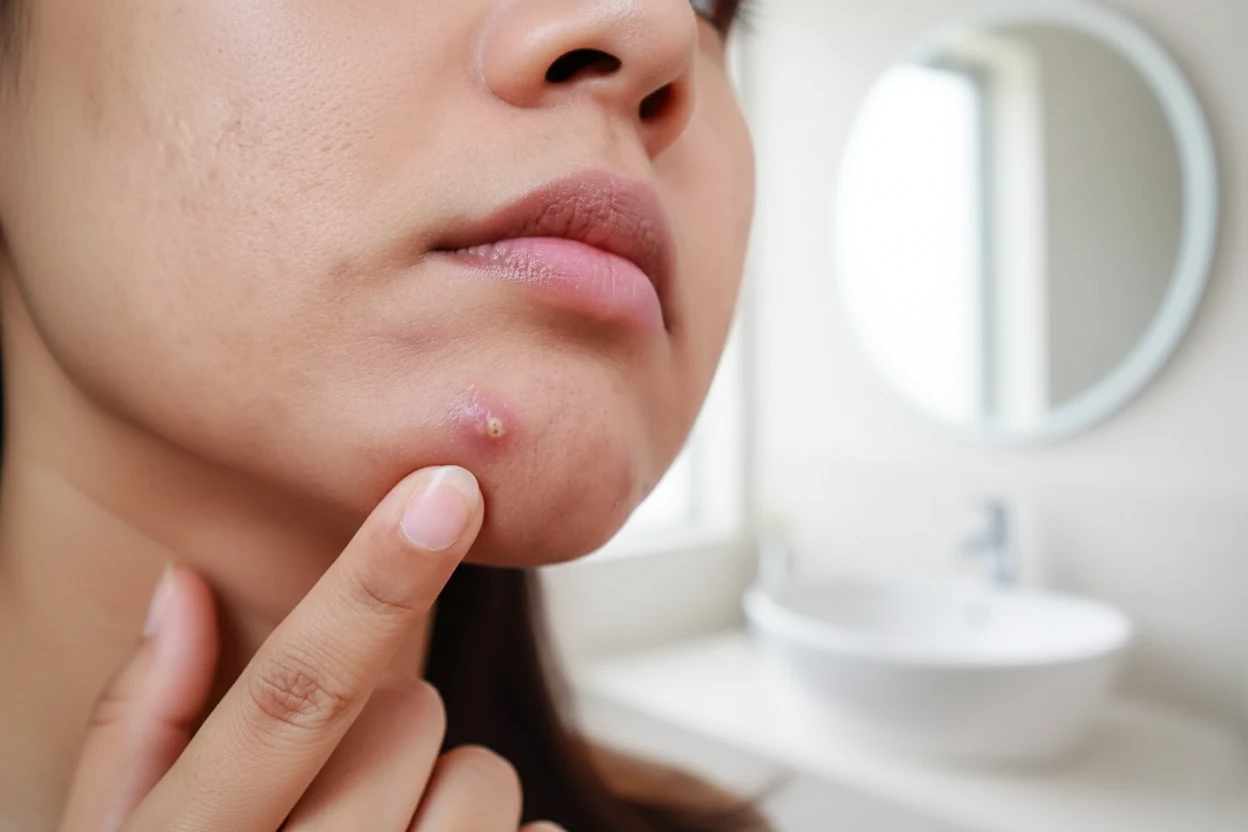
- Closed comedones (whiteheads): These present as small, dome-shaped, skin-colored or white bumps where the follicular opening is completely blocked73. They may cause a rough texture on the skin surface89.
- Open comedones (blackheads): These appear as dark-colored plugs visible at the pore openings due to oxidation of melanin and lipids in the follicular plug514.
Comedones typically occur on the forehead, chin, nose, upper arms, neck, and shoulders613. They do not usually cause pain, redness, or swelling, distinguishing them from inflammatory acne lesions53. However, they can contribute to uneven skin texture and roughness910.
Comedones are non-inflammatory acne lesions that often appear as small bumps on the forehead and chin, making the skin look bumpy and uneven. They are common in adolescents but can affect adults as well.1112
Primary Causes of Comedones
Comedones form when hair follicles or pores become clogged with a mixture of sebum (skin oil), dead skin cells (keratinocytes), and bacteria132. The pilosebaceous unit, which includes the hair follicle and sebaceous gland, undergoes dysfunction characterized by:
- Follicular hyperkeratinization (excessive buildup of keratin cells lining the follicle)1114.
- Increased sebum production driven by androgen hormones1315.
- Colonization by Cutibacterium acnes bacteria, which can contribute to inflammation though comedones themselves are non-inflammatory116.
Open comedones develop when the follicular orifice is dilated and exposed to air, allowing oxidation of the follicular plug, which darkens it and forms blackheads56. Closed comedones occur when the follicular opening remains sealed, trapping the plug beneath the skin surface82.
Risk Factors
Several factors increase susceptibility to comedonal acne:
- Genetic predisposition: Family history influences the likelihood of developing comedones1517.
- Hormonal influences: Androgens stimulate sebaceous gland activity, increasing sebum production133.
- Excess sebum production: Oily skin is more prone to follicular plugging14.
- Environmental and lifestyle factors: Smoking, high glycemic diets, and certain cosmetic products can worsen comedonal acne11314.
- Skin irritation: Harsh skin care practices, excessive washing, or picking at lesions can exacerbate comedones314.
- Other factors: Overhydrated skin, high humidity, and exposure to certain chemicals or hair products may contribute1114.
“Comedones arise when cells lining the sebaceous duct proliferate (cornification), and there is increased sebum production. A comedo is formed by the debris blocking the sebaceous duct and hair follicle.”
— Dr Amanda Oakley, DermNet New Zealand11
Comedones vs. Other Acne Types
Acne vulgaris includes both non-inflammatory and inflammatory lesions. Comedones are the primary non-inflammatory lesions, differing from other acne types as follows:
- Comedones: Formed by follicular plugging with sebum and keratinous material without redness or swelling513.
- Papules: Inflamed, raised, red, and tender bumps1.
- Pustules: Inflamed lesions containing pus6.
- Nodules and cysts: Larger, deeper, and painful lesions often requiring advanced treatment818.
The key distinction between open and closed comedones lies in whether the follicular orifice is open (blackheads) or closed (whiteheads)58. Blackheads result from oxidation of melanin and lipids in the exposed follicular plug, causing their dark color114. Whiteheads remain covered by skin, appearing as white or flesh-colored bumps32.
Unlike inflammatory acne, comedones typically do not cause pain, erythema (redness), or pus formation53. However, untreated comedones can progress to inflammatory lesions if bacteria proliferate and inflammation develops1916.
Effective Comedo Removal Methods
Removing comedones safely is important to prevent skin damage and scarring. Treatment options include:
- Topical therapies: Over-the-counter and prescription creams containing retinoids, benzoyl peroxide, salicylic acid, or azelaic acid help normalize follicular keratinization, reduce sebum, and clear plugs20212223.
- Manual extraction: Performed by trained professionals using comedone extractors or lancets to safely remove open comedones2425.
- Chemical peels and microdermabrasion: Procedures that exfoliate the skin surface to clear clogged pores318.
- Laser and cryotherapy: Used in resistant cases to reduce sebaceous gland activity and remove stubborn comedones1814.
Precautions
“Comedonal acne is a pattern of acne in which most lesions are comedones. Comedonal acne most often affects the forehead and chin.”
— Dr Amanda Oakley, DermNet New Zealand11
- Avoid picking, squeezing, or forcibly extracting comedones at home to prevent infection, inflammation, and scarring134.
- Use topical retinoids at night and apply sunscreen during the day, as these medications increase skin sensitivity to UV light14.
- Mild skin irritation and dryness are common side effects of topical treatments; using moisturizers and adjusting application frequency can help318.
Preventing Comedones
Prevention focuses on reducing follicular occlusion and bacterial colonization through consistent skincare and lifestyle habits:
- Use gentle cleansing twice daily with non-comedogenic products containing salicylic acid or benzoyl peroxide913.
- Avoid harsh or drying skincare products that disrupt the skin barrier2627.
- Keep hair away from the face and wash hair regularly to reduce oil transfer913.
- Avoid touching or picking at the skin to prevent irritation and secondary infection13.
- Choose oil-free cosmetics and skincare products labeled non-comedogenic32.
Topical retinoids are effective not only for treatment but also for preventing new comedones by promoting exfoliation and normalizing skin cell turnover2022. Persistent or resistant comedonal acne should be evaluated by a dermatologist for tailored therapies28.
“💡 Did You Know? Consistent skincare habits, including regular cleansing and use of non-comedogenic products, are essential for long-term prevention of comedones25.”
Key Takeaways
- Comedones are non-inflammatory acne lesions that appear as blackheads (open) or whiteheads (closed) due to clogged hair follicles with sebum and keratin511.
- Hormonal factors, genetics, excess oil production, and environmental influences increase the risk of developing comedonal acne13153.
- Comedones differ from inflammatory acne lesions by lacking redness, swelling, and pus53.
- Treatment includes topical retinoids, benzoyl peroxide, salicylic acid, and professional extraction for stubborn lesions202125.
- Preventive skincare with gentle cleansing, non-comedogenic products, and avoiding skin irritation is crucial to reduce comedone formation926.