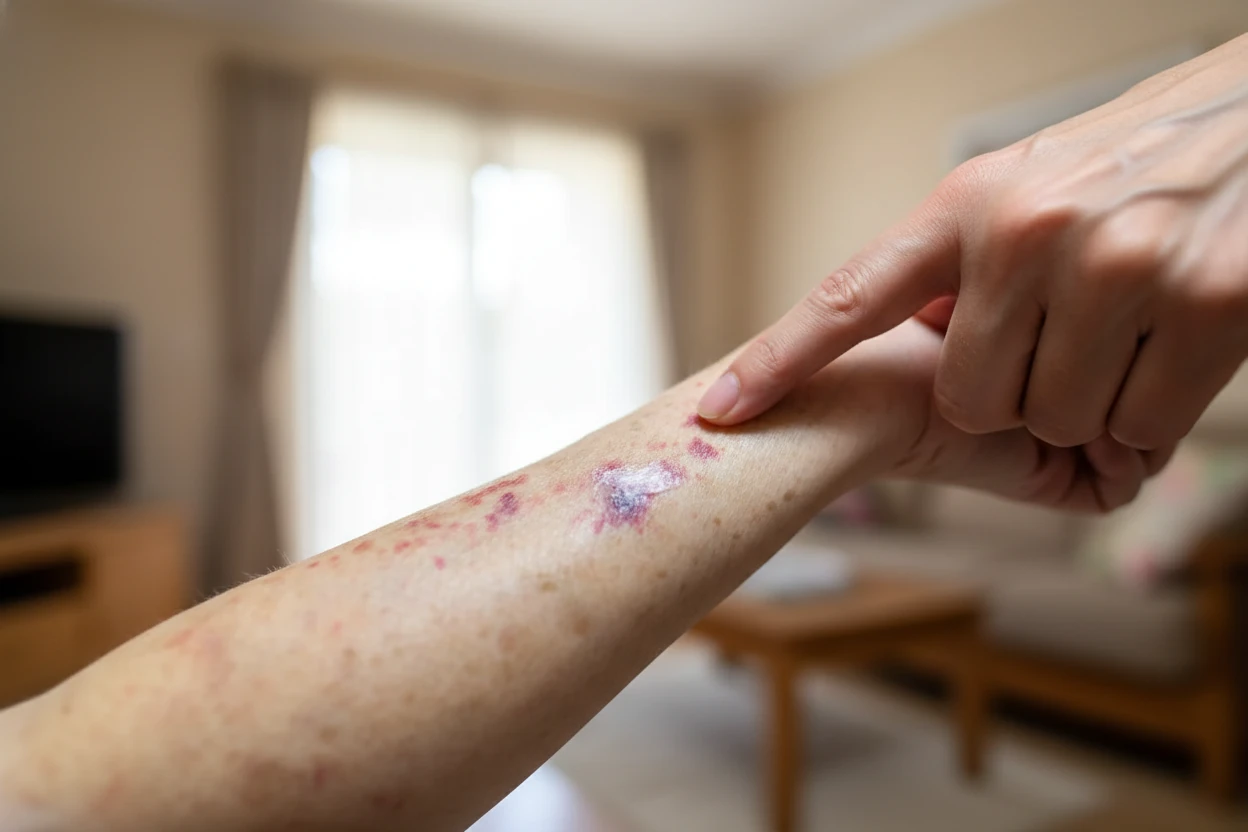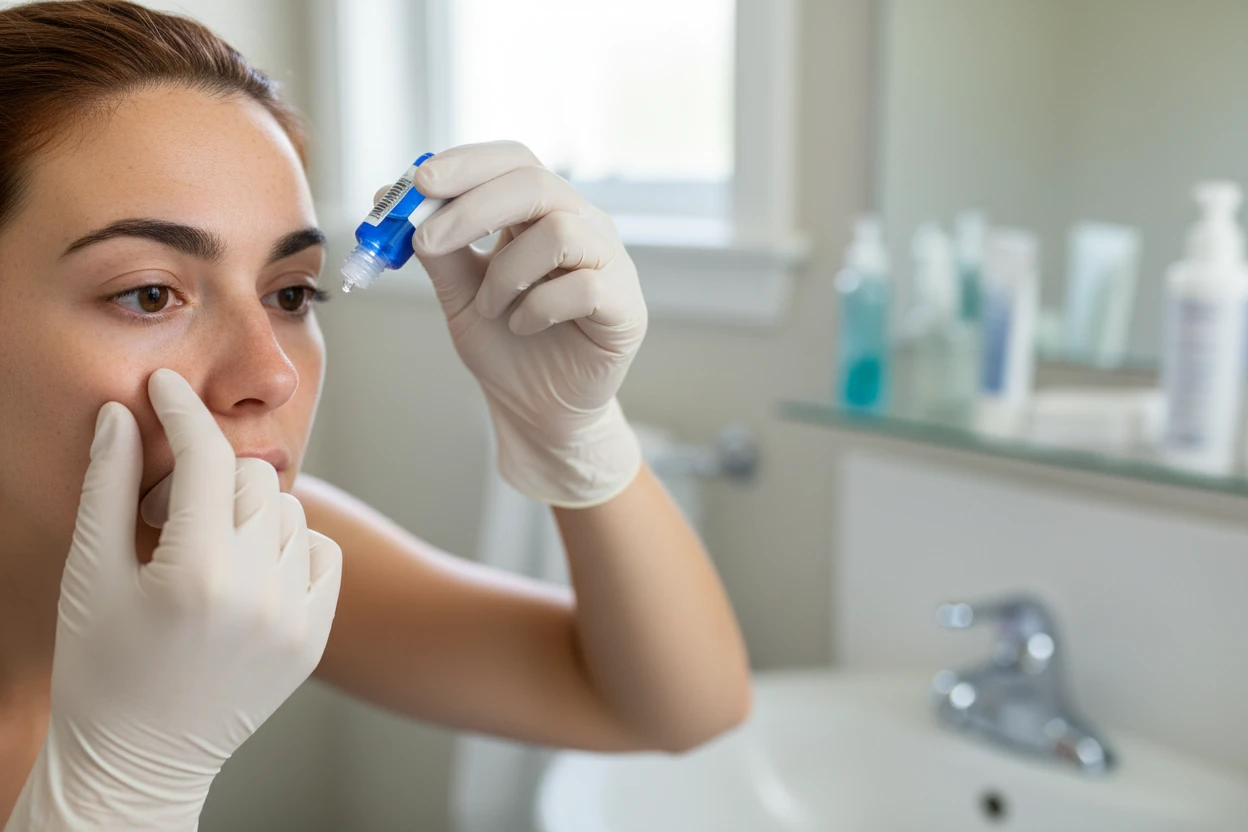
Whiteheads are a common form of acne that affects people of all ages, especially adolescents, with up to 85% experiencing acne at some point in their lives1. These small, raised bumps can appear on the face, chest, back, and other areas rich in oil glands, often causing distress and impacting self-esteem2. Fortunately, whiteheads are treatable with topical medications and lifestyle changes, although patience and consistent care are essential for effective management3.
Identifying Whiteheads
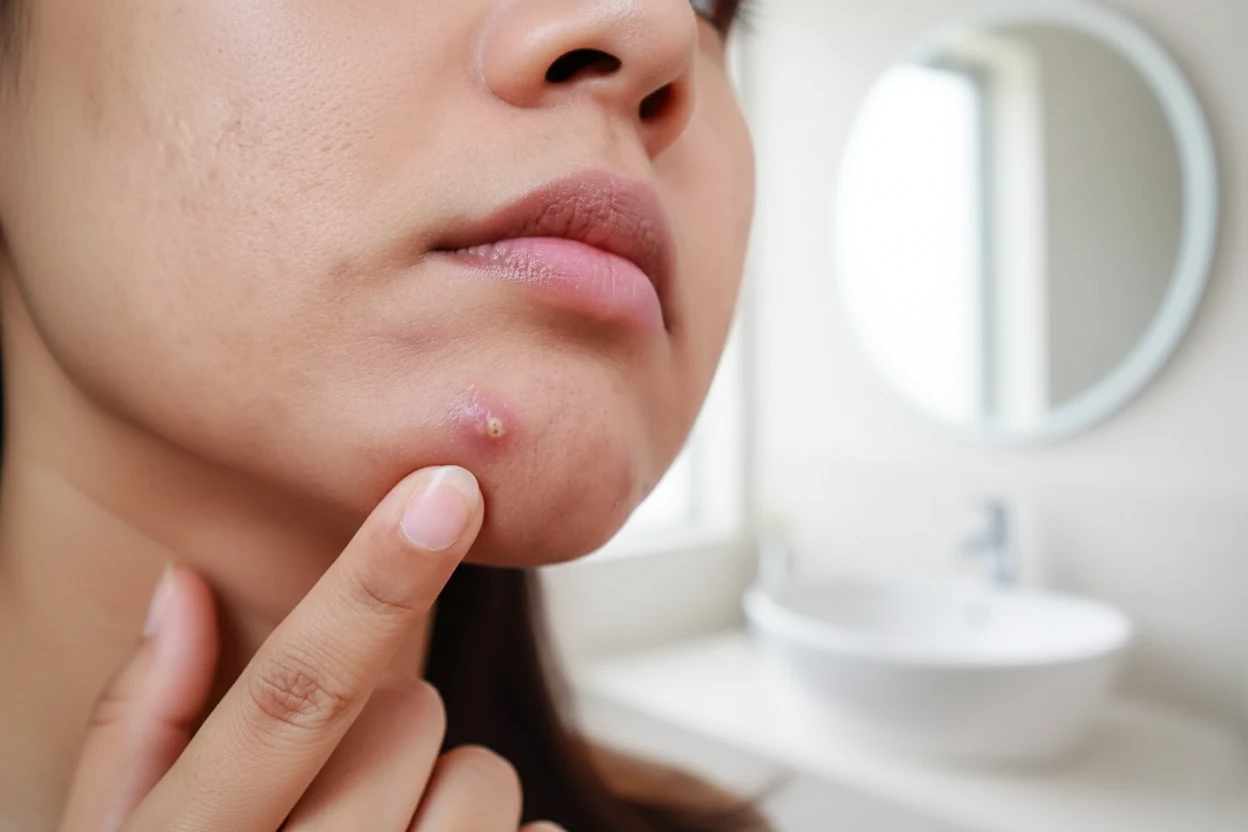
Whiteheads, also known as closed comedones, are non-inflammatory acne lesions that form when hair follicles become clogged with sebum (skin oil) and keratinocytes (skin cells)4. Unlike blackheads, which are open comedones with oxidized contents, whiteheads appear as small, dome-shaped bumps that are white or flesh-colored and lack a visible open pore567. They typically develop in areas with abundant sebaceous glands such as the face, chest, back, and sometimes the neck and upper arms89.
Whiteheads are diagnosed primarily through clinical visual examination by dermatologists or healthcare professionals, without the need for invasive tests10. They may be slightly tender or asymptomatic and are distinguished from other acne types by their closed surface and uniform color2.
Whitehead Causes and Risk Factors
Whiteheads develop due to the obstruction of hair follicles by a combination of excess sebum, dead skin cells, and bacteria, particularly Cutibacterium acnes (formerly Propionibacterium acnes)1112. The pathogenesis involves follicular hyperkeratinization (excessive skin cell buildup), increased sebum production, bacterial colonization, and sometimes inflammation1314.
Several factors contribute to the formation and exacerbation of whiteheads:
- Hormonal fluctuations: Androgens (male hormones) stimulate sebaceous glands to produce more oil, especially during puberty, menstruation, or hormonal therapies1115.
- Genetic predisposition: Family history influences susceptibility to acne and whiteheads16.
- Environmental and lifestyle factors: Stress, lack of sleep, smoking, and diet (notably high glycemic foods and dairy) may worsen acne171418.
- Comedogenic products: Use of oily or pore-clogging cosmetics, hair products, and skincare items can promote whitehead formation202122.
- Mechanical irritation: Frequent touching, friction from clothing or sports equipment, and harsh skin care practices can aggravate lesions2322.
Whiteheads can affect individuals across all ages, including children, adolescents, and adults, with some adults developing acne for the first time later in life13124.
Whitehead Removal and Treatment Options
Effective treatment of whiteheads targets the underlying causes: reducing sebum production, normalizing skin cell turnover, and controlling bacterial growth and inflammation252627. The mainstay therapies include topical agents such as benzoyl peroxide and retinoids.
- Benzoyl peroxide: Acts as an antimicrobial agent reducing Cutibacterium acnes on the skin surface and has anti-inflammatory effects252628.
- Topical retinoids: Vitamin A derivatives like adapalene and tretinoin promote exfoliation, prevent follicular plugging, and reduce sebum production272930. Adapalene is often preferred for its better tolerability and availability over the counter3124.
- Salicylic acid: A beta-hydroxy acid that exfoliates dead skin cells and helps unclog pores2824.
- Combination therapy: Using benzoyl peroxide in the morning and retinoids at night can improve outcomes while minimizing irritation3224.
- Prescription options: For persistent or severe cases, dermatologists may prescribe stronger retinoids, oral antibiotics, hormonal treatments, or perform professional comedone extraction333424.
“There are so many good products over the counter, so that’s the plus side. The downside is that because there are so many, it can be difficult to know where to start. And, unfortunately, no matter what TikTok tells you, there’s just not anything that’s going to take away your acne before prom tomorrow. It takes time and consistency.”
— Sara Perkins, MD, Yale Medicine24
Avoiding improper removal techniques is crucial to prevent worsening of whiteheads:
- Do not squeeze or pop whiteheads: This can introduce bacteria, cause infection, increase inflammation, and lead to scarring22428.
- Avoid excessive touching or rubbing: Mechanical irritation can exacerbate acne lesions23.
- Limit use of multiple acne products simultaneously: Overuse can cause skin dryness, irritation, and flaking1824.
- Do not use harsh scrubs or overly acidic home remedies: Some natural treatments like lemon juice or baking soda may irritate sensitive skin28.
Preventing Whitehead Formation
Prevention focuses on maintaining clear pores by managing excess oil, dead skin cells, and bacteria while avoiding triggers that promote clogging or irritation3521. Key preventive measures include:
- Use gentle, non-irritating cleansers twice daily to maintain skin barrier integrity and remove excess sebum without over-drying3628.
- Avoid harsh scrubbing or exfoliating more than a few times per week to prevent skin irritation3728.
- Remove makeup completely before sleep and choose oil-free, non-comedogenic cosmetic products38213.
- Wash hair regularly and keep hair products away from the face to reduce pore blockage393.
- Minimize touching the face and avoid friction from tight clothing or sports gear2322.
- Manage lifestyle factors such as stress, sleep, and diet, aiming for a balanced, low-glycemic diet and reducing dairy intake if sensitive181940.
- Use broad-spectrum, non-comedogenic sunscreen daily to protect skin and prevent irritation from sun exposure3.
| Prevention Tips | Purpose |
|---|---|
| Gentle cleansing | Removes oil and debris without irritation3628 |
| Non-comedogenic products | Prevents pore clogging213 |
| Makeup removal | Avoids buildup of comedogenic substances383 |
| Hair care hygiene | Reduces oil transfer to facial skin393 |
| Lifestyle management | Controls hormonal and inflammatory triggers1819 |
“If you’ve tried OTC products for six to eight weeks and haven’t achieved the results you want or if your acne is scarring your skin or affecting your confidence, it may be time to see a dermatologist.”
— Sara Perkins, MD, Yale Medicine24
Key Takeaways
- Whiteheads are closed comedones caused by clogged hair follicles with sebum, dead skin cells, and bacteria46.
- Hormonal changes, genetics, lifestyle, and comedogenic products contribute to their formation111720.
- Treatment involves topical benzoyl peroxide and retinoids, often requiring weeks of consistent use for improvement253141.
- Avoid popping or squeezing whiteheads to prevent infection, inflammation, and scarring224.
- Preventive care includes gentle cleansing, non-comedogenic products, makeup removal, and lifestyle adjustments35213.