Anemia affects about one in three people worldwide, making it a major global health concern1. This condition occurs when the body lacks enough healthy red blood cells or hemoglobin, the protein responsible for carrying oxygen to tissues2. Without adequate oxygen delivery, individuals with anemia often experience a range of symptoms that can vary from mild to severe depending on the cause and extent of the anemia3. Early recognition of these symptoms is crucial for timely diagnosis and treatment to prevent complications4.
Fatigue and Extreme Tiredness
Fatigue is the most common symptom reported by individuals with anemia, affecting up to 30% of people in population studies5. It is often the first sign before other symptoms appear4. Red blood cells carry oxygen, which is essential for producing energy in cells; when their numbers are low, tissues receive less oxygen, leading to persistent tiredness and weakness4. The heart tries to compensate for this oxygen shortage by pumping more blood-test-guideblood-test-results-meaning-and-normal-rangeblood, which can also contribute to feelings of exhaustion4. Fatigue in anemia may also be accompanied by impaired cognition and irritability4.
- Fatigue and weakness are hallmark symptoms of anemia regardless of its cause4.
- Reduced oxygen delivery to muscles and organs causes decreased physical performance4.
- The heart increases cardiac output to compensate, which can worsen fatigue4.
- Cognitive difficulties and irritability may occur due to low oxygen levels in the brain4.
- Persistent tiredness that does not improve with rest should prompt evaluation for anemia1.
Fatigue is often the earliest and most noticeable symptom of anemia. It results from the body's inability to supply enough oxygen to tissues, making everyday activities feel exhausting.15
Pale Skin and Complexion
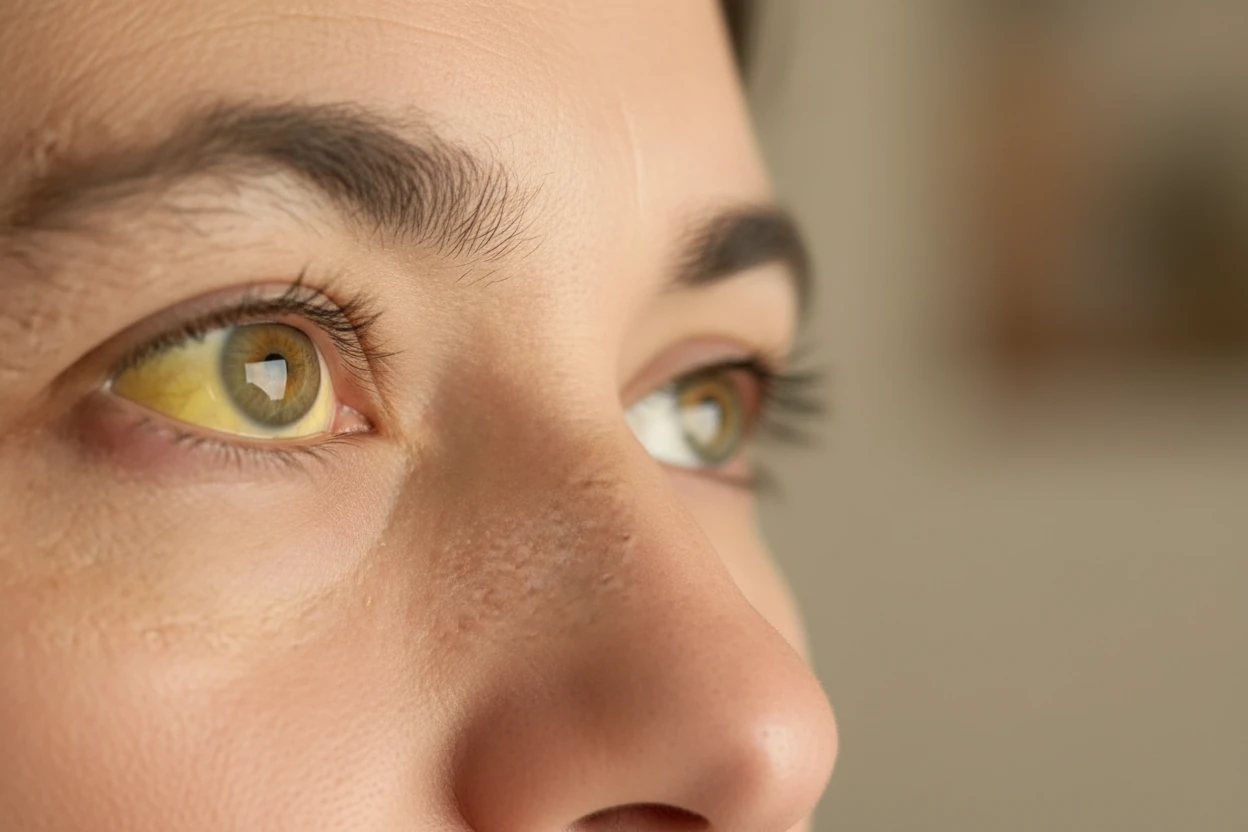
Pallor, or paleness of the skin and mucous membranes, is a classic physical sign of anemia6. It occurs because reduced red blood cell counts lead to less blood flow and diminished skin coloration6. Pallor can be generalized or localized, often most visible in the conjunctiva (the inner eyelids), nail beds, and palms7. In children, pallor is a sensitive and specific sign for moderate to severe anemia, making it a useful screening tool especially in resource-limited settings7.
- Pallor results from decreased blood flow and fewer red blood cells in the skin6.
- The conjunctiva, nail beds, and palms are common sites to observe pallor7.
- In children, pallor is 66% sensitive and 68% specific for moderate anemia, and 93% sensitive for severe anemia7.
- Generalized pallor may indicate more severe or widespread anemia6.
- Detecting pallor can help identify anemia early, especially where laboratory testing is limited7.
Headaches and Dizziness
Headaches are reported by up to 16% of people with anemia, with a stronger association in those who have iron deficiency5. The exact cause of headaches in anemia is not fully understood but may involve reduced oxygen supply to the brain (cerebral hypoxia) or altered cerebral blood flow8. Dizziness or lightheadedness often accompanies headaches and results from decreased oxygen delivery to the brain and low blood pressure43.
- Headaches are common in iron deficiency anemia and may worsen with severity8.
- Cerebral hypoxia caused by anemia can trigger headaches5.
- Dizziness and lightheadedness are frequent symptoms due to reduced oxygen to the brain4.
- Anemia increases the risk of idiopathic intracranial hypertension, which can cause headaches, especially in obese women8.
- Menstruating women with iron deficiency anemia are more likely to experience headaches8.
Shortness of Breath
Shortness of breath, or dyspnea, affects up to 29% of individuals with anemia and often correlates with the severity of the condition5. Low hemoglobin reduces the blood’s oxygen-carrying capacity, causing tissues to receive less oxygen4. This leads to difficulty breathing, especially during physical activity, as the body tries to meet oxygen demands4. Persistent or worsening dyspnea should prompt medical evaluation as it may indicate severe anemia or other health issues4.
- Anemia impairs oxygen delivery, leading to shortness of breath on exertion4.
- Dyspnea severity often reflects the degree of anemia5.
- Difficulty breathing may limit physical activity and reduce quality of life4.
- Persistent dyspnea requires prompt medical assessment4.
- Shortness of breath may signal severe anemia or underlying comorbidities4.
Heart Palpitations and Irregular Heartbeat
Palpitations and irregular heartbeat are common symptoms in anemia, especially in severe cases4. The heart compensates for low oxygen levels by increasing cardiac output, which can cause tachycardia (fast heartbeat) and palpitations4. This increased workload may lead to arrhythmias (irregular heart rhythms), although the exact mechanisms linking anemia to arrhythmias are not fully understood4. These symptoms can indicate significant anemia and may require urgent medical attention4.
- Anemia increases cardiac workload to maintain oxygen delivery4.
- Palpitations and tachycardia are frequent in moderate to severe anemia4.
- Irregular heartbeats may occur due to changes in cardiac function4.
- These symptoms can be warning signs of serious anemia-related complications4.
- Urgent evaluation is needed if palpitations are accompanied by chest pain or dizziness1.
Anemia symptoms can be subtle initially but tend to worsen as the condition progresses. Prompt medical evaluation and treatment can prevent complications such as heart failure, developmental delays in children, and irreversible nerve damage.10124
Hair, Skin, and Nail Changes
Chronic anemia, especially iron deficiency anemia, can cause distinctive changes in nails, skin, and hair6. Koilonychia, or spoon-shaped nails, is a classic sign of long-standing iron deficiency6. Dry skin and hair loss are more general symptoms caused by tissue hypoxia (low oxygen)6. These changes may appear early and prompt further investigation for anemia or other underlying diseases6.
- Koilonychia is strongly associated with chronic iron deficiency anemia6.
- Dry, brittle hair and hair loss can result from anemia-related oxygen deprivation6.
- Dry skin is a common but nonspecific symptom of anemia6.
- Nail, skin, and hair changes should prompt medical evaluation for anemia6.
- These signs may also indicate other health conditions beyond anemia6.
Sore or Swollen Tongue
Oral symptoms such as tongue swelling, soreness, and burning are common in iron-deficiency anemia6. Glossitis, characterized by a smooth, pale, and swollen tongue, is a typical finding6. Other oral manifestations include angular cheilitis (cracking at the corners of the mouth) and mouth ulcers6. These symptoms often improve with iron supplementation6.
- Iron-deficiency anemia can cause glossitis with a smooth, swollen tongue6.
- Burning mouth syndrome is frequently reported in anemia6.
- Angular cheilitis and mouth ulcers are associated oral signs6.
- Oral symptoms may be early indicators of anemia6.
- Treatment with iron supplements usually reverses these changes6.
Nerve Damage Symptoms
Vitamin B12 deficiency anemia can cause neurological symptoms due to nerve damage6. These include peripheral neuropathy (numbness or tingling in hands and feet), ataxia (loss of coordination), and cognitive changes6. If untreated, nerve damage may become irreversible, making early diagnosis and treatment critical610.
- Vitamin B12 deficiency anemia can lead to peripheral neuropathy6.
- Loss of reflexes and muscle weakness may develop6.
- Ataxia and gait disturbances are common neurological signs6.
- Cognitive impairments can occur in advanced cases6.
- Prompt treatment is essential to prevent permanent nerve damage10.
Anemia Symptoms in Children
Iron deficiency anemia is the most common anemia type in children, affecting up to 25% of preschool-age children globally1112. Symptoms in children include pallor, fatigue, poor growth, and developmental delays1312. Rapid growth increases iron needs, making children more susceptible13. Other signs include pica (craving non-food items) and decreased appetite13.
- Iron deficiency anemia is the leading cause of anemia in children11.
- Pallor of the sclera and skin is a key sign in pediatric anemia13.
- Fatigue and poor growth are common symptoms12.
- Pica and loss of appetite may indicate anemia13.
- Early diagnosis and treatment prevent developmental delays12.
When to See a Doctor
Medical evaluation is necessary when symptoms suggest anemia or if symptoms worsen despite treatment4. Mild anemia may be asymptomatic, but symptoms such as fatigue, pallor, shortness of breath, or palpitations indicate more severe disease4. Pregnant women and children are high-risk groups who should seek prompt care4. Untreated anemia can lead to serious complications including heart problems and poor pregnancy outcomes4.
- Seek medical advice if fatigue, pallor, or shortness of breath persist4.
- Symptoms worsening over two weeks warrant evaluation1.
- Pregnant women with anemia symptoms should consult a healthcare provider4.
- Children showing signs of anemia need early assessment and treatment4.
- Early diagnosis improves outcomes and prevents complications4.
Iron deficiency anemia is the most common type worldwide and often presents with fatigue, pallor, and shortness of breath. Including iron-rich foods in the diet and timely supplementation can help prevent and treat this condition.1516
Summary of Anemia Symptoms
Anemia presents with a wide range of symptoms caused by reduced oxygen delivery to tissues. Common signs include:
- Fatigue and extreme tiredness due to low oxygen and increased cardiac workload45.
- Pale skin and mucous membranes from reduced blood flow and red blood cells67.
- Headaches and dizziness linked to cerebral hypoxia and iron deficiency85.
- Shortness of breath reflecting impaired oxygen transport45.
- Heart palpitations and irregular heartbeat caused by increased cardiac output4.
- Changes in hair, skin, and nails such as koilonychia and hair loss6.
- Sore or swollen tongue and oral symptoms like glossitis and angular cheilitis6.
- Neurological symptoms in vitamin B12 deficiency including numbness and ataxia610.
- In children, pallor, fatigue, poor growth, and developmental delays are key signs1312.
Early recognition and treatment of anemia are essential to prevent serious health issues and improve quality of life414.