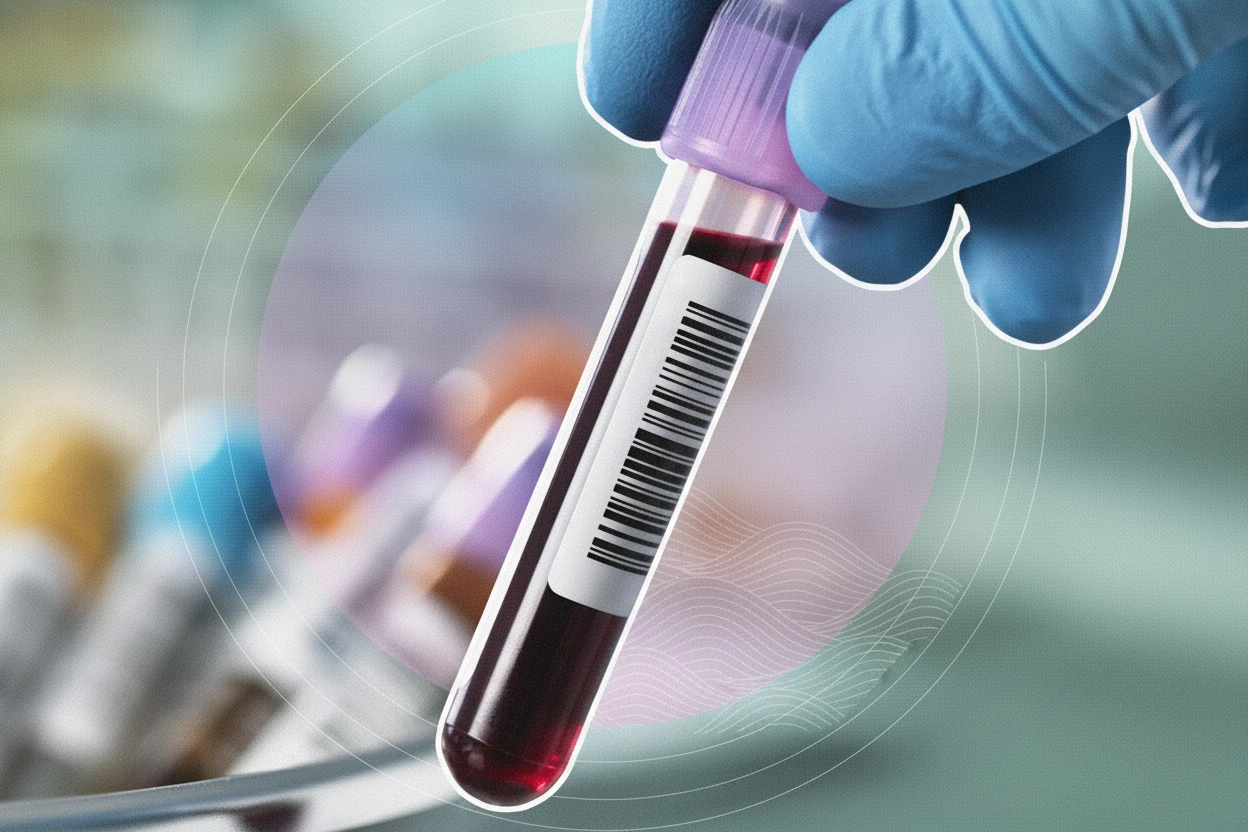
Mean corpuscular hemoglobin (MCH) measures the average amount of hemoglobin in each red blood cell, providing important insight into norovirus symptoms beyond vomiting and diarrhea health and oxygen delivery1. It is a standard part of the complete blood count (CBC) test, which evaluates various blood components to help diagnose conditions such as anemia and other blood disorders2. Abnormal MCH levels, either low or high, can indicate underlying nutritional deficiencies or diseases that affect red blood cell production3.
Measuring MCH in Blood Tests
MCH is determined through a routine blood test called a complete blood count (CBC), which analyzes the number, size, and content of blood cells4. During the test, a blood sample is drawn from a vein, usually in the arm, and analyzed by automated instruments1. The MCH value is calculated by dividing the total hemoglobin concentration by the number of red blood cells, reflecting the average hemoglobin content per red blood cell5.
The CBC test also measures other red blood cell indices such as mean corpuscular volume (MCV), which indicates the average size of red blood cells, and mean corpuscular hemoglobin concentration (MCHC), which measures hemoglobin concentration relative to cell size1. These values together help healthcare providers assess red blood cell health and diagnose different types of anemia2.
Typical MCH Ranges
MCH levels are reported in picograms (pg) per red blood cell. Although reference ranges can vary slightly between laboratories, typical adult MCH values generally fall between 27 and 33 pg per cell6. Values below this range indicate low MCH, while values above suggest high MCH3.
| MCH Range | MCH Level (pg) |
|---|---|
| Low | Less than 27 pg2 |
| Typical | 27 to 31 pg7 |
| High | More than 31 pg5 |
Normal ranges differ slightly by age, with newborns typically having higher MCH levels (33 to 39 pg) compared to adults8. Interpreting MCH results requires considering other CBC parameters and clinical context to accurately diagnose underlying conditions4.
MCH is a key indicator of red blood cell health and oxygen-carrying capacity. It is routinely measured in CBC tests and helps detect anemia and nutritional deficiencies early12.
Low MCH Levels and Causes
Low MCH means that each red blood cell contains less hemoglobin than normal, a condition known as hypochromia3. This often reflects microcytic anemia, where red blood cells are smaller and carry less hemoglobin7. The most common cause of low MCH is iron-deficiency anemia, resulting from insufficient iron to produce adequate hemoglobin3.
Iron is essential for hemoglobin synthesis, and its deficiency impairs red blood cell production2. Causes of iron deficiency include chronic blood loss (such as heavy menstruation or gastrointestinal bleeding), poor dietary intake, malabsorption syndromes, and increased iron demands during infancy or pregnancy35. Chronic diseases and inflammation can also disrupt iron metabolism, leading to anemia of chronic disease3.
Other causes of low MCH include inherited hemoglobin disorders like thalassemia and sickle cell disease, which affect hemoglobin structure or production9. Kidney disease can reduce erythropoietin production, a hormone critical for red blood cell formation, contributing to low MCH3.
Symptoms of Low MCH
Symptoms of low MCH often relate to anemia and may be absent in mild cases3. When present, common symptoms include:
- Fatigue and weakness3
- Pale or sallow skin7
- Shortness of breath or rapid heartbeat3
- Dizziness or lightheadedness9
- Cold hands and feet3
These symptoms arise due to reduced oxygen delivery to tissues caused by insufficient hemoglobin in red blood cells2.
Low MCH is commonly associated with iron-deficiency anemia, which can result from blood loss, poor nutrition, or chronic illness. Early diagnosis and treatment are important to prevent complications3.
High MCH Levels and Causes
High MCH indicates that red blood cells contain more hemoglobin than normal, often due to larger-than-average red blood cells, a condition called macrocytosis7. Elevated MCH is commonly seen in macrocytic anemias caused by deficiencies in vitamin B12 or folate, both essential for DNA synthesis and red blood cell maturation3.
Folate deficiency anemia arises from inadequate dietary intake or impaired absorption of folate, found in leafy greens and liver3. Certain medications, such as sulfasalazine and triamterene, can interfere with folate metabolism, leading to deficiency3. Vitamin B12 deficiency may result from malabsorption due to intrinsic factor deficiency (pernicious anemia), gastrointestinal disorders like celiac disease or inflammatory bowel disease, or dietary insufficiency in strict vegetarians3.
Other causes of high MCH include liver disease, hypothyroidism, chronic lung diseases such as COPD, and side effects of chemotherapy agents73. Hyperlipidemia can cause falsely elevated MCH by interfering with hemoglobin measurement3.
Symptoms of High MCH
Symptoms of high MCH are usually related to the underlying cause of macrocytic anemia and may include:
- Fatigue and weakness3
- Pale or yellowish skin7
- Headache and dizziness3
- Brittle nails and poor concentration7
- Gastrointestinal symptoms such as nausea, vomiting, and loss of appetite3
- Neurological symptoms in vitamin B12 deficiency, including tingling or numbness in hands and feet, difficulty walking, and cognitive changes3
These symptoms reflect impaired oxygen delivery and, in some cases, nerve damage due to vitamin deficiencies3.
High MCH often indicates vitamin B12 or folate deficiency anemia, which can cause neurological and gastrointestinal symptoms if untreated. Prompt diagnosis and supplementation are critical3.
Treating Abnormal MCH Results
Treatment for abnormal MCH levels depends on identifying and addressing the underlying cause3. A healthcare provider will evaluate MCH alongside other CBC parameters such as MCV and red blood cell count to determine the type of anemia or blood disorder present2.
For low MCH caused by iron-deficiency anemia, treatment typically includes:
- Iron supplementation, either oral or intravenous depending on severity3
- Dietary changes to increase iron intake, including red meat, beans, and leafy greens5
- Addressing sources of blood loss, such as gastrointestinal bleeding or heavy menstruation3
For high MCH due to vitamin B12 or folate deficiency, treatment involves:
- Vitamin B12 injections or oral supplements, especially if absorption is impaired3
- Folate supplementation and dietary adjustments to include folate-rich foods3
- Managing underlying conditions affecting absorption, such as celiac disease or pernicious anemia3
Other causes of abnormal MCH, such as chronic diseases or medication effects, require treating the primary condition3. In severe or refractory cases, options like blood transfusions or hematopoietic stem cell transplantation may be considered3.
| Treatment Approach | Low MCH (Iron Deficiency) | High MCH (B12/Folate Deficiency) |
|---|---|---|
| Supplements | Iron supplements3 | Vitamin B12 and folate supplements3 |
| Dietary Changes | Iron-rich foods5 | Folate and B12-rich foods3 |
| Address Underlying Causes | Control bleeding, improve absorption3 | Treat malabsorption or autoimmune causes3 |
| Advanced Therapies | Blood transfusion if severe3 | B12 injections if absorption impaired3 |
Abnormal MCH values are pieces of information your healthcare provider will consider alongside other health data. Some causes of abnormal MCH results, such as blood disorders, may require careful monitoring and treatment1.
MCH Levels Summary
MCH is a valuable blood test parameter that reflects the average hemoglobin content per red blood cell, providing insight into oxygen-carrying capacity and red blood cell health1. Normal MCH ranges generally fall between 27 and 33 picograms per cell in adults6. Low MCH is commonly associated with iron-deficiency anemia and related conditions that reduce hemoglobin synthesis or red blood cell production3. High MCH often indicates macrocytic anemia caused by vitamin B12 or folate deficiency, as well as other systemic diseases3.
Accurate diagnosis of abnormal MCH levels requires interpreting results in the context of other CBC indices and clinical findings2. Treatment focuses on correcting nutritional deficiencies, managing chronic diseases, and addressing underlying causes to restore normal blood health3. Regular monitoring and early intervention can prevent complications and improve patient outcomes3.
Key Takeaways
- MCH measures the average hemoglobin per red blood cell and is part of a routine CBC1.
- Low MCH typically indicates iron-deficiency anemia and related blood disorders3.
- High MCH is often caused by vitamin B12 or folate deficiency and macrocytic anemia3
- Treatment depends on the underlying cause and may include supplements, dietary changes, and managing chronic conditions3.
- Interpreting MCH alongside other blood indices improves diagnosis and guides effective treatment2.