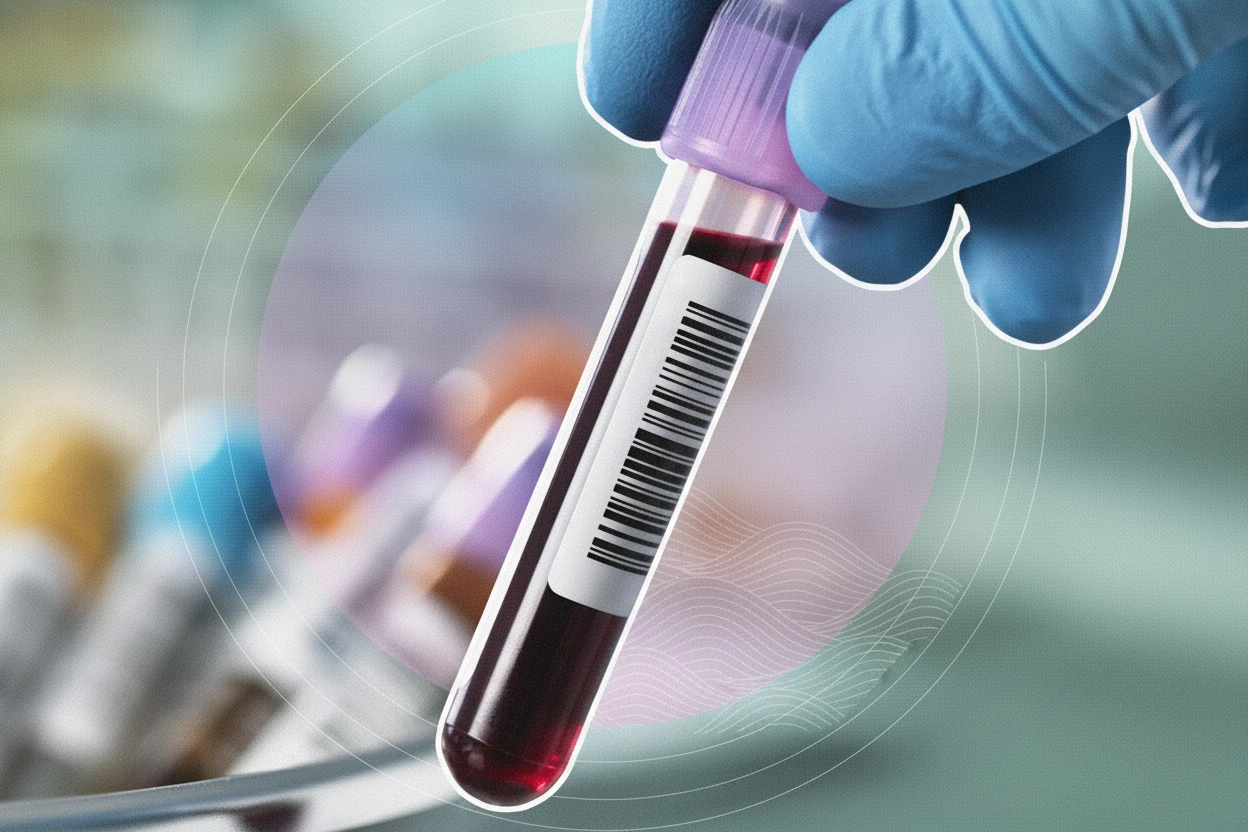
Ferritin is a key protein that stores iron in the body, making it essential for maintaining healthy iron levels. About 10% of men and 2% of women exceed the upper reference limit for ferritin, highlighting the importance of understanding this biomarker for iron-related health issues1. Monitoring ferritin levels helps diagnose iron deficiency and iron overload conditions, which can significantly impact overall health2. Proper interpretation of ferritin tests guides effective treatment and prevention strategies for abnormal iron status3.
How Is Ferritin Tested?
Purpose
A ferritin test measures the amount of ferritin—a blood protein that stores iron—in the blood-cell-count-causes-symptoms-and-treatmentblood-test-results-meaning-and-normal-rangeblood. This test helps healthcare providers determine how much iron the body has stored4. Ferritin levels reflect the size of the body's iron reserves and are used to assess iron status and diagnose disorders related to iron metabolism5. Low ferritin is a sensitive indicator of iron deficiency anemia, while elevated ferritin may indicate iron overload, inflammation, liver disease, or malignancy65.
Procedure
Blood is drawn from a vein, usually in the arm, to measure serum or plasma ferritin concentration7. The sample is analyzed using immunoassay techniques such as immunoturbidimetric or electrochemiluminescence methods, which have different reference ranges due to assay variation89. Patients may be asked to fast if other tests are ordered alongside ferritin, but fasting is generally not required if ferritin is the sole test410. The test is quick and involves minimal risk, with possible mild discomfort or bruising at the needle site10.
Interpreting Results
Ferritin is reported in micrograms per liter (μg/L) or nanograms per milliliter (ng/mL), which are equivalent units7. Reference intervals vary by method, population, age, and sex. For example, Australian adult reference ranges are approximately 15–400 μg/L for females and 30–500 μg/L for males1. Normal ranges for adults are roughly 24 to 336 ng/mL for men and 11 to 307 ng/mL for women411.
Low ferritin levels indicate depleted iron stores and may signal iron deficiency anemia5. High ferritin levels can reflect iron overload or be elevated due to inflammation, liver disease, malignancy, or acute illness6. Because ferritin is an acute-phase reactant, levels can rise temporarily during infections or inflammatory conditions, complicating interpretation612. Therefore, clinical context and additional tests are often needed to clarify abnormal results6.
“A ferritin test measures the amount of ferritin in the blood. Ferritin is a blood protein that contains iron.4”
Causes and Symptoms of High Ferritin Levels
Causes of High Ferritin Levels
Elevated ferritin, or hyperferritinemia, can arise from various causes beyond iron overload. About 10% of men and 2% of women exceed the upper reference limits in the general population1. Common causes include:
- Iron overload disorders such as hereditary hemochromatosis, which cause excessive iron absorption and organ deposition6.
- Chronic inflammation and infections, as ferritin is an acute-phase reactant that increases during these states613.
- Liver diseases, including alcoholic liver disease and chronic liver conditions, frequently elevate ferritin16.
- Malignancies, especially hematologic cancers, can cause very high ferritin levels, sometimes exceeding 10,000 μg/L6.
- Secondary iron overload from repeated blood transfusions or excessive iron supplementation6.
- Rheumatologic and immunological disorders that cause chronic inflammation1.
Because ferritin rises with inflammation, elevated levels do not always indicate iron overload and require careful clinical evaluation612.
Symptoms of High Ferritin Levels
Symptoms of high ferritin depend largely on the underlying cause. In iron overload conditions such as hemochromatosis, patients may experience:
- Fatigue and loss of energy611.
- Joint pain, especially in knees and hands611.
- Abdominal pain due to liver involvement6.
- Diabetes and cardiomyopathy from organ damage6.
- Low sex drive or erectile dysfunction11.
In cases related to inflammation or malignancy, symptoms may include fever, weight loss, and other signs of systemic illness614.
Elevated ferritin levels can indicate serious conditions such as iron overload, liver disease, or cancer. However, because ferritin is also an acute phase reactant, high levels may reflect inflammation rather than iron excess.126
Causes and Symptoms of Low Ferritin Levels
Causes of Low Ferritin Levels
Low ferritin levels indicate depleted iron stores and are a sensitive marker of iron deficiency. Iron deficiency without anemia is at least twice as common as iron deficiency anemia15. Causes include:
- Inadequate dietary iron intake, common in populations with limited access to iron-rich foods7.
- Blood loss, especially menstrual bleeding in premenopausal women7.
- Malabsorption disorders such as celiac disease or inflammatory bowel disease7.
- Increased iron requirements during pregnancy or growth periods7.
- Chronic inflammation that increases hepcidin, a hormone that restricts iron absorption and promotes iron sequestration16.
A ferritin level below 30 μg/L is generally accepted as diagnostic for iron deficiency in adults, though some studies suggest a threshold of less than 50 μg/L may better reflect early deficiency151718.
Symptoms of Low Ferritin Levels
Low ferritin and iron deficiency can cause symptoms related to reduced oxygen delivery by the blood, including:
- Fatigue and weakness711.
- Pallor or paler-than-usual skin11.
- Shortness of breath and reduced exercise tolerance711.
- Dizziness and rapid heartbeat11.
- Difficulty concentrating and cognitive issues19.
If untreated, iron deficiency may progress to iron deficiency anemia, characterized by low hemoglobin and further worsening of symptoms7.
Low ferritin levels can cause tiredness, weakness, and difficulty concentrating. Early detection and treatment are important to prevent progression to anemia and related complications.197
Treatment for Abnormal Ferritin Levels
Treatment for High Levels
Management of elevated ferritin depends on the underlying cause. For iron overload disorders like hereditary hemochromatosis, the primary treatment is:
- Phlebotomy (regular blood removal) to deplete excess iron stores and prevent organ damage6.
- Iron chelation therapy when phlebotomy is not feasible, such as in patients with transfusion-dependent anemia6.
In cases where high ferritin is due to inflammation or liver disease, treating the underlying condition is essential6. Iron supplementation should be avoided if ferritin is elevated without iron deficiency, as unnecessary iron can worsen overload20.
Treatment for Low Levels
“Ferritin is found in the liver, spleen and bone marrow and is checked to diagnose certain conditions. It is also being studied for its possible role in cancer and neurodegenerative diseases,”
— Jacquelin Danielle Fryer, Banner Sports Medicine Scottsdale19
Iron deficiency is treated primarily with iron supplementation. Oral ferrous salts are the first-line therapy to replenish iron stores20. Treatment duration depends on the severity of deficiency and patient response20. Intravenous iron may be used when oral iron is not tolerated, malabsorption is present, or deficiency is severe20.
Dietary changes to increase iron intake are also recommended, especially foods rich in heme iron such as lean meats and seafood, as well as plant sources combined with vitamin C to enhance absorption19.
Preventing Abnormal Levels
“If you are taking iron supplements, take them with vitamin C on an empty stomach for best results,”
— Jacquelin Danielle Fryer, Banner Sports Medicine Scottsdale19
Prevention strategies focus on maintaining balanced iron levels and addressing underlying causes:
- For iron deficiency, repeat basic blood tests after 8 to 10 weeks to monitor treatment response20.
- Avoid long-term iron supplementation if ferritin levels are normal or high, as this can be harmful20.
- In iron overload, intravenous iron should be discontinued when ferritin exceeds 500–1000 ng/mL to prevent toxicity21.
- Manage chronic diseases and inflammation to prevent secondary iron disorders6.
- Lifestyle modifications such as alcohol cessation can improve iron metabolism in liver disease6.
Regular screening is recommended for individuals with risk factors like family history of hemochromatosis or chronic inflammatory conditions6.
A Quick Review
- Serum ferritin is the most reliable diagnostic test for iron deficiency and iron overload17.
- About 10% of men and 2% of women exceed the upper ferritin reference limit in the general population1.
- Iron deficiency without anemia is common, especially in younger adults, and requires identification and management32.
- Elevated ferritin may reflect iron overload, inflammation, liver disease, or malignancy and requires clinical evaluation6.
- Treatment depends on the cause, with phlebotomy for iron overload and iron supplementation for deficiency620.