Von Willebrand disease (VWD) is the most common inherited bleeding disorder, affecting up to 1% of the U.S. population1. It causes mcv blood test results meaning and normal range to clot improperly due to low levels or dysfunction of von Willebrand factor (VWF), a protein essential for clot formation1. People with VWD may experience symptoms ranging from mild to severe bleeding, depending on the type and severity of the condition2. Understanding the types, symptoms, causes, and treatment options is crucial for effective management and improved quality of life3.
Understanding Von Willebrand Disease Types: VWD Type 1, 2 & 3
Von Willebrand disease is classified into four main types: type 1, type 2, type 3, and acquired von Willebrand disease4. Accurate typing is essential for prognosis and management4.
- Type 1 VWD accounts for approximately 70% of all cases and is generally the mildest form of the disease5. It is characterized by a partial quantitative deficiency of von Willebrand factor, meaning there are lower-than-normal levels of VWF in the blood4. Most people with type 1 have mild symptoms and may only require treatment during surgery or injury3.
- Type 2 VWD represents about 25% of cases and involves a qualitative defect where the von Willebrand factor is present but does not function properly4. This type is associated with more severe bleeding symptoms compared to type 14. Type 2 has several subtypes based on the specific functional defect in VWF2.
- Type 3 VWD is rare, affecting less than 5% of patients, and is the most severe form4. It is characterized by virtually absent von Willebrand factor levels, often accompanied by very low factor VIII levels, leading to severe bleeding episodes64.
- Acquired von Willebrand disease occurs in individuals without a family history and is diagnosed in adulthood7. It is often associated with underlying diseases such as lymphoproliferative, myeloproliferative, and cardiovascular disorders78.
| Type | Prevalence | VWF Level/Function | Severity |
|---|---|---|---|
| Type 1 | ~70% | Partial quantitative deficiency | Mild |
| Type 2 | ~25% | Qualitative defect (dysfunctional VWF) | Moderate to severe |
| Type 3 | <5% | Virtually absent VWF | Severe |
| Acquired VWD | Rare | Due to underlying conditions | Variable |
| Sources:456 | |||
💡 Did You Know?
Von Willebrand disease is a lifelong bleeding condition that makes it hard for blood to clot. People with the condition either have low levels of von Willebrand factor, a protein that helps blood clot, or the protein they have doesn't work well9.
Von Willebrand Disease Symptoms: Easy Bruising, Bleeding & Warning Signs
Symptoms of von Willebrand disease primarily involve excessive mucocutaneous bleeding, which means bleeding from mucous membranes and skin10. The severity and frequency of symptoms vary depending on the type and severity of VWD2.
- Frequent or prolonged nosebleeds (epistaxis) are common and may occur multiple times per year10.
- Oral bleeding, including bleeding from the gums, is typical10.
- Easy bruising with large or raised bruises is a hallmark symptom10.
- Women often experience menorrhagia, which is heavy or prolonged menstrual bleeding10.
- Women with VWD are at increased risk of postpartum hemorrhage after childbirth10.
- Patients may experience prolonged bleeding after trauma, surgery, or dental procedures10.
- Severe cases can present with gastrointestinal bleeding and hematuria (blood in urine)10.
- In rare severe forms, bleeding into joints or soft tissues can cause pain and swelling2.
These symptoms often lead to complications such as iron deficiency anemia, especially in women with heavy menstrual bleeding10.
What Causes Von Willebrand Disease? Genetics & Risk Factors
Von Willebrand disease is caused by genetic mutations affecting the von Willebrand factor protein, which plays a key role in blood clotting4. The inheritance patterns and causes differ among types:
- Inherited VWD types 1, 2, and 3 are present from birth due to genetic mutations4.
- Type 1 VWD is typically inherited in an autosomal dominant pattern, meaning only one mutated gene from a parent is needed to cause the disorder4.
- Types 2 and 3 VWD are often inherited in an autosomal recessive manner, requiring mutated genes from both parents, and are usually more severe4.
- Acquired VWD is not genetic and develops later in life due to underlying medical conditions7.
- Risk factors for acquired VWD include lymphoproliferative and myeloproliferative syndromes, as well as cardiovascular diseases such as aortic stenosis78.
The genetic defects lead to either a deficiency in the quantity or a dysfunction in the quality of von Willebrand factor, impairing the blood's ability to clot properly11.
Diagnosing Von Willebrand Disease: Tests, Factor Levels & Genetic Screening
Diagnosing von Willebrand disease requires a combination of clinical assessment, family history, and specialized laboratory tests12. Because symptoms can overlap with other bleeding disorders, accurate diagnosis is essential for proper treatment12.
- A detailed clinical history of bleeding symptoms and family history of bleeding disorders is the first step12.
- Laboratory tests include a complete blood count (CBC) to check for anemia or platelet abnormalities12.
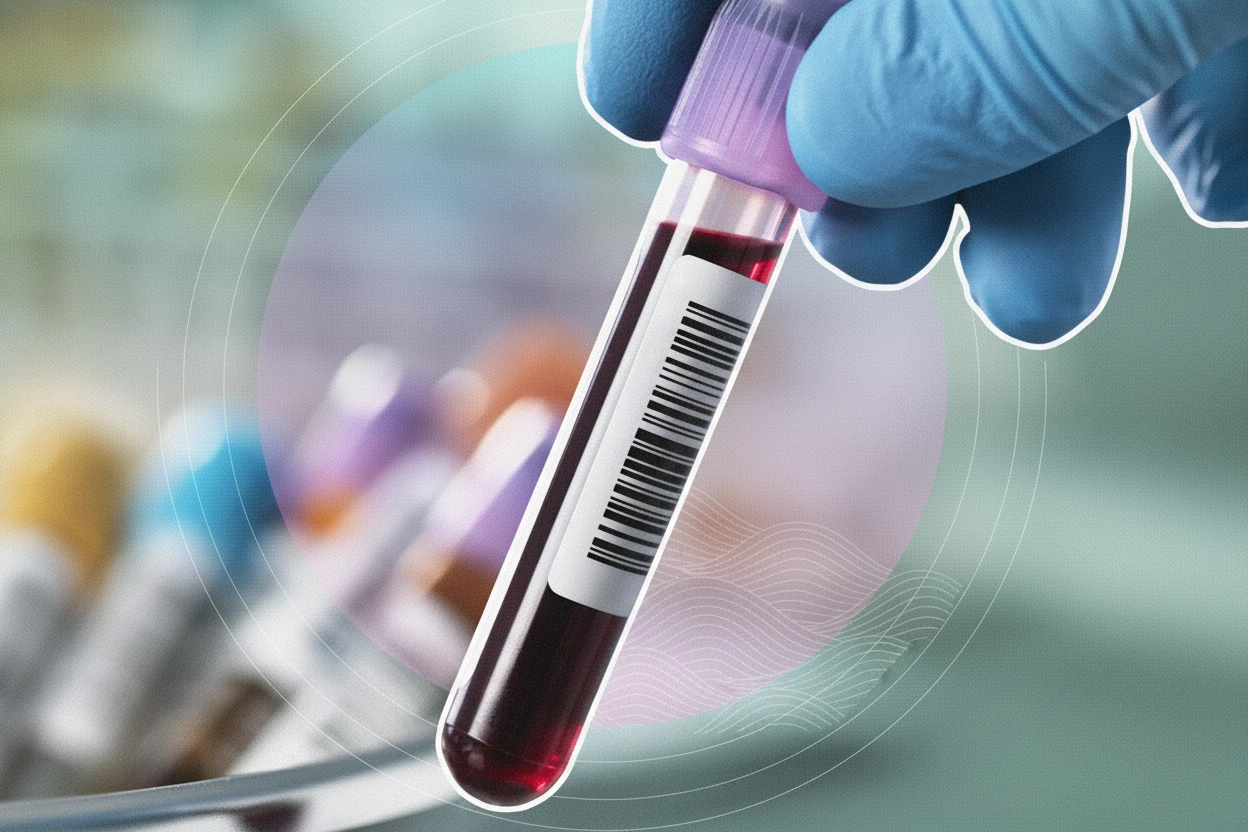
- Von Willebrand factor antigen assay measures the amount of VWF in the blood12.
- Platelet-dependent von Willebrand factor activity assays evaluate how well VWF binds to platelets12.
- Multimer analysis assesses the structure and subtypes of VWF, which is critical for typing VWD12.
- Genetic testing can confirm the diagnosis and help identify the specific subtype of VWD12.
- Diagnosis is typically managed by a hematologist due to the complexity of testing and interpretation12.
Accurate diagnosis helps differentiate VWD from other bleeding disorders and guides appropriate treatment12.
Von Willebrand Disease Treatment: Medications, Therapies & Management Strategies
Treatment for von Willebrand disease is individualized based on the type and severity of the disorder13. Some patients with mild disease may not require therapy, while others with severe or frequent bleeding need targeted treatment13.
Desmopressin
Desmopressin is commonly used as the first-line therapy for many patients with VWD, especially type 113.
- It is available as an injectable or nasal spray formulation13.
- Desmopressin works by stimulating the release of stored von Willebrand factor from the body's cells, temporarily increasing VWF levels13.
- It is most effective in type 1 VWD but may benefit some patients with type 213.
- Some patients do not respond to desmopressin and require alternative treatments13.
Replacement Clotting Proteins
For patients with severe VWD or those who do not respond to desmopressin, replacement therapy with clotting factor concentrates is used13.
- Von Willebrand factor/factor VIII concentrates provide the missing proteins directly to the bloodstream13.
- Recombinant von Willebrand factor (e.g., Vonvendi) is a newer treatment option for severe VWD, offering a purified, recombinant source of VWF1415.
- These concentrates help control bleeding episodes and are used during surgery or major bleeding events13.
Other Drug Approaches
Additional medications may be used to support clotting and reduce bleeding risk13.
- Antifibrinolytic agents help prevent the breakdown of blood clots and are sometimes used as adjunctive therapy13.
- Hormonal therapies, such as birth control pills, may be prescribed to manage heavy menstrual bleeding in women3.
| Treatment Type | Indication | Mechanism | Notes |
|---|---|---|---|
| Desmopressin | Mild to moderate VWD (mainly type 1) | Stimulates VWF release | Injectable or nasal spray |
| VWF/Factor VIII concentrates | Severe VWD or desmopressin non-responders | Replaces missing clotting factors | Includes recombinant options |
| Antifibrinolytic agents | Adjunctive therapy | Prevents clot breakdown | Used with other treatments |
| Sources:131415 | |||
Preventing Bleeding in Von Willebrand Disease: Prophylaxis & Lifestyle Tips
Inherited von Willebrand disease cannot be prevented because it is a genetic disorder present from birth4. However, bleeding episodes can be minimized through proper management and adherence to treatment plans4.
- Regular monitoring and follow-up with a healthcare provider help detect and manage bleeding risks early10.
- Prophylactic treatment before surgeries or dental procedures reduces the risk of excessive bleeding10.
- Avoiding medications that increase bleeding risk, such as aspirin or nonsteroidal anti-inflammatory drugs (NSAIDs), is recommended10.
Co-occurring Conditions with Von Willebrand Disease: What to Know
Chronic blood loss in von Willebrand disease, especially from heavy menstrual bleeding, can lead to iron deficiency anemia10. This condition may require additional treatment alongside VWD management.
- Iron deficiency anemia is common in women with VWD due to menorrhagia10.
- Symptoms of anemia include tiredness, shortness of breath, and pallor10.
- Iron supplementation or therapy is often necessary to correct anemia and improve quality of life10.
Living Well with Von Willebrand Disease: Daily Management & Support
Most people with von Willebrand disease can lead normal lives with appropriate management and care10. Understanding the condition and working closely with healthcare providers is key to minimizing complications.
- Many people with VWD have mild symptoms and may not even know they have the condition2.
- Regular follow-up and monitoring are important to detect changes in bleeding patterns or complications10.
- Prophylactic treatment before invasive procedures helps prevent excessive bleeding10.
- Women with VWD require specialist care during pregnancy due to increased bleeding risks during labor and delivery10.
- A multidisciplinary approach involving hematologists, obstetricians, and other specialists ensures optimal outcomes10.
“We can trace von Willebrand's back to my great grandfather on my dad's side. My father had 4 daughters and a son. All 5 of us have a bleeding disorder.”
— Roberta, HUMATE-P2
Von Willebrand Disease FAQs: Your Questions Answered
Can people with von Willebrand disease live normal lives?
Yes, with proper management, most people with VWD can have a good quality of life and participate in everyday activities10.
Is von Willebrand disease inherited?
Most cases are inherited through genetic mutations passed from parents, but acquired forms can develop later due to other medical conditions47.
What precautions should be taken before surgery?
Patients with VWD often require prophylactic treatment before surgery or dental work to prevent excessive bleeding10.
Is pregnancy safe for women with VWD?
Pregnancy is possible but requires careful monitoring and a multidisciplinary care team to manage bleeding risks during and after delivery10.