Blue fingernails, medically known as cyanosis, occur when there is insufficient oxygen in the blood, causing a bluish tint to the skin and nails1. This condition can be a sign of various underlying health problems, ranging from benign causes like cold exposure to serious cardiopulmonary diseases2. Recognizing the type of cyanosis and its symptoms is essential for timely diagnosis and treatment to prevent complications3.
Types of Cyanosis
Cyanosis is classified into several types based on the location and underlying causes. Understanding these types helps guide diagnosis and management.
Peripheral Cyanosis
Peripheral cyanosis is characterized by bluish discoloration of the fingers, toes, and sometimes the nose and earlobes due to reduced blood flow and oxygen delivery to these areas4. It often results from local vasoconstriction or circulatory issues and is commonly triggered by cold exposure5. The bluish tint may extend to the nose, earlobes, and periorbital skin6. Typically, peripheral cyanosis is benign and improves with warming or massage7. However, persistent peripheral cyanosis after rewarming may indicate underlying cardiac or vascular disease requiring further evaluation7.
Central Cyanosis
Central cyanosis involves a generalized bluish discoloration of the skin and mucous membranes, including the lips, tongue, and inside of the mouth8. It occurs when arterial oxygen saturation falls below 85%, indicating low oxygen levels in the blood9. Cardiopulmonary conditions such as chronic obstructive pulmonary disease (COPD), pneumonia-symptoms-and-treatmentpneumonia-symptoms-and-treatmentpneumonia, and congenital heart defects are common causes10. Abnormal hemoglobin variants can also cause central cyanosis despite normal oxygen levels11. Central cyanosis is more serious than peripheral cyanosis and often requires urgent medical attention12.
Perioral Cyanosis
Perioral cyanosis, also called circumoral cyanosis, presents as bluish-grey discoloration around the lips13. It frequently occurs in infants and young children, especially when exposed to cold environments14. While often benign, persistent perioral cyanosis may signal respiratory or cardiac issues and should be assessed by a healthcare provider15.
Raynaud's Syndrome
Raynaud's phenomenon is a condition causing episodic vasospasm of small arteries in the extremities, leading to color changes including blue discoloration of the fingers and toes16. It affects up to 5% of the population and is a common cause of episodic peripheral cyanosis6. Cold exposure and emotional stress can trigger these vasospastic episodes6. Management includes avoiding cold and using vasodilator medications when necessary6.
Acrocyanosis
Acrocyanosis is a persistent, painless bluish discoloration of the hands and feet caused by vasospasm and increased oxygen extraction in the skin17. It is often benign and seen in healthy individuals, especially young women and infants17. Unlike Raynaud's, acrocyanosis does not cause pain or ulcers and usually does not require treatment17.
“Cyanosis refers to a bluish-purple color of the skin. It is most easily seen where the skin is thin, such as the lips, mouth, earlobes, and fingernails. Cyanosis indicates there may be decreased oxygen in the bloodstream.”
— Carvey Wright, Cincinnati Children's Hospital Medical Center18
Symptoms of Cyanosis
The primary symptom of cyanosis is a bluish discoloration of the skin, nails, and mucous membranes15. This bluish tone may affect the lips, tongue, gums, ears, and nail beds15. In peripheral cyanosis, the discoloration is limited to the extremities such as fingers and toes4. Central cyanosis causes a more generalized bluish tint involving the entire body and visible mucous membranes8. Additional symptoms depend on the underlying cause and may include:
- Shortness of breath or difficulty breathing12
- Chest pain or tightness12
- Fatigue and weakness12
- Swelling of the legs or ankles12
- Confusion or dizziness in severe cases12
In infants, cyanosis may be accompanied by feeding difficulties, poor weight gain, and increased sweating19. Blue fingernails with symptoms such as chest pain, profuse sweating, or fainting require immediate medical attention1.
Causes of Blue Fingernails
Blue fingernails occur when there is not enough oxygen circulating in the blood or when blood flow to the fingers is impaired20. This condition, cyanosis, can result from various causes affecting the lungs, heart, blood vessels, or blood itself2.
Common causes include:
- Lung diseases such as chronic obstructive pulmonary disease (COPD), asthma, pneumonia, acute respiratory distress syndrome (ARDS), pulmonary embolism, and interstitial lung disease21212
- Heart conditions including congenital heart disease, Eisenmenger syndrome, congestive heart failure, and valvular heart disease1912
- Blood disorders like methemoglobinemia, polycythemia vera, and carbon monoxide poisoning12
- Vascular conditions such as peripheral artery disease, blood clots, Raynaud's syndrome, and acrocyanosis12
- Environmental factors like cold exposure causing vasoconstriction and reduced blood flow115
Risk Factors
Risk factors that increase the likelihood of developing cyanosis include:
- Exposure to cold temperatures leading to vasoconstriction and reduced circulation5
- Underlying lung or heart diseases that impair oxygen delivery3
- Genetic or congenital heart defects present from birth19
- Blood disorders affecting hemoglobin function or oxygen carrying capacity17
- Use of certain medications such as beta-blockers that constrict blood vessels12
💡 Did You Know? Blue fingernails may be due to a low level or lack of oxygen circulating in your red blood cells. Having a blue tint to your fingernails is a condition known as cyanosis1.
Diagnosing Cyanosis
Diagnosis of cyanosis involves a thorough clinical evaluation to identify the underlying cause. Healthcare providers begin with a detailed medical history and physical examination focusing on the skin, mucous membranes, and extremities67. They assess for symptoms onset, duration, and associated factors such as cold exposure or respiratory distress5.
Diagnostic Testing
Several tests assist in confirming cyanosis and determining its cause:
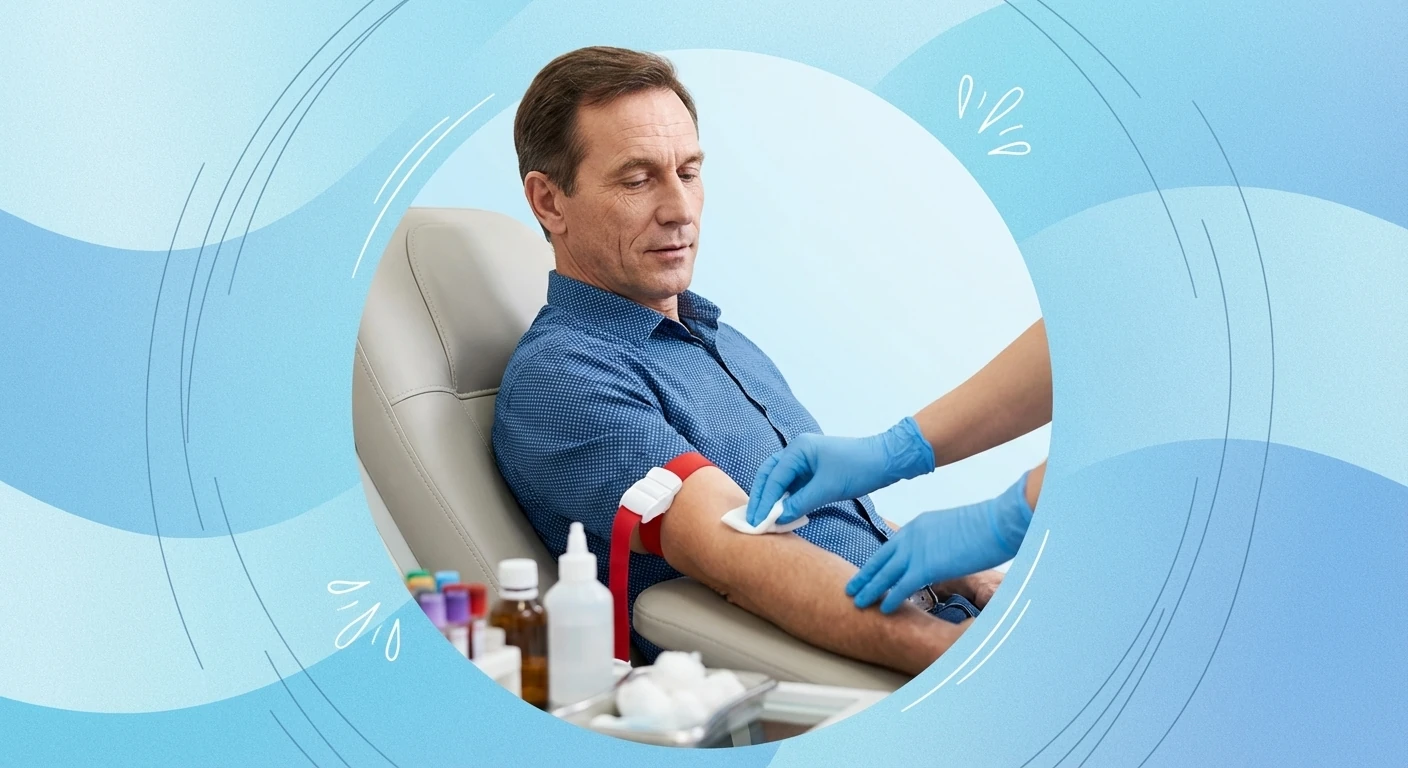
- Pulse oximetry: A noninvasive device clipped onto the fingertip to measure blood oxygen saturation219
- Arterial blood gas (ABG) analysis: A blood test from an artery to measure oxygen, carbon dioxide, and blood pH levels219
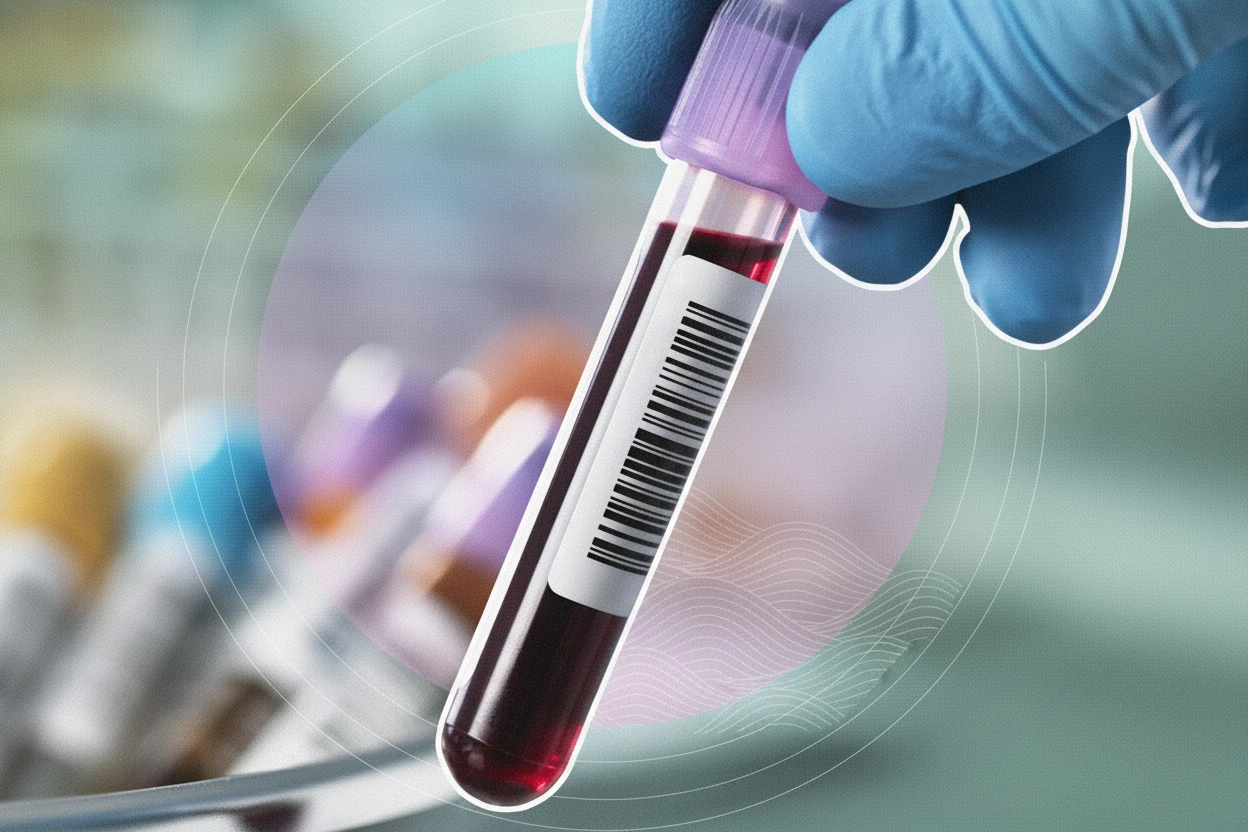
- Complete blood count (CBC): Measures red blood cells and hemoglobin to detect blood disorders219
- Chest X-ray: Imaging to evaluate the lungs, heart, and chest structures for abnormalities219
- Electrocardiogram (ECG): Assesses heart rhythm and detects cardiac abnormalities9
- Echocardiogram and cardiac catheterization: Used when congenital heart disease or structural heart problems are suspected1918
Physical examination may also include checking for finger clubbing, peripheral edema, and signs of respiratory distress127.
“Cyanosis is a bluish color in the skin, lips, and nail beds caused by a shortage of oxygen in the blood. Cyanosis occurs because blood with low levels of oxygen turns blue or purple.”
— Boston Children's Hospital Cardiac Team, Boston Children's Hospital Benderson Family Heart Center22
Cyanosis Treatment Options
Treatment of cyanosis focuses on correcting the underlying cause and restoring adequate oxygen levels in the blood3. Since cyanosis is a symptom rather than a disease itself, managing the root condition is critical235.
Common treatment approaches include:
- Oxygen therapy: Supplemental oxygen increases arterial oxygen saturation and supports organ function2346
- Warming and massage: For peripheral cyanosis caused by cold exposure, rewarming and gentle massage improve circulation7
- Medications: Bronchodilators for COPD, antibiotics for infections like pneumonia, vasodilators for Raynaud's phenomenon, and heart failure drugs896
- Surgery: Corrective surgery for congenital heart defects or vascular abnormalities1912
- Blood disorder management: Treatments such as methylene blue for methemoglobinemia or vitamin supplementation for deficiencies105
The choice of treatment depends on the specific diagnosis and severity of cyanosis3.
Preventing Cyanosis
Prevention strategies focus on reducing risk factors and managing underlying conditions to maintain adequate oxygen delivery3. Key preventive measures include:
- Avoiding cold exposure by wearing warm clothing such as gloves, socks, and jackets57
- Smoking cessation to lower the risk of lung and heart diseases that cause cyanosis6
- Adhering to treatment plans for chronic cardiopulmonary diseases like COPD and heart failure8
- Maintaining a healthy diet and regular exercise to support cardiovascular health9
- Prompt treatment of infections and other acute illnesses that may impair oxygenation7
Lifestyle modifications can reduce the frequency and severity of cyanosis episodes, especially in acquired conditions4.
Potential Complications
If left untreated, cyanosis can lead to serious complications due to sustained tissue hypoxia (lack of oxygen)23. These complications include:
- Organ damage affecting the brain, kidneys, and other vital organs4
- Heart muscle dysfunction and heart failure from chronic low oxygen levels6
- Respiratory failure due to inadequate lung oxygenation capacity5
- Cerebral hypoxia increasing the risk of ischemic stroke with severe consequences7
Early recognition and treatment of cyanosis are essential to prevent these adverse outcomes7.
Key Takeaways
- Blue fingernails, or cyanosis, indicate low oxygen levels in the blood and may signal serious underlying health issues13.
- Cyanosis is classified into peripheral, central, perioral, Raynaud's syndrome, and acrocyanosis types, each with distinct causes and affected areas234131617.
- Diagnosis involves clinical evaluation and tests such as pulse oximetry, arterial blood gas analysis, chest X-ray, and ECG219.
- Treatment targets the root cause and may include oxygen therapy, medications, warming, or surgery23819.
- Prevention focuses on managing underlying diseases, avoiding cold exposure, and adopting healthy lifestyle habits658.
Frequently Asked Questions
What causes blue fingernails?
Blue fingernails are caused by cyanosis, which results from low oxygen levels in the blood or poor circulation to the fingers. Causes include lung and heart diseases, blood disorders, and cold exposure212.
Is cyanosis dangerous?
Cyanosis can be a sign of serious medical conditions. Immediate evaluation is recommended if cyanosis is accompanied by symptoms like shortness of breath, chest pain, or fainting112.
Can cyanosis be treated?
Yes, treatment depends on the underlying cause and may involve oxygen therapy, medications, warming, or surgery. Early treatment can reverse cyanosis and prevent complications53.