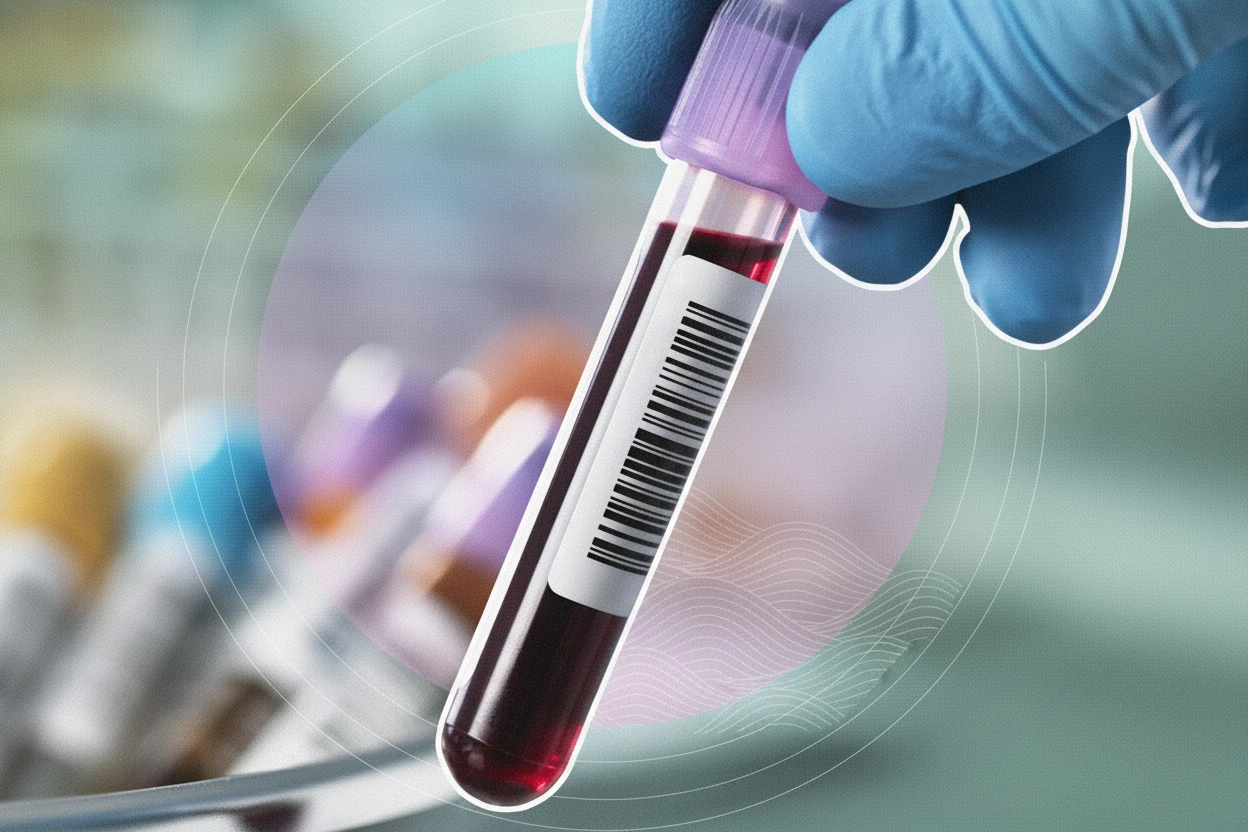
Thrombocytopenia is a condition characterized by a low number of platelets in the blood, which are essential for blood clotting and preventing excessive bleeding1. Platelet counts below 150,000 per microliter of blood define thrombocytopenia, and severity ranges from mild cases without symptoms to severe forms that can cause life-threatening bleeding2. This condition can result from various causes, including bone marrow disorders, immune system problems, infections, and medication effects3. Understanding the symptoms, causes, diagnosis, and treatment options is critical for managing thrombocytopenia effectively4.
Thrombocytopenia Symptoms and Spontaneous Bleeding Risk
Thrombocytopenia may be asymptomatic, especially when platelet counts are mildly reduced2. However, as platelet levels drop, bleeding symptoms become more apparent and can range from mild to severe5. Common clinical signs include:
- Petechiae: tiny, pinpoint, non-blanching red or purple spots on the skin caused by capillary bleeding6.
- Purpura: larger areas of skin bleeding, often purple or red, that may appear as bruises6.
- Mucosal bleeding: bleeding from the gums, nose (epistaxis), or other mucous membranes4.
- Prolonged bleeding from minor cuts or trauma4.
- Hematuria (blood in urine) and gastrointestinal bleeding, which may present as red or black stools6.
- Excessive bruising and heavy menstrual bleeding in women1.
Severe thrombocytopenia can lead to dangerous internal bleeding, including brain hemorrhages, which require urgent medical attention1. The severity of symptoms generally correlates with the platelet count and the underlying cause of thrombocytopenia6.
Thrombocytopenia often presents with bleeding symptoms such as petechiae, purpura, and mucosal bleeding. Early recognition of these signs is essential to prevent serious complications56.
Causes of Low Platelet Count in Adults
Thrombocytopenia results from one or more of the following mechanisms: decreased platelet production, increased platelet destruction, or platelet sequestration, primarily in the spleen7. Common causes include:
- Bone marrow disorders: Conditions like aplastic anemia, leukemia, and myelodysplastic syndromes impair platelet production by affecting bone marrow function879.
- Immune-mediated destruction: Immune thrombocytopenia (ITP) is an autoimmune disorder where antibodies target and destroy platelets, often accompanied by impaired platelet production410.
- Splenic sequestration: Enlarged spleen (splenomegaly) traps and holds platelets, reducing their circulation in the bloodstream11.
- Drug-induced thrombocytopenia: Certain medications, especially chemotherapy agents, can cause thrombocytopenia by suppressing bone marrow or triggering immune destruction1213.
- Infections: Viral infections such as HIV, hepatitis viruses, and sepsis can cause thrombocytopenia through bone marrow suppression or immune-mediated platelet destruction14.
- Liver disease: Cirrhosis leads to thrombocytopenia due to splenic sequestration and decreased production of thrombopoietin, a hormone that stimulates platelet production11.
- Environmental toxins and lifestyle factors: Exposure to benzene and heavy alcohol use can suppress bone marrow and reduce platelet production711.
Other less common causes include mechanical platelet destruction during surgeries involving extracorporeal circulation and microangiopathic processes like thrombotic thrombocytopenic purpura (TTP) and disseminated intravascular coagulation (DIC)1516.
Thrombocytopenia can arise from decreased platelet production, increased destruction, or sequestration, with causes ranging from bone marrow disorders to immune diseases and infections47.
Diagnosing Thrombocytopenia
Diagnosis begins with a thorough clinical history and physical examination focusing on bleeding signs and splenomegaly11. Laboratory tests are essential to confirm thrombocytopenia and investigate its cause:
- Complete blood count (CBC): Quantifies platelet levels and assesses other blood cell lines to detect pancytopenia or isolated thrombocytopenia1117.
- Peripheral blood smear: Examines platelet morphology and excludes pseudothrombocytopenia (false low platelet count due to platelet clumping)1817.
- Bone marrow biopsy: Reserved for cases with suspected marrow pathology, unexplained cytopenias, or when diagnosis remains unclear89.
- Additional tests: May include viral serologies, coagulation studies, and imaging to evaluate spleen size or exclude other causes1117.
It is important to distinguish acute from chronic thrombocytopenia by reviewing previous platelet counts. Urgent evaluation and hospitalization are warranted in cases of severe thrombocytopenia (platelets <10,000/μL), major bleeding, or associated systemic symptoms2.
Healthcare professionals will ask about symptoms, health history, and medications. A blood smear helps identify platelet clumping or irregularities to confirm true thrombocytopenia17.
Treatment of Low Blood Platelets Count
Treatment depends on the underlying cause, severity of thrombocytopenia, and bleeding risk4. Management ranges from observation in mild cases to active interventions in severe or symptomatic patients.
Medications
- Corticosteroids: First-line therapy for immune thrombocytopenia (ITP) to reduce immune-mediated platelet destruction and increase platelet counts410.
- Intravenous immunoglobulin (IVIG): Used for rapid platelet elevation in urgent bleeding situations or before surgery1017.
- Thrombopoietin receptor agonists: Stimulate platelet production in refractory or chronic ITP cases4.
- Rituximab: A monoclonal antibody targeting B cells to reduce autoantibody production in immune thrombocytopenia4.
- Discontinuation of causative drugs: Essential in drug-induced thrombocytopenia to allow platelet recovery12.
Procedures
- Platelet transfusions: Reserved for severe bleeding or preparation for invasive procedures to temporarily increase platelet counts417.
- Splenectomy: Surgical removal of the spleen may be considered in refractory immune thrombocytopenia or when the spleen sequesters excessive platelets4.
- Plasma exchange: Used in thrombotic microangiopathies like TTP to remove harmful antibodies and replace plasma17.
Different treatments are available to manage the different causes of thrombocytopenia. It is important to determine the cause of thrombocytopenia in order to receive the best treatment to prevent excessive bleeding.
— Mary Jane Hogan, Yale Medicine3
Preventing Low Platelet Counts
While prevention of thrombocytopenia is limited due to its diverse causes, risk reduction strategies focus on managing underlying conditions and avoiding exposures that can lower platelet counts4. Key prevention tips include:
- Discuss with your healthcare provider any illnesses, medications, or exposures that may increase thrombocytopenia risk4.
- Avoid medications that impair platelet function, such as aspirin and ibuprofen, unless prescribed19.
- Limit alcohol intake as it can suppress bone marrow and reduce platelet production19.
- Use protective gear and follow safety guidelines to prevent injuries that could cause bleeding17.
- Regular monitoring and early treatment of underlying diseases can help maintain healthy platelet levels4.
The Yale Pediatric and Adult Hematology Oncology programs offer sub-specialized physicians, nurse practitioners, nurses, and social workers who provide state-of-the-art care in the diagnosis of the different causes of thrombocytopenia and the necessary treatments for neonates, children, adolescents, and adults.
— Mary Jane Hogan, Yale Medicine3
Conditions Related to Thrombocytopenia
Thrombocytopenia is associated with various medical conditions that affect platelet production or destruction, including:
- Autoimmune diseases such as systemic lupus erythematosus4.
- Hematologic malignancies like leukemia and lymphoma7.
- Cancer therapies including chemotherapy and radiation13.
- Microangiopathic disorders such as thrombotic thrombocytopenic purpura (TTP) and disseminated intravascular coagulation (DIC)16.
- Viral infections including HIV, hepatitis C, and Epstein-Barr virus14.
- Liver cirrhosis causing splenic sequestration and decreased thrombopoietin production11.
- Gestational thrombocytopenia, a usually mild form affecting up to 10% of pregnancies near term20.
- Mechanical platelet destruction during cardiac surgery or extracorporeal circulation15.
These conditions may require specialized management to address both thrombocytopenia and the underlying disease4.
Managing Thrombocytopenia Daily
Living with thrombocytopenia involves lifestyle adjustments and close medical follow-up to reduce bleeding risks and maintain quality of life21. Important daily management strategies include:
- Avoid activities that increase the risk of injury or bleeding, such as contact sports17.
- Use protective equipment like helmets when biking or skateboarding17.
- Practice good oral hygiene with a soft toothbrush to prevent gum bleeding19.
- Avoid medications that thin the blood unless prescribed by a healthcare professional19.
- Maintain regular medical appointments for blood count monitoring and treatment adherence4.
- Stop smoking to reduce thrombotic risks and improve overall health8.
- Report any new or worsening bleeding symptoms promptly to your healthcare provider4.
Patient education and regular monitoring improve outcomes in thrombocytopenia. Adhering to treatment and lifestyle recommendations helps prevent complications224.
Thrombocytopenia FAQs
Q: What platelet count defines thrombocytopenia?
A: A platelet count below 150,000 per microliter of blood is considered thrombocytopenia, with severity classified as mild (100,000–150,000), moderate (50,000–99,999), and severe (<50,000)21.
Q: Can thrombocytopenia be cured?
A: Treatment depends on the cause. Some forms, like drug-induced thrombocytopenia, resolve after stopping the causative agent. Immune thrombocytopenia may require ongoing management but can be controlled effectively412.
Q: When should I seek emergency care?
A: Seek immediate medical attention for uncontrolled bleeding, severe bruising, blood in urine or stool, or neurological symptoms such as confusion or severe headache14.
Q: Is splenectomy safe?
A: Splenectomy can improve platelet counts in refractory cases but increases infection risk. Vaccinations and infection precautions are essential after surgery4.