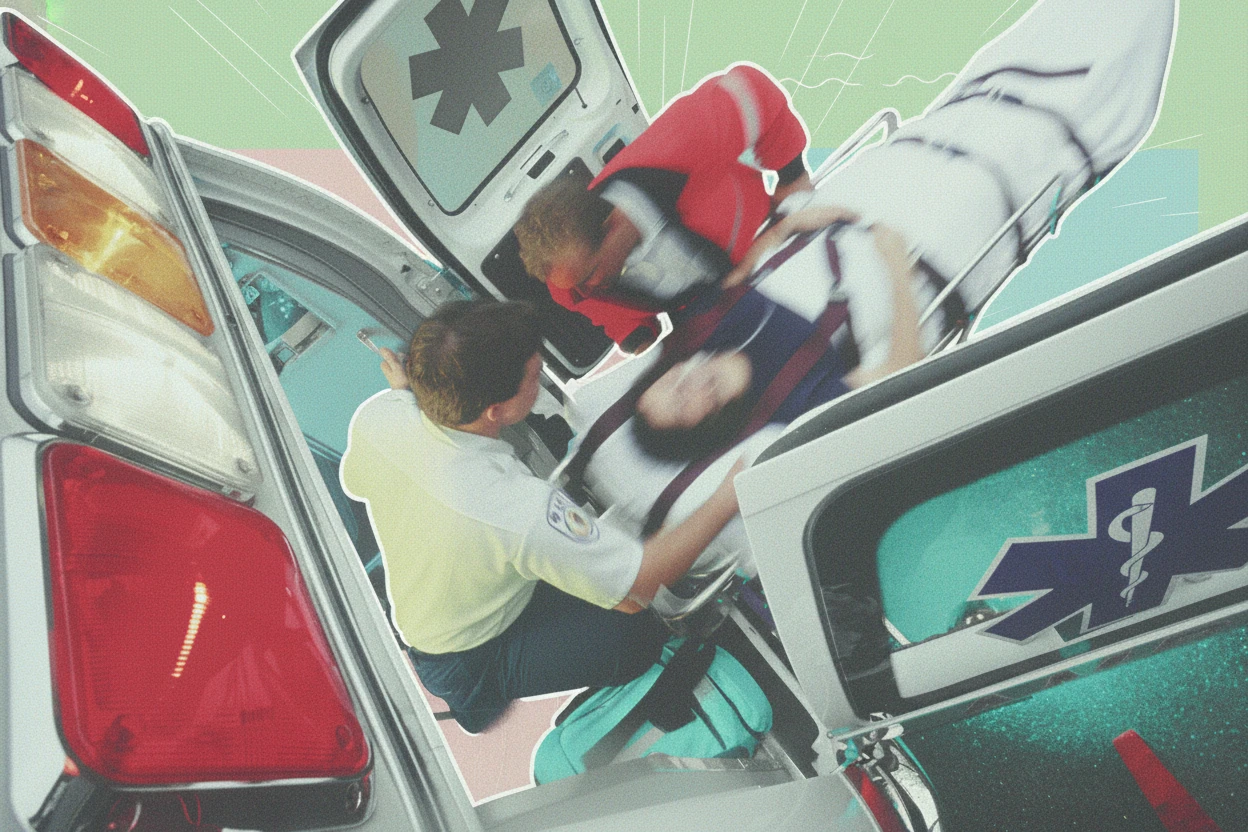
Chest pain is one of the most common reasons people seek emergency care and primary medical attention worldwide1. While many cases are due to non-cardiac causes, chest pain can also signal serious heart or lung conditions that require urgent treatment2. Understanding the different sensations, causes, and treatment options for chest pain is essential for timely diagnosis and effective management3.
“Statin drugs, in my view, are the best cardiovascular drugs ever created. These drugs are to atherosclerosis what penicillin was to infectious diseases.”
— William C. Roberts6
Chest Pain Symptoms and Sensations
“The healing process demands more than science; it requires mobilizing patient's positive expectations and stimulating faith in physician's ministrations. I know of few remedies more powerful than a carefully chosen word. Talk, which can be therapeutic, is one of the underrated tools in a physician's armamentarium.”
— Bernard Lown6
Chest pain is a complex symptom that can vary widely in how it feels and where it is located4. It may be acute or chronic, lasting from seconds to hours or even months3. The pain can be described in several ways depending on its origin:
- Visceral pain, often from internal organs, is usually deep, aching, or burning3.
- Cardiac chest pain typically feels like pressure, tightness, or squeezing in the chest3.
- Localized chest pain may be sharp or stabbing and is often linked to musculoskeletal causes3.
- Sharp, stabbing pain is commonly associated with pleuritic (lung lining) or musculoskeletal issues3.
- Cardiac pain may radiate to the neck, jaw, shoulders, or arms, especially the left arm3.
These varied sensations reflect the diverse underlying causes of chest pain, ranging from benign to life-threatening conditions4.
Different Types of Chest Pain
Chest pain is broadly classified into cardiac and non-cardiac types based on its origin3.
“Smoking, body-mass index, and exercise patterns in midlife and late adulthood are predictors of subsequent disability. Not only do persons with better health habits survive longer, but in such persons, disability is postponed and compressed into fewer years at the end of life.”
— James F. Fries6
Cardiac Chest Pain
Cardiac chest pain arises from heart-related conditions such as coronary artery disease (CAD) or myocardial ischemia (reduced blood flow to the heart muscle)3. It is typically described as pressure, tightness, or pain predominantly in the left or central chest3. This pain often worsens with physical exertion or emotional stress and may radiate to the jaw, neck, shoulders, or arms3.
“How do you make a hot dog? First you slaughter the animals and cut out all the good parts, the steaks and chops. But you've got a lot of animal left…. The hot dog industry took off when a clever guy invented a machine that works like a kitchen disposal—you dump everything in, eyeballs and all, and grind it up. Voila, the hot dog.”
— William Castelli6
Non-Cardiac Chest Pain
Non-cardiac chest pain originates from other organs or structures such as the lungs, digestive system, muscles, or nerves3. It may present as sharp, stabbing, or burning sensations and can be associated with respiratory, gastrointestinal, or musculoskeletal conditions3. Examples include acid reflux, muscle strain, or lung infections3.
Common Causes of Chest Pain
Chest pain can result from a wide range of conditions. The most frequent causes in primary care are musculoskeletal problems, followed by cardiovascular diseases, gastrointestinal disorders, and respiratory conditions2. Below are key causes with brief descriptions.
Acid Reflux
Gastroesophageal reflux disease (GERD) is a common cause of chest pain characterized by acid from the stomach flowing back into the esophagus3. This causes a burning sensation known as heartburn, often worsening after meals or when lying down3. Dietary factors such as spicy or fatty foods, alcohol, and large meals can trigger symptoms3.
Heart Attack
A heart attack (myocardial infarction) occurs when blood flow to the heart muscle is blocked, usually by a clot in a coronary artery3. This leads to chest pain described as pressure, tightness, or crushing, often accompanied by sweating, nausea, shortness of breath, and pain radiating to the arm, jaw, or back3. Immediate emergency treatment is critical to restore blood flow and prevent heart muscle damage3.
Coronary Artery Disease
Coronary artery disease involves the buildup of plaque (fatty deposits) in the coronary arteries, narrowing them and reducing blood flow to the heart3. This can cause angina, a type of chest pain triggered by exertion or stress and relieved by rest3. CAD is a leading cause of cardiac chest pain and heart attacks3.
Pericarditis
Pericarditis is inflammation of the sac surrounding the heart (pericardium)3. It causes sharp chest pain that worsens with deep breathing or lying down and may improve when sitting up3. The pain can mimic heart attack symptoms but usually has distinct features3.
Aortic Dissection
Aortic dissection is a life-threatening condition where the inner layers of the aorta tear, allowing blood to flow between the layers and potentially causing rupture3. It presents with sudden, severe chest pain described as tearing or ripping, often radiating to the back3. Emergency surgery is usually required3.
Injury
Chest pain can arise from injury to the chest wall, including bruised or broken ribs, muscle strain, or inflammation of the cartilage connecting ribs to the breastbone (costochondritis)3. This pain is often sharp and worsens with movement, breathing, or pressure on the chest3.
Peptic Ulcer
Peptic ulcers are sores in the stomach lining or upper small intestine that can cause burning chest or upper abdominal pain3. The pain may worsen with eating or at night and is sometimes confused with heart-related pain3.
Pleurisy
Pleurisy is inflammation of the lining around the lungs (pleura)3. It causes sharp chest pain that worsens with deep breathing, coughing, or sneezing3. The pain is usually localized and may be accompanied by respiratory symptoms3.
Pulmonary Embolism
A pulmonary embolism is a blood clot blocking an artery in the lungs3. It causes sudden chest pain, shortness of breath, rapid heartbeat, and sometimes coughing up blood3. This is a medical emergency requiring immediate treatment3.
Pneumonia
Pneumonia is an infection of the lung tissue that can cause chest pain, especially when breathing deeply or coughing3. Other symptoms include fever, cough, and difficulty breathing3.
Panic Attack
Panic attacks can cause chest tightness or pain along with rapid heartbeat, sweating, shortness of breath, dizziness, and fear3. These symptoms can mimic heart attacks but are related to anxiety rather than heart disease3.
When to Seek Medical Care
Chest pain can range from mild to life-threatening, so knowing when to seek medical attention is crucial3. Immediate emergency care is needed if chest pain:
- Lasts longer than five minutes or does not improve with rest or medication3.
- Is accompanied by sweating, nausea, vomiting, shortness of breath, lightheadedness, or fainting3.
- Radiates to the jaw, neck, shoulders, arms, back, or abdomen3.
- Occurs with sudden severe pain described as tearing or ripping3.
Even if chest pain is mild or intermittent, it should be evaluated by a healthcare provider to rule out serious causes2.
Diagnostic Tests for Chest Pain
“Reading a technically poor echocardiogram is like looking at a polar bear in a snow storm.”
— Lynn Y. Zoiopoulos6
Accurate diagnosis of chest pain involves a detailed medical history, physical examination, and targeted tests based on suspected causes2. Common diagnostic tools include:
- Electrocardiogram (ECG or EKG) to assess heart rhythm and detect heart attacks3.
- Blood tests to measure heart enzymes indicating heart muscle damage5.
- Chest X-ray to evaluate lung conditions such as pneumonia or collapsed lung3.
- Echocardiogram (ultrasound of the heart) to assess heart function and valves5.
- CT pulmonary angiography to detect pulmonary embolism3.
- Upper endoscopy to investigate gastrointestinal causes like acid reflux or ulcers3.
Additional tests such as stress testing or coronary angiography may be needed to evaluate coronary artery disease5.
Chest Pain Treatment Methods
Treatment of chest pain depends on the underlying cause and severity2. General approaches include:
- Medications such as nitroglycerin, aspirin, blood pressure drugs, and clot-busting agents for cardiac causes5.
- Lifestyle modifications including diet, exercise, and smoking cessation to reduce cardiovascular risk3.
- Procedures like angioplasty with stent placement to open blocked coronary arteries3.
- Coronary artery bypass grafting (CABG) surgery for severe coronary artery disease3.
- Antacids and proton pump inhibitors for acid reflux-related chest pain3.
- Pain relief and rest for musculoskeletal causes3.
- Anticoagulation and thrombolysis for pulmonary embolism3.
- Relaxation techniques and therapy for anxiety-related chest pain3.
Treatment is tailored to the patient's overall health and specific diagnosis3.
“Smoking increases the risk of heart disease by more than twice that of non-smokers. Quitting smoking reduces the risk of heart disease by around 40% over five years.”
— James F. Fries6
Preventing Chest Pain Episodes
Prevention focuses on reducing risk factors for cardiac and non-cardiac causes2. Key strategies include:
- Adopting a heart-healthy diet rich in fruits, vegetables, and whole grains3.
- Regular physical activity to improve cardiovascular health3.
- Managing hypertension, diabetes, and high cholesterol effectively3.
- Avoiding tobacco and limiting alcohol intake3.
- Maintaining a healthy weight3.
- Avoiding foods and habits that trigger acid reflux, such as late-night eating and spicy foods3.
- Elevating the head of the bed to reduce nighttime reflux3.
These lifestyle changes can lower the risk of chest pain and improve overall health3.
“The central problem in heart failure is not that patients are short of breath or that they retain fluid: the problem is that they die. Heart failure is a mortal illness, more serious than most malignancies.”
— Arnold M. Katz6
Summary and Key Takeaways
- Chest pain is a common symptom with many possible causes, ranging from benign to life-threatening2.
- Cardiac chest pain often feels like pressure or squeezing and may radiate to other areas3.
- Non-cardiac chest pain can arise from the lungs, digestive system, muscles, or anxiety3.
- Immediate medical attention is required for chest pain lasting more than five minutes or with associated symptoms like sweating, nausea, or radiating pain3.
- Diagnosis involves history, physical exam, ECG, imaging, and lab tests tailored to the suspected cause2.
- Treatment depends on the cause and may include medications, lifestyle changes, procedures, or surgery3.
- Preventive measures such as a healthy diet, exercise, and managing risk factors reduce the likelihood of chest pain episodes3.