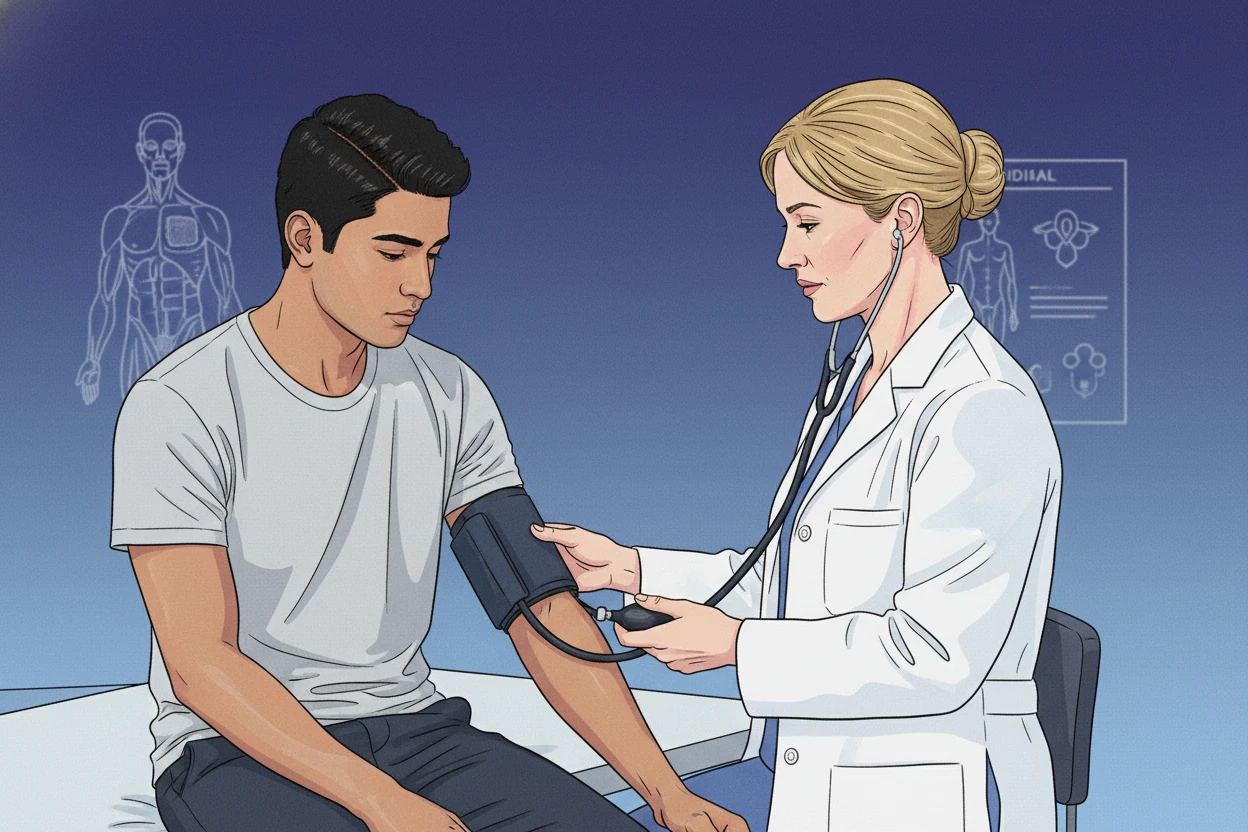
Low blood pressure, or hypotension, is defined as a reading below 90/60 mm Hg and can affect people of all ages, though it is more common and often symptomatic in older adults1. While many individuals with low blood pressure experience no symptoms, a sudden or significant drop can cause dizziness, fainting, and other complications due to inadequate high blood pressure diet foods to eat and avoid flow to vital organs2. Understanding the signs and symptoms of low blood pressure is important for early recognition and management to prevent serious outcomes3.
Dizziness and Lightheadedness: Common Signs of Low Blood Pressure
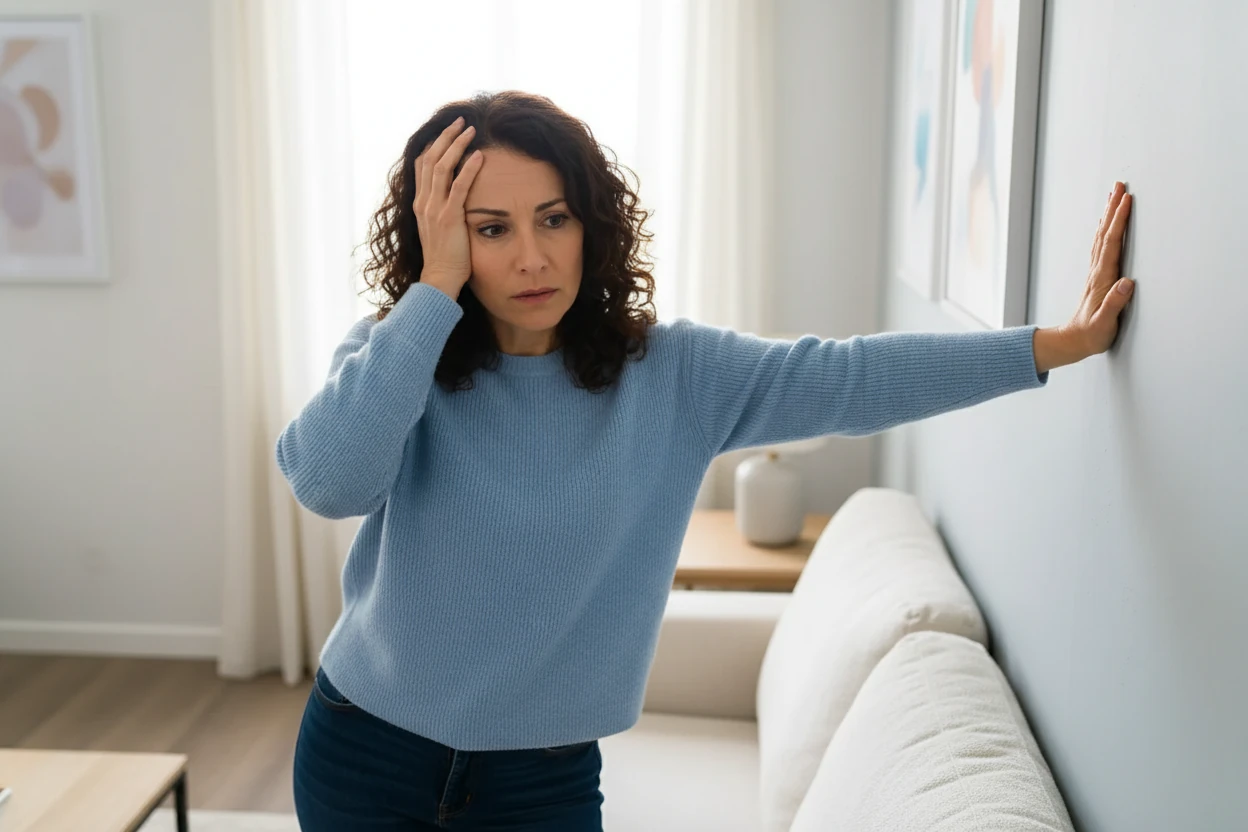
Dizziness and lightheadedness are among the most common symptoms of low blood pressure, especially in the form of orthostatic hypotension—a sudden drop in blood pressure upon standing4. This condition affects approximately 5–30% of older adults and is a major cause of falls in this population5. The underlying mechanism involves impaired baroreflex function, which normally helps regulate vascular tone and blood pressure when changing positions6. When this reflex is weakened, blood pools in the lower body upon standing, reducing venous return to the heart and causing transient cerebral hypoperfusion (reduced blood flow to the brain), which leads to dizziness and sometimes fainting (syncope)7.
Other factors that can worsen dizziness include dehydration, medications, and underlying illnesses that further impair blood volume or vascular response84. The dizziness may range from mild lightheadedness to severe vertigo and can increase the risk of falls and injury in older adults5.
People with orthostatic hypotension may also experience blurry or fading vision, confusion, and difficulty concentrating due to reduced cerebral perfusion910. Slow or rapid heart rates and changes in skin color may be observed during episodes11.
Nausea and Stomach Upset: Gastrointestinal Symptoms of Hypotension
Nausea is a common symptom associated with hypotension and is thought to result from reduced blood flow to the brainstem vomiting centers8. The medullary vomiting centers in the brainstem become activated when hypoperfusion occurs, triggering the nausea and vomiting reflex8. Additionally, the gastrointestinal tract is sensitive to low blood pressure because splanchnic organs have limited autoregulatory capacity to maintain blood flow during hypotension12.
Ischemia (inadequate blood supply) of the gastrointestinal tract during low blood pressure may lead to the release of emetogenic substances that further stimulate nausea12. This mechanism explains why nausea can accompany episodes of hypotension, especially in conditions like orthostatic hypotension or shock812.
Postprandial hypotension, a drop in blood pressure after eating, can also cause nausea and other gastrointestinal symptoms, particularly in older adults and those with autonomic nervous system disorders2.
Cold, Clammy Skin: A Sign of Reduced Blood Flow in Hypotension
Cold and clammy skin is a classic sign of low blood pressure and occurs due to peripheral vasoconstriction, where blood flow to the skin is reduced to preserve perfusion of vital organs like the brain and heart13. This redistribution of blood flow helps maintain central organ function during hypotensive states but results in decreased skin temperature and a clammy sensation13.
Cold sweats, or diaphoresis, often indicate significant stress on the body and may accompany hypotension during infections, shock, or cardiovascular events14. The cold, clammy feeling is a warning sign that the body is under distress and may require urgent evaluation, especially if accompanied by chest pain, difficulty breathing, or fainting14.
Regular sweating is the body’s way of regulating temperature and often occurs to help cool the core temperature. Cold sweat, or diaphoresis, is a sign of significant stress on the body and often indicates an infection or illness14.
Rapid, Shallow Breathing: Respiratory Responses to Low Blood Pressure
Rapid, shallow breathing, or tachypnea, is a compensatory response to hypotension aimed at improving oxygen delivery to tissues13. When blood pressure falls, the body attempts to maintain oxygen supply by increasing respiratory rate to enhance oxygen uptake13. This response may also be triggered by underlying illnesses such as sepsis or pneumonia, which can cause both hypotension and hypoxia15.
In addition to compensatory tachypnea, rapid breathing can be a sign of shock or severe hypotension, indicating that vital organs are not receiving adequate oxygen16. Monitoring breathing patterns in hypotensive patients is important for early detection of deterioration.
Fatigue and Weakness: Systemic Effects of Low Blood Pressure
Chronic low blood pressure can lead to fatigue and weakness due to inadequate perfusion of organs and muscles17. When tissues do not receive enough oxygen and nutrients, energy production declines, resulting in feelings of tiredness and reduced physical capacity17. Muscle weakness is a common complaint among people with hypotension and can affect daily functioning and quality of life17.
Fatigue may be more pronounced in older adults and those with underlying cardiovascular or neurological conditions17. Persistent hypotension can also impair cognitive function, concentration, and mood, contributing to overall lethargy17.
Increased Thirst: The Body's Response to Fluid Imbalance in Hypotension
Increased thirst is not a direct symptom of low blood pressure but often relates to underlying causes such as dehydration, which reduces blood volume and leads to hypotension18. Dehydration can result from gastrointestinal losses, fever, or inadequate fluid intake, all of which increase the risk of volume depletion and transient hypotension18.
Maintaining adequate hydration is essential to prevent and treat hypotension related to volume loss18. Restoring fluid balance through oral or intravenous hydration can help normalize blood pressure and alleviate symptoms18.
Additional Symptoms of Low Blood Pressure (Hypotension)
Low blood pressure may present with a variety of other symptoms depending on severity and individual factors9. These can include:
- Blurred vision and visual disturbances due to reduced cerebral perfusion910
- Confusion and difficulty concentrating, especially in older adults93
- Palpitations or irregular heartbeats caused by compensatory cardiac responses3
- Headache and neck or back pain related to cerebral hypoperfusion3
- Sleepiness and irritability linked to poor oxygen delivery to the brain17
The clinical manifestations of hypotension are heterogeneous and can overlap with other medical conditions, making diagnosis challenging919. It is important to consider the context and associated symptoms when evaluating low blood pressure.
When to Seek Medical Care for Low Blood Pressure Symptoms
Medical evaluation is recommended for severe, persistent, or worsening symptoms of low blood pressure to prevent complications such as shock and organ failure9. Urgent care is necessary if hypotension causes life-threatening symptoms including:
- Chest pain or signs of a heart attack1416
- Loss of consciousness or repeated fainting episodes220
- Injury from falls due to dizziness or syncope220
- Signs of shock such as cold, clammy skin, rapid breathing, weak pulse, or bluish skin tone1416
Early diagnosis and treatment of the underlying cause are essential for managing hypotension effectively19. Treatment may involve fluid resuscitation, medication adjustments, lifestyle changes, or addressing specific medical conditions320.
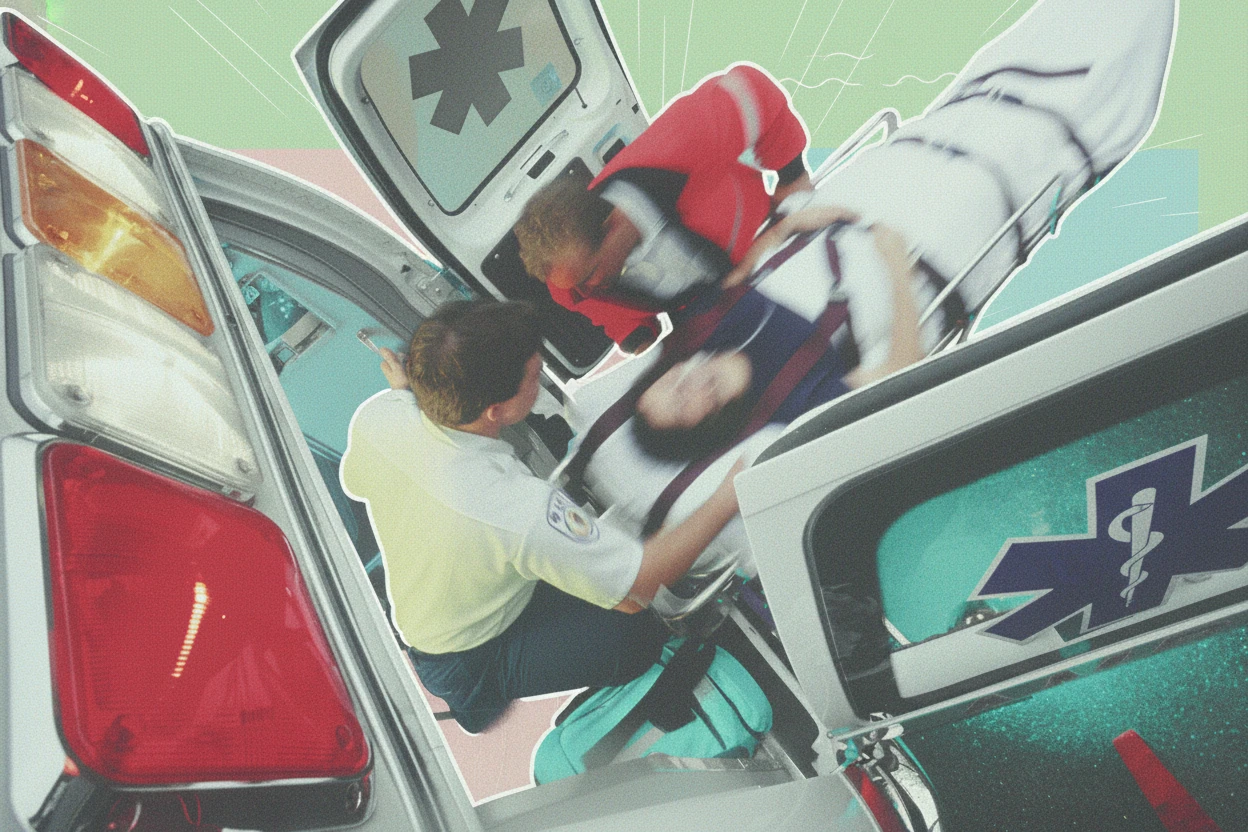
Should you have associated chest pain, difficulty breathing, or the feeling of passing out, have someone call 911 to be seen at the emergency department for prompt evaluation and treatment. These could be signs of a heart attack, stroke, or other serious condition14.
- Stand up slowly to avoid sudden drops in blood pressure20
- Stay well hydrated to maintain blood volume18
- Avoid excessive alcohol consumption which can lower blood pressure20
- Follow medical advice regarding medications that affect blood pressure3
- Use compression stockings if recommended to improve venous return2