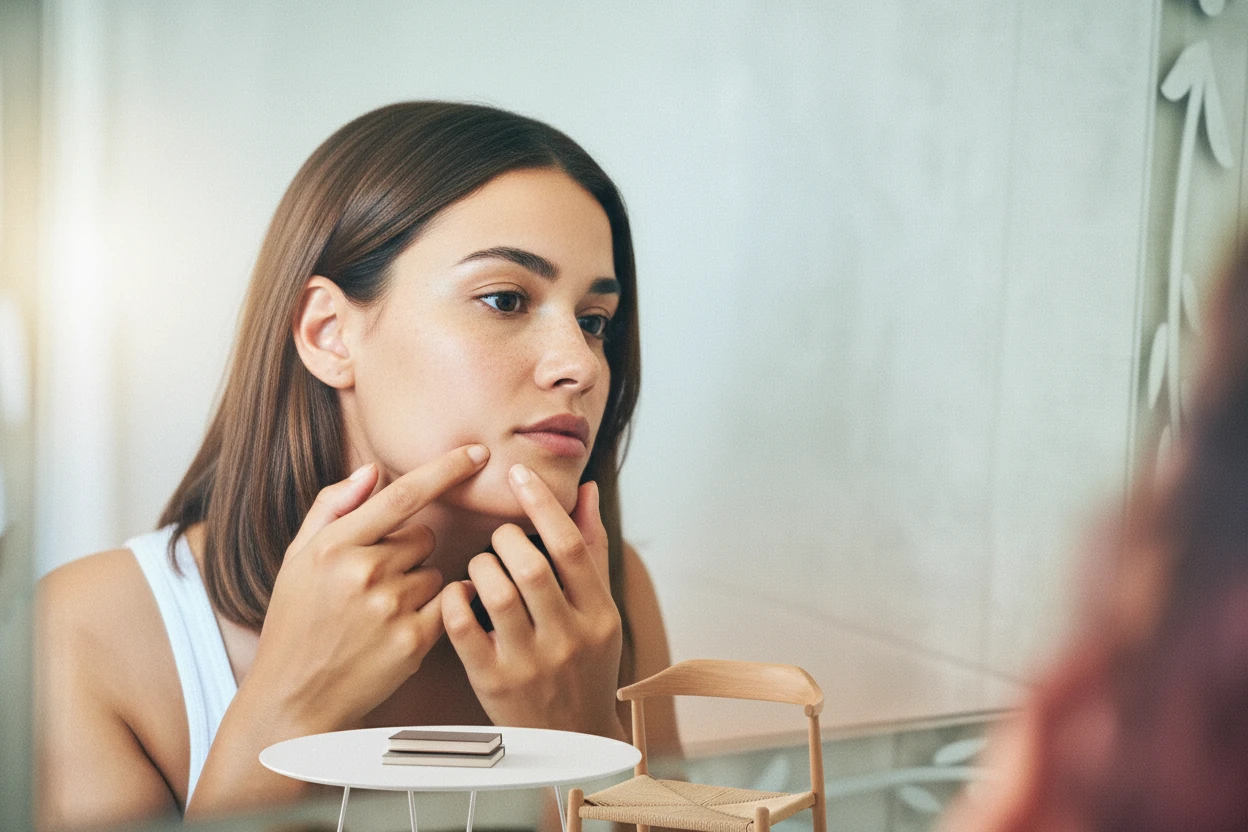
Pimples are a common skin condition caused by clogged or inflamed oil glands and bacteria, affecting nearly everyone at some point, especially adolescents1. While pimples often resolve on their own, many seek fast and safe methods to reduce inflammation and prevent scarring1. Effective treatment combines proper skincare, topical medications, and avoiding harmful habits that can worsen pimples2.
Should You Pop a Pimple?
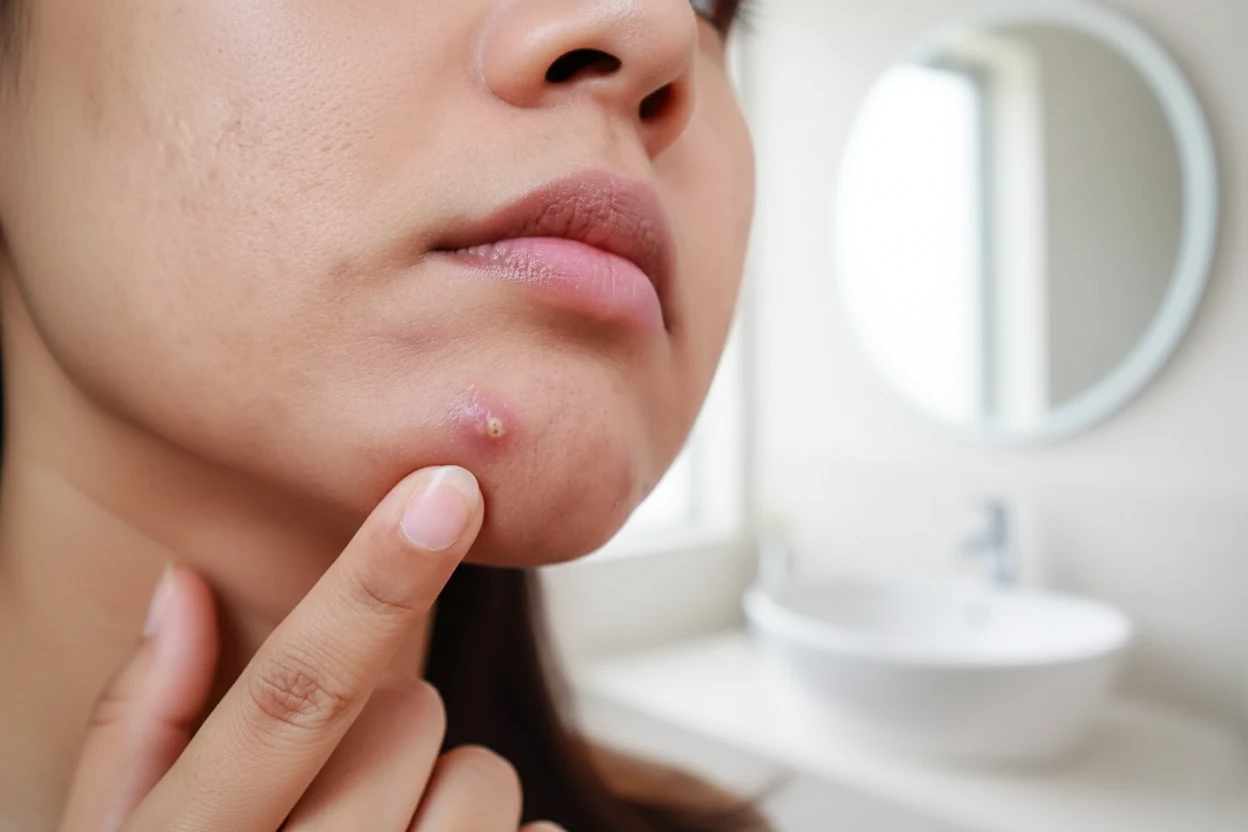
Popping pimples may seem like a quick fix, but it is generally discouraged by dermatologists. Manipulating acne lesions can introduce bacteria into the skin, leading to secondary infections and increased inflammation3. Trauma from squeezing or picking can worsen the lesion, delay healing, and increase the risk of permanent scarring3. Additionally, using tools like blemish extractors without professional guidance can damage the skin further1.
Behavioral counseling to avoid touching or manipulating pimples is an important part of comprehensive acne management4. Keeping hands off the face reduces the transfer of dirt and oils that can exacerbate acne2.
Effective Pimple Treatment Methods
Several treatments can help reduce pimples quickly and safely by targeting the underlying causes such as bacterial overgrowth, inflammation, and clogged pores. Consistent use and patient adherence to these treatments are critical for success5.
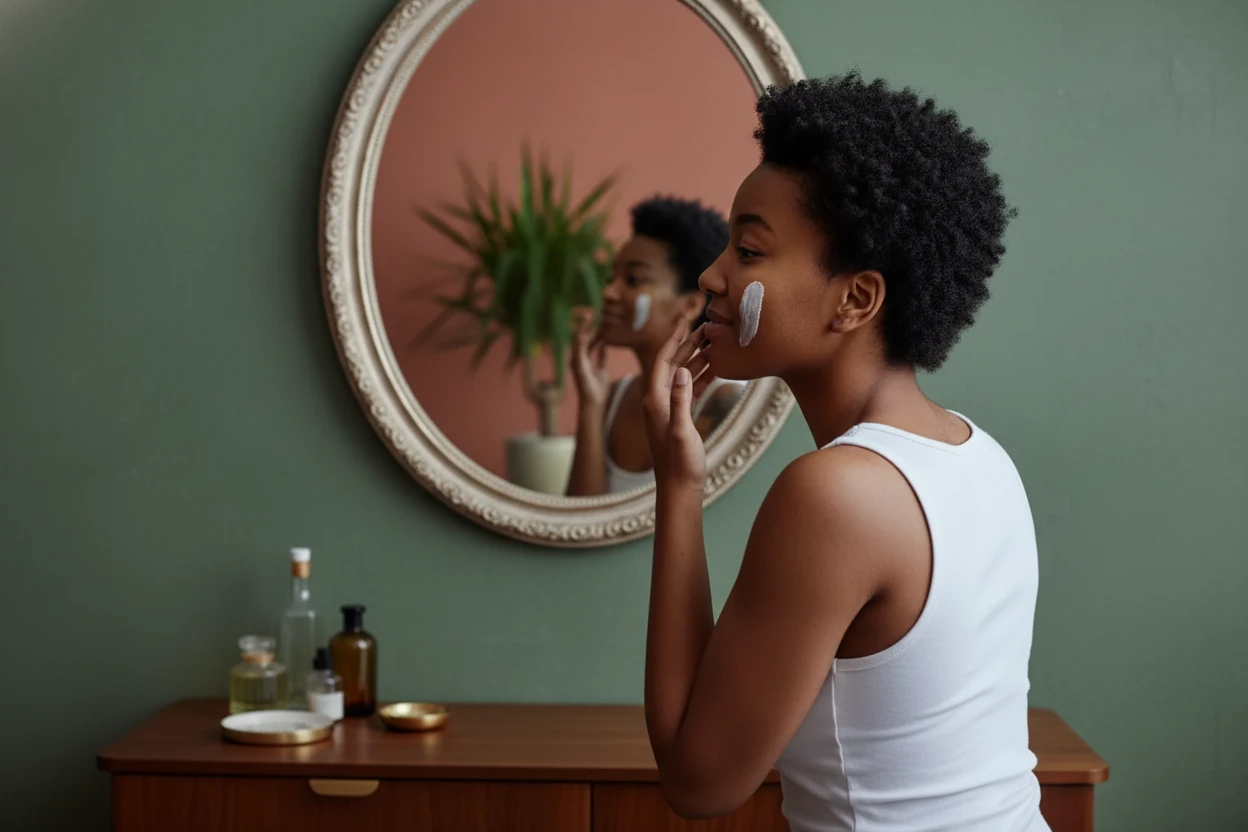
Apply a Product With Benzoyl Peroxide
Benzoyl peroxide is a widely recommended first-line topical treatment for acne due to its antibacterial and anti-inflammatory properties46. It works by killing Cutibacterium acnes (formerly Propionibacterium acnes), the bacteria involved in acne development, and helps unclog pores3. Over-the-counter benzoyl peroxide products come in various forms, including washes, gels, and creams, with lower concentrations generally causing less skin irritation1.
Using benzoyl peroxide regularly can reduce inflammation and prevent new pimples from forming. However, some users may experience dryness or redness, which can be minimized by starting with lower concentrations or using moisturizers5.
Apply a Retinoid
Topical retinoids, such as adapalene, tretinoin, and tazarotene, are vitamin A derivatives that normalize skin cell turnover and prevent follicular plugging47. They also have anti-inflammatory effects and help clear existing pimples while preventing new ones3. Retinoids are recommended as first-line therapy for mild to moderate acne and are often used in combination with benzoyl peroxide for enhanced efficacy8.
Retinoids may cause initial skin irritation, redness, or peeling, but these side effects often improve with continued use or by applying the medication every other day1. Maintenance therapy with retinoids is also advised to prevent relapse after acne clears7.
Try Spot Treatments
Spot treatments target individual pimples to reduce size and inflammation quickly. Options include over-the-counter products containing salicylic acid, sulfur, or benzoyl peroxide19. Salicylic acid helps exfoliate dead skin cells and unclog pores, though its evidence for efficacy is less robust than benzoyl peroxide6.
Other home remedies such as applying a paste of crushed aspirin or tea tree oil may provide mild anti-inflammatory and antibacterial effects, but users should consult healthcare providers before use to avoid allergic reactions101. For large, painful pimples, a dermatologist may offer intralesional corticosteroid injections to rapidly reduce inflammation and pain71.
Apply Ice
Consistency and patience are essential in acne treatment; improvements often take several weeks to months to become visible112.
Applying ice to a pimple can reduce mcv blood test results meaning and normal range flow to the area, which helps decrease inflammation, redness, and pain10. Use an ice cube or ice pack wrapped in a light towel and apply it to the pimple for about 10 minutes, two to three times daily10. This simple home remedy can provide quick relief and may help the pimple heal faster.
When to See a Doctor for a Pimple
Most pimples resolve with self-care and over-the-counter treatments, but certain situations warrant professional evaluation. You should see a healthcare provider if you experience:
- Large outbreaks or severe acne that does not improve after 6 to 8 weeks of over-the-counter treatment211
- Painful, discolored, or cystic pimples that may cause scarring71
- Acne that causes significant emotional distress or impacts quality of life4
- Early-onset acne in children under 8 years old, which may indicate hormonal issues2
- Signs of infection or worsening despite treatment3
Healthcare providers may prescribe topical retinoids, antibiotics, or combination therapies tailored to your acne severity and skin type47. Early referral to a dermatologist can improve outcomes, especially for moderate to severe or scarring acne4.
Patient education on avoiding manipulation of acne lesions is a key component of acne management4.
Tips for Preventing Pimples
Preventing pimples involves reducing factors that contribute to clogged pores, bacterial growth, and inflammation. Effective prevention strategies include:
- Wash your face once or twice daily with a gentle, non-abrasive cleanser to remove excess oil and dirt without irritating the skin212
- Avoid scrubbing your face with washcloths or exfoliating brushes, which can worsen inflammation and acne2
- Use non-comedogenic (won't clog pores), oil-free moisturizers, sunscreens, and makeup to keep skin hydrated without promoting pimples212
- Keep hair clean and away from the face; avoid hair products that can clog pores, especially on the forehead2
- Avoid touching your face frequently to reduce transfer of oils and bacteria2
- Change pillowcases and sheets regularly to minimize dirt and oil buildup on skin-contact surfaces2
- Maintain a healthy diet with reduced high-glycemic foods and sugars, which may help decrease acne severity313
For persistent or resistant acne, combination therapies such as benzoyl peroxide with topical antibiotics or retinoids may be more effective than single agents8. Physical treatments like comedone extraction, chemical peels, or light-based therapies can be considered under dermatologic supervision for refractory cases714.
💡 Did You Know?
Applying a paste of crushed aspirin or using a face mask can help reduce pimples quickly by soothing inflammation10.
Key Takeaways
- Avoid popping or squeezing pimples to prevent infection, inflammation, and scarring31.
- Benzoyl peroxide and topical retinoids are first-line treatments that reduce bacteria, unclog pores, and normalize skin cell turnover467.
- Spot treatments and home remedies like ice application can provide quick relief for individual pimples101.
- See a healthcare provider for severe, persistent, or painful acne to receive personalized treatment and prevent scarring472.
- Prevent pimples by gentle skin care, avoiding irritants, using non-comedogenic products, and maintaining healthy habits212.