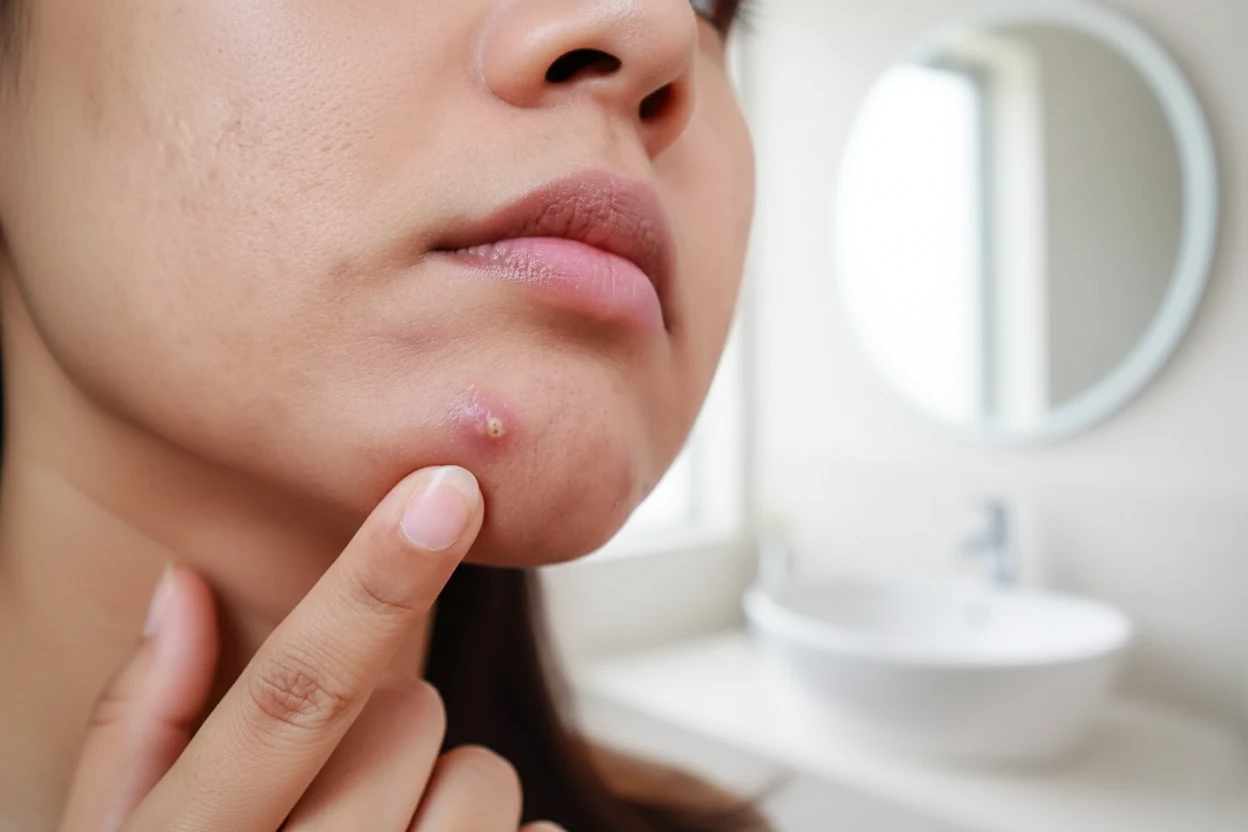
Acne vulgaris is a common inflammatory skin condition affecting nearly 10% of the global population, involving factors such as excess oil production, clogged pores, bacteria, and inflammation1. Managing acne effectively requires treatments that target these causes while maintaining skin health2. Although iodine is known for its antimicrobial properties, its role in acne treatment remains controversial and less supported by clinical evidence compared to established therapies3.
Iodine Basics and Uses
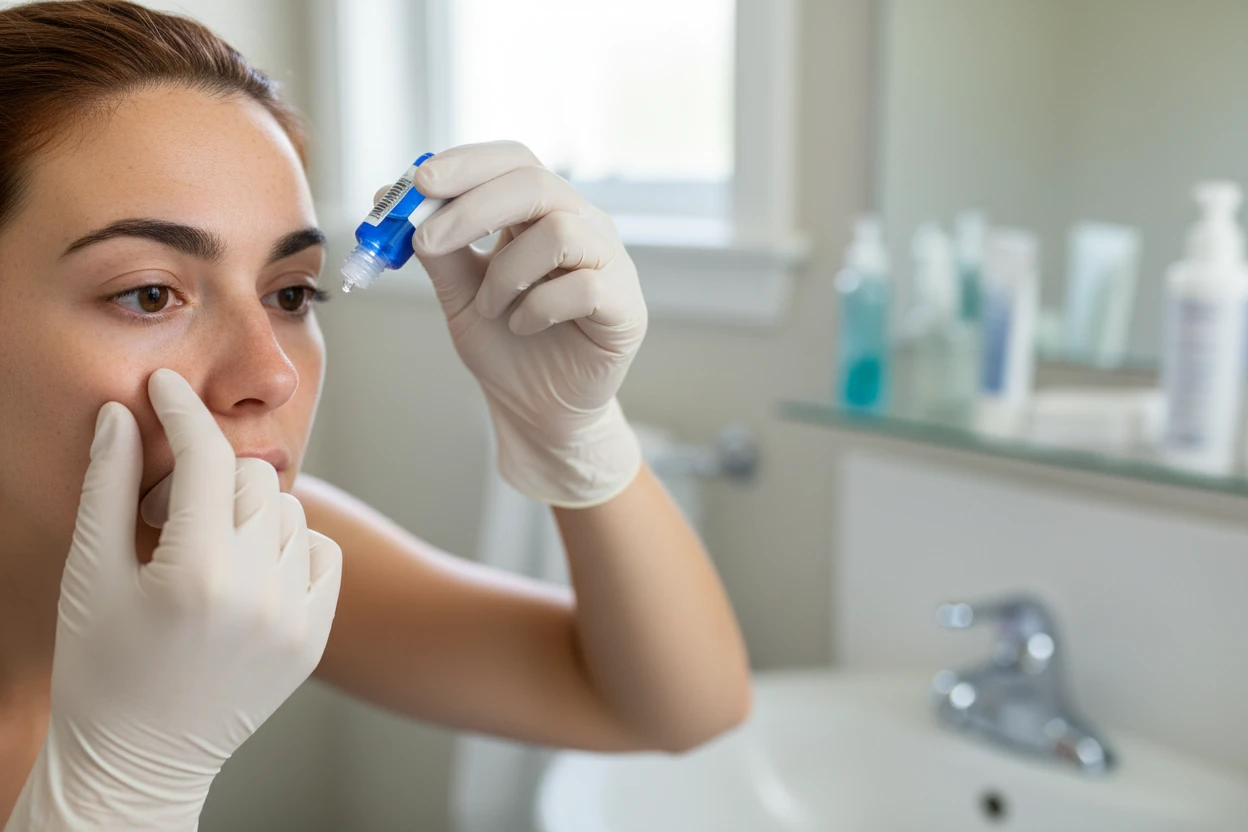
Iodine is a chemical element essential for thyroid gland function and overall metabolism, represented by the symbol 'I' on the periodic table45. It exists in various forms including dietary supplements, pharmaceutical drugs, salts, and topical antiseptics6. The iodine commonly used on the skin for acne is not elemental iodine but formulated solutions such as povidone-iodine, a 3% antiseptic solution widely used for skin disinfection before surgery78.
Povidone-iodine is effective in killing a broad spectrum of bacteria, including Cutibacterium acnes (formerly Propionibacterium acnes), the bacteria associated with acne inflammation910. Over-the-counter iodine products are also used to prevent infections in minor skin injuries like cuts and scrapes11. However, iodine’s relationship with acne is complex; while it has antimicrobial effects, iodine can also cause skin irritation and inflammation in some individuals35.
💡 Did You Know?
Iodine is a disinfectant used in medical settings. It has antimicrobial effects and is effective in killing acne-causing bacteria3.
Effectiveness of Iodine on Acne
Acne is a multifactorial disease involving excess sebum production, follicular hyperkeratinization (skin cell buildup), bacterial colonization, and inflammation12. Povidone-iodine has demonstrated in vitro (laboratory) effectiveness against C. acnes, suggesting potential to reduce bacterial load on the skin139. However, clinical evidence supporting the use of iodine solutions for acne treatment is limited and inconclusive1415.
While antiseptics like povidone-iodine can reduce bacteria on the skin, many acne lesions are not solely bacterial but result from blocked pores and inflammation16. This limits iodine’s effectiveness as a standalone acne treatment. Some users report that topical iodine may help clear pimples faster or shrink cystic lesions, but these effects are anecdotal and not well studied in clinical trials1718.
Dermatology guidelines emphasize first-line acne treatments with proven efficacy such as topical retinoids, benzoyl peroxide, and salicylic acid, which target multiple acne causes including bacteria and clogged pores1920. These treatments have robust safety and effectiveness data, unlike povidone-iodine, which lacks FDA approval for acne therapy21.
- Acne involves multiple factors beyond bacteria, including hormones and skin cell turnover1222
- Povidone-iodine kills acne-causing bacteria in lab studies but clinical data are scarce139
- Many acne lesions are non-bacterial, limiting antiseptic benefits16
- Some users report faster healing of pimples with iodine, but evidence is anecdotal17
- Established treatments like benzoyl peroxide reduce bacteria and inflammation more reliably323
Safety of Topical Iodine Applications
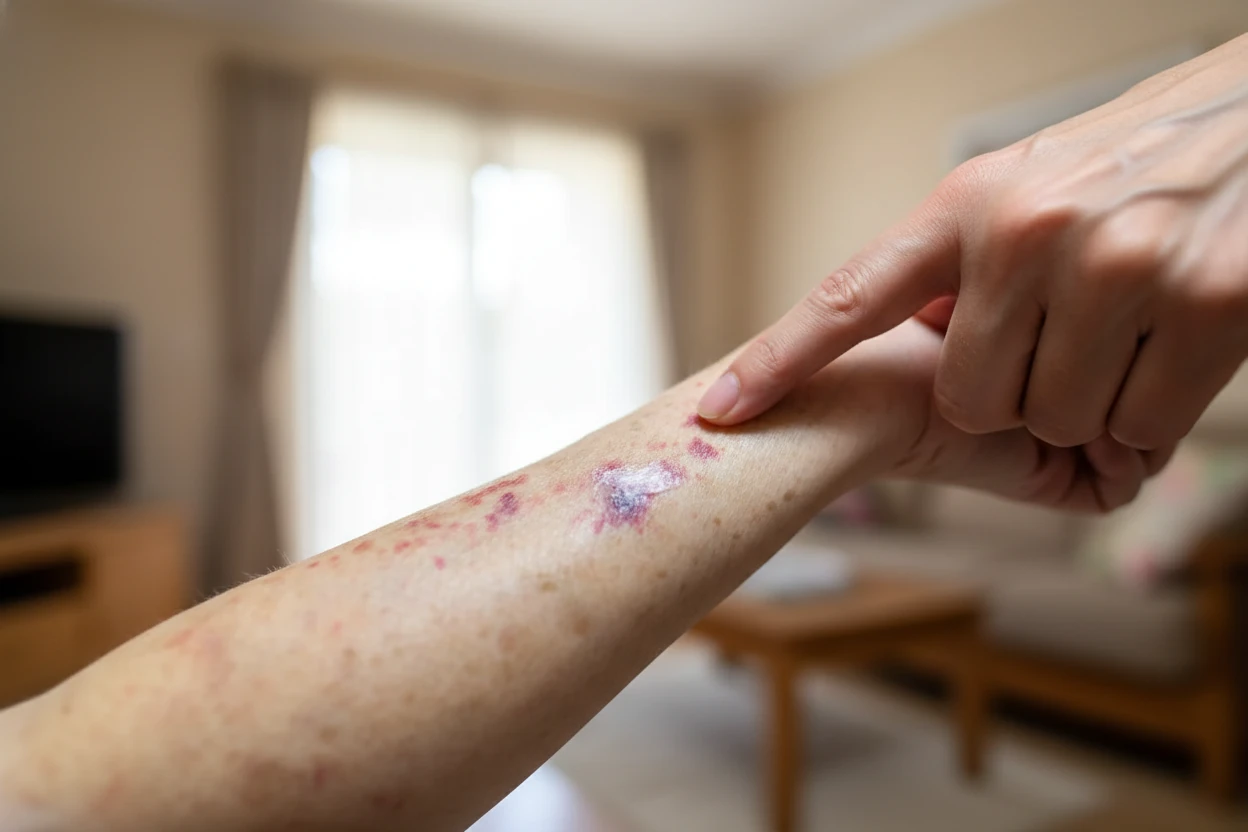
Povidone-iodine is generally safe for short-term use as a surgical antiseptic, but its safety profile for acne treatment is not well established1324. Prolonged or frequent application of iodine solutions on the skin can cause irritant contact dermatitis, characterized by redness, itching, and scaling2526. Allergic reactions, including rashes, blistering, and worsening skin inflammation, have also been reported in sensitive individuals2726.
Topical iodine can stain the skin and clothing a dark orange color, which may be inconvenient for regular use317. It is important to apply povidone-iodine sparingly with sterile tools rather than fingers to avoid contamination and excessive staining28. After touching or popping pimples, cleaning with soap and water is usually sufficient, though antiseptics like povidone-iodine may be used cautiously29.
People with thyroid or kidney problems should consult a healthcare provider before using iodine products regularly, as iodine can be absorbed through the skin and affect systemic iodine levels175. Long-term safety data for iodine use in acne are lacking, and misuse may lead to skin irritation or allergic reactions3026.
- Short-term use for skin disinfection is generally safe1324
- Prolonged use may cause irritant contact dermatitis with redness and itching2526
- Allergic reactions can include rashes, blistering, and worsening acne2726
- Iodine stains skin and fabrics orange, limiting cosmetic acceptability317
- Consult a doctor if you have thyroid or kidney issues before regular use175
Dermatologist Recommendations for Iodine
Dermatologists generally do not recommend povidone-iodine for acne treatment due to insufficient clinical evidence and lack of FDA approval for this use322133. While povidone-iodine is a mainstay antiseptic in surgical settings, its role in acne management is unclear and potentially risky if misused1334.
Topical iodine has minimal systemic absorption and is unlikely to affect overall body health when used appropriately on the skin24. However, misuse or prolonged application of concentrated iodine can lead to skin irritation or allergic contact dermatitis2527. It should never be ingested or applied inside body orifices such as eyes or ears35.
Dermatologists prefer evidence-based acne treatments with proven safety and efficacy profiles, including topical retinoids, benzoyl peroxide, salicylic acid, hormonal therapies, and systemic antibiotics when necessary1936. These treatments address the multifactorial nature of acne more effectively than antiseptics alone12.
| Treatment Type | FDA Approval for Acne | Safety Profile | Mechanism of Action | Dermatologist Recommendation |
|---|---|---|---|---|
| Povidone-iodine | No21 | Risk of irritation, allergies | Antiseptic, kills bacteria139 | Not recommended3233 |
| Benzoyl peroxide | Yes37 | Well-studied, mild irritation | Reduces bacteria and inflammation323 | First-line treatment1936 |
| Topical retinoids | Yes37 | Generally safe, skin sensitivity | Normalizes skin cell turnover1936 | First-line treatment1936 |
| Salicylic acid | Yes37 | Safe, mild irritation | Exfoliates pores, reduces clogging1936 | First-line treatment1936 |
| Systemic antibiotics | Yes37 | Risk of resistance, side effects | Reduces bacteria and inflammation1436 | For moderate to severe acne19 |
| Sources:21139 | ||||
Alternative Acne Treatments and Prevention
Effective acne management combines lifestyle habits, skincare routines, and evidence-based medical treatments2. Dermatologists typically advise against using povidone-iodine for acne due to lack of strong evidence and potential risks3233. Instead, numerous FDA-approved treatments have demonstrated safety and efficacy for acne care37.
Key preventive and treatment strategies include:
Benzoyl peroxide offers antibacterial benefits similar to iodine without the risks of irritation or staining. It effectively reduces acne-causing bacteria and is widely recommended by dermatologists326.
- Maintaining gentle cleansing routines to remove excess oil and sweat without irritating the skin3839
- Avoiding manipulation or popping of pimples to prevent inflammation and scarring40
- Using appropriate moisturizers to support skin barrier function without worsening acne4139
- Limiting cosmetic use and thoroughly removing makeup and sunscreen at night to prevent pore blockage4243
- Following personalized treatment plans combining topical agents like benzoyl peroxide, salicylic acid, and retinoids with lifestyle modifications4423
Dietary changes, such as reducing sugar intake, may also help improve acne in some individuals45. Long-term safety data support these approaches over unapproved antiseptics like povidone-iodine3046.
- Cleanse skin gently twice daily to remove oil and dirt3839
- Avoid touching or picking at pimples to reduce irritation40
- Use non-comedogenic moisturizers to maintain skin barrier4139
- Remove makeup and sunscreen thoroughly before bed4243
- Use FDA-approved topical treatments such as benzoyl peroxide and retinoids3719