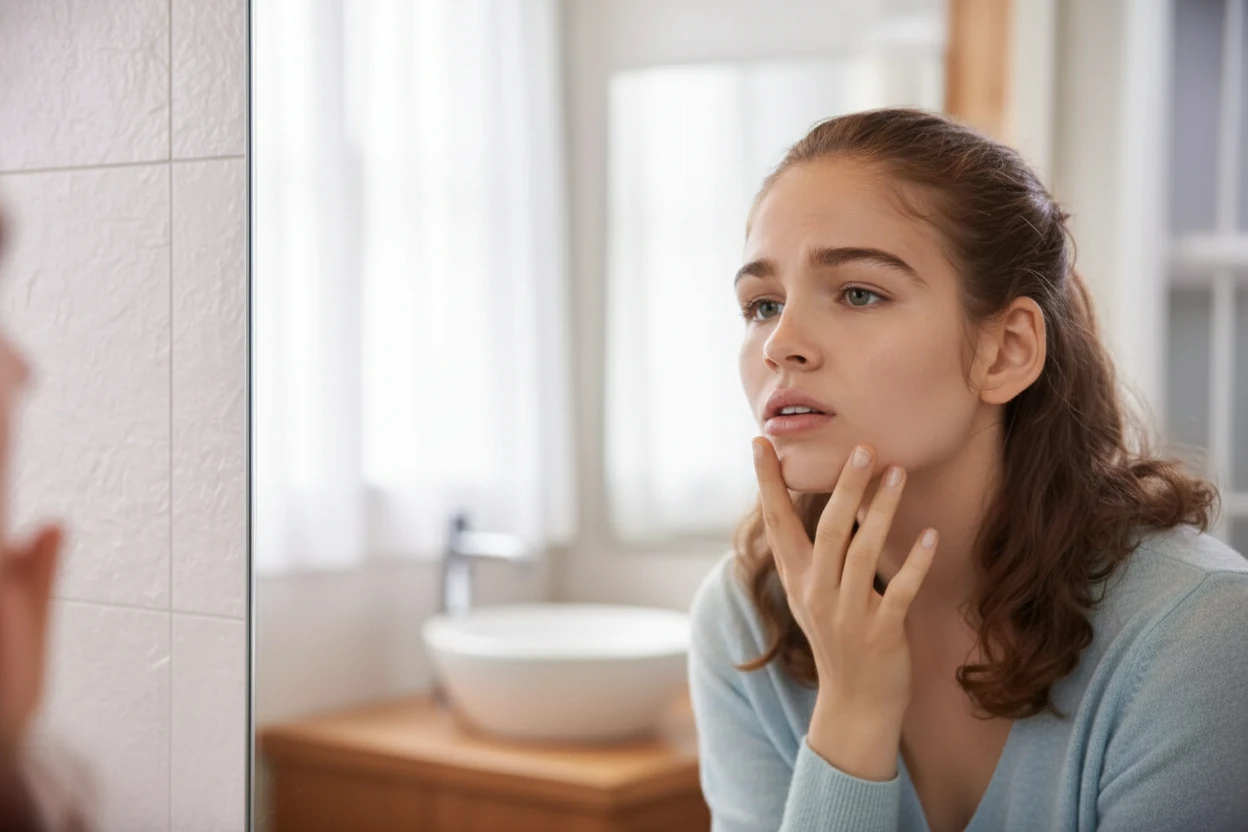
Acne affects people of all ages and can be emotionally challenging, often prompting questions about why breakouts happen in certain areas of the face1. Acne face mapping is a technique that links specific facial regions where acne appears to possible underlying causes, helping individuals better understand their skin and guide treatment2. While rooted in ancient practices, this approach also aligns with modern dermatological insights about skin anatomy and acne triggers3. Decoding breakout locations can inform targeted prevention and treatment strategies for clearer skin4.
Understanding Acne Face Mapping
Acne face mapping is a traditional concept with origins in ancient Chinese and Ayurvedic medicine that associates different facial zones with internal organs and health conditions3. Although this theory lacks strong scientific validation, dermatologists recognize that the skin varies across facial regions in thickness, oiliness, and sensitivity, which influences acne patterns and treatment approaches5. For example, the skin around the eyes is about 10 times thinner than other facial areas, making it more delicate, while the T-zone (forehead, nose, and chin) tends to be oilier due to a higher density of sebaceous glands5.
Acne develops when pores become clogged with dead skin cells, excess oil (sebum), and bacteria such as Cutibacterium acnes (formerly Propionibacterium acnes), leading to inflammation and visible lesions3. Acne face maps chart these common breakout locations and suggest possible causes, helping people hypothesize what might be triggering their acne2. However, there is no conclusive evidence that acne location reliably predicts internal organ health6.
“Our facial anatomy determines the type of skin in a specific area. The skin around our eyelids is 10 times thinner than the skin on the rest of the face. That's why facial mapping is very important in terms of caring for your skin.”
— Amanda Doyle, MD, Russak Dermatology5
Interpreting Breakout Locations
Understanding where acne appears on the face can provide clues about its possible causes and guide more effective treatment.
💡 Did You Know? Acne face mapping uses the facial regions where acne is most common to help people understand the underlying causes of acne2.
Forehead
Acne on the forehead is often linked to external factors such as the use of oily or comedogenic hair products like mousse, dry shampoo, or hair oils that can spread to the nearby skin and block pores34. Stress may also contribute to forehead breakouts by increasing androgen levels, which stimulate sebum production1. Additionally, traditional face mapping associates forehead acne with digestive system or liver issues, though scientific evidence for this is limited67.
Chin or Jaw
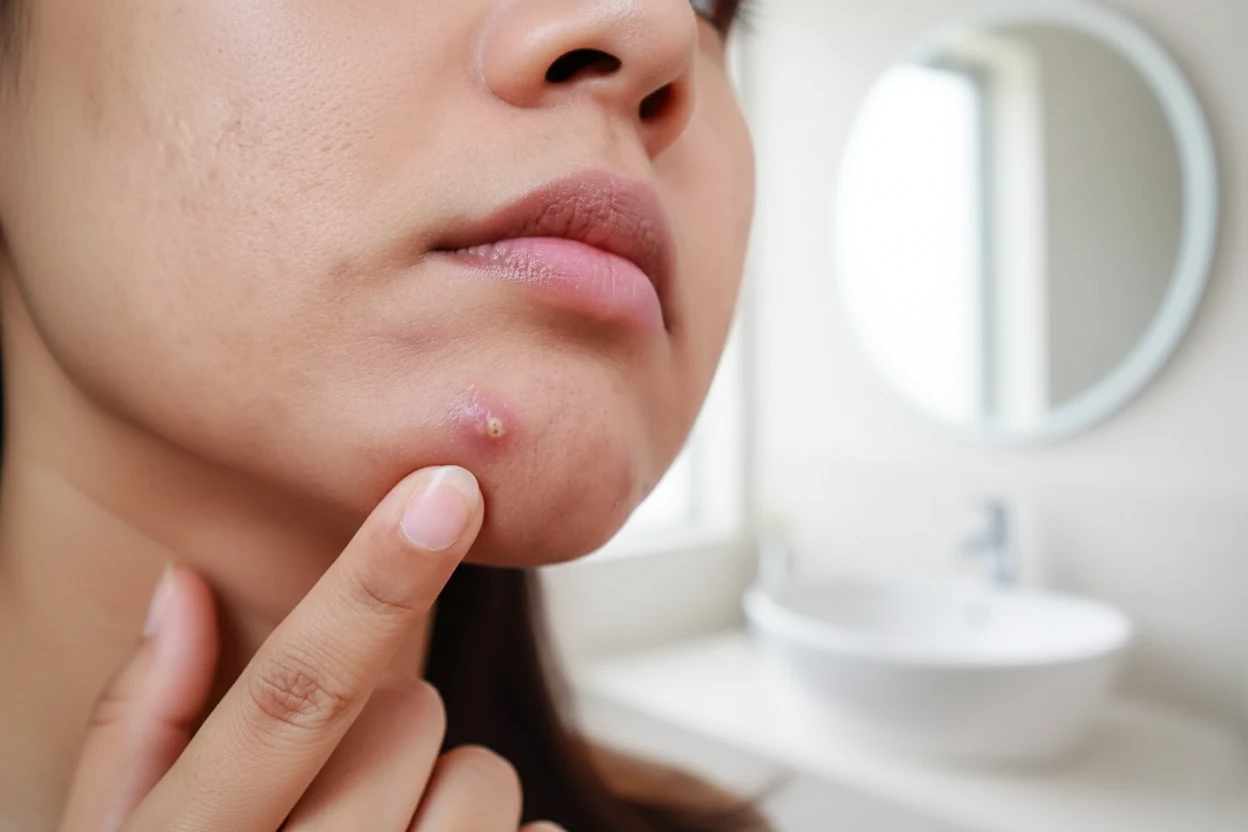
Breakouts on the chin and jawline are commonly associated with hormonal fluctuations, especially in women during menstrual cycles, pregnancy, or conditions like polycystic ovary syndrome (PCOS)347. Hormonal acne in these areas tends to be deeper, more inflamed, and may require specific treatment approaches4. However, acne location alone cannot definitively diagnose hormonal disturbances6.
Edges of Face
Acne along the hairline and temples is frequently caused by hair care products that are waxy or oily, such as certain mousses or dry shampoos, which can clog pores when they come into contact with facial skin34. Keeping hair away from the face and washing hair after applying such products may help reduce these breakouts3.
Cheeks
Cheek acne can result from acne mechanica, which develops due to friction or rubbing of the skin, such as from dirty makeup brushes, germ-ridden cell phones, or unwashed pillowcases34. Environmental factors like air pollution may also contribute7. Genetics can play a role in cheek acne susceptibility as well4.
T-Zone
The T-zone, comprising the forehead, nose, and chin, generally has larger pores and more sebaceous glands, making it prone to excess oil production and acne45. Blackheads (open comedones) and whiteheads (closed comedones) commonly appear here due to clogged pores with sebum and dead skin cells4. Managing oiliness in this area is key to controlling acne.
“Acne is common, so it seems like it should be easy to treat, but so many factors play into it, including genetics, hormones and the natural flora, or healthy bacteria, of your skin.”
— Amy Kassouf, MD, Cleveland Clinic4
Effective Acne Treatments and Prevention
Treatments
Acne treatment is multifaceted and often requires patience and adherence for several weeks to months before noticeable improvement89. Common first-line topical treatments include cleansers containing benzoyl peroxide and salicylic acid. Benzoyl peroxide works by killing acne-causing bacteria and reducing sebum secretion, while salicylic acid exfoliates pores and helps prevent comedones89. For more severe or persistent acne, dermatologists may recommend adjunctive therapies such as light or laser treatments, topical retinoids, antibiotics, or oral medications including hormonal therapies and isotretinoin895.
- Benzoyl peroxide kills Propionibacterium acnes bacteria and decreases sebum production89.
- Salicylic acid exfoliates pores and reduces comedones89.
- Topical retinoids help reduce excess oil and unblock pores3.
- Oral antibiotics fight bacteria and reduce inflammation in moderate to severe acne3.
- Hormonal treatments like combined oral contraceptives can be effective for hormonal acne5.
Prevention
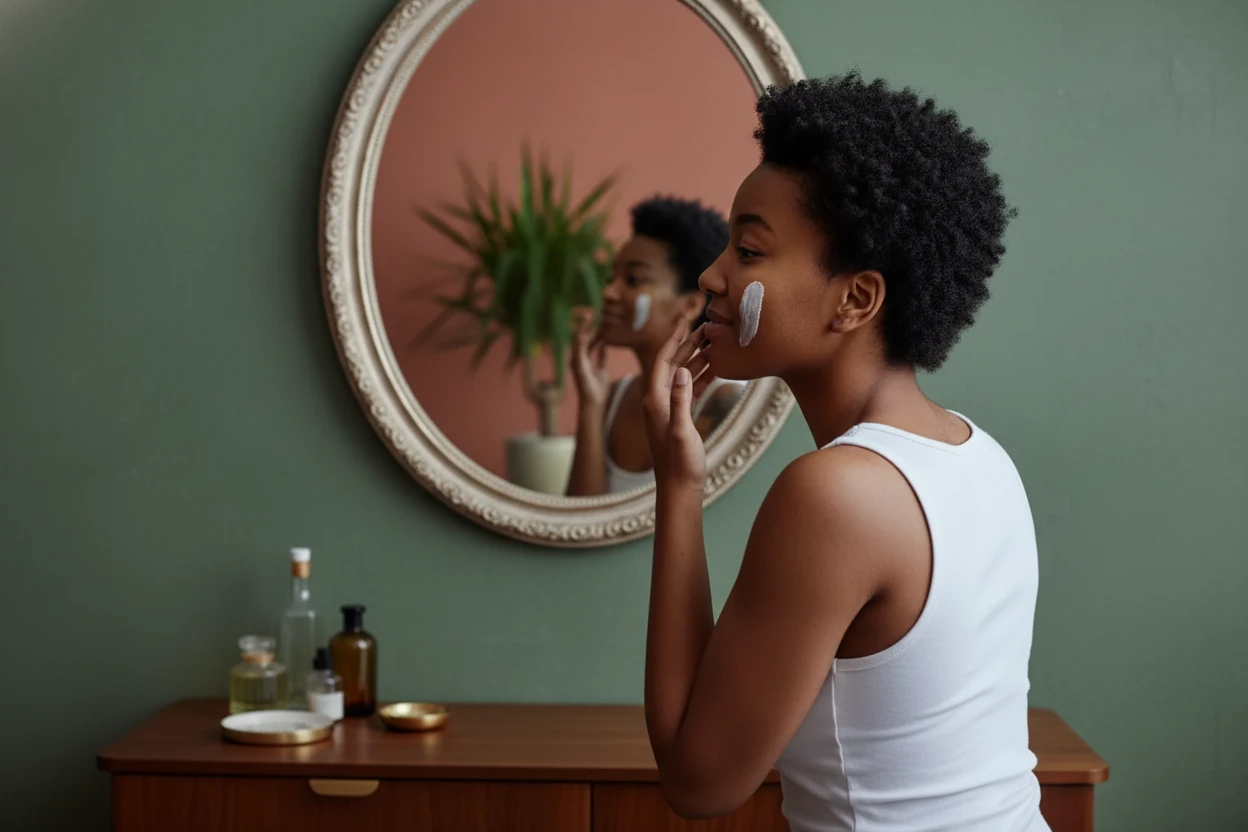
Preventing acne involves minimizing factors that clog pores or irritate the skin. Regular gentle cleansing twice daily and after exercise helps remove excess oils and bacteria89. Avoiding frequent face touching and refraining from popping pimples reduce mechanical irritation and risk of scarring893. Using oil-free, noncomedogenic skincare and makeup products prevents pore blockage35. Keeping hair away from the face and washing hair after applying oily or waxy products can reduce acne near the hairline3. Lifestyle factors such as balanced nutrition, stress management, and regular exercise may also help prevent breakouts37.
- Cleanse face gently once or twice daily with mild, nonabrasive cleansers89.
- Use oil-free, noncomedogenic skincare and makeup products3.
- Avoid touching or rubbing the face frequently89.
- Keep hair away from the face and wash hair after using oily products3.
- Manage stress and maintain balanced nutrition to support skin health37.
Effective acne treatment requires patience and consistency. Topical agents like benzoyl peroxide and salicylic acid target bacteria and clogged pores, but results often take weeks to months. Consulting a dermatologist can help tailor treatments to your specific acne type and severity.589
Root Causes of Acne
Acne pathogenesis involves several key factors: follicular hyperkeratinization (excess skin cell buildup blocking pores), increased sebum production by sebaceous glands, bacterial colonization (notably Cutibacterium acnes), and inflammation810. Multiple contributors influence acne development, including genetics, hormonal fluctuations, use of comedogenic cosmetics or hair products, and possibly diet810.
Hormonal changes during menstrual cycles, pregnancy, menopause, or conditions like PCOS can worsen acne by increasing androgen levels that stimulate sebum production and pore blockage810. Premenstrual acne flare-ups affect up to 85% of women, linked to cyclical hormone shifts810. Stress also raises androgen secretion, exacerbating acne15. Family history is a significant risk factor, indicating genetic predisposition810.
Dietary factors such as high glycemic load and dairy intake may influence acne severity, although evidence is still evolving810. Acne lesions vary from non-inflammatory comedones (blackheads and whiteheads) to inflammatory papules, pustules, nodules, and cysts810.
| Acne Pathogenesis Factors | Description |
|---|---|
| Follicular hyperkeratinization | Excess dead skin cells block pores810 |
| Sebum overproduction | Androgens stimulate oily secretion810 |
| Bacterial colonization | Cutibacterium acnes triggers inflammation810 |
| Inflammation | Immune response causes redness and swelling810 |
“Acne face mapping links a pimple on your chin to your hormones or a blemish on your forehead to digestive issues.”11
Key Takeaways
- Acne face mapping helps identify possible causes of breakouts based on their facial location, though it is not a definitive diagnostic tool26.
- Hormonal acne typically affects the chin and jawline, often linked to menstrual cycles and conditions like PCOS810.
- External factors such as hair products and mechanical irritation contribute to acne on the forehead, hairline, and cheeks34.
- Effective acne treatment includes topical cleansers with benzoyl peroxide or salicylic acid, and may require dermatologic therapies for persistent cases89.
- Preventive measures include gentle cleansing, avoiding face touching, using noncomedogenic products, and managing lifestyle factors like stress and diet893.