Lice infestations affect millions of people worldwide, with head lice being especially common among children aged 3 to 11 years, causing up to 12 million cases annually in the United States1. These tiny parasites live on human hair and skin, feeding on blood and causing discomfort through itching and skin irritation2. Understanding the types of lice, their symptoms, transmission, treatment, and prevention is essential for effective management and control of infestations3.
Types of Lice Infestations
Lice are obligate human ectoparasites that feed on blood and infest specific areas of the body. There are three main types of lice that affect humans: head lice, body lice, and pubic lice. Each type has distinct characteristics, habitats, and modes of transmission24.
Head Lice
Head lice (Pediculus humanus capitis) are slender, wingless insects that live close to the scalp, feeding on human blood56. They cling tightly to hair shafts near the scalp to maintain warmth and access to food76. Head lice progress through three life stages: eggs (called nits), nymphs (immature lice), and adults, with adults roughly the size of a sesame seed (2–3 mm)763. The eggs are oval-shaped, yellowish-white, and firmly attached to hair shafts, often near the scalp where they hatch within 6 to 9 days38. Nymphs resemble adults but are smaller and mature in about a week38.
Head lice infestations are common, affecting approximately 6 to 12 million children annually in the United States, especially preschool and elementary school children and their close contacts791. They do not transmit diseases but cause itching and discomfort26.
Body Lice
Body lice (Pediculus humanus corporis) differ from head lice by living primarily in clothing and bedding rather than on the scalp410. They crawl onto the skin to feed, usually in areas where clothing seams contact the skin, such as the neck, shoulders, armpits, waist, and groin1110. Body lice are associated with overcrowding and poor hygiene and can transmit serious bacterial diseases like epidemic typhus, trench fever, and relapsing fever12134.
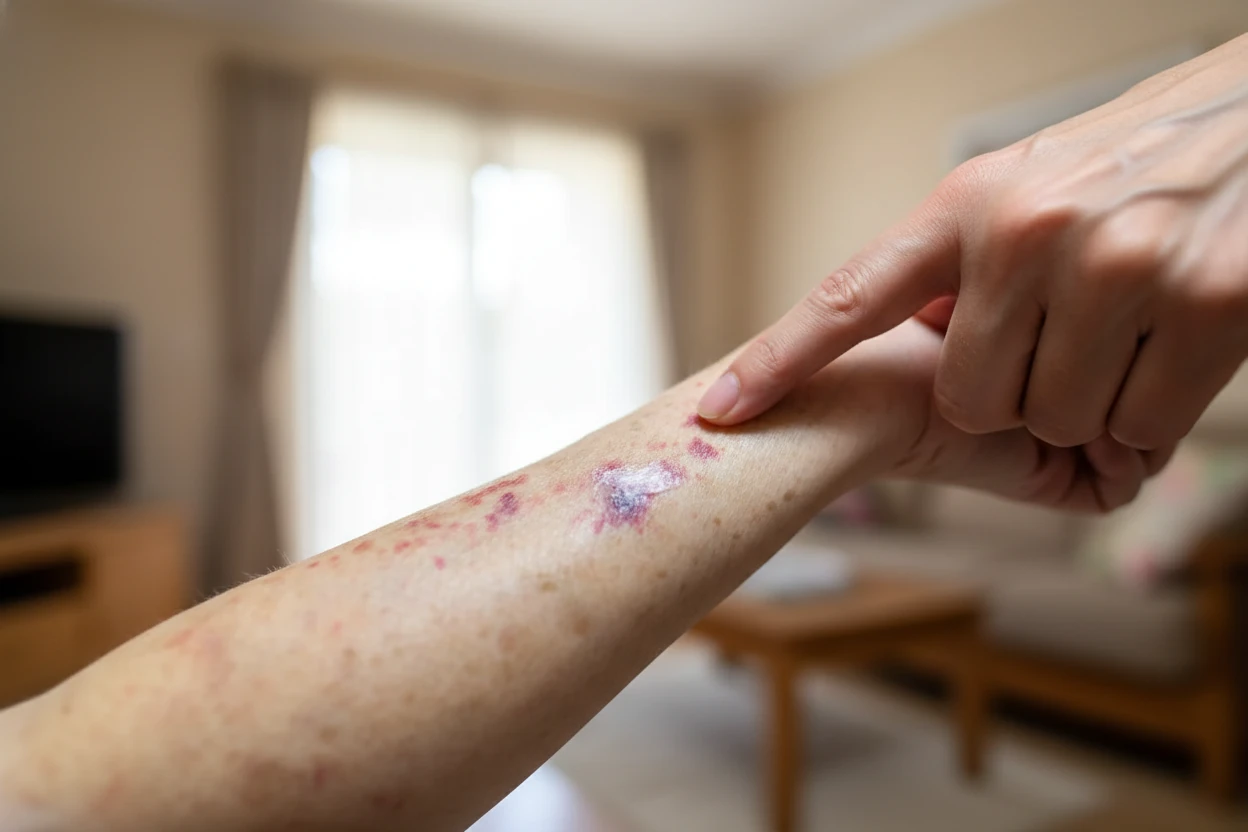
Body lice develop through the same three stages as head lice: eggs, nymphs, and adults4. Infestations cause itching, skin irritation, excoriations from scratching, and thickened or discolored skin after heavy bites141110.
Pubic Lice
Pubic lice (Phthirus pubis), also known as "crabs," primarily infest the pubic region but can also be found in armpits, chest hair, and eyelashes1516. They are smaller than head or body lice and have a crab-like appearance15. Pubic lice are mainly transmitted through sexual contact and predominantly affect sexually active adults1610. Nonsexual transmission via fomites like towels or bedding is uncommon1610.
Infestation with pubic lice in children may indicate possible sexual abuse and requires immediate medical and social intervention1718. Symptoms include itching in the genital area, red bumps, and dark louse droppings resembling powder on the skin or underwear1915.
Common Lice Symptoms
Lice infestations cause a range of symptoms primarily related to their feeding behavior and the host’s allergic reactions to lice saliva26. Common symptoms include:
- Intense itching due to an allergic reaction to lice bites141911
- Presence of live lice or nits attached firmly to hair shafts or on the skin26
- Skin irritation and redness, often worsened by scratching26
- Excoriations (skin sores) resulting from persistent scratching141911
- A sensation of movement in the hair or on the skin26
- Thickened, discolored skin in cases of heavy body lice infestation1411
Head lice bites typically cause itching on the scalp, especially behind the ears and at the nape of the neck3. Body lice bites may cause rashes and skin thickening, while pubic lice cause itching and red bumps in the genital area191116.
Lice Transmission Methods
Lice transmission varies by species but generally requires close contact or sharing of personal items764.
- Head lice spread mainly through direct head-to-head contact, common among children during play or school activities6920.
- Sharing personal items such as combs, hats, hair accessories, and towels can also facilitate head lice transmission6920.
- Body lice transmission occurs through close contact or sharing infested clothing, bedding, or towels, often in conditions of overcrowding and poor hygiene410.
- Pubic lice are primarily transmitted through sexual contact, with nonsexual transmission via fomites being rare1610.
- Pets and animals do not transmit human lice infestations79.
Lice cannot fly or jump; they crawl to move from one host to another38. Head lice survive less than one to two days off the human scalp, limiting indirect transmission20.
Head lice infestations are common among children but are unrelated to personal cleanliness or socioeconomic status. They spread mainly through direct head-to-head contact and sharing personal items like combs and hats2067.
Effective Lice Treatment Options
Treatment strategies differ depending on the lice species involved but generally involve topical pediculicides, mechanical removal, and hygiene measures7921.
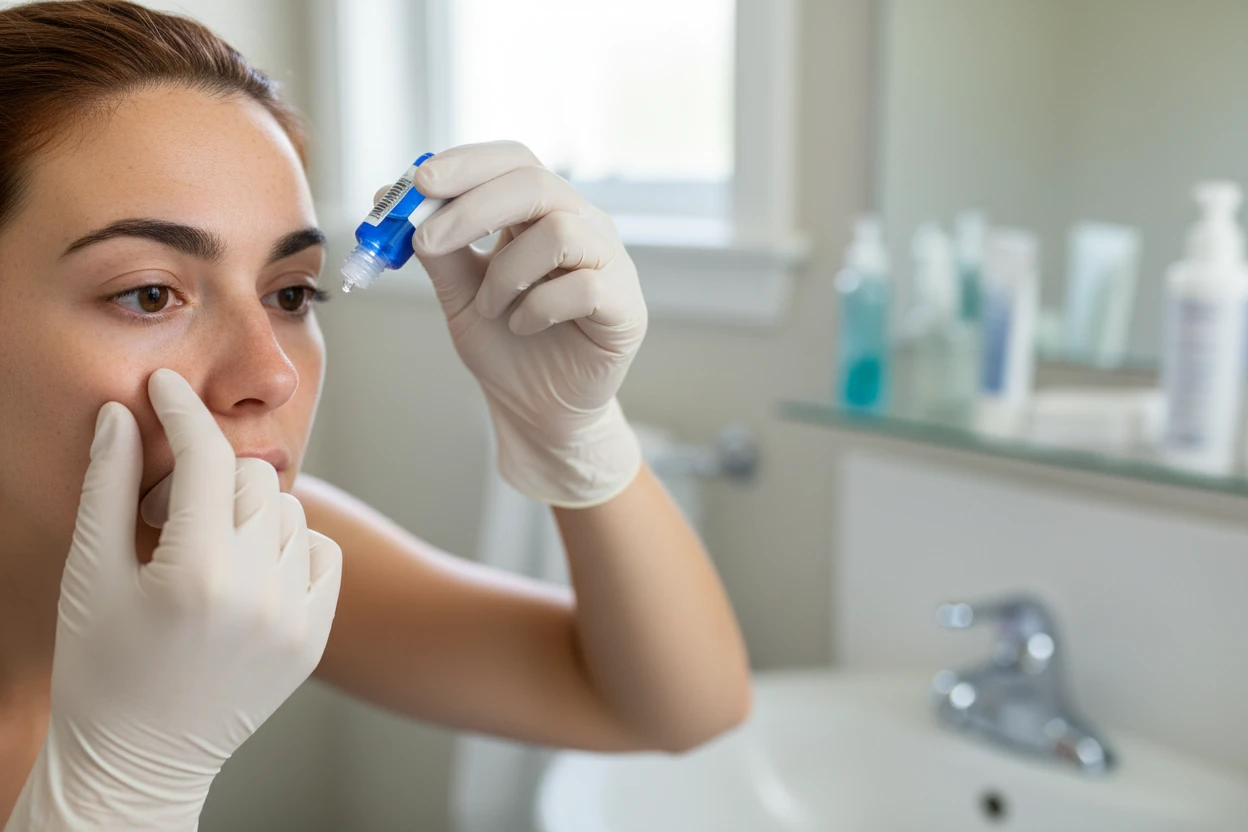
Head lice treatment typically involves the use of topical pediculicides available over-the-counter (OTC) or by prescription7920. These medications target live lice but may not kill all nits, necessitating a second application 7 to 10 days later to eliminate newly hatched lice7920. Common pediculicides include permethrin and pyrethrins, which attack the lice nervous system20.
Mechanical removal using a fine-toothed nit comb is an important adjunct to chemical treatment to physically remove lice and nits793. Wetting the hair and applying conditioner before combing can improve detection and removal8. Washing clothing, bedding, and personal items in hot water and drying on high heat helps prevent reinfestation20.
Body lice infestations are primarily controlled by improving personal hygiene and laundering clothing and bedding in hot water (at least 130°F) followed by high heat drying410. Regular changing of clothes is essential10. Pediculicides may be used if infestations persist despite hygiene measures10. Spraying furniture with lice-killing products can help eliminate eggs in fabric fibers10.
Treatment of pubic lice involves topical pediculicides such as permethrin or pyrethrins lotions1610. Manual removal of lice after treatment aids in clearing infestation1610. Sexual partners should be notified and treated simultaneously to prevent reinfestation1610. Sexual activity should be avoided until treatment is complete and infestation is cleared1610. Effective treatment usually resolves pubic lice within 1 to 2 weeks1610.
Lice Prevention Strategies
Preventing lice infestations focuses on reducing transmission risks and maintaining good hygiene764.
- Avoid direct head-to-head contact, especially among children during play and school activities7620.
- Do not share personal items such as combs, hats, scarves, towels, and hair accessories7620.
- Disinfect combs and brushes by soaking them in hot water (at least 130°F) for 5 to 10 minutes20.
- Wash clothing, bedding, and towels regularly in hot water and dry on high heat41020.
- Avoid sexual contact with infested individuals to prevent pubic lice transmission1610.
- Maintain good personal hygiene and avoid overcrowded living conditions to reduce body lice risk410.
Use of insecticide sprays or fogs is not recommended due to toxicity and limited effectiveness20.
When to Seek Medical Care
Medical consultation is advised in the following situations:
- Persistent itching or symptoms despite treatment76.
- Signs of skin infection such as red, tender, or swollen areas14211.
- Difficulty detecting lice but symptoms suggest infestation76.
- Presence of pubic lice in children, which may indicate possible sexual abuse and requires immediate attention1718.
- Recurrent infestations or suspected resistance to over-the-counter treatments22.
Early medical evaluation helps ensure appropriate diagnosis and treatment, preventing complications and further spread76.
Key Points Summary
- Head lice, body lice, and pubic lice are human-specific parasites that feed on blood and infest distinct body areas2416.
- Head lice are common in children and spread mainly through direct head-to-head contact and sharing personal items7620.
- Body lice infestations are linked to overcrowding and poor hygiene and can transmit serious bacterial diseases12134.
- Pubic lice are primarily sexually transmitted and require treatment of sexual partners to prevent reinfestation1610.
- Treatment involves topical pediculicides, mechanical removal with nit combs, and hygiene measures such as laundering clothes and bedding7910.
- Prevention focuses on avoiding close contact with infested individuals, not sharing personal items, and maintaining good hygiene764.
- Seek medical care if symptoms persist, complications develop, or pubic lice are found in children1776.
Frequently Asked Questions
What do lice eggs (nits) look like?
Nits are tiny, oval-shaped, yellowish-white eggs firmly attached to hair shafts near the scalp. They can be mistaken for dandruff but cannot be brushed off easily38.
Can lice jump or fly?
No, lice cannot jump or fly. They move by crawling and require direct contact to spread from one person to another38.
Are lice infestations related to poor hygiene?
No, lice infestations are not related to personal cleanliness or socioeconomic status. Anyone can get lice through close contact with an infested person7620.
How long do lice live off the human body?
Head lice survive less than one to two days off the scalp, while body lice can survive longer in clothing and bedding420.
Is it necessary to treat the whole family if one person has lice?
Often, treating close contacts and family members is recommended to prevent reinfestation, especially in households with children7620.