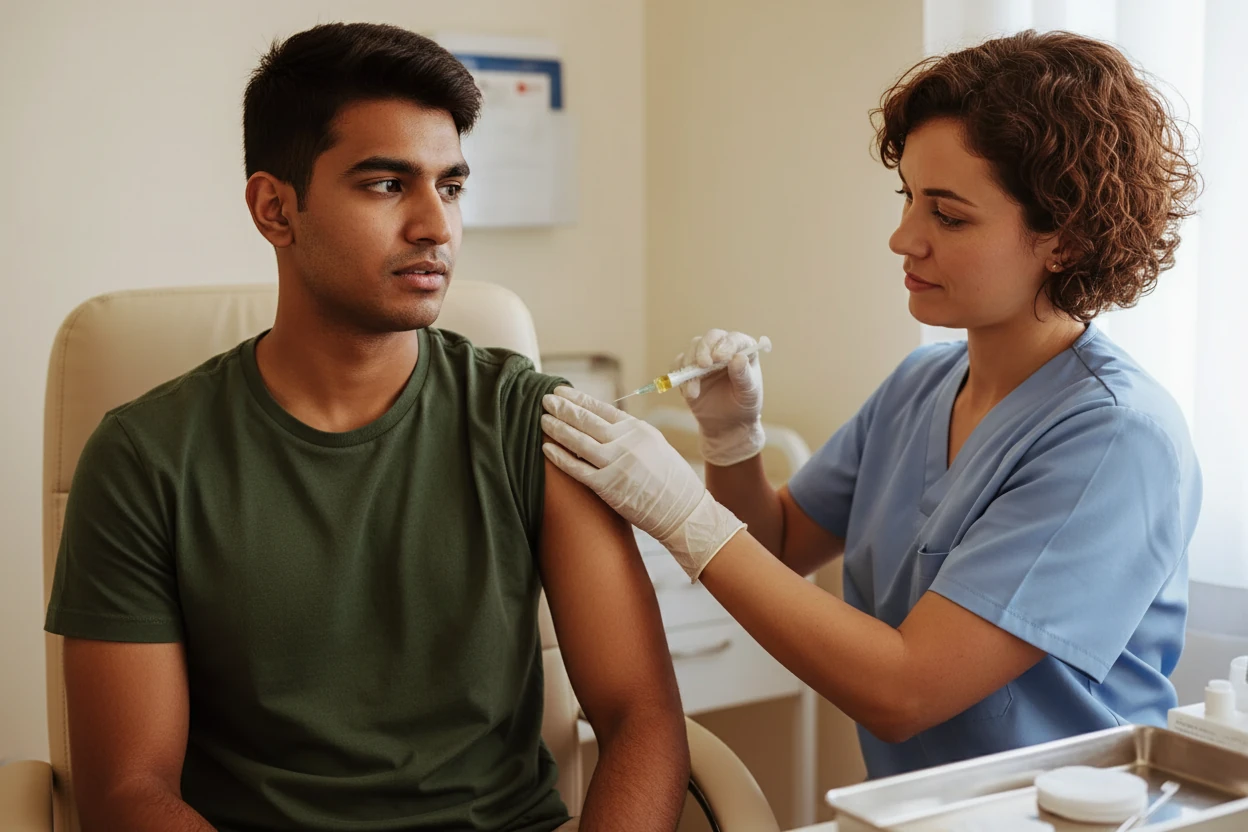
Ticks are small arachnids closely related to spiders that feed on the mcv blood test results meaning and normal range of mammals, birds, and sometimes reptiles12. They inhabit grassy, wooded, and brushy areas where they wait to attach to passing hosts, including humans and pets32. Tick bites can transmit serious diseases such as Lyme disease and Rocky Mountain spotted fever, making awareness and prevention essential for outdoor enthusiasts43.
Tick Identification and Biology
Ticks belong to the class Arachnida, sharing characteristics with spiders and mites, including having eight legs and lacking wings and antennae, which distinguishes them from insects256. There are over 900 known tick species worldwide, with a variety of habitats ranging from forests to grasslands78. In the United States, a limited number of species are responsible for most tick-borne diseases, including the deer tick (Ixodes scapularis), the lone star tick (Amblyomma americanum), and several Dermacentor species91011.
Ticks have a complex life cycle consisting of four stages: egg, larva, nymph, and adult. The nymph stage is particularly important in disease transmission because nymphs are very small—often less than 2 millimeters—and can go unnoticed while feeding7101. Ticks do not fly or jump; instead, they use a behavior called "questing," where they climb onto vegetation and extend their front legs to latch onto a passing host by detecting body heat, moisture, vibrations, and even shadows12133.
Tick saliva contains anticoagulants, anesthetics, and immunosuppressive molecules that facilitate prolonged feeding by preventing blood clotting and reducing host immune responses1213. This saliva also plays a key role in transmitting pathogens such as bacteria, viruses, and protozoa to the host during the feeding process1412.
Common Tick Bite Locations
Ticks often move on the host's body to find optimal feeding sites characterized by thin skin and a good blood supply153. Common attachment sites include warm, moist, and hard-to-see areas such as:
- Scalp and neck, especially behind the ears163
- Armpits163
- Groin and between the legs163
- Behind the knees163
- Belly button3
- Around the waist3
Because nymphal ticks are very small, they can easily go unnoticed when attached in these locations107. The feeding duration for hard ticks ranges from 2 to 7 days depending on species and life stage, with engorged female ticks significantly increasing in size as they fill with blood needed for reproduction52.
Symptoms of a Tick Bite
Tick bites themselves often cause minimal immediate symptoms and are usually painless due to anesthetic properties in tick saliva1613. However, reactions to tick bites and transmitted infections can vary from mild to severe.
Allergic Reaction
Local allergic reactions to tick saliva are common and may include itching, redness, and swelling at the bite site154. Some individuals may experience delayed hypersensitivity reactions, such as blistering at the bite location15. Although rare, anaphylaxis (a severe allergic reaction) can occur in sensitized individuals17. The lone star tick bite is notable for potentially triggering alpha-gal syndrome, an allergy to red meat that develops days after the bite17.
Signs of secondary bacterial infection at the bite site include persistent pain, increased redness, and swelling15.
Tick-Borne Diseases
Ticks can transmit a variety of pathogens causing diseases such as Lyme disease, ehrlichiosis, babesiosis, and tularemia14184. The risk of infection depends on the tick species, the pathogen it carries, and the duration of attachment1912. For example, Borrelia burgdorferi, the bacterium causing Lyme disease, typically requires 36 to 48 hours of tick attachment before transmission occurs2012.
Common early symptoms of tick-borne diseases include:
- Fever and chills203
- Fatigue and muscle aches203
- Joint pain, especially in Lyme disease203
- Rash, which may be a bullseye pattern in Lyme disease or other distinctive rashes in diseases like Rocky Mountain spotted fever204
Not all tick bites from infected ticks result in disease; infection rates vary by region and tick infection prevalence, with Lyme disease risk estimated between 1% and 5% after a tick bite2119.
Rocky Mountain Spotted Fever
Rocky Mountain spotted fever (RMSF) is a serious and potentially fatal illness transmitted by several tick species including Dermacentor and the brown dog tick2214. RMSF symptoms typically begin with fever, followed by a rash appearing 2 to 5 days later. The rash often starts as small pink spots on the wrists, forearms, and ankles before spreading to the trunk2223.
Additional symptoms of RMSF may include headache, muscle pain, nausea, vomiting, confusion, sensitivity to light, and hallucinations2223. Early diagnosis and treatment are critical to prevent severe complications.
Tick bites can be hard to detect because nymphal ticks are tiny and their saliva numbs the bite area. This makes frequent tick checks essential after outdoor activities to catch ticks early and reduce disease risk10133.
Tick Bite Treatment
Prompt removal of ticks is the first and most important step in reducing the risk of disease transmission43. The likelihood of pathogen transmission increases with the length of tick attachment, typically requiring more than 24 hours for most infections to be transmitted1219.
Ticks should be removed using fine-tipped tweezers or specialized tick removal tools by grasping the tick as close to the skin as possible and pulling upward with steady, even pressure424. Avoid twisting or crushing the tick, as this may increase the risk of pathogen transmission164. After removal, the bite area should be cleaned thoroughly with soap and water or rubbing alcohol4.
Local redness and swelling at the bite site are common and usually represent an allergic reaction rather than infection15. However, if symptoms such as persistent pain, increasing redness, or swelling develop, a secondary infection may be present and require medical attention15.
Antibiotic treatment, particularly doxycycline, is recommended for early Lyme disease and other bacterial tick-borne infections, especially if the tick was attached for more than 36 hours or if symptoms develop254. Not all tick bites require antibiotics; treatment decisions depend on clinical evaluation and risk factors19.
Doxycycline is effective against various tick-borne bacterial infections such as Lyme disease and ehrlichiosis25.
When to Seek Medical Care
Medical evaluation is advised if any symptoms of tick-borne illness appear within several weeks after a tick bite203. Key signs warranting prompt healthcare contact include:
- Fever, chills, muscle or joint aches203
- Rash, especially a bullseye or spreading rash204
- Severe allergic reactions or anaphylaxis17
- Signs of secondary infection at the bite site such as increasing pain, redness, or swelling15
- Uncertainty about tick removal or if the tick was attached for a prolonged period4
Early diagnosis and treatment reduce the risk of severe complications from tick-borne diseases253. Avoid home remedies such as using heat, chemicals, or petroleum jelly to remove ticks, as these may increase pathogen transmission risk164.
Tick Bite Prevention
Preventing tick bites is crucial to reduce the risk of tick-borne diseases. Effective prevention strategies include:
- Avoiding wooded, brushy, and grassy areas, especially during peak tick seasons in spring, summer, and fall193
- Wearing light-colored clothing with long sleeves and pants tucked into socks to reduce skin exposure193
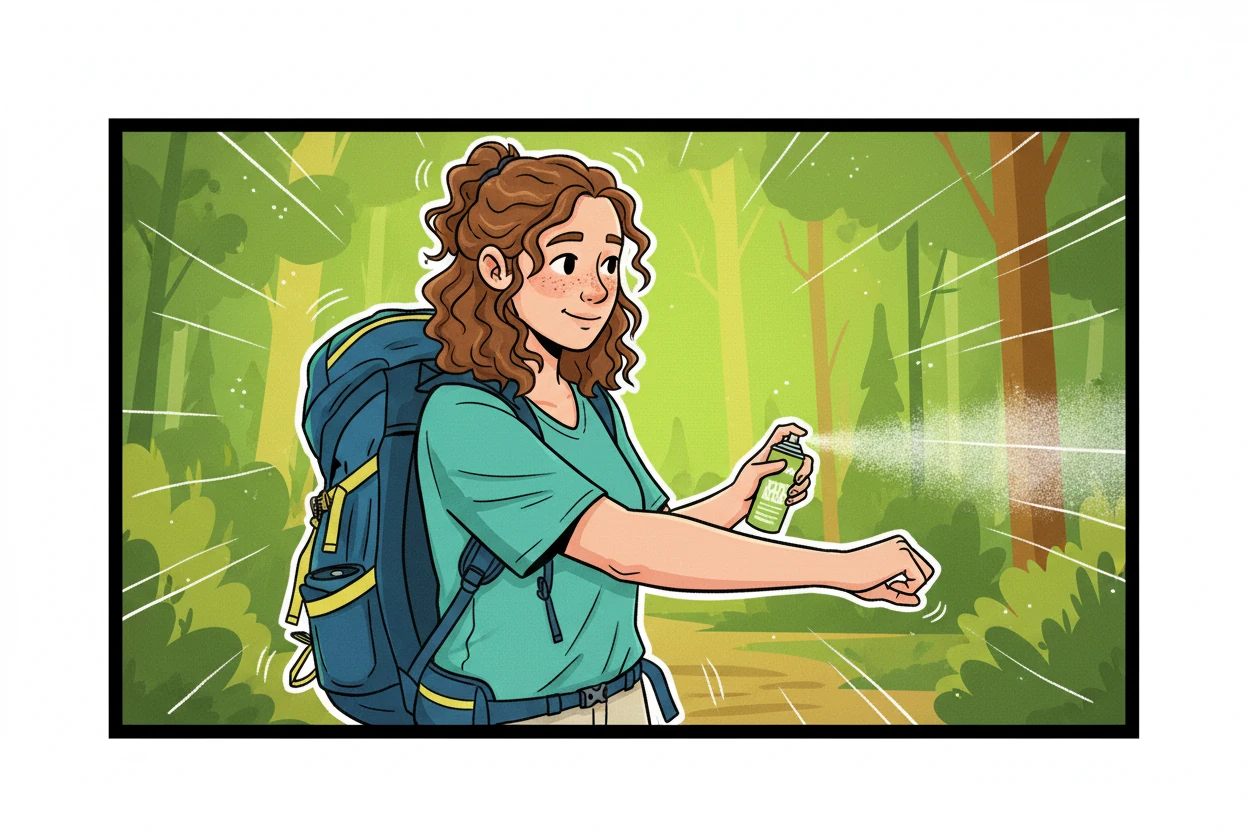
- Using insect repellents containing at least 20% DEET or picaridin on exposed skin1926
- Wearing clothing treated with 0.5% permethrin for long-lasting protection193
- Showering within two hours after outdoor exposure to wash off unattached ticks193
- Performing thorough tick checks on the entire body, paying special attention to common attachment sites193
- Checking pets and outdoor gear for ticks to prevent indoor introduction193
- Tumble drying clothes on high heat for at least 10 minutes to kill ticks on clothing193
Maintaining yards by keeping grass short, removing leaf litter, and creating barriers between wooded areas and lawns can also reduce tick habitats near homes2611.
Apply repellents containing DEET (10-30 percent) or picaridin (20 percent) to exposed skin and treat clothing with permethrin to effectively reduce tick bites23.
Key Takeaways
- Ticks are small arachnids that feed on blood and can transmit serious diseases such as Lyme disease and Rocky Mountain spotted fever214.
- Nymphal ticks are tiny and often go unnoticed, making frequent tick checks essential after outdoor activities107.
- Tick saliva contains substances that numb the bite and suppress the immune response, facilitating prolonged feeding and pathogen transmission1213.
- Removing ticks promptly with fine-tipped tweezers reduces the risk of infection; doxycycline is the preferred treatment for early bacterial tick-borne diseases254.
- Preventive measures including protective clothing, repellents, and environmental management are key to reducing tick bites and associated illnesses193.
Frequently Asked Questions
How do you know if you have a tick on you?
Ticks are often detected by visually finding them attached to the skin, especially in common hiding spots like the scalp, armpits, and groin163. Because nymphs are very small and their bites are painless, careful inspection is necessary.
How long after a tick bite do symptoms appear?
Symptoms of tick-borne diseases can appear within days to weeks after a bite. Early symptoms often include fever, fatigue, muscle aches, and sometimes a rash203.
Can you get Lyme disease without a rash?
Yes, up to 20% of Lyme disease cases may not have the characteristic erythema migrans rash but can still present with systemic symptoms like fever and joint pain193.