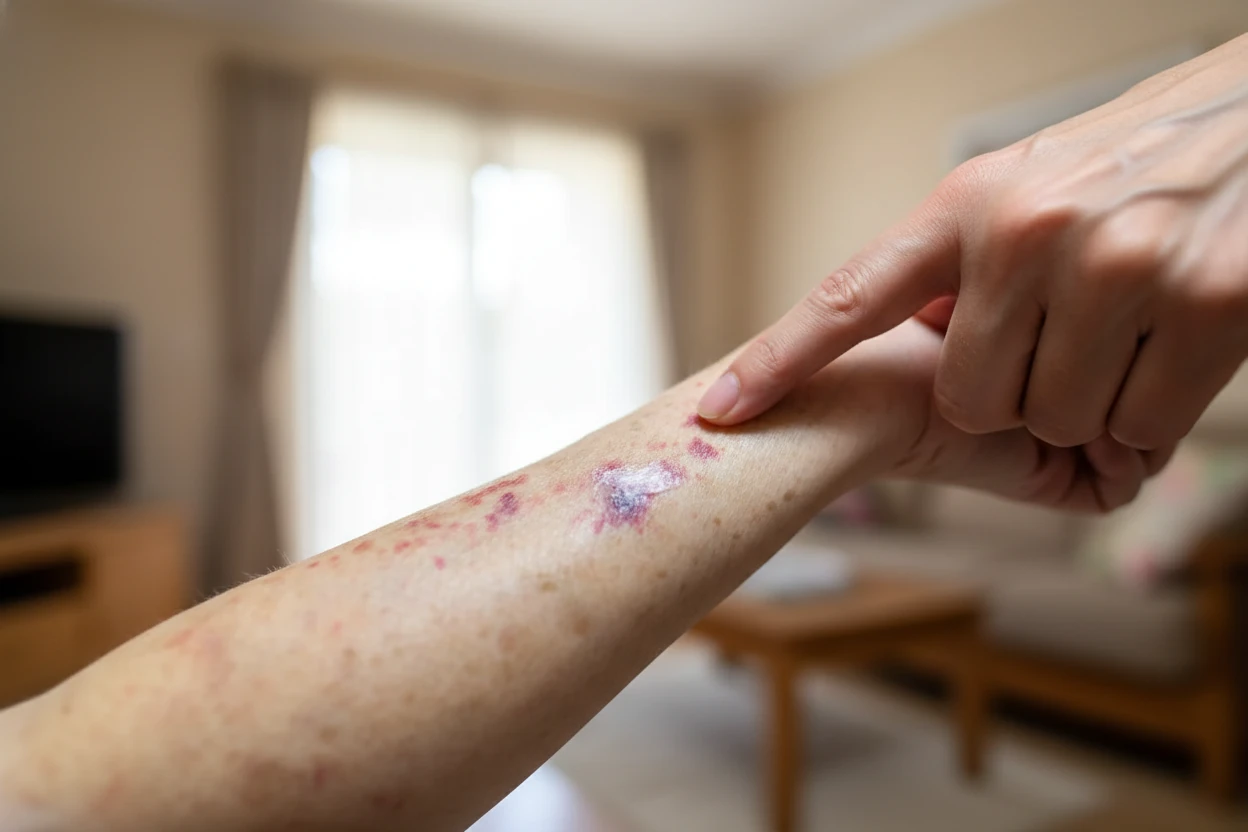
Mosquito bites are a common occurrence worldwide, often causing mild irritation but sometimes leading to more serious health concerns1. These bites result from female mosquitoes feeding on human blood and injecting saliva that triggers immune reactions2. While most bites resolve quickly with minimal treatment, understanding symptoms, relief options, risks, and prevention is essential for effective management and safety3.
Common Mosquito Bite Symptoms
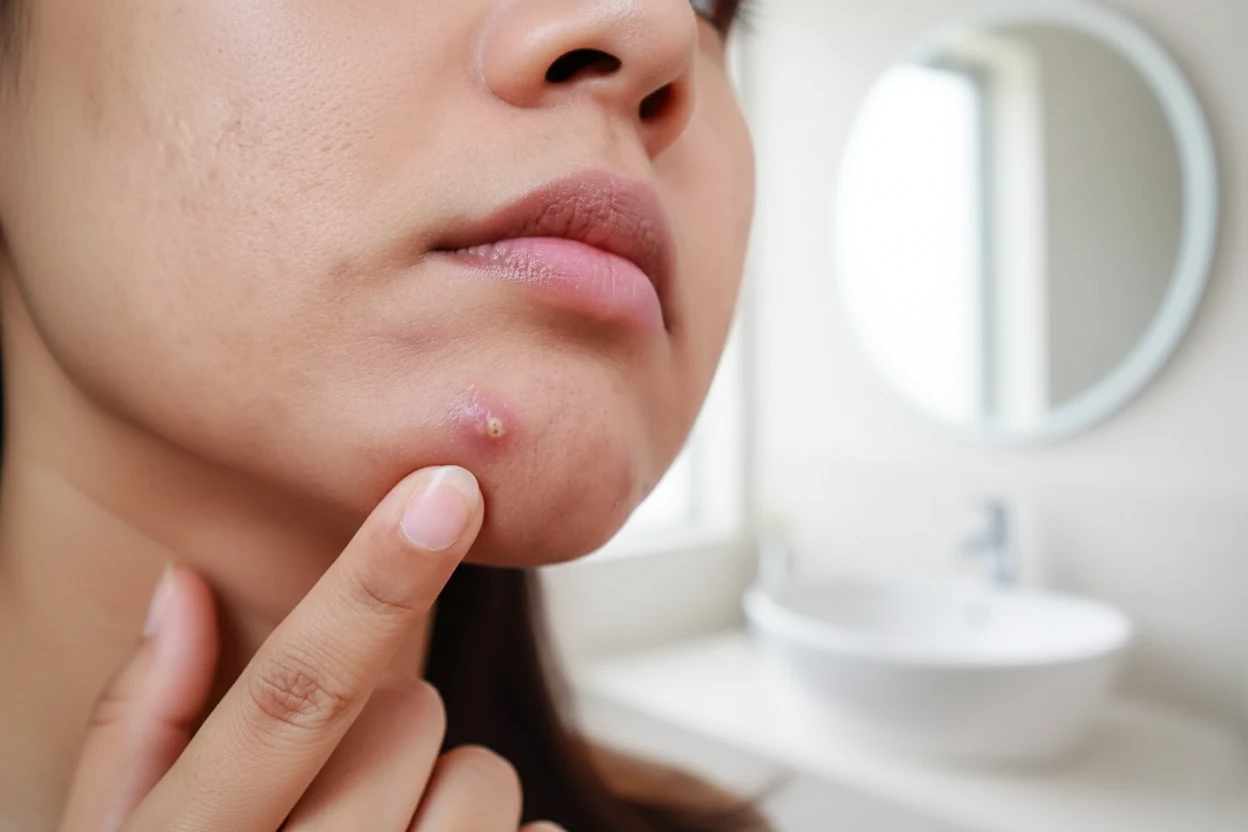
When a mosquito bites, it pierces the skin with its proboscis to draw blood and injects saliva containing proteins that prevent blood clotting and reduce pain at the bite site4. The body's immune system reacts to these salivary proteins, causing the typical symptoms of itching, redness, and swelling5. Most people develop small, raised, itchy bumps called erythematous papules that usually resolve within 1 to 2 days6.
Symptoms can vary widely depending on individual sensitivity and immune status. Common presentations include:
- Raised, red, itchy bumps or papules at the bite site7
- Swelling and redness localized around the bite6
- Small blisters or bullae in hypersensitive individuals8
- Firm, darkened nodules due to inflammation in some cases7
- Rare ecchymosis-like (bruising) lesions9
- Urticarial wheals (hives) as part of an allergic response4
Children and people with immune dysfunction are more prone to exaggerated local or systemic reactions, which may include extensive swelling, hives, or fever65. Severe allergic reactions, such as Skeeter syndrome, manifest as large, painful swelling and may be mistaken for bacterial infections63. Rarely, mosquito bites can trigger hypersensitivity linked to Epstein-Barr virus-infected natural killer cells, leading to more serious complications1011.
“Their saliva deposits in the skin from where the bite is, and it's causing a reaction to that saliva. Dr. Summer Allen, a Mayo Clinic family physician, says some of the tried-and-true home remedies for treating mosquito bites work well. Calamine lotion, over-the-counter hydrocortisone cream and even a cold compress can ease the itch.”
— Dr. Summer Allen, Mayo Clinic3
Effective Mosquito Bite Relief
Treatment for mosquito bites primarily aims to reduce itching and inflammation to prevent further skin damage and secondary infection125. Most uncomplicated bites improve with simple home care measures within a few days6. Key relief strategies include:
- Gently cleansing the bite area with soap and water to reduce irritation and infection risk6
- Applying cold compresses or ice packs for 5–10 minutes to numb the area and decrease swelling513
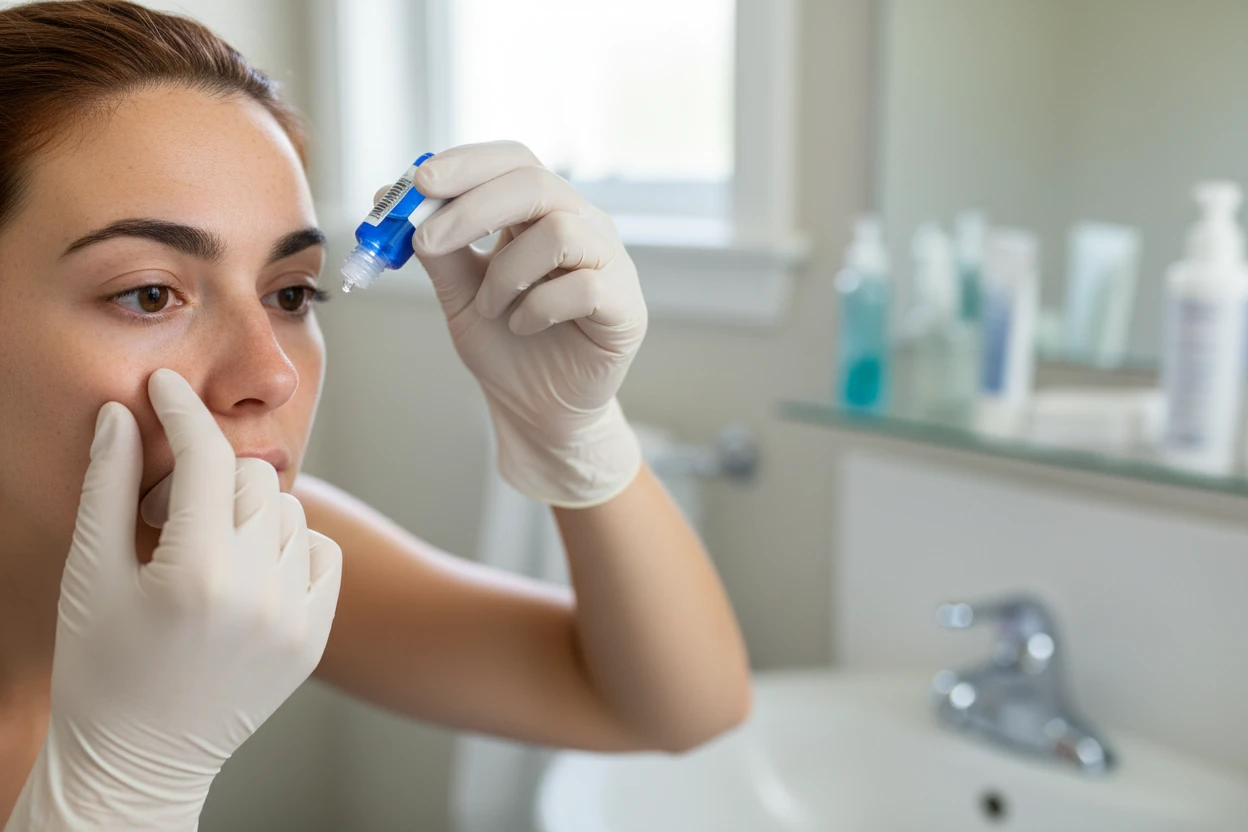
- Using topical anti-itch agents such as hydrocortisone cream or antihistamine creams to relieve itching and inflammation514
- Applying baking soda paste (1 tablespoon baking soda mixed with water) to neutralize skin pH and soothe itchiness615
- Taking oral non-sedating antihistamines like cetirizine or loratadine for stronger allergic reactions313
Novel treatments are emerging, including zinc oxide creams and thermo-therapeutic devices, which have shown promise in clinical trials for faster pruritus relief1617. Avoiding scratching is crucial because it can break the skin barrier, leading to bacterial superinfection53. If blisters form, they should be cleaned gently without breaking them to prevent infection3.
Additional natural remedies supported by some evidence include oatmeal paste, honey, aloe vera, and chamomile tea compresses, which may provide soothing effects and reduce inflammation13.
Home Care Tips for Mosquito Bite Relief:
- Apply calamine lotion or hydrocortisone cream up to three times daily3
- Use cold packs wrapped in cloth to avoid frostbite5
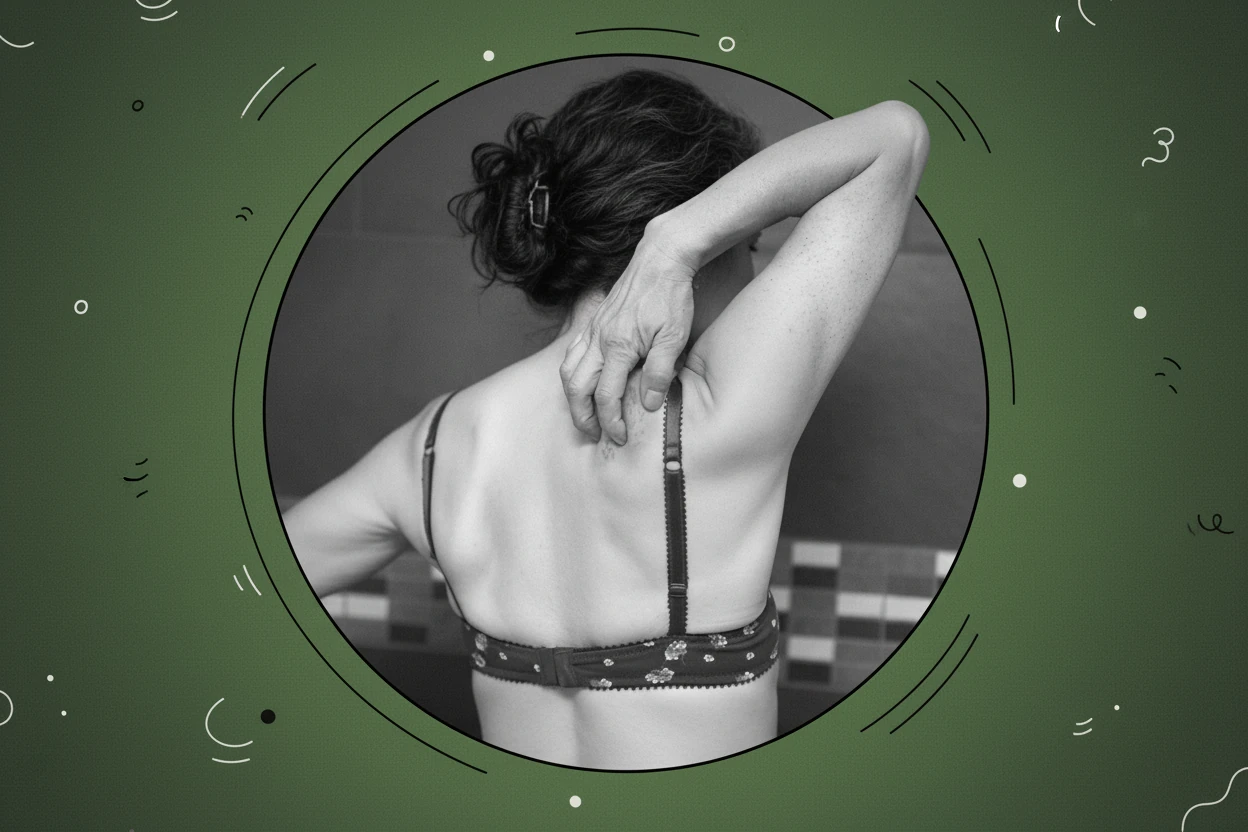
- Avoid scratching to prevent skin breaks and infection3
- Keep fingernails trimmed to minimize skin damage if scratching occurs3
- Consider oral antihistamines for persistent itching or swelling3
Potential Risks and Complications
While most mosquito bites are mild and self-limited, complications can arise, especially in vulnerable populations15. Risks include:
- Secondary bacterial infection from scratching, presenting as increased redness, warmth, pus, or red streaks spreading from the bite site65
- Exaggerated allergic reactions such as Skeeter syndrome, characterized by large, painful swelling and systemic symptoms like low-grade fever and hives65
- Rare blistering or bullous reactions in hypersensitive individuals8
- Transmission of mosquito-borne diseases including viral and parasitic infections1819
Mosquitoes are vectors for several serious diseases, especially in tropical and subtropical regions. These include:
- Dengue fever: Presents with high fever, severe muscle and joint pain, rash, and bleeding tendencies; severe cases can cause hemorrhagic fever and shock19
- Chikungunya: Causes fever, rash, and severe joint pain; chronic arthritis may persist in some cases19
- Malaria: Caused by Plasmodium parasites; symptoms include cyclical fever, chills, and malaise19
- West Nile virus: Ranges from mild febrile illness to severe neurological disease such as encephalitis19
- Yellow fever: Viral hemorrhagic fever with symptoms including fever, chills, and jaundice; can be fatal20
The risk of severe illness increases in older adults, immunocompromised individuals, and those with chronic medical conditions21. Early recognition and medical evaluation are important if systemic symptoms develop.
When to Seek Medical Care
Most mosquito bites do not require medical attention and resolve with home care6. However, prompt evaluation is necessary if any of the following occur:
- Worsening or persistent swelling, redness, or pain beyond several days5
- Signs of secondary infection such as pus, warmth, red streaks, or increasing tenderness6
- Development of fever, chills, or malaise after a bite, which may indicate systemic infection5
- Large areas of swelling, hives, or systemic allergic symptoms including difficulty breathing or throat swelling522
- Symptoms suggestive of mosquito-borne diseases such as high fever, severe headache, joint pain, rash, or neurological signs19
- Recent travel to endemic areas with active mosquito-borne disease transmission19
In cases of severe allergic reactions (anaphylaxis), emergency treatment is critical22. Individuals with known mosquito allergy or severe reactions should consult an allergy specialist and may need to carry epinephrine3.
“If they itch it hard enough, or depending on what they use to itch their skin, they can cause a break in their skin. They can develop a bacterial infection.”
— Dr. Summer Allen, Mayo Clinic3
Mosquito Bite Prevention Tips
Preventing mosquito bites is the most effective way to avoid discomfort and reduce the risk of mosquito-borne diseases125. A combination of personal protection and environmental control is recommended:
- Use EPA-approved insect repellents containing DEET, picaridin, IR3535, or oil of lemon eucalyptus12515
- Wear long-sleeved shirts, long pants, and hats to cover exposed skin125
- Treat clothing and gear with permethrin insecticide for added protection12
- Install and maintain window and door screens to prevent mosquito entry indoors5
- Use mosquito netting over beds, cribs, and strollers, especially in endemic areas2
- Eliminate standing water around homes by emptying containers, cleaning birdbaths, and unclogging gutters to reduce mosquito breeding sites52
- Limit outdoor activities during peak mosquito activity times, typically dusk to dawn12
Additional measures include using air conditioning or fans indoors to reduce mosquito presence by lowering humidity and increasing airflow12.
Prevention Checklist:
- Apply insect repellent according to label instructions, avoiding application on infants under recommended ages2
- Wear protective clothing treated with permethrin when outdoors12
- Repair holes in screens and use mosquito netting when sleeping outdoors2
- Remove or regularly empty water-holding containers in yards5
- Stay indoors during peak mosquito hours when possible1
Summary and Key Takeaways
Mosquito bites are almost inevitable during mosquito season, but time and proper care usually resolve symptoms. Avoid scratching to prevent infection and use proven remedies like calamine lotion or cold compresses for relief3.
Mosquito bites are a common cause of itchy, red skin bumps resulting from an immune reaction to mosquito saliva proteins5. Most bites are mild and resolve within 1 to 2 days with simple home care such as cleansing, cold compresses, and topical anti-itch treatments65. Avoid scratching to prevent secondary infection5. Severe reactions and mosquito-borne diseases, though rare, require prompt medical evaluation19.
Key points to remember:
- Mosquito saliva triggers itching, swelling, and redness through immune responses5
- Typical bite reactions include raised, itchy papules; blistering and bruising are less common78
- Home remedies like baking soda paste, hydrocortisone cream, and cold packs effectively relieve symptoms6513
- Secondary infection risk increases with scratching and skin breaks5
- Mosquitoes transmit serious diseases such as dengue, chikungunya, malaria, and West Nile virus1819
- Prevent bites using repellents, protective clothing, and environmental control125
- Seek medical care for worsening symptoms, infection signs, systemic illness, or severe allergic reactions6519