About 1.28 billion adults worldwide have high blood pressure, also known as hypertension, which is a major risk factor for cardiovascular disease1. Research shows that blood pressure tends to increase during the colder winter months and decrease during the warmer summer months, making blood pressure management more challenging in winter1. This seasonal variation can lead to poorer blood pressure control and may require closer monitoring and adjustments in treatment during the colder months21.
Cold temperatures cause blood vessels to constrict, increasing blood pressure. Wearing layers and protecting extremities can reduce cardiovascular strain during winter.5
Why Does Blood Pressure Rise in Winter? Understanding Cold Weather Hypertension
Blood pressure exhibits a clear seasonal pattern, with higher readings in winter and lower readings in summer, observed in countries both north and south of the equator3. This pattern is largely due to physiological responses to cold temperatures. When exposed to cold, blood vessels constrict (vasoconstriction), which narrows the arteries and veins, requiring more pressure to push blood through the circulatory system, thus raising blood pressure34. This vasoconstriction is a natural mechanism to preserve body heat but has the side effect of increasing arterial pressure5.
Additionally, cold weather activates the sympathetic nervous system, which further raises blood pressure by increasing heart attack symptoms in women rate and vascular resistance3. The renin-angiotensin-aldosterone system, a hormonal system that regulates blood pressure and fluid balance, is also activated in winter, contributing to higher blood pressure levels3. Seasonal variations in vitamin D, which tends to be lower in winter due to reduced sunlight exposure, may also play a role in elevating blood pressure during colder months3.
Lifestyle factors contribute significantly to this seasonal rise. During winter, people often reduce physical activity and consume diets higher in salt and calories, especially around the holidays, which can increase blood pressure64. Psychological factors such as seasonal depression may exacerbate these effects, leading to further increases in blood pressure6.
Blood pressure control rates decrease by up to 5% during winter months, making regular monitoring and lifestyle adjustments critical to prevent complications21.
Studies have quantified these changes. For example, a South African population study reported a seasonal effect on systolic blood pressure of approximately 4.2 mm Hg in both men and women7. In a large study of adults treated for hypertension, systolic blood pressure rose by up to 1.7 mm Hg during winter compared to summer months, while blood pressure control rates decreased by nearly 5% during winter21. Older adults, particularly those aged 65 and above, are more susceptible to these weather-related blood pressure changes48.
Environmental factors beyond temperature, such as sudden weather changes including storms, shifts in humidity, atmospheric pressure, and wind, can also influence blood pressure, often mimicking the effects of cold exposure8. This complex interplay of physiological and environmental factors makes blood pressure harder to control during winter.
- Vasoconstriction narrows blood vessels, increasing resistance to blood flow34
- Activation of the sympathetic nervous system raises heart rate and vascular tone3
- Increased activity of the renin-angiotensin-aldosterone system promotes fluid retention and vasoconstriction3
- Seasonal vitamin D deficiency may impair blood pressure regulation3
- Reduced physical activity and increased dietary salt intake in winter elevate blood pressure64
- Psychological factors like seasonal depression can worsen blood pressure control6
- Sudden weather changes (humidity, pressure, storms) can trigger blood pressure fluctuations8
Effective Strategies for Managing High Blood Pressure in Colder Months
“This study is important for informing physicians on how tightly we have to monitor a patient’s blood pressure, depending on the season. For instance, this tells us that we should pay extra attention to having accurate measurements during the winter months, as we may need to adjust the medications during this time to get the blood pressure under control.”
— Dr. Cheng-Han Chen, MemorialCare Saddleback Medical Center, Laguna Hills, CA1
Because blood pressure tends to rise and becomes more difficult to control during winter, heightened vigilance and proactive management are essential to reduce cardiovascular risks91. Patients with hypertension often experience worse blood pressure levels and control during nonsummer months despite rigorous treatment9. This seasonal challenge calls for adjustments in both lifestyle and medical management.
- Regular physical activity: Exercise helps counteract the vasoconstrictive effects of cold weather and supports blood pressure control9. Maintaining activity levels during winter is crucial to prevent blood pressure spikes1.
- Dietary adjustments: Reducing sodium intake is recommended to help control blood pressure, especially when dietary habits tend to worsen in winter9. Avoiding excess salt and calorie-rich holiday foods can mitigate seasonal blood pressure increases410.
- Vitamin D supplementation: Since vitamin D levels often drop in winter, supplementation may support blood pressure regulation93.
- Environmental adaptations: Using indoor heating and wearing protective clothing such as hats, scarves, gloves, and thermal socks can help maintain body warmth and reduce vasoconstriction95.
- Psychological health: Addressing seasonal depression and stress through counseling or therapy can improve blood pressure control6.
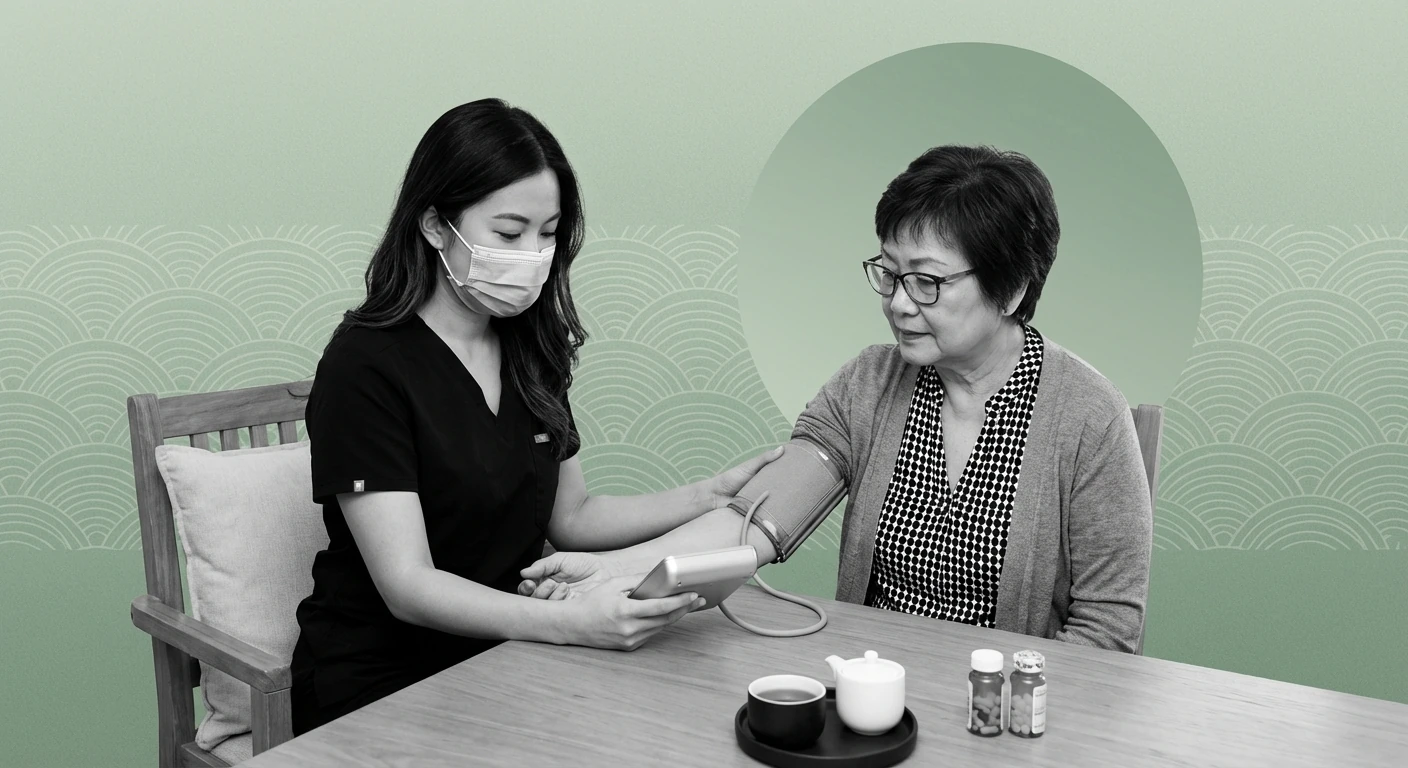
Home blood pressure monitoring is a valuable tool for managing hypertension during winter months, allowing patients and healthcare providers to detect and respond to blood pressure changes promptly9. More frequent monitoring can guide timely medication adjustments.
Long-term amlodipine-based combination therapy has been shown to attenuate seasonal variation in office blood pressure among hypertensive patients, suggesting that certain medication regimens may help stabilize blood pressure throughout the year11. Early adjustment of antihypertensive medications before winter can suppress excessive seasonal blood pressure variations and reduce cardiovascular events and mortality associated with winter hypertension1112.
Patients near the hypertension threshold (blood pressure around 140/90 mm Hg) may particularly benefit from closer medical follow-up and possible increases in pharmacological intervention during winter to maintain adequate control21.
- Monitor blood pressure regularly at home to detect seasonal changes early9
- Maintain consistent physical activity despite colder weather91
- Limit sodium intake and avoid high-salt holiday foods94
- Use vitamin D supplements to compensate for reduced sunlight exposure93
- Dress warmly and use indoor heating to prevent cold-induced vasoconstriction95
- Seek support for seasonal depression to improve overall health and blood pressure control6
- Consult healthcare providers for possible medication adjustments before and during winter11212