Cardiovascular disease (CVD) is the leading cause of death worldwide, affecting nearly half of all adults in the United States and causing one in three female deaths12. Although men and women share many risk factors for heart disease, women often experience different symptoms and disease patterns, which can complicate diagnosis and treatment34. Understanding these sex-specific differences is crucial to improving outcomes for both men and women with cardiovascular conditions5.
Cardiovascular Conditions and Common Symptoms
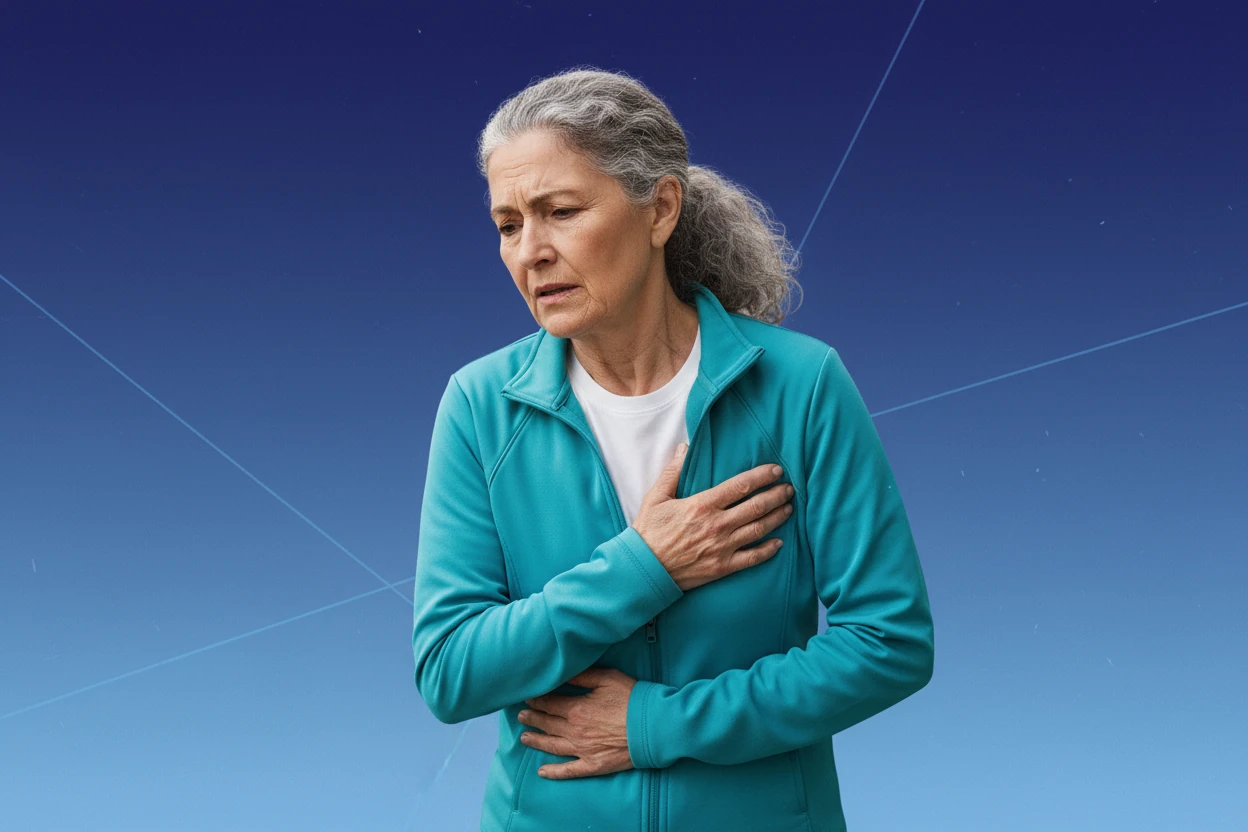
Cardiovascular diseases encompass a range of disorders affecting the heart and blood-pressure">planks and wall sits for lowering blood pressure-pressure-effective-strategies-and-tipsblood vessels, including coronary artery disease, arrhythmias, heart failure, and stroke1. Chest pain remains the predominant symptom of myocardial infarction (heart attack) in both men and women, but women often experience it differently, with variations in quality and associated symptoms67. Women are more likely to report atypical symptoms such as nausea, fatigue, indigestion, shortness of breath, and upper back pain, sometimes even without obvious chest discomfort36.
“Women are much more likely to have atypical heart attack symptoms. So while the classical symptoms, such as chest pains, apply to both men and women, women are much more likely to get less common symptoms such as indigestion, shortness of breath, and back pain, sometimes even in the absence of obvious chest discomfort.”
— Dr. Lili Barouch, director of the Johns Hopkins Columbia Heart Failure Clinic3
Stroke, a critical cardiovascular event sometimes called a "brain attack," occurs when blood flow to the brain is interrupted by either an ischemic blockage or hemorrhagic rupture of cerebral vessels8. Typical stroke symptoms include unilateral weakness, speech difficulties, facial droop, and altered mental status8. However, women are more likely to present with additional nontraditional symptoms such as generalized weakness, disorientation, or nausea, which can delay recognition and treatment8.
Other cardiovascular conditions present with varied symptoms. For example, heart arrhythmias may cause palpitations, dizziness, fainting, or shortness of breath9. Coronary artery disease results from plaque buildup (atherosclerosis) in the arteries supplying the heart muscle, leading to chest discomfort, shortness of breath, or pain in the neck, jaw, or back10. Women tend to develop plaque in the heart's smaller blood vessels (microvasculature), which may not be detected by traditional tests focused on larger arteries11.
- Chest pain is the most common heart attack symptom in both sexes, but women often experience it with different qualities and accompanying symptoms6.
- Women more frequently report nausea, fatigue, indigestion, and upper back pain during acute coronary events63.
- Stroke symptoms in women may include nontraditional signs like disorientation and generalized weakness8.
- Heart arrhythmias can cause palpitations, dizziness, and fainting in both men and women9.
- Coronary artery disease symptoms include chest discomfort, shortness of breath, and pain in the neck, jaw, or back10.
Underlying Conditions That Mask Symptoms
Despite sharing many risk factors with men, women have unique cardiovascular risks and often face delayed diagnosis and treatment, underscoring the need for improved awareness and care tailored to women.222
Women with cardiovascular disease often experience overlapping symptoms from other health conditions, which can disguise or mimic heart-related problems and delay diagnosis12. Common comorbidities include asthma, musculoskeletal pain, and psychological disorders such as depression, all of which share symptoms like fatigue and shortness of breath1314. Fatigue and sleep disturbances are prevalent in women with CVD but are frequently attributed to non-cardiac causes, leading to underrecognition of heart disease15.
Depression, which is more common in women than men, further complicates symptom awareness and timely care by masking cardiovascular symptoms or reducing motivation to seek treatment1216. Additionally, symptoms such as upper back pain or shortness of breath in women may be misattributed to musculoskeletal or pulmonary issues rather than cardiac causes13.
- Comorbid conditions like asthma and musculoskeletal pain can obscure cardiovascular symptoms in women12.
- Fatigue and sleep disturbances are common but often overlooked as signs of heart disease in women15.
- Depression increases cardiovascular risk and complicates symptom recognition in women1216.
- Women’s cardiovascular symptoms such as upper back pain or shortness of breath may be mistaken for non-cardiac causes13.
- Diagnostic delays arise from the presence of atypical and nonspecific symptoms in women6.
Gender-Specific Risk Factors and Late Diagnosis
While traditional cardiovascular risk factors such as hypertension, smoking, diabetes, obesity, and high cholesterol affect both men and women, women have unique risk factors that influence their cardiovascular disease risk21. Female-specific conditions such as premature menopause, preeclampsia (high blood pressure during pregnancy), and gestational diabetes elevate cardiovascular risk beyond traditional factors172.
Estrogen plays a key cardioprotective role before menopause by reducing vascular inflammation and plaque buildup, which lowers the risk of coronary artery disease in premenopausal women1819. However, after menopause, estrogen levels decline, and women’s cardiovascular risk approaches that of men2018. Despite public health campaigns, awareness that heart disease is the leading cause of death in women has declined, especially among younger women, contributing to later diagnosis and worse outcomes21.
“There are gender-based gaps at every possible level, from women's awareness of symptoms to how they're treated in the emergency department and doctor's offices.”
— Dr. Michelle O'Donoghue, associate professor of medicine at Harvard Medical School22
Women also tend to develop heart disease at older ages and are more likely to experience certain uncommon types of heart attacks, such as myocardial infarction with nonobstructive arteries (MINOCA), spontaneous coronary artery dissection (SCAD), and stress cardiomyopathy22. Research shows women often downplay their symptoms and delay seeking treatment, and they face disparities in emergency care, including longer wait times and fewer diagnostic tests compared to men22.
- Unique female risk factors include premature menopause, preeclampsia, and gestational diabetes217.
- Estrogen provides cardiovascular protection before menopause by reducing inflammation and atherosclerosis1819.
- Postmenopausal women’s cardiovascular risk rises to levels similar to men due to loss of estrogen’s effects2018.
- Awareness of heart disease as the leading cause of death in women has declined, especially among younger women21.
- Women often experience delayed diagnosis and receive less aggressive emergency care than men22.
| Risk Factor Type | Men | Women |
|---|---|---|
| Traditional Risk Factors | Hypertension, smoking, diabetes | Same as men |
| Female-Specific Risk Factors | N/A | Premature menopause, preeclampsia, gestational diabetes217 |
| Hormonal Influence | No estrogen protection | Estrogen protects premenopause; risk rises postmenopause1819 |
| Heart Attack Types | Typical obstructive coronary disease | Higher prevalence of MINOCA, SCAD, stress cardiomyopathy22 |
| Diagnosis and Treatment | Faster diagnosis, more testing | Delayed diagnosis, fewer tests, longer wait times22 |