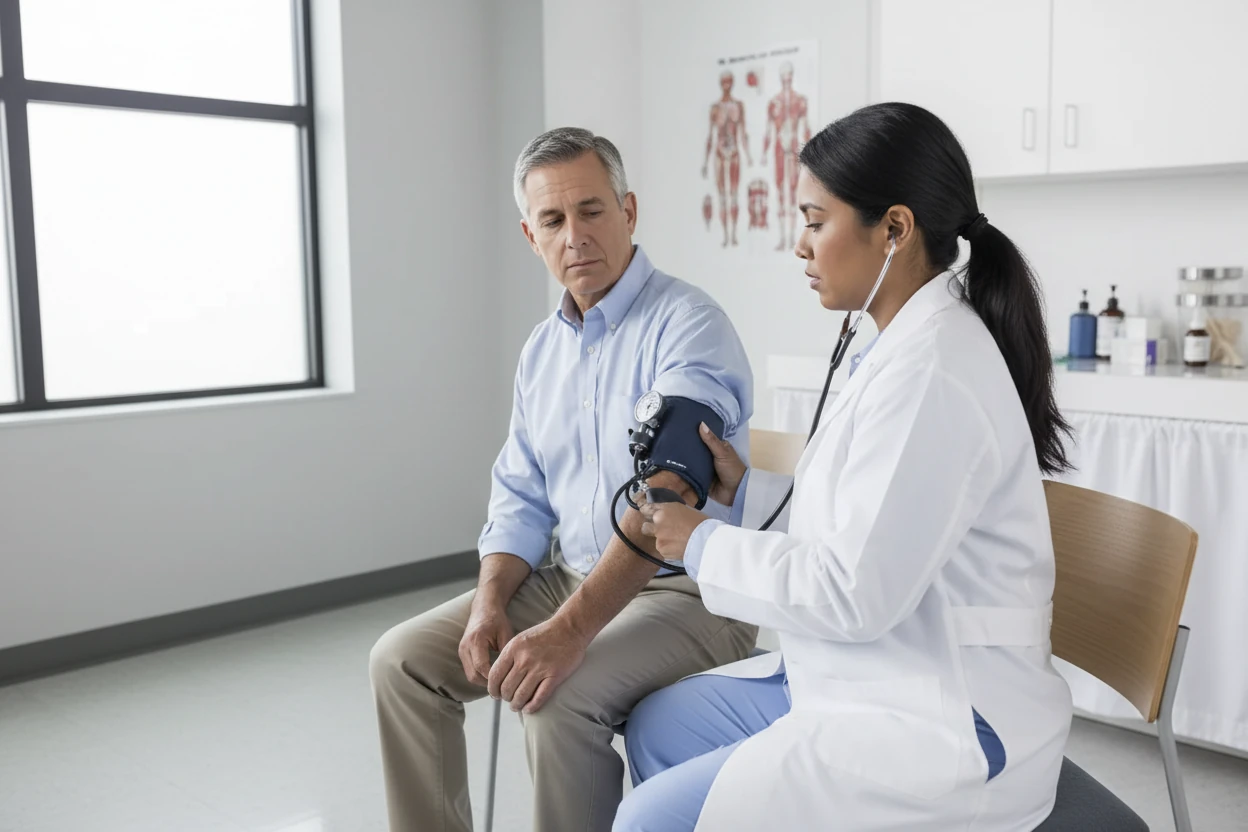
High blood pressure, or hypertension, affects about one in three adults worldwide and is a leading risk factor for heart disease and stroke1. It is often called the "silent killer" because many people do not experience symptoms until serious complications develop2. Early detection and management are crucial to prevent damage to vital organs and improve long-term health outcomes3.
High Blood Pressure Symptoms
Hypertension usually does not cause noticeable symptoms, which contributes to many people being unaware they have the condition2. This lack of symptoms often leads to underdiagnosis until complications arise or blood pressure reaches dangerously high levels4. A hypertensive crisis, defined as a blood pressure reading of 180/120 mm Hg or higher, can cause acute symptoms requiring emergency care5.
Symptoms of a hypertensive emergency may include:
- Severe headache6
- Anxiety or a sense of impending doom6
- Chest pain7
- Neurological deficits such as dizziness or confusion6
Because high blood pressure often has no warning signs, regular blood pressure checks are essential for early detection and prevention of complications8.
High blood pressure can silently damage your heart, brain, kidneys, and eyes over time. Regular monitoring is the only way to know if your blood pressure is too high. If you experience symptoms like severe headache or chest pain with very high readings, seek emergency medical care immediately78.
Causes of High Blood Pressure
High blood pressure results from increased cardiac output (the amount of blood the heart pumps) and/or increased systemic vascular resistance (narrowing or stiffening of blood vessels)9. These changes cause the force of blood against artery walls to rise consistently, making the heart work harder10.
Risk Factors
Hypertension develops from a complex interaction of genetic and environmental factors11. Key risk factors include:
- Family history of hypertension, indicating a genetic predisposition12
- High dietary sodium (salt) intake, which raises blood pressure by increasing fluid retention and vascular resistance13
- Low potassium intake, which affects blood vessel function and sodium balance14
- Chronic stress and anxiety, which can elevate blood pressure through neuroendocrine pathways15
- Poor sleep or sleep deprivation, linked to increased sympathetic nervous system activity and hypertension risk16
- Physical inactivity, which contributes to obesity and vascular dysfunction17
- Age over 55 years, as blood vessels naturally stiffen with age18
- Excessive alcohol consumption and tobacco use18
Secondary hypertension, caused by underlying conditions such as kidney disease or certain medications, accounts for a smaller percentage of cases but tends to cause more sudden and severe blood pressure elevations18.
Diagnosing High Blood Pressure
Blood pressure is measured in millimeters of mercury (mm Hg) and consists of two numbers: systolic pressure (pressure during heart contraction) and diastolic pressure (pressure during heart relaxation)19. Accurate diagnosis requires multiple readings on different occasions to avoid misclassification due to temporary factors like stress or "white coat hypertension" (elevated readings in clinical settings)20.
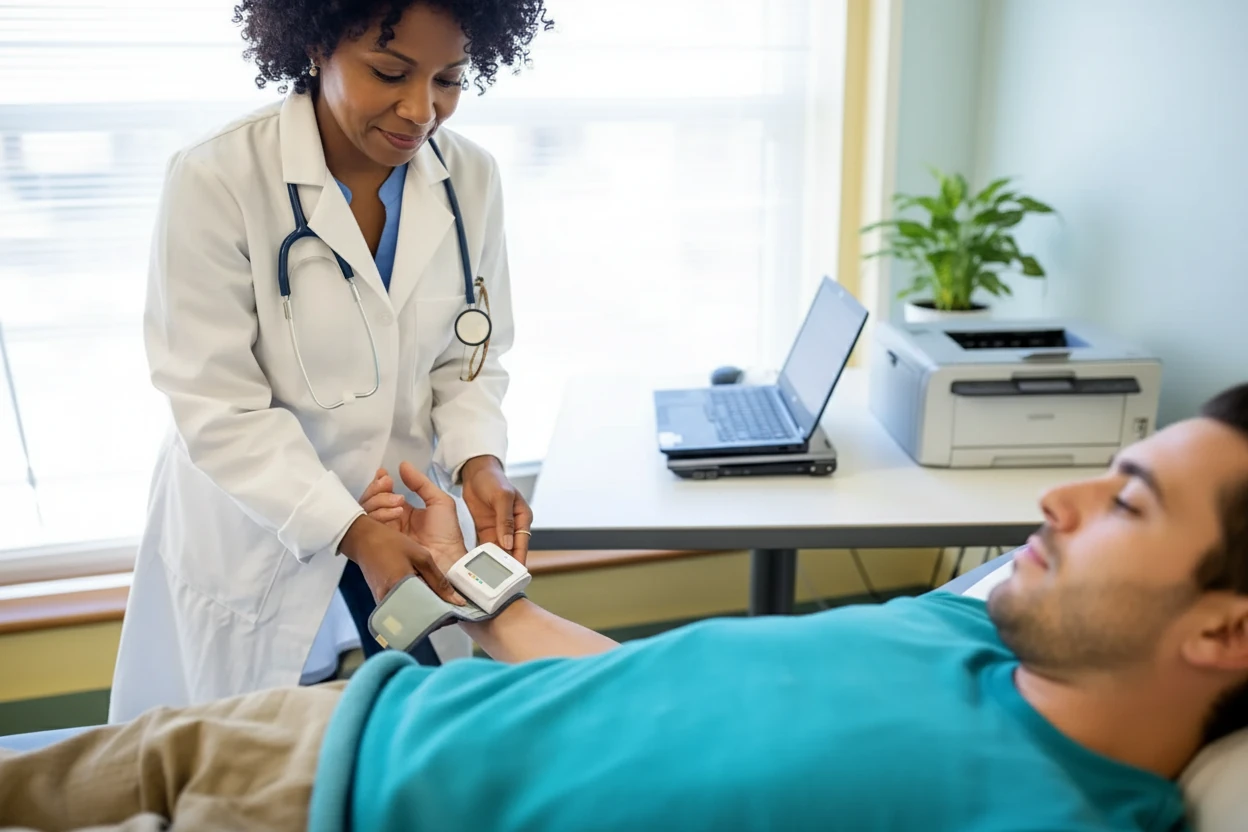
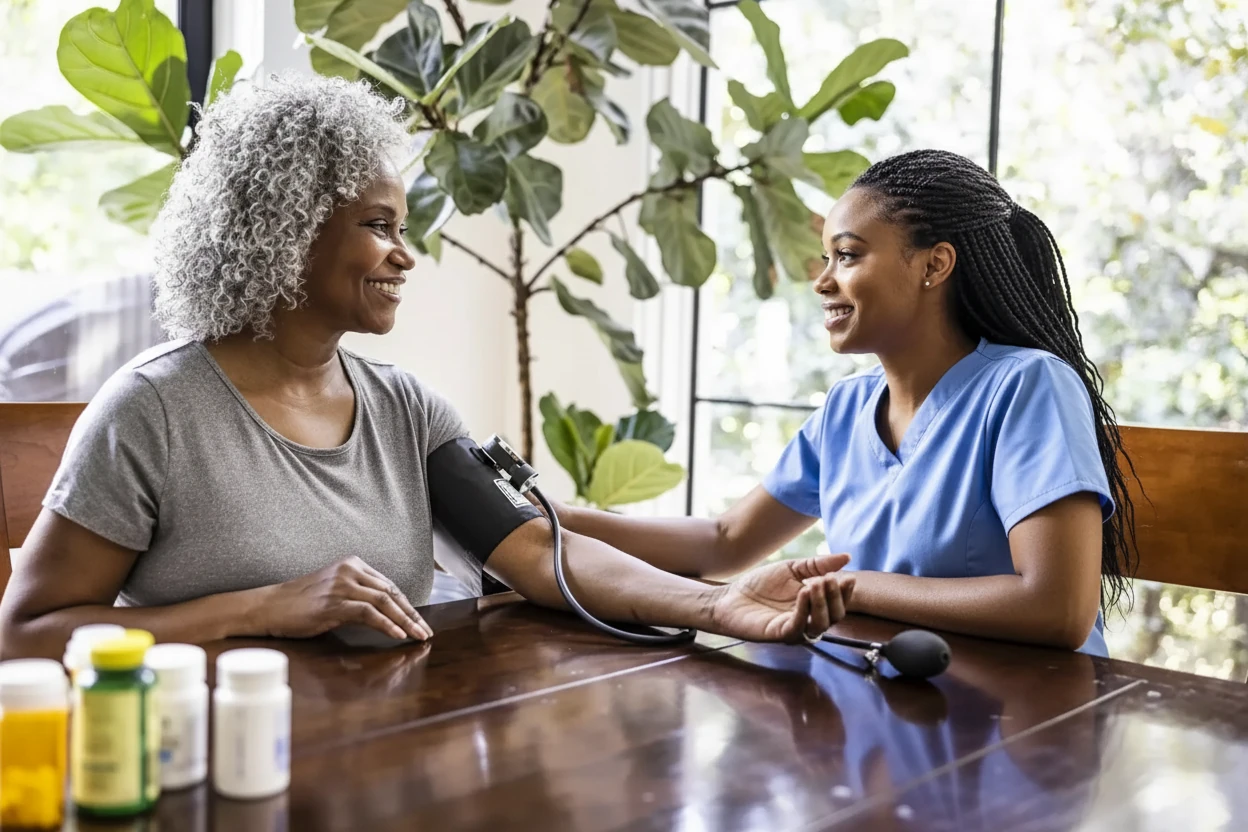
Healthcare providers typically use a sphygmomanometer cuff placed on the upper arm to measure blood pressure21. Home blood pressure monitoring is also recommended to improve accuracy and patient engagement22.
Stages of High Blood Pressure
The American College of Cardiology and American Heart Association classify blood pressure into categories to guide treatment decisions23:
| Stage | Systolic (mm Hg) | Diastolic (mm Hg) | Notes |
|---|---|---|---|
| Normal | <120 | <80 | Healthy blood pressure range10 |
| Elevated | 120–129 | <80 | Increased risk, lifestyle changes advised23 |
| Stage 1 Hypertension | 130–139 | 80–89 | May require lifestyle changes and/or medication23 |
| Stage 2 Hypertension | ≥140 | ≥90 | Usually requires medication23 |
| Hypertensive Crisis | ≥180 | ≥120 | Emergency; seek immediate medical care24 |
| Sources:102324 | |||
Diagnosis is based on the average of two or more readings taken on separate days25. Ambulatory blood pressure monitoring over 24 hours or home monitoring can help confirm diagnosis and assess blood pressure patterns26.
It is an overreach to take the results of existing trial data and label everyone who has a BP above 130/80 mm Hg as having uncontrolled hypertension, particularly when that label will be applied on the basis of the most recent routine office BP measurement26.
High Blood Pressure Treatment Options
Managing hypertension involves a combination of lifestyle changes and, when necessary, medications to lower blood pressure and reduce cardiovascular risk27.
Lifestyle Changes
Lifestyle modifications are the foundation of hypertension management and can significantly reduce blood pressure28. Recommended changes include:
- Following the DASH diet, rich in fruits, vegetables, and low-fat dairy, while limiting sodium intake to less than 2,300 mg daily (ideally 1,500 mg)2930
- Engaging in at least 30 minutes of moderate-intensity exercise five days per week28
- Limiting alcohol consumption to one drink per day for women and two for men28
- Managing stress through relaxation techniques or counseling as needed28
- Maintaining a healthy weight and avoiding tobacco use28
These changes improve vascular health, reduce systemic resistance, and support overall cardiovascular function31.
Medications
When lifestyle changes alone are insufficient, healthcare providers may prescribe medications. Common classes include:
- Diuretics, which help the kidneys remove excess sodium and water18
- ACE inhibitors and angiotensin receptor blockers (ARBs), which relax blood vessels by blocking hormones that constrict arteries18
- Calcium channel blockers, which prevent calcium from entering heart and vessel muscle cells, causing relaxation18
- Beta-blockers, which reduce heart rate and cardiac output18
Medication choice depends on individual patient factors, including age, race, comorbidities, and blood pressure severity26. Adherence to prescribed therapy and regular monitoring are essential for effective control32.
Combining lifestyle changes with medication can lower blood pressure, reduce the risk of heart attack and stroke, and improve quality of life. Never stop medications abruptly without consulting your healthcare provider2531.
Preventing High Blood Pressure
Prevention focuses on maintaining healthy habits that reduce risk factors for hypertension33. Key strategies include:
- Eating a balanced diet low in sodium and saturated fats, emphasizing fruits, vegetables, and whole grains3033
- Limiting red meat intake and choosing leaner cuts when consumed2834
- Engaging in regular physical activity28
- Avoiding tobacco and limiting alcohol consumption28
- Managing stress and seeking treatment for anxiety or depression if needed28
These measures not only help prevent hypertension but also reduce the risk of related cardiovascular diseases33.
Conditions Related to High Blood Pressure
Uncontrolled hypertension damages multiple organs and increases the risk of serious health problems, including:
- Heart disease, such as heart attack, heart failure, and arrhythmias8
- Stroke, caused by blocked or ruptured arteries in the brain8
- Kidney disease and kidney failure due to damaged renal blood vessels8
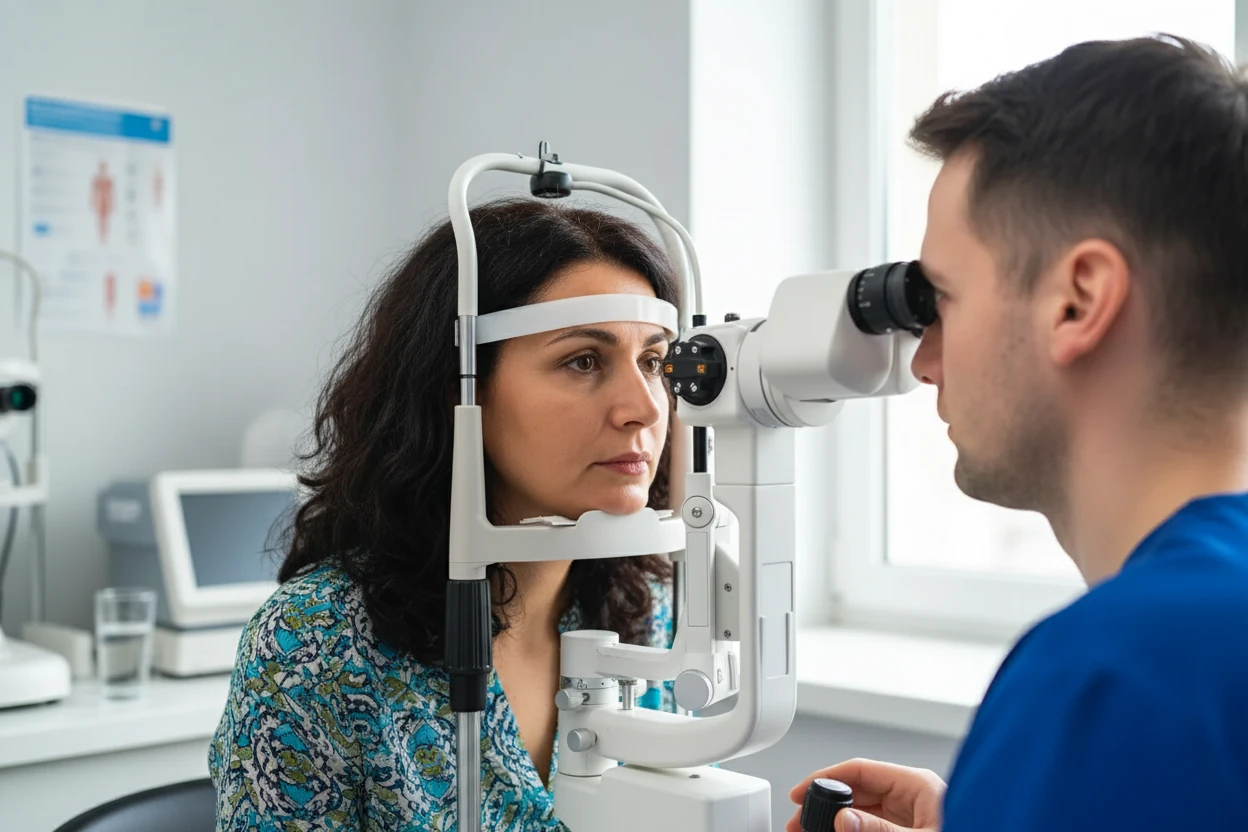
- Vision loss from hypertensive retinopathy8
- Cognitive decline and dementia linked to midlife hypertension8
Hypertension also interacts with metabolic disorders like insulin resistance and diabetes, compounding health risks8.
Managing High Blood Pressure
Effective management requires ongoing monitoring, lifestyle adherence, and medication compliance32. Home blood pressure monitoring enhances patient engagement and helps detect changes early4. Regular follow-up with healthcare providers ensures treatment goals are met and adjusted as needed25.
Untreated high blood pressure remains a leading cause of cardiovascular mortality worldwide. Early detection and sustained treatment are vital to protect your heart, brain, kidneys, and eyes8.
Key points for managing hypertension include:
- Taking medications exactly as prescribed and not stopping them abruptly25
- Monitoring blood pressure regularly at home or in clinical settings4
- Maintaining healthy lifestyle habits consistently28
- Communicating with healthcare providers about side effects or concerns32
Successful management reduces the risk of complications and improves long-term health outcomes31.