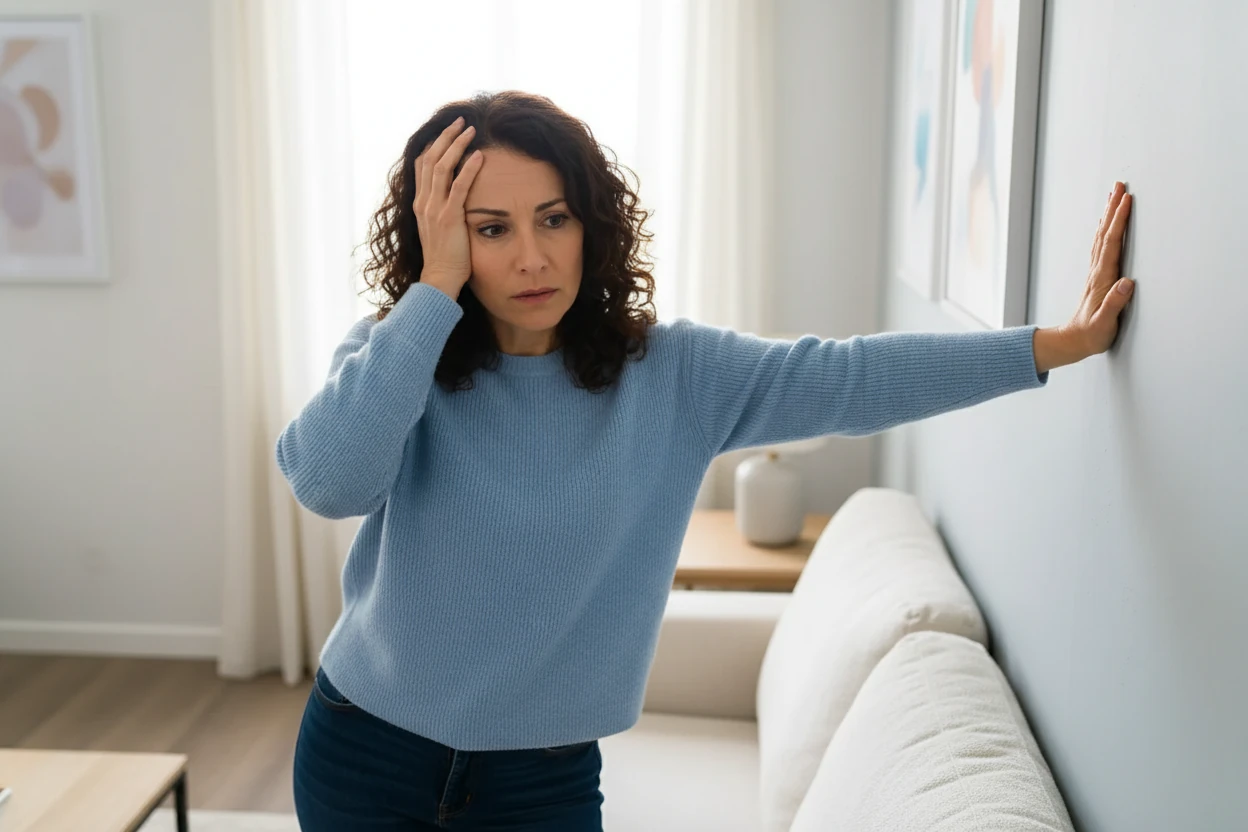
Low blood pressure, or hypotension, is defined as a blood pressure reading below 90/60 mm Hg and is common in many adults, especially those over 50 years old1. While often harmless and asymptomatic, hypotension can sometimes cause symptoms such as dizziness, fainting, or fatigue, which may require medical attention1. Understanding the causes and management strategies for low blood pressure is essential to prevent complications and improve quality of life2.
Managing Low Blood Pressure
Low blood pressure occurs when blood flows through the blood vessels at lower than normal pressures, potentially leading to inadequate tissue perfusion2. Management depends on symptom presence and underlying causes, with both lifestyle and pharmacologic approaches playing important roles34. Treatment is generally reserved for symptomatic hypotension or when an underlying condition requires intervention4.
Managing Medications
Certain medications can cause or worsen low blood pressure as a side effect. Common culprits include antihypertensives, beta blockers, drugs for Parkinson’s disease, antidepressants, and phosphodiesterase type 5 (PDE5) inhibitors5. Nonsteroidal anti-inflammatory drugs (NSAIDs) and alcohol can also contribute to lowering blood pressure5. Polypharmacy, or the use of multiple medications, increases the risk of hypotension due to drug interactions6.
If medication-induced hypotension is suspected, a careful review of the drug regimen is necessary. Adjustments such as lowering doses or changing medications should only be done under medical supervision to avoid rebound symptoms or complications74. Patients should discuss any symptoms of low blood pressure with their healthcare provider to ensure safe management4.
Drinking More Water
Increasing fluid intake is a key nonpharmacologic strategy to manage low blood pressure. Drinking more water helps increase blood volume and prevents dehydration, both of which are important in raising blood pressure78. Staying well-hydrated can reduce symptoms like dizziness and fatigue associated with hypotension9. However, individuals with fluid restrictions should consult their healthcare provider before increasing fluid intake9.
Checking for Vitamin Deficiencies
Vitamin deficiencies, particularly of vitamin B12 and folic acid, can lead to anemia, which reduces the number of healthy red blood cells and may contribute to low blood pressure1. Blood tests can identify such deficiencies and other conditions like diabetes or thyroid problems that may lower blood pressure8. Correcting these deficiencies through diet or supplements can help improve blood pressure and overall health1.
Adjusting Your Meals
Postprandial hypotension, a drop in blood pressure after eating, is common in older adults and those with autonomic dysfunction710. Eating smaller, more frequent meals with lower carbohydrate content can help prevent sharp blood pressure drops after meals9. High-carbohydrate foods like white bread, pasta, rice, and cakes are rapidly digested and may worsen hypotension, while whole grains digest more slowly and are preferable9.
Some patients may benefit from drinking one or two cups of caffeinated coffee or tea with breakfast, as caffeine can temporarily raise blood pressure. However, caffeine is dehydrating, so adequate water intake is essential8. Avoiding large meals and rapid position changes after eating can also reduce symptoms11.
Wearing Compression Stockings
Compression stockings or support stockings apply gentle pressure to the legs, improving blood flow back to the heart attack symptoms in women and helping to raise blood pressure78. They are particularly useful for managing orthostatic hypotension, a form of low blood pressure that occurs upon standing7. Some patients may find abdominal binders more comfortable, which also help increase venous return8.
Before using compression garments, patients should consult their healthcare provider, as these are not suitable for everyone9. Proper use can reduce symptoms like dizziness and prevent falls related to hypotension7.
Orthostatic hypotension is defined by a significant drop in blood pressure after standing up, often causing dizziness or fainting. Managing medications, hydration, diet, and compression stockings are effective strategies to reduce symptoms and improve daily functioning107.
Daily Life and Long-Term Management
Living with low blood pressure involves understanding symptoms, avoiding triggers, and adhering to treatment plans to prevent complications such as falls or organ hypoperfusion74. Symptomatic hypotension can impair daily activities and increase the risk of injury, especially in older adults7.
Immediate relief from symptoms includes positional maneuvers such as lying down and elevating the legs to improve blood flow to the brain7. Patients should avoid rapid changes in posture, such as standing up quickly from sitting or lying down, to minimize dizziness9. Crossing the thighs or placing one foot on a chair before standing can also help maintain blood pressure8.
“Asymptomatic orthostatic hypotension should not deter adults with hypertension from pursuing more intensive hypertension treatment, as long as patients are carefully monitored for hypotension while treatment is being increased. In many older adults, the slow, judicious treatment of hypertension may actually reduce the occurrence of orthostatic hypotension.”
— Lewis A. Lipsitz, Hebrew SeniorLife Marcus Institute for Aging Research10
Lifestyle modifications play a central role in long-term management:
- Drink plenty of fluids daily to maintain blood volume8.
- Avoid excessive alcohol consumption, which can lower blood pressure and cause dehydration59.
- Eat small, frequent meals with balanced nutrients to prevent postprandial hypotension9.
- Use compression stockings or abdominal binders as recommended7.
- Exercise regularly with moderate aerobic activity and strength training, avoiding hot and humid conditions8.
Patients should be educated to recognize warning signs that require urgent medical attention, such as chest pain, black or maroon stools (which may indicate bleeding), or high fever with hypotension (suggesting infection or sepsis)4. Prompt evaluation is critical to address potentially life-threatening causes4.
Key Takeaways
- Low blood pressure below 90/60 mm Hg is often harmless but may require treatment if symptoms like dizziness or fainting occur111.
- Medication review is essential to identify drugs that may cause hypotension; changes should be supervised by healthcare providers54.
- Increasing fluid intake and adjusting diet, including salt and meal size, can help raise blood pressure and reduce symptoms8912.
- Compression stockings improve blood flow and are effective in managing orthostatic hypotension78.
- Patient education on symptom recognition and lifestyle modifications is critical to prevent falls and other complications74.