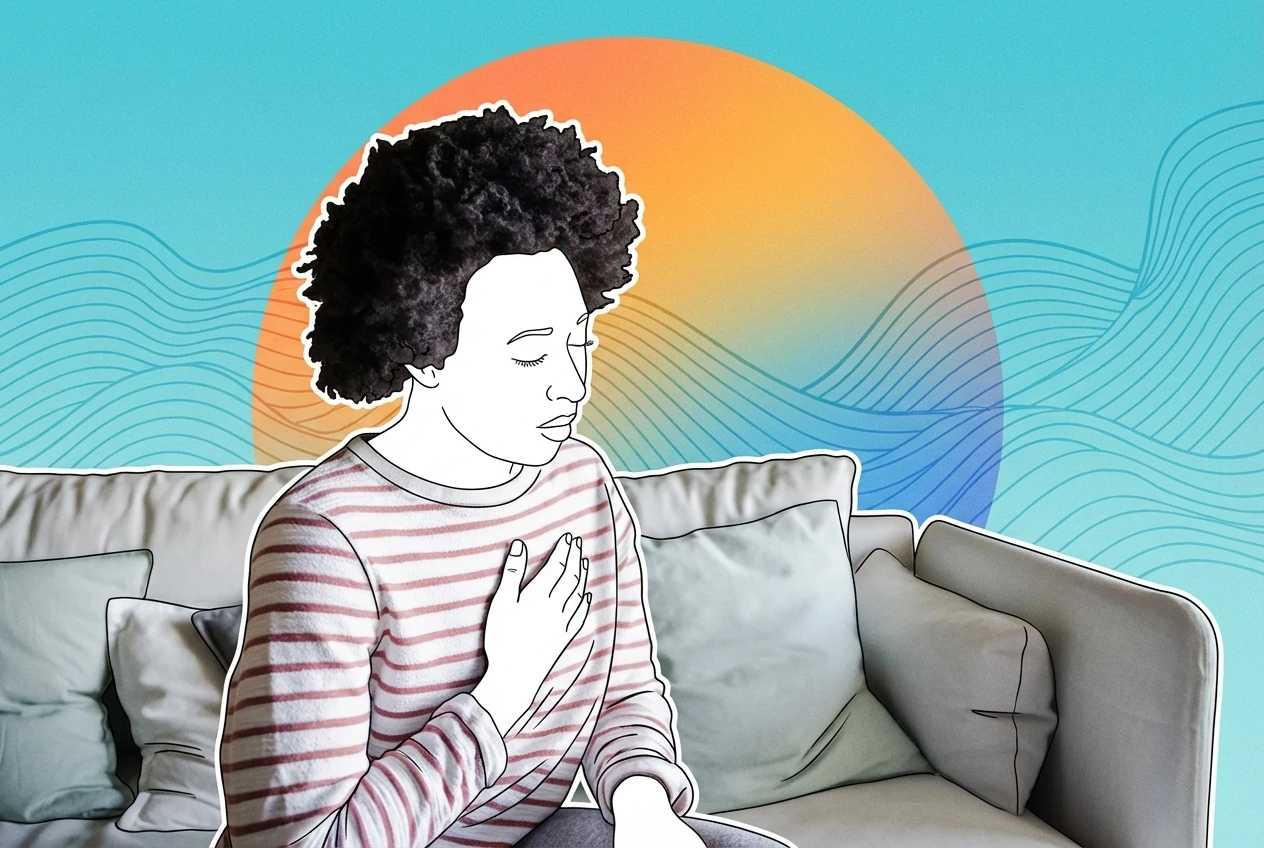
Heart disease is the leading cause of death among women in the United States and worldwide1. Women often experience heart attacks with symptoms that differ from the classic chest pain commonly seen in men, which can lead to delays in diagnosis and treatment2. Recognizing the unique and sometimes subtle signs of a heart attack in women is crucial for timely medical care and improved outcomes3.
Common Heart Attack Symptoms in Women: Chest Pain & Beyond
Women with myocardial infarction (heart attack) frequently present with a broader and more varied range of symptoms than men, making recognition more challenging4. While chest pain remains the most common symptom, women often describe it differently and may experience additional symptoms without chest discomfort5.
Chest Pain or Discomfort
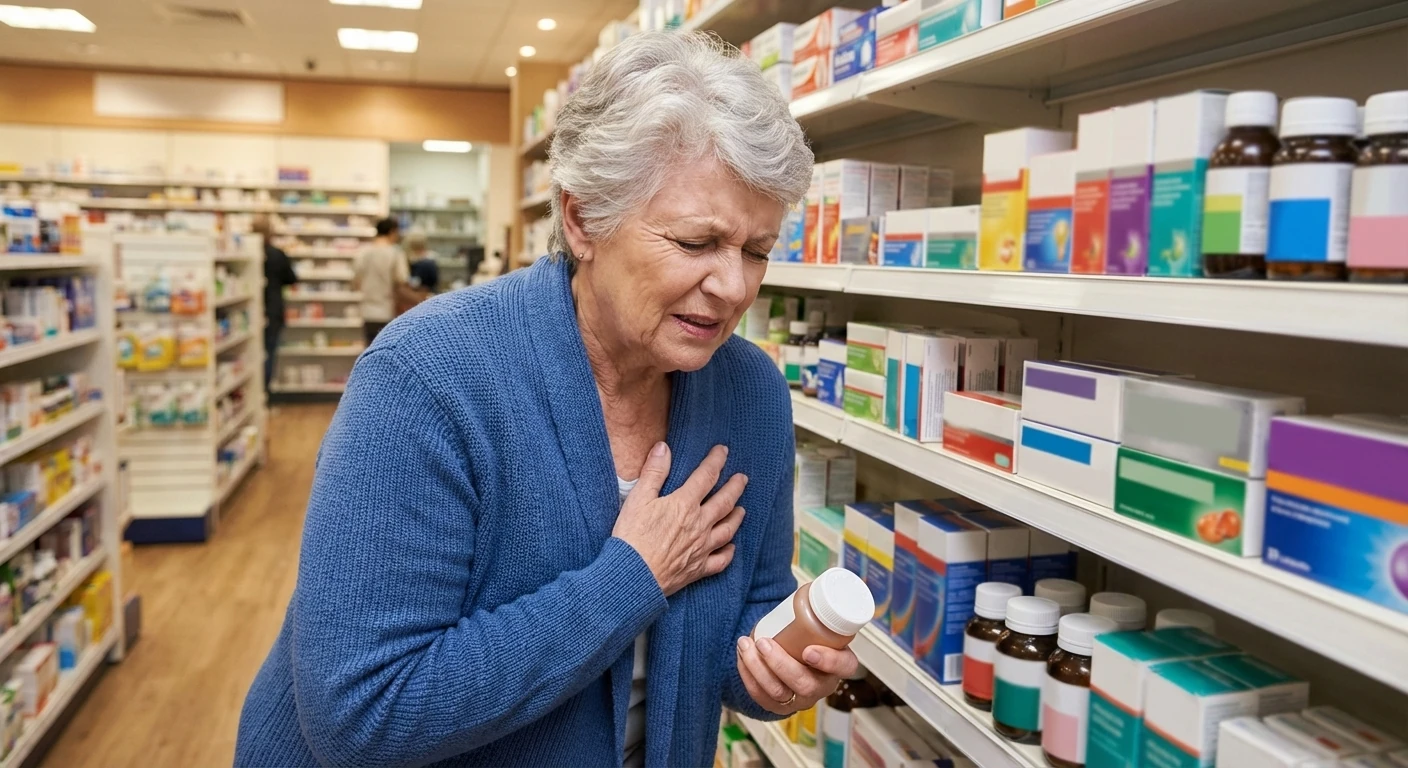
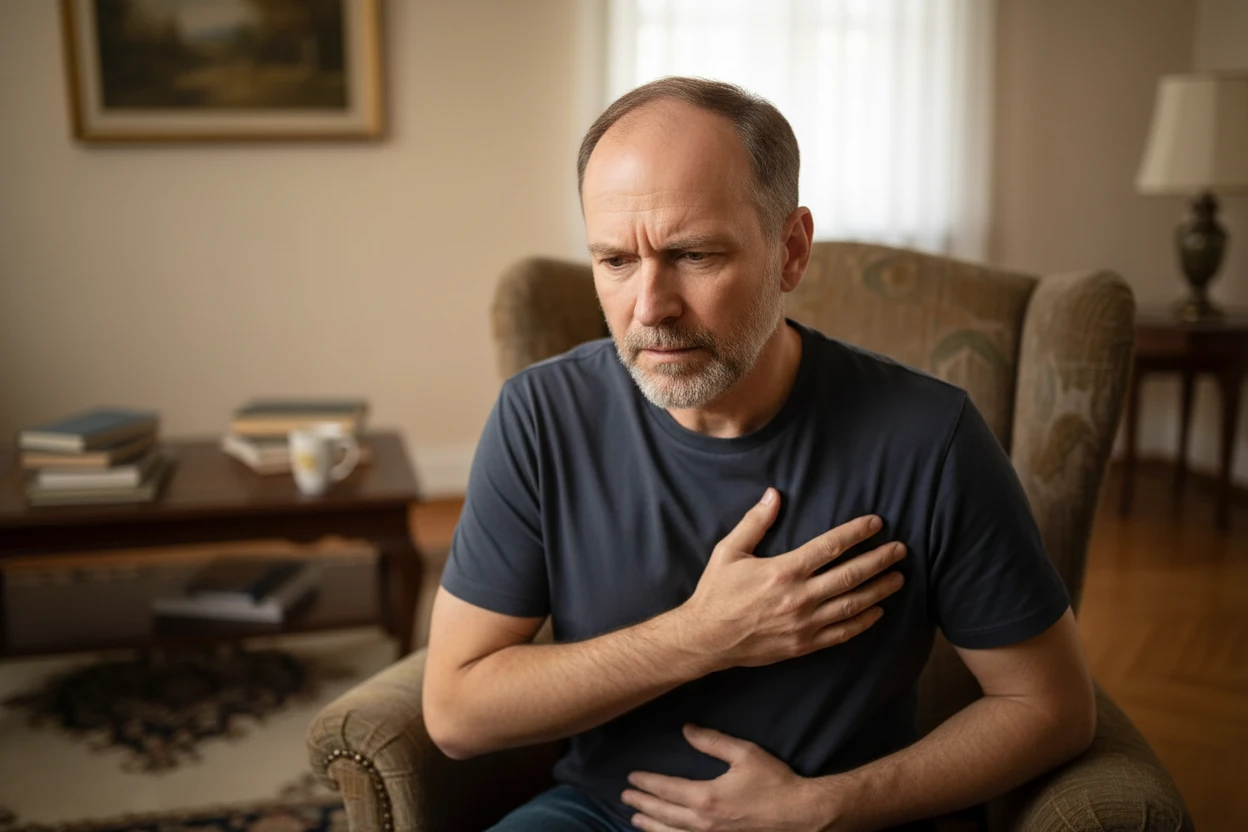
Chest pain or discomfort is the most common symptom of myocardial infarction in both women and men4. However, women tend to describe this sensation as pressure, squeezing, tightness, or fullness rather than the severe, crushing, or sharp pain often reported by men45. The pain may be intermittent or persistent and can vary in intensity6. Severe chest discomfort or pressure lasting more than 20 minutes requires immediate medical evaluation7.
Women may also describe sensations such as burning or aching and sometimes report feeling as if their bra is too tight or a belt is wrapped around their chest8. These descriptions can contribute to under-recognition of heart attack symptoms in women8.
Upper Back, Neck, and Jaw Pain
Radiating pain is common in women experiencing a heart attack and often involves the neck, jaw, upper back, and arms9. This occurs because cardiac pain is referred to other areas due to fewer nerve endings in the heart itself and nerve pathways that transmit ischemic pain to distant regions49. Women may specifically report upper back discomfort characterized by pressure or squeezing sensations4.
Pain in these areas may occur with or without chest discomfort and is an important symptom to recognize in women2.
Nausea or Vomiting
Nausea and vomiting are less common but notable symptoms of myocardial infarction in women4. Women are more likely than men to experience gastrointestinal symptoms during a heart attack, which can sometimes be mistaken for less serious conditions such as indigestion or the flu210. These symptoms may occur alongside chest discomfort or independently8.
Shortness of Breath
Shortness of breath is a frequent symptom in women having a heart attack and may occur with or without chest pain2. Women may also experience unusual fatigue, lightheadedness, or dizziness as part of their symptom profile1112. These symptoms can be subtle and are often overlooked, contributing to delays in seeking care3.
- Women experiencing chest pain wait 11 minutes longer to get care in the emergency department than men with the same symptoms8.
- Women often describe their pain as discomfort, pressure, burning, or aching rather than sharp pain8.
- Common symptoms in women include discomfort in the jaw, neck, upper stomach, either arm, or back; shortness of breath; nausea and vomiting; extreme fatigue; and an overall sense that something is wrong8.
Atypical Heart Attack Warning Signs in Women: Fatigue, Nausea & Back Pain
Women may experience additional, less typical symptoms during a heart attack that can complicate diagnosis and delay treatment4. Recognizing these signs is important for early intervention.
- Cold sweats or sudden onset of sweating can be a warning sign of myocardial infarction in women49.
- Unusual fatigue and sleep disturbances may precede a heart attack by weeks in some women12.
- Anxiety, lightheadedness, and dizziness are also reported more frequently in women10.
Is It a Heart Attack, Heartburn, or Indigestion?
Heartburn and indigestion symptoms can mimic heart attack symptoms in women, making it challenging to differentiate between cardiac and gastrointestinal causes13. Heartburn is caused by acid irritating the esophagus and may radiate to the back, throat, and jaw, similar to cardiac pain13. Indigestion refers to discomfort or fullness in the upper abdomen and includes symptoms such as upper abdominal pain, burning, and bloating sensations13.
Because these symptoms overlap, women often attribute heart attack symptoms to less serious conditions, delaying emergency care2. Immediate medical attention is advised if heart attack symptoms are suspected, regardless of whether chest pain is present7.
Biological Differences: Why Women's Heart Attack Symptoms Differ
Sex differences in heart attack symptoms arise from biological and physiological factors unique to women. Estrogen plays a significant role in cardiovascular health by modulating lipid profiles and vascular function14. It raises high-density lipoprotein (HDL) cholesterol, lowers low-density lipoprotein (LDL) cholesterol, and reduces total cholesterol levels in premenopausal women, providing cardioprotective effects14.
The incidence of myocardial infarction increases in women after menopause due to a significant decline in circulating estrogen levels, which is associated with increased cardiovascular risk14. Hormone replacement therapy may reduce coronary heart disease risk in some postmenopausal women, but benefits and risks vary and require individualized assessment13.
Additional factors contributing to sex differences in symptoms include microvascular dysfunction (small vessel disease) and differences in the autonomic nervous system14. Women are more likely than men to have heart attacks without severe blockages in major arteries, a condition known as nonobstructive coronary artery disease or coronary microvascular disease210.
blood-pressure-diet-foods-to-eat-and-avoidblood-pressure-signs-and-symptomsblood-pressure-effective-strategies-and-tipsblood-pressureHypertension is frequently under-recognized and undertreated in women, further increasing cardiovascular risk14. Hypertensive disorders during pregnancy, such as preeclampsia, double the risk of future cardiovascular disease14.
| Biological Factor | Effect on Women's Heart Health |
|---|---|
| Estrogen (premenopausal) | Raises HDL, lowers LDL, reduces atherosclerosis risk14 |
| Menopause | Estrogen decline increases heart attack risk14 |
| Microvascular dysfunction | More common in women, causes atypical symptoms142 |
| Hypertension | Under-recognized risk factor in women14 |
| Pregnancy-related hypertension | Doubles future cardiovascular risk14 |
| Sources:142 | |
When to Seek Emergency Medical Care for Suspected Heart Attack Symptoms
Immediate activation of emergency medical services is critical when heart attack symptoms occur15. Women should seek urgent evaluation if they experience any chest discomfort or related symptoms, even if the pain is mild or atypical13.
Women often wait longer than men to seek emergency care for chest pain, which negatively affects outcomes8. Awareness of both typical and atypical symptoms can improve early recognition and prompt treatment15.
💡 Did You Know?
Women experiencing chest pain wait 11 minutes longer to get care in the emergency department than men with the same symptoms. Women are more likely to describe their pain as discomfort, pressure, burning, or aching8.
Risk factors that increase the likelihood of heart attack in women include:
- Postmenopausal status with estrogen decline14
- Hypertension, especially if untreated or under-recognized14
- History of hypertensive disorders during pregnancy14
- Coronary microvascular disease or small vessel disease14
- Traditional risk factors such as smoking, diabetes, obesity, and sedentary lifestyle16
Prompt medical attention can save lives and reduce complications from myocardial infarction7.
Heart Attack Symptoms in Women: Key Takeaways & Prevention
Understanding the unique presentation of heart attack symptoms in women is essential for timely diagnosis and treatment. Women often experience:
- Chest pain or discomfort described as pressure, squeezing, fullness, or tightness rather than sharp or crushing pain48.
- Radiating pain to the neck, jaw, upper back, and arms92.
- Non-chest pain symptoms such as nausea, vomiting, shortness of breath, cold sweats, unusual fatigue, and dizziness41112.
- Symptoms that may occur at rest or during sleep and may be mistaken for less serious conditions like indigestion or anxiety210.
Women are more likely than men to have heart attacks without severe artery blockages and to experience symptoms related to small vessel disease or coronary artery spasms210.
| Symptom Type | Frequency in Women | Notes |
|---|---|---|
| Chest pain/pressure | Most common, often subtle | Described as pressure or fullness4 |
| Radiating pain | Neck, jaw, back, arms | Common in both sexes9 |
| Atypical symptoms | Nausea, fatigue, cold sweats | More frequent in women4 |
| Chest pain absence | Up to 30% in some studies | Women more likely to have no chest pain4 |
| Sources:49 | ||