Blood pressure monitoring is essential for managing hypertension, a condition affecting over 120 million adults in the United States alone1. Accurate blood pressure measurement at home helps patients and healthcare providers make informed decisions about treatment and control2. However, many factors can lead to inaccurate readings, with cuff size being one of the most critical determinants of measurement accuracy3. Understanding the importance of proper cuff sizing and correct measurement techniques is vital to avoid misdiagnosis and inappropriate treatment4.
Home blood pressure monitoring empowers patients to manage their health better and helps healthcare providers adjust treatment promptly. However, it is not a substitute for regular medical visits.1011
Proper Blood Pressure Cuff Sizing
The accuracy of blood pressure readings depends heavily on using a cuff that fits the arm correctly. Using a cuff that is too small or too large can cause significant errors, leading to underestimation or overestimation of blood pressure values3. In one study, participants measured with a single cuff size not matched to their arm circumference showed strikingly inaccurate results3. Even minor miscuffing can cause clinically meaningful inaccuracies that may affect hypertension diagnosis and management4.
More than half of U.S. adults with hypertension require larger than regular cuffs to ensure accurate measurement1. This need is especially pronounced among people with obesity and certain demographic groups who tend to have larger arm circumferences3. Unfortunately, many commercially available home blood pressure monitors come with cuffs that do not accommodate a significant portion of adult arm sizes, posing a challenge for accurate self-monitoring3.
Proper cuff sizing involves measuring the arm circumference at the midpoint between the shoulder and elbow using a flexible tape measure2. The inflatable bladder of the cuff should encircle 75% to 100% of the arm circumference, and the cuff width should cover approximately 40% to 80% of the upper arm length5. Using a cuff designed for a different monitor or a default cuff size without verifying fit can compromise accuracy32.
Proper cuff size and measurement technique are essential to avoid errors that can misclassify hypertension in millions of people worldwide. Even a 5 mm Hg error can lead to incorrect diagnosis and treatment decisions.9
To address these challenges, some brands offer custom or extended cuff sizes, although these are less commonly purchased3. Selecting a blood pressure monitor after determining your arm size ensures proper cuff fit and more reliable readings2. Healthcare providers can assist patients in verifying cuff size and proper use during clinical visits2.
Key points on cuff sizing:
- Using an incorrectly sized cuff can lead to over- or underestimation of blood pressure3.
- More than half of adults with hypertension need large or extra-large cuffs1.
- Obesity increases the risk of using improperly sized cuffs due to larger arm circumference3.
- The cuff bladder should cover 75% to 100% of the arm circumference5.
- Measuring arm circumference before purchasing a monitor helps ensure proper cuff fit2.
Correct Home Blood Pressure Measurement
“To find out if your monitor is accurate, bring it to your next doctor appointment and ask a nurse to take one measurement with your monitor and another with a monitor there in the office.6”
— Christopher Cannon, Harvard Heart Letter
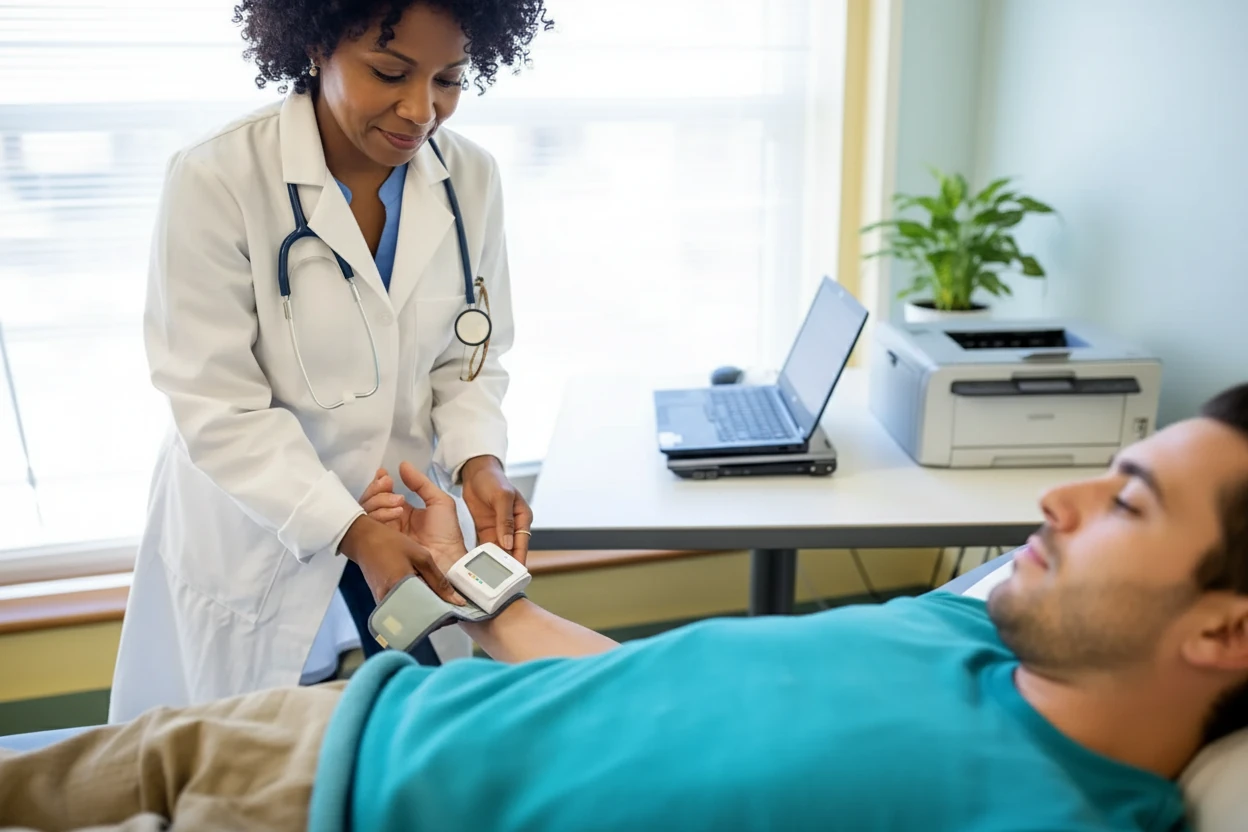
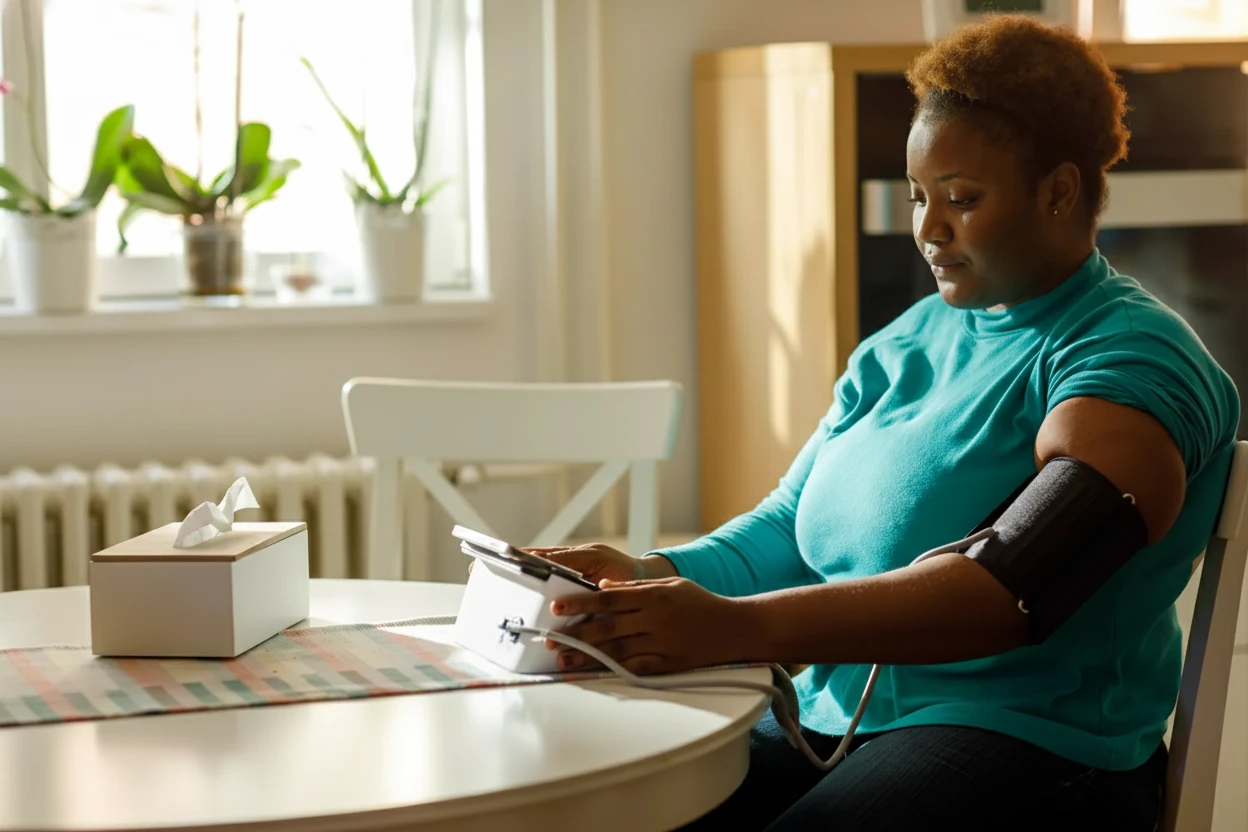
Home blood pressure monitoring is recommended for all individuals diagnosed with hypertension to help track treatment effectiveness and confirm diagnosis2. Upper arm automatic blood pressure monitors are preferred over wrist or finger devices because they provide more reliable and consistent readings2. Wrist and finger monitors are generally less accurate and not recommended for routine use2.
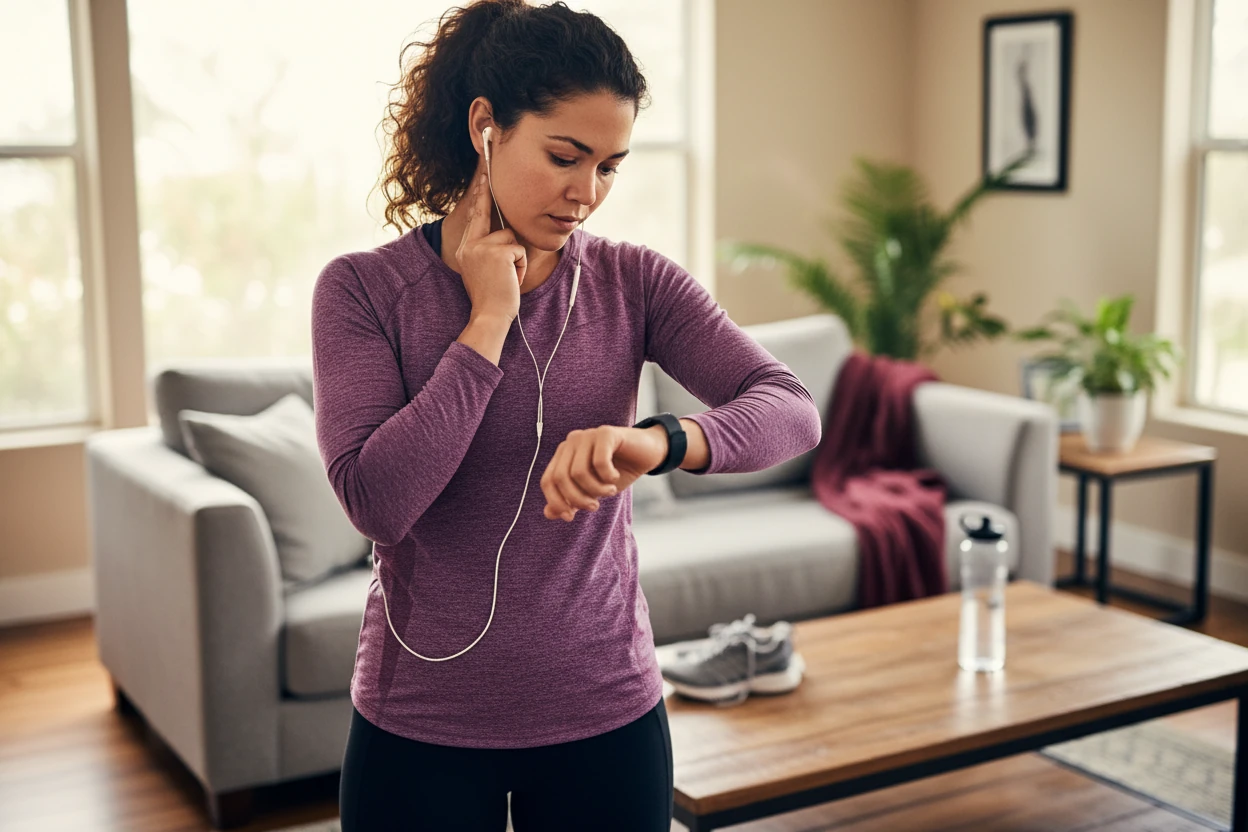
Accurate home measurement requires proper patient preparation and technique. Before measuring blood pressure, avoid smoking, drinking caffeinated beverages, alcohol, or exercising for at least 30 minutes7. Emptying the bladder and sitting quietly for at least five minutes before the measurement also improve accuracy7. Measurements should be taken on bare skin, not over clothing, with the arm supported on a flat surface at heart level7.
The cuff should be snug but not too tight, positioned on the upper arm above the bend of the elbow7. It is recommended to take at least two readings one minute apart and record the results to share with your healthcare professional7. Measuring blood pressure at the same time every day helps track trends and detect changes2.
Using a validated blood pressure monitor with the correct cuff size is crucial. Many top-selling monitors are not validated for accuracy, which can lead to misleading readings and inappropriate treatment decisions6. To ensure accuracy, bring your home monitor to a healthcare provider’s office and compare its readings with the office device6.
Tips for accurate home blood pressure measurement:
- Use an automatic, cuff-style upper arm monitor validated for accuracy8.
- Measure arm circumference to select the correct cuff size2.
- Avoid caffeine, smoking, alcohol, and exercise 30 minutes before measurement7.
- Sit quietly for 5 minutes before measuring and keep the arm supported at heart level7.
- Take two readings 1 minute apart and record the results7.