High blood pressure affects nearly half of all American adults and is a major risk factor for heart disease, stroke, and kidney problems1. Because high blood pressure often has no symptoms, measuring it regularly is the only way to know if you have it2. Understanding planks and wall sits for lowering blood pressure pressure readings and their categories can help you manage your heart health effectively3.
How to Read a Blood Pressure Chart: Systolic & Diastolic Numbers Explained
Blood pressure readings consist of two numbers expressed in millimeters of mercury (mmHg), which indicate the force of blood against artery walls4. The top number is the systolic pressure, reflecting the peak pressure when the heart contracts and pumps blood4. The bottom number is the diastolic pressure, measuring the pressure in arteries when the heart relaxes between beats4.
Blood pressure charts classify readings into categories based on these two numbers5. The American Heart Association (AHA) and American College of Cardiology (ACC) define five categories:
| Blood Pressure Category | Systolic (mmHg) | Diastolic (mmHg) | Notes |
|---|---|---|---|
| Normal | <120 | <80 | Healthy range |
| Elevated | 120-129 | <80 | Increased risk for hypertension |
| Hypertension Stage 1 | 130-139 | 80-89 | Requires lifestyle changes |
| Hypertension Stage 2 | ≥140 | ≥90 | May require medication |
| Hypertensive Crisis | >180 | >120 | Emergency care needed |
To read a blood pressure chart, find your systolic number on the vertical axis and your diastolic number on the horizontal axis to locate your category6. Regular monitoring helps track changes and supports cardiovascular health management5.
Blood pressure is the force of blood pushing against artery walls. Systolic pressure is the force when the heart beats, and diastolic pressure is the force when the heart rests between beats. Untreated high blood pressure can damage blood vessels, heart, kidneys, and brain.7
Normal Blood Pressure Ranges: What Are Healthy Readings by Age?
Blood pressure norms vary by age, sex, and body size. Understanding these differences is important for accurate assessment.
Blood Pressure Levels for Children
Children’s blood pressure is assessed using specialized charts that consider age, height, and sex8. Normal pediatric blood pressure is defined as below the 90th percentile for these factors9. Because children grow and develop at different rates, pediatric charts are more complex than adult charts8. Adolescents aged 13 and older use adult blood pressure criteria for classification810.
Blood Pressure Levels for Adults
For adults, normal blood pressure is defined as less than 120/80 mmHg according to AHA/ACC guidelines5. Blood pressure categories are consistent regardless of sex, but research suggests women may have a slightly lower systolic threshold for normal blood pressure than men10. Blood pressure tends to increase with age due to arterial stiffening and other physiological changes11.
Blood Pressure Levels for Older Adults
Older adults often experience higher blood pressure due to structural changes in blood vessels11. Despite this, maintaining blood pressure below 130/80 mmHg is recommended to reduce the risk of cardiovascular events12. Regular monitoring is especially important in this group to prevent complications.
How Blood Pressure is Measured: Understanding Cuff & Device Accuracy
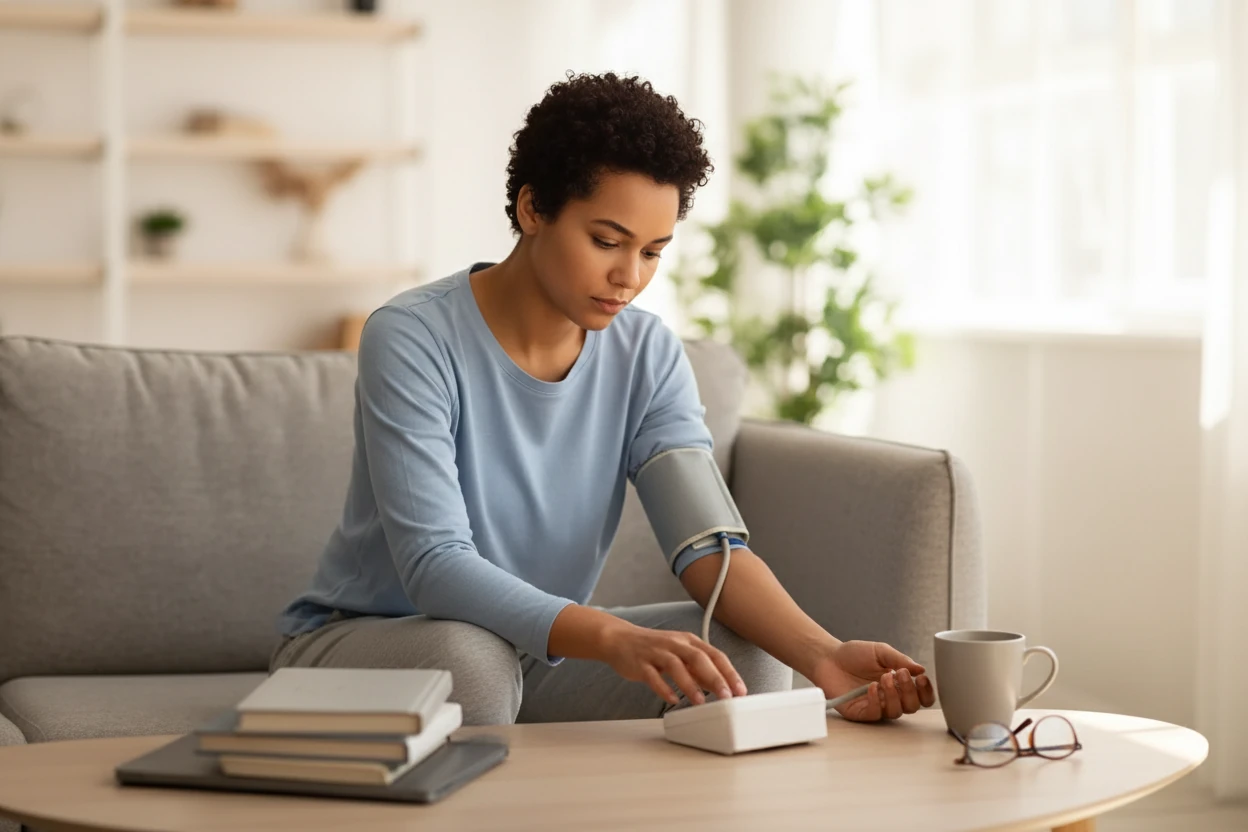
Blood pressure can be measured in clinical settings or at home using validated devices13. The standard method involves placing an inflatable cuff on the upper arm just above the elbow13. The cuff inflates to temporarily stop blood flow, then slowly deflates while the pressure is recorded13.
Manual measurement uses a stethoscope to listen for pulse sounds during cuff deflation13. Digital monitors provide automated readings and often display pulse rate alongside blood pressure13. Accuracy depends on following proper protocols4:
- Sit upright with back supported, feet flat on the floor, and legs uncrossed14.
- Rest your arm on a flat surface at heart level414.
- Place the cuff on bare skin, not over clothing414.
- Avoid caffeine, alcohol, smoking, or exercise for at least 30 minutes before measurement414.
- Take at least two readings, 1–2 minutes apart, and record the results14.
- Measure blood pressure at the same time each day for consistency4.
Home blood pressure monitoring helps identify white coat hypertension (elevated readings in clinical settings only) and supports better management215.
“Measuring blood pressure is the only way to know whether you have high blood pressure. High blood pressure usually has no warning signs or symptoms.”
— National Heart, Lung, and Blood Institute, National Institutes of Health1
Low Blood Pressure (Hypotension): Symptoms, Causes & When to Worry
Low blood pressure, or hypotension, is generally defined as a reading below 90/60 mmHg16. It indicates reduced force of blood against artery walls, which can sometimes cause symptoms like dizziness or fainting16.
Causes
Hypotension can result from various conditions, including16:
- Severe allergic reactions causing sudden blood pressure drops.
- Endocrine disorders such as hypothyroidism.
- Nutritional deficiencies in iron, folate, or vitamin B-12.
- Systemic infections like sepsis.
- Medication side effects or dehydration.
Risks
Occasional low blood pressure readings without symptoms are usually not concerning16. However, persistent hypotension accompanied by symptoms requires medical evaluation to prevent falls, fainting, or organ damage16.
High Blood Pressure (Hypertension): Symptoms, Causes & Health Risks
High blood pressure, or hypertension, is defined as sustained readings of 130/80 mmHg or higher5. It often has no symptoms but can lead to serious health problems if untreated1.
Hypertension can be primary (developing gradually over years) or secondary to other factors16. Causes include:
- Lifestyle factors such as poor diet, lack of exercise, and stress.
- Medications like steroids and hormonal contraceptives.
- Medical conditions including lupus and thyroid disorders16.
- Poor sleep quality is a recognized risk factor16.
- Genetic predisposition.
Chronic hypertension increases the risk of cardiovascular disease, stroke, kidney damage, and other complications16. A hypertensive crisis, defined as blood pressure above 180/120 mmHg, is a medical emergency that can cause organ damage5.
| Blood Pressure Category | Systolic (mmHg) | Diastolic (mmHg) | Notes |
|---|---|---|---|
| Stage 1 Hypertension | 130-139 | 80-89 | Requires lifestyle changes |
| Stage 2 Hypertension | ≥140 | ≥90 | May require medication |
| Hypertensive Crisis | >180 | >120 | Emergency care needed |
Symptoms of hypertensive emergency include severe headache, chest pain, shortness of breath, back pain, numbness, weakness, vision changes, or difficulty speaking314.
High blood pressure develops when blood flows through your arteries at higher-than-normal pressures. Half of all American adults have high blood pressure, many unaware of their condition.1
When to See Your Doctor About Blood Pressure Concerns
Persistent elevated blood pressure readings warrant consultation with a healthcare provider13. Early diagnosis and management can prevent serious complications5. You should seek medical advice if:
- Your blood pressure consistently measures 130/80 mmHg or higher5.
- You experience symptoms of hypertensive emergency such as chest pain or neurological changes5.
- You have risk factors like poor sleep, medication use, or underlying medical conditions16.
- You notice symptoms of low blood pressure such as dizziness or fainting16.
Treatment may include lifestyle modifications and, if necessary, medications13. Regular monitoring, including home blood pressure measurements, supports effective management2.
Key Takeaways: Managing Your Blood Pressure for Better Health
- Blood pressure readings include two numbers: systolic (pressure during heartbeats) and diastolic (pressure between beats)43.
- Normal adult blood pressure is less than 120/80 mmHg; elevated and hypertensive stages are defined by specific ranges517.
- Children’s blood pressure norms depend on age, height, and sex, with adolescent criteria aligning with adults at age 13810.
- Accurate blood pressure measurement requires proper technique, including correct cuff placement and patient positioning414.
- High blood pressure is often symptomless but increases risk for heart attack, stroke, and kidney disease; low blood pressure can cause dizziness and fainting161.