Stroke and heart attack are two of the leading causes of death worldwide, both resulting from sudden interruptions in blood flow to vital organs1. A heart attack occurs when blood flow to the heart muscle is blocked, while a stroke happens due to a disruption of blood flow in the brain2. Recognizing the symptoms of each condition quickly is essential because timely treatment can significantly improve survival and reduce long-term disability34.
Heart Attack and Stroke Symptoms
Both heart attack and stroke symptoms often appear suddenly and require immediate medical attention3. However, their symptoms differ due to the organs affected.
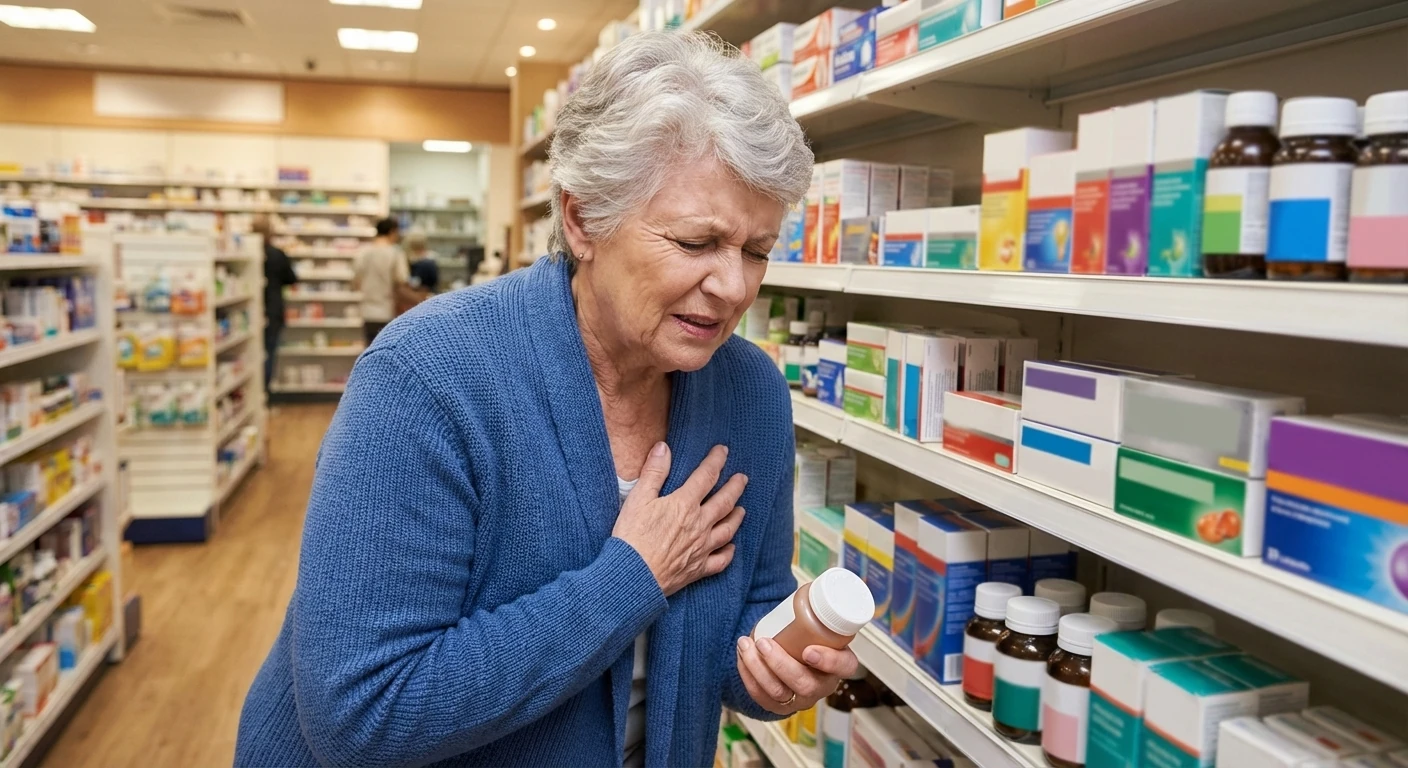
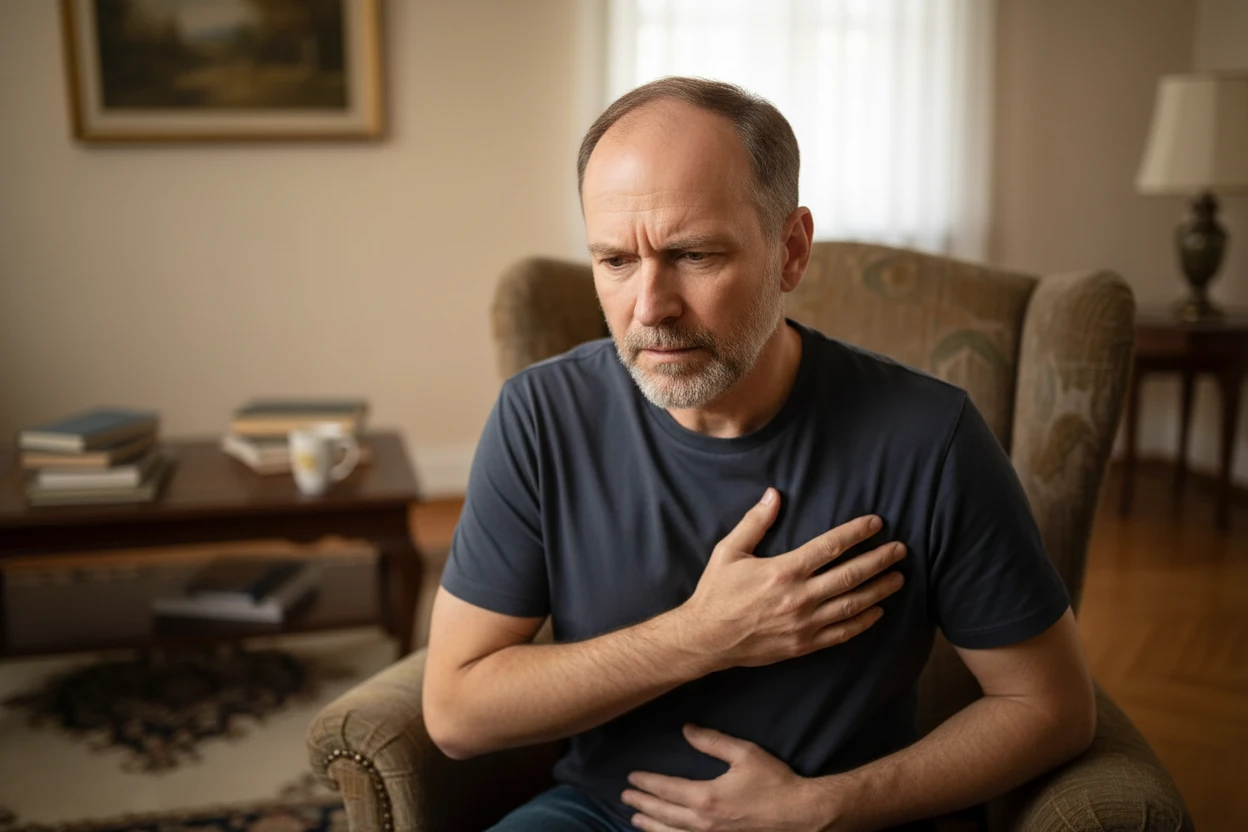
Heart attack symptoms typically include:
- Chest discomfort or pain in the center of the chest lasting more than a few minutes5
- Discomfort in other upper body areas such as the arms, back, neck, jaw, or stomach5
- Shortness of breath5
- Breaking out in a cold sweat, nausea, or lightheadedness5
- Rapid or irregular heartbeat6
Stroke symptoms usually involve sudden neurological changes such as:
- Facial drooping or numbness, especially on one side5
- Weakness or numbness in the arm or leg, often on one side of the body5
- Difficulty speaking or understanding speech5
- Sudden trouble seeing in one or both eyes6
- Loss of balance, dizziness, or trouble walking5
- Severe headache with no known cause (more common in hemorrhagic stroke)7
Cardiac arrest, a related but distinct emergency, involves sudden loss of responsiveness and no normal breathing58.
Both heart attack and stroke symptoms demand urgent recognition and response to improve outcomes. Immediate emergency services activation can save lives and reduce damage to the heart or brain349.
Stroke and Heart Attack Differences
Affect a Different Body Part
A heart attack involves the heart muscle, caused by a blockage in the coronary arteries that stops oxygen-rich blood flow to the heart910. This blockage often results from a blood clot forming on a ruptured plaque inside the artery4. The heart muscle can become damaged or die without oxygen, impairing the heart’s ability to pump blood effectively9.
In contrast, a stroke affects the brain due to interrupted blood flow caused by either a blockage or rupture of blood vessels710. Ischemic stroke, the most common type, results from a clot obstructing cerebral arteries7. Hemorrhagic stroke occurs when a brain blood vessel ruptures, causing bleeding into brain tissue7. Both types lead to brain cell death and neurological deficits.
💡 Did You Know?
In a heart attack, the blood flow to your heart is suddenly blocked. A stroke occurs because of a sudden interruption of blood flow in your brain2.
Long-Term Effects Vary
Heart attacks can cause permanent heart muscle injury if treatment is delayed, potentially leading to heart failure characterized by fatigue and breathlessness911. Arrhythmias (irregular heartbeats) after a heart attack may cause sudden cardiac arrest98. Long-term effects may include reduced cardiac function and increased risk of future cardiac events9.
Stroke often results in sudden weakness or paralysis, usually affecting one side of the body7. Post-stroke impairments commonly involve difficulties with mobility, speech, and performing daily activities7. The severity depends on the brain area affected and the speed of treatment7.
Different Diagnostic Tests
Diagnosing a heart attack typically involves:
- Electrocardiogram (ECG) to detect heart muscle damage9
- Blood tests measuring cardiac enzymes indicating heart injury9
- Coronary angiography to visualize blocked arteries9
Stroke diagnosis requires:
- Brain imaging such as CT scan or MRI to distinguish ischemic from hemorrhagic stroke7
- Neurological examination to assess deficits7
- Vascular imaging to identify blocked or ruptured vessels7
Specialists in cardiology and neurology play key roles in diagnosis and management3.
Stroke and Heart Attack Similarities
Similar Risk Factors
Heart attacks and strokes share many common risk factors related to vascular health112:
- Hypertension (high blood pressure), a major modifiable risk factor for both14
- Elevated cholesterol promoting arterial plaque formation14
- Tobacco use damaging blood vessel lining and increasing clot risk112
- Metabolic disorders such as diabetes and obesity113
- Sedentary lifestyle, unhealthy diet, and excessive alcohol intake14
- Genetic predisposition increasing susceptibility to vascular disease114
These shared factors arise from atherosclerosis and vascular dysfunction, which impair blood flow and increase clot formation risk1.
Similar Prevention Strategies
Preventing heart attacks and strokes involves lifestyle changes and medical management targeting shared risk factors14:
- Eating a heart-healthy diet rich in plant-based foods and lean proteins14
- Regular physical activity to improve cardiovascular function and reduce risk factors14
- Quitting smoking to protect blood vessels and reduce clotting risk14
- Managing blood pressure, cholesterol, and blood sugar with medications as needed14
- Maintaining a healthy weight and limiting alcohol consumption14
“Eating more vegetables and less red meat, exercising, and quitting smoking all lower heart attack and stroke risk. And it turns out they all reduce inflammation as well.”
— Paul Ridker4
Medical Emergencies
Both heart attack and stroke are medical emergencies requiring immediate care39. Early recognition and treatment within the "golden hour" significantly improve survival and reduce disability315. Emergency medical services activation is critical because patients may be incapacitated and unable to call for help themselves3.
“We all have the power to protect our hearts and lower our risk for heart disease and stroke.”
— Gina Wei, National Institutes of Health4
Can You Have Both a Stroke and Heart Attack?
Yes, individuals can experience both stroke and heart attack due to shared vascular disease mechanisms and risk factors116. Conditions like hypertension, hyperlipidemia (high cholesterol), and diabetes increase the risk of concurrent cardiovascular and cerebrovascular events1. The overlap in pathophysiology explains why some patients suffer these events during their lifetime1.
Preventive measures targeting cardiovascular risk factors can reduce the incidence of both stroke and heart attack1. Managing lifestyle and medical conditions is essential to lower the chance of these serious events1.
When to Seek Emergency Medical Help
Urgent care is necessary when experiencing symptoms suggestive of heart attack or stroke97. Key signs include:
- Chest discomfort, pressure, or pain lasting more than a few minutes9
- Shortness of breath or unexplained fatigue9
- Sudden numbness or weakness in the face, arm, or leg, especially on one side7
- Difficulty speaking, understanding speech, or sudden confusion7
- Sudden dizziness, loss of balance, or severe headache with no known cause7
Patients with acute stroke or heart attack may be unable to call for help, so bystanders should activate emergency services immediately upon noticing these signs3.
Immediate emergency services activation is critical when witnessing signs of heart attack or stroke to start treatment quickly and improve survival chances39.
Stroke and Heart Attack Summary
Stroke and heart attack are life-threatening conditions caused by interrupted blood flow to the brain and heart, respectively12. While their symptoms differ, both require rapid recognition and emergency care to reduce damage and improve outcomes34.
They share common risk factors such as hypertension, high cholesterol, smoking, diabetes, obesity, and sedentary lifestyle, which can be managed through lifestyle changes and medications14. Individuals with these risk factors should work closely with healthcare providers to prevent these events1.
Specialists in cardiology and neurology are essential for diagnosis, treatment, rehabilitation, and secondary prevention after heart attacks and strokes3. Early treatment is key to improving survival and reducing long-term disability4.
| Aspect | Heart Attack | Stroke |
|---|---|---|
| Organ affected | Heart muscle | Brain |
| Cause | Coronary artery blockage | Blockage or rupture of brain blood vessels |
| Common symptoms | Chest pain, upper body discomfort, shortness of breath | Facial drooping, arm weakness, speech difficulty |
| Long-term effects | Heart failure, arrhythmias, cardiac arrest | Paralysis, mobility and speech impairments |
| Diagnostic tests | ECG, cardiac enzymes, coronary angiography | Brain CT/MRI, neurological exam, vascular imaging |
| Sources:123141516 | ||