High blood pressure, or hypertension, affects about one in four adults worldwide and significantly increases the risk of heart disease and stroke1. Regular exercise is a powerful way to lower blood pressure, with studies showing that even short bouts of activity can reduce both systolic and diastolic readings2. Among various exercise types, isometric exercises like planks and wall sits have emerged as particularly effective, offering a simple, equipment-free option to improve cardiovascular health3.
How Isometric Exercises Like Planks & Wall Sits Lower Blood Pressure
Exercise lowers blood pressure primarily by improving the function and flexibility of blood vessels. It enhances the production of nitric oxide, a molecule that helps blood vessels relax and widen, thereby reducing arterial stiffness and total peripheral resistance—the resistance blood encounters as it flows through vessels4. This vascular improvement decreases the workload on the heart attack symptoms in women and helps maintain healthier blood pressure levels5.
💡 Did You Know?
Isometric exercises, like planks or wall sits, may lower blood pressure more effectively than other types of workouts. These static moves are easy to do at home and don't require equipment or long workout sessions3.
Isometric exercises, which involve contracting muscles without joint movement—such as holding a plank or wall sit—have been shown to produce sustained reductions in resting blood pressure. These exercises increase stroke volume (the amount of blood pumped by the heart per beat) and reduce resting heart rate, both of which contribute to lower blood pressure67. The mechanism may involve the temporary restriction of blood flow during muscle contraction, followed by a surge of blood flow upon relaxation, which sends signals for blood vessels to dilate and reduce pressure8.
Regular exercise also strengthens the heart, enabling it to pump blood more efficiently with less effort. This effect can lower both the top (systolic) and bottom (diastolic) blood pressure numbers by 4 to 10 mmHg and 5 to 8 mmHg respectively, with benefits typically seen after 1 to 3 months of consistent activity2. Importantly, these benefits last only as long as the exercise routine is maintained.
- Exercise improves vascular endothelial function and reduces total peripheral resistance, contributing to lower blood pressure4.
- Exercise increases nitric oxide bioavailability, improving endothelial function and arterial compliance4.
- Isometric exercise training increases stroke volume and reduces resting heart rate, contributing to blood pressure reduction67.
Best Isometric Exercises for Blood Pressure Control: Planks, Wall Sits & More
Current guidelines recommend a balanced exercise routine combining aerobic, resistance, flexibility, and balance exercises to manage hypertension effectively10. Aerobic activities like walking, swimming, or cycling have long been the cornerstone of blood pressure control. However, resistance training, especially isometric exercises such as planks and wall sits, is gaining recognition for its strong antihypertensive effects and ease of practice1110.
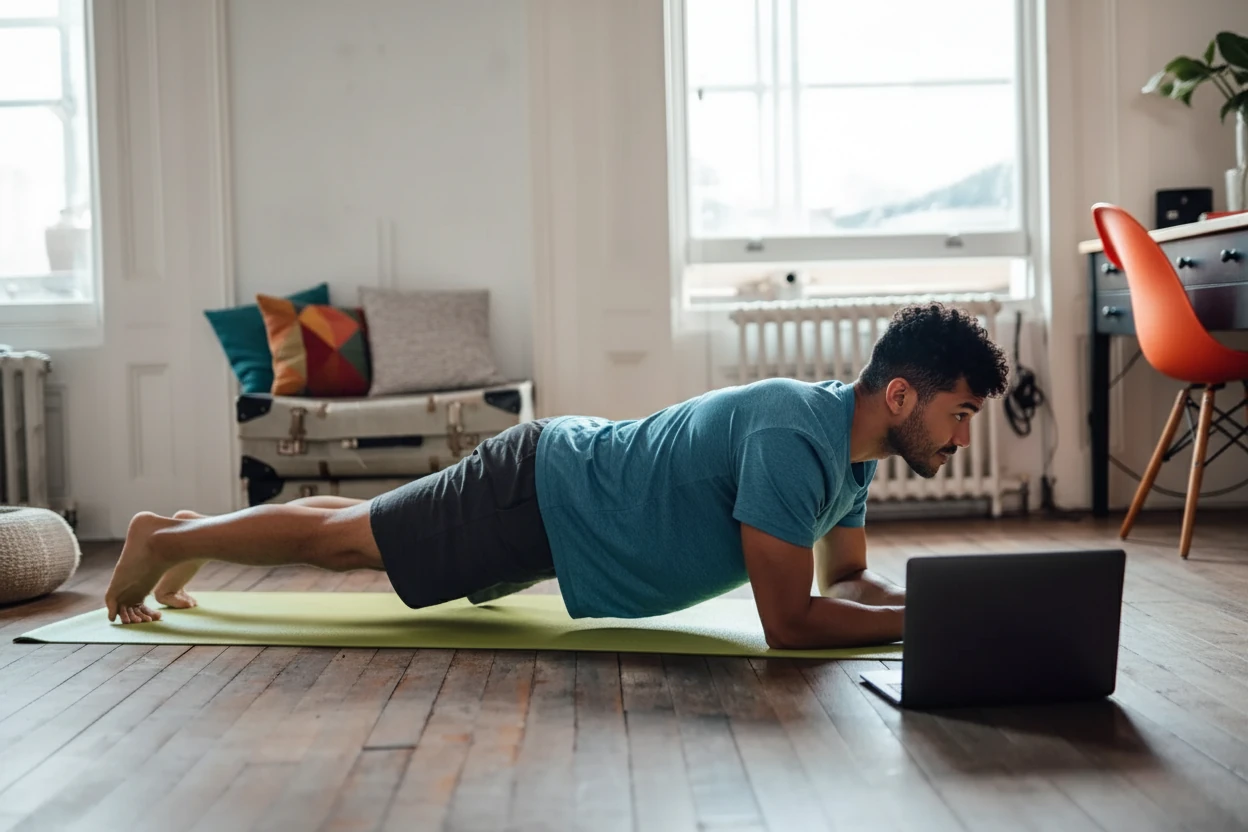
Isometric exercises involve holding a muscle contraction without moving the joint, creating static tension that strengthens muscles and improves vascular response to pressure changes. These exercises are convenient, require no equipment, and can be done at home in short sessions3. A typical protocol involves holding positions like wall sits or planks for 20 seconds initially, gradually increasing to two minutes per set, with four sets performed three times weekly12.
| Exercise Type | Systolic BP Reduction (mmHg) | Diastolic BP Reduction (mmHg) | Notes |
|---|---|---|---|
| Isometric Exercise | ~7–9 | ~3–7 | Most effective; includes planks, wall sits6711 |
| Combined Training | ~6 | ~2.5 | Aerobic + resistance combined13 |
| Dynamic Resistance | ~4.5 | ~3 | Traditional weight training13 |
| Aerobic Exercise | ~4.5 | ~2.5 | Walking, cycling, swimming13 |
| High-Intensity Interval Training (HIIT) | ~4 | ~2.5 | Short bursts of intense activity13 |
“Isometric exercise training is an emerging and promising exercise mode for reducing resting blood pressure and may have a role complementary to traditional modes of exercise, not as a substitute.”
— Jamie O'Driscoll, University of Leicester3
A large meta-analysis of 270 randomized controlled trials with over 15,000 participants found that isometric exercise training produced the greatest reductions in resting systolic and diastolic blood pressure compared to aerobic, dynamic resistance, combined training, and high-intensity interval training (HIIT)13. Wall squats and planks were among the most effective subtypes of isometric exercise for lowering blood pressure1314.
Combining aerobic exercise with resistance training yields better blood pressure control and cardiovascular health than either modality alone1516. Sustainable exercise habits, tailored to individual preferences, are more important than the specific type of exercise chosen for long-term blood pressure management1718.
- Aerobic exercise is well-established for lowering blood pressure10.
- Resistance training, including isometric exercises like wall sits and planks, is effective and safe for blood pressure control1110.
- Combining aerobic and resistance training improves vascular function and reduces total peripheral resistance416.
- Personalized exercise prescriptions improve adherence and outcomes1718.
- Isometric exercises can be easily performed at home without equipment3.