Heavy menstrual bleeding affects nearly one-third of women of reproductive age and is a leading cause of iron deficiency anemia. This condition arises when mcv blood test results meaning and normal range loss during periods exceeds the body's ability to replenish iron, leading to reduced hemoglobin and fatigue. Understanding the causes, symptoms, diagnosis, and treatment of anemia related to menstruation is essential for improving women's health and quality of life12.
Can Heavy Periods (Menorrhagia) Cause Iron Deficiency Anemia?
Yes, periods can cause anemia, especially when menstrual bleeding is heavy or prolonged. Heavy menstrual bleeding, also known as menorrhagia, leads to excessive blood loss that depletes the body's iron stores faster than they can be replaced through diet or supplements. This iron deficiency reduces the production of hemoglobin, the protein in red blood cells responsible for carrying oxygen to tissues31.
Heavy menstrual bleeding affects up to 30% of premenopausal women and is a major contributor to iron deficiency anemia. Women with heavy or very heavy periods have significantly lower hemoglobin, hematocrit, and ferritin levels, with about 35% of them being anemic41. The risk of anemia increases when menstrual blood loss exceeds the body's capacity to maintain adequate iron levels, leading to symptoms such as fatigue, weakness, and shortness of breath3.
Other factors that can contribute to anemia in menstruating women include poor nutritional status, stress, and menstrual disorders, especially among adolescents in certain regions56. While anemia can affect menstrual cycles, current research mainly supports heavy periods as a cause of anemia rather than anemia causing heavy periods3.
Understanding Menstrual Blood Loss and Its Impact on Iron Levels
How Much Blood Is Lost Normally?
Normal menstrual blood loss typically ranges below 80 milliliters per cycle. Blood loss exceeding this amount is considered heavy menstrual bleeding (HMB) or menorrhagia71. Women who need to change a tampon or pad more frequently than every two hours or pass blood clots larger than a quarter are likely experiencing heavy bleeding81.
Menstrual blood loss is a key independent factor influencing hemoglobin and ferritin levels in premenopausal women. Studies show that menstrual blood loss and blood donation are the most important determinants of iron status in this group9. Women with longer or heavier menstrual periods lose more blood, increasing their risk of developing anemia10.
Risk Factors for Anemia Due to Heavy Periods
Several factors increase the risk of anemia related to menstrual blood loss:
- Duration of Menstruation: Longer periods cause more blood loss, raising anemia risk1011.
- Frequency of Heavy Bleeding: Consistently heavy bleeding over months depletes iron stores41.
- Nutritional Status: Poor intake of iron and vitamins worsens anemia risk56.
- Underlying Medical Conditions: Uterine fibroids, polyps, bleeding disorders, and hormonal imbalances can cause heavy bleeding8.
- Adolescence: Young women are particularly vulnerable due to growth demands and menstrual irregularities512.
- Genetic Factors: Certain mutations and inherited bleeding disorders affect iron metabolism and bleeding severity138.
Heavy menstrual bleeding is like a slow leak: you may feel fine until your iron stores are nearly empty, so tracking both menstrual flow and energy levels is key to early detection1.
Common Period Anemia Symptoms: Fatigue, Weakness & Other Warning Signs
Anemia caused by heavy periods manifests through various symptoms that reflect reduced oxygen delivery to tissues. Common signs include:
- Fatigue and weakness43
- Shortness of breath during normal activities3
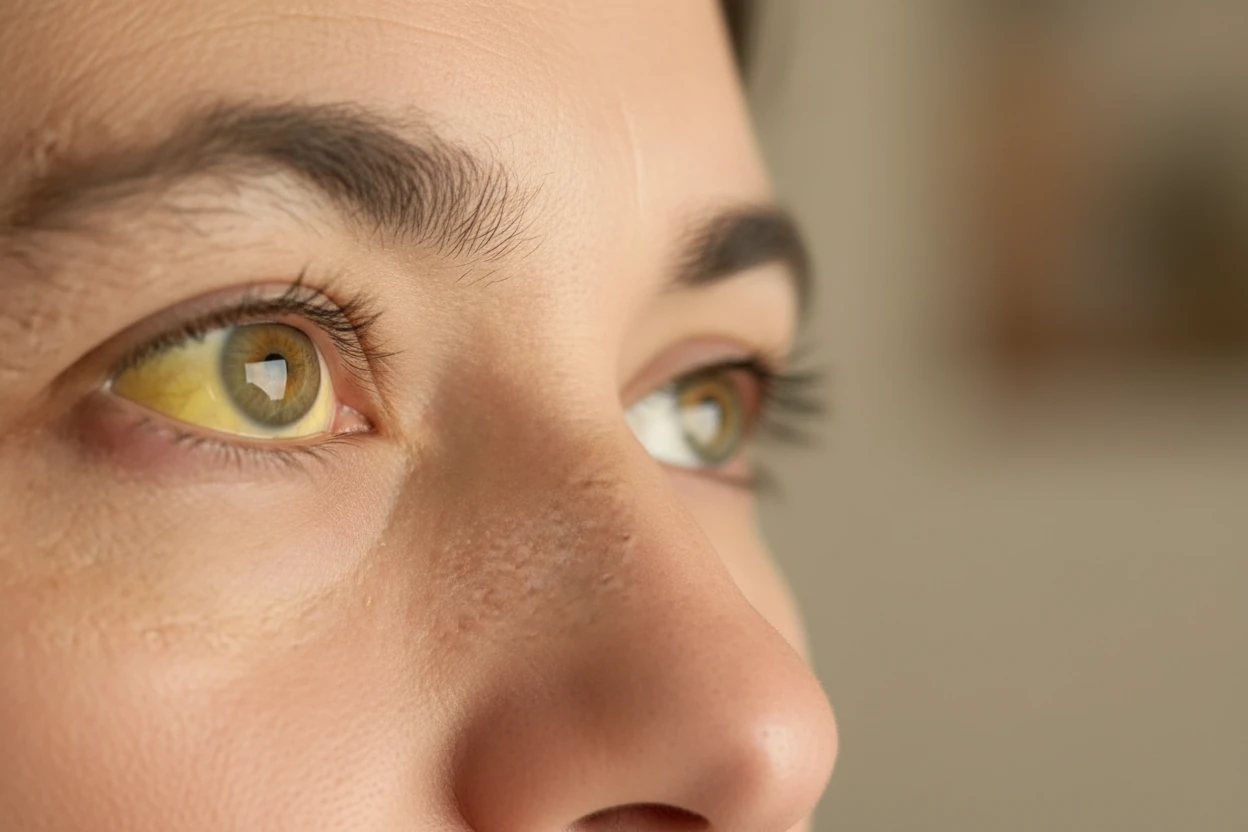
- Pale or yellowish skin3
- Headaches and dizziness43
- Reduced concentration and cognitive dysfunction1412
- Feeling faint or lightheaded3
- Increased heart rate or palpitations in severe cases1
Heavy menstrual bleeding itself can cause physical limitations during periods, and anemia further impacts quality of life by affecting social relationships and daily functioning114. A validated menstrual blood loss questionnaire (MBL-score) helps estimate blood loss and correlates well with hematological parameters, aiding symptom assessment7.
Diagnosing Period-Related Anemia: Blood Tests & Medical Evaluation
Medical History and Physical Examination
Diagnosis begins with a thorough medical and menstrual history, focusing on bleeding patterns, duration, and severity. Patients may report:
- Needing to change pads or tampons every 1–2 hours8
- Passing large blood clots8
- Periods lasting longer than 7 days8
- Symptoms of fatigue, weakness, or shortness of breath43
Physical examination may reveal pallor and signs of anemia. The impact of anemia on social and physical functions should be assessed, as it often reduces productivity and quality of life1112.
Diagnostic Tests for Anemia
Laboratory tests are essential for confirming anemia and its cause:
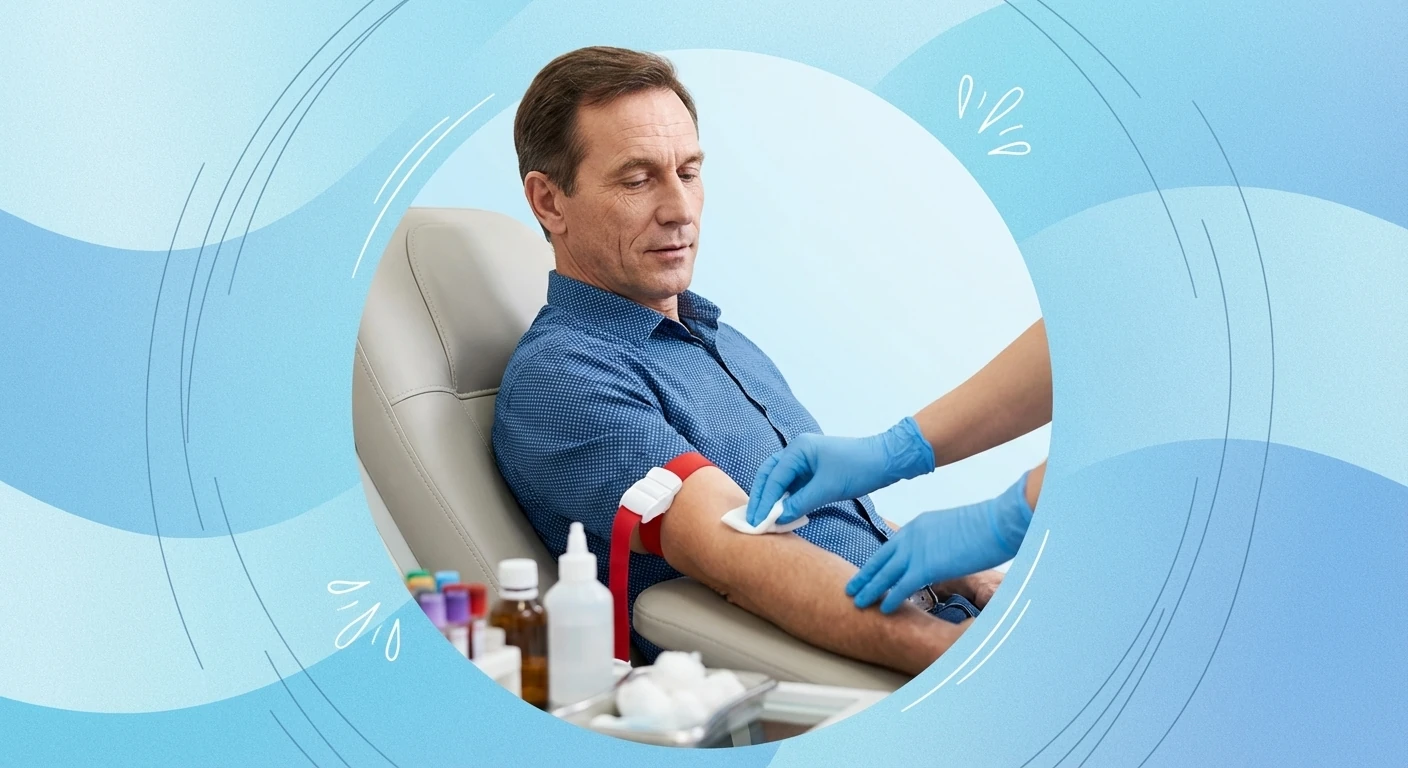
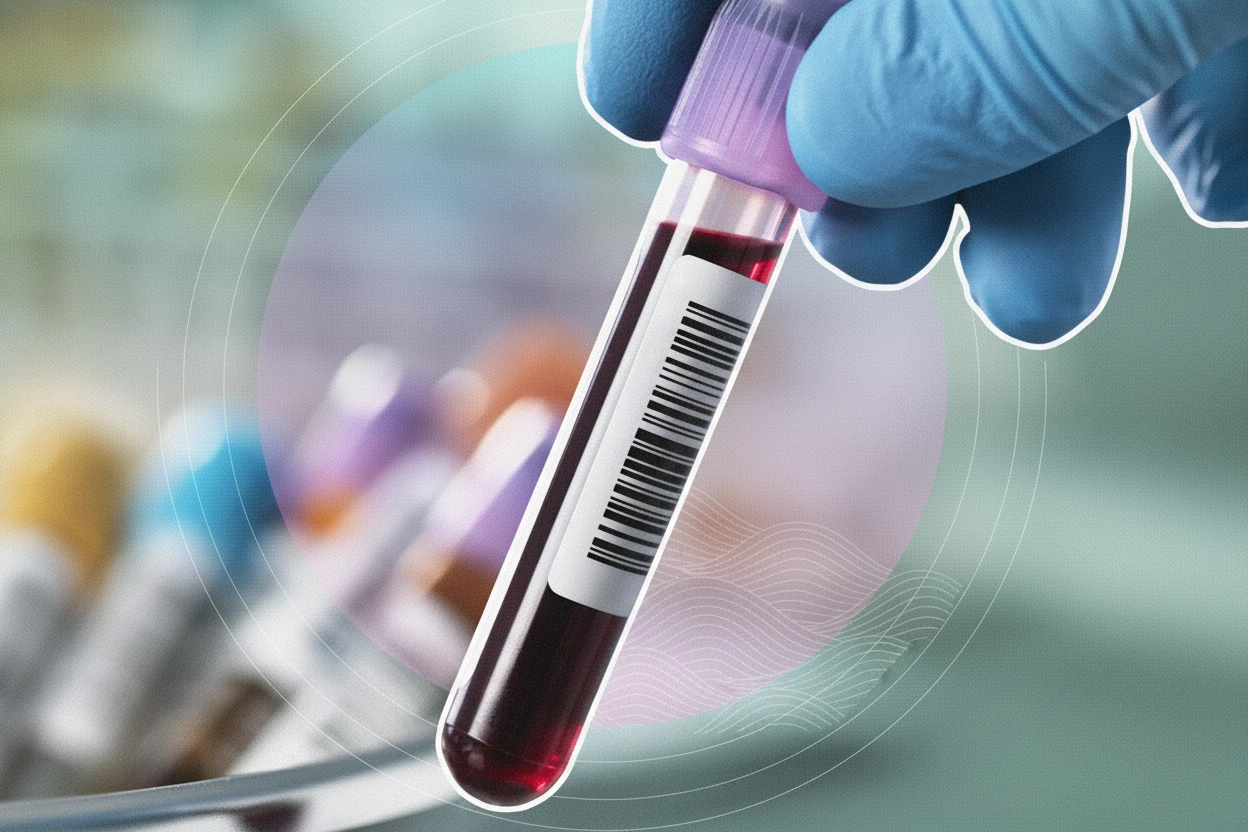
- Complete Blood Count (CBC): Measures hemoglobin, hematocrit, red blood cell count, and indices to detect anemia63.
- Serum Ferritin: Indicates iron stores; low ferritin confirms iron deficiency151.
- Blood Film: Helps rule out other causes like thalassemia minor16.
- Coagulation Tests: Considered if bleeding disorders are suspected8.
- Pelvic Ultrasound: Detects uterine abnormalities such as fibroids or polyps contributing to heavy bleeding1.
Anemia is typically defined by hemoglobin levels below 12 g/dL in adolescents and women of reproductive age1711. Ferritin levels below 30 µg/L often indicate iron deficiency even before anemia develops1.
Period Anemia Treatment & Management: Iron Supplements, Diet & Medical Interventions
Iron-Rich Foods
Diet plays a crucial role in preventing and managing anemia. Consuming iron-rich foods improves iron stores and supports red blood cell production. Recommended foods include:
- Lean red meat, chicken liver, and clams (heme iron sources)113
- Leafy green vegetables like spinach and kale3
- Legumes and quinoa3
- Vitamin C-rich fruits such as oranges, strawberries, and kiwis to enhance iron absorption13
- Cooking in cast-iron skillets can increase dietary iron intake1
Limiting coffee and tea during meals is advised as they can inhibit iron absorption3.
Medical Treatments for Heavy Periods
Treatment targets both anemia and the underlying cause of heavy bleeding:
- Iron Supplementation: Oral iron supplements effectively raise hemoglobin and ferritin levels. Daily supplementation reduces anemia risk significantly (risk ratio 0.39)151.
- Hormonal Therapy: Combined oral contraceptives and levonorgestrel-releasing intrauterine devices reduce menstrual blood loss by up to 60%81.
- Nonsteroidal Anti-Inflammatory Drugs (NSAIDs): Ibuprofen can reduce bleeding and cramps but should be limited to avoid worsening bleeding81.
- Antifibrinolytic Agents: Tranexamic acid helps reduce blood loss by preventing clot breakdown8.
- Surgical Options: Procedures like dilation and curettage, endometrial ablation, or hysterectomy may be considered for severe or refractory cases8.
Severe anemia (hemoglobin <5 g/dL) from heavy menstrual bleeding requires urgent medical attention and may involve blood transfusions and iron therapy18.
Prevention Strategies
Preventing anemia involves managing menstrual blood loss and maintaining adequate iron intake:
- Regular screening for anemia, especially in women with heavy periods1.
- Early treatment of heavy menstrual bleeding to prevent chronic iron loss2.
- Nutritional counseling to ensure sufficient dietary iron and vitamins56.
- Awareness and education about menstrual health and anemia symptoms19.
- Annual ferritin and hemoglobin checks for women at risk1.
“When menstrual losses rise, women have no natural way to absorb enough iron without medical help.”
— Sina Hartung, MMSC-BMI, Harvard Medical School1
Key Takeaways: Managing Anemia from Heavy Menstrual Periods
- Heavy menstrual bleeding affects up to 30% of women of reproductive age and is a leading cause of iron deficiency anemia41.
- Blood loss exceeding 80 mL per cycle is considered heavy and significantly increases anemia risk71.
- Symptoms of period anemia include fatigue, weakness, pale skin, headaches, and cognitive difficulties143.
- Diagnosis relies on medical history, physical exam, and blood tests including hemoglobin and ferritin levels63.
- Treatment combines iron supplementation, hormonal therapy, and sometimes surgery to control bleeding and restore iron stores1581.