endometriosis-stages-symptoms-and-treatment">Endometriosis affects about 10% of women of reproductive age worldwide, causing tissue similar to the uterine lining to grow outside the uterus12. This misplaced tissue responds to menstrual hormones, leading to inflammation, pain, and scarring that can severely disrupt daily life34. Unfortunately, diagnosis is often delayed by an average of 7.5 years due to normalization of menstrual pain and lack of awareness25. Recognizing the key symptoms early can help improve management and quality of life67.
Debilitating Pain That Disrupts Daily Life
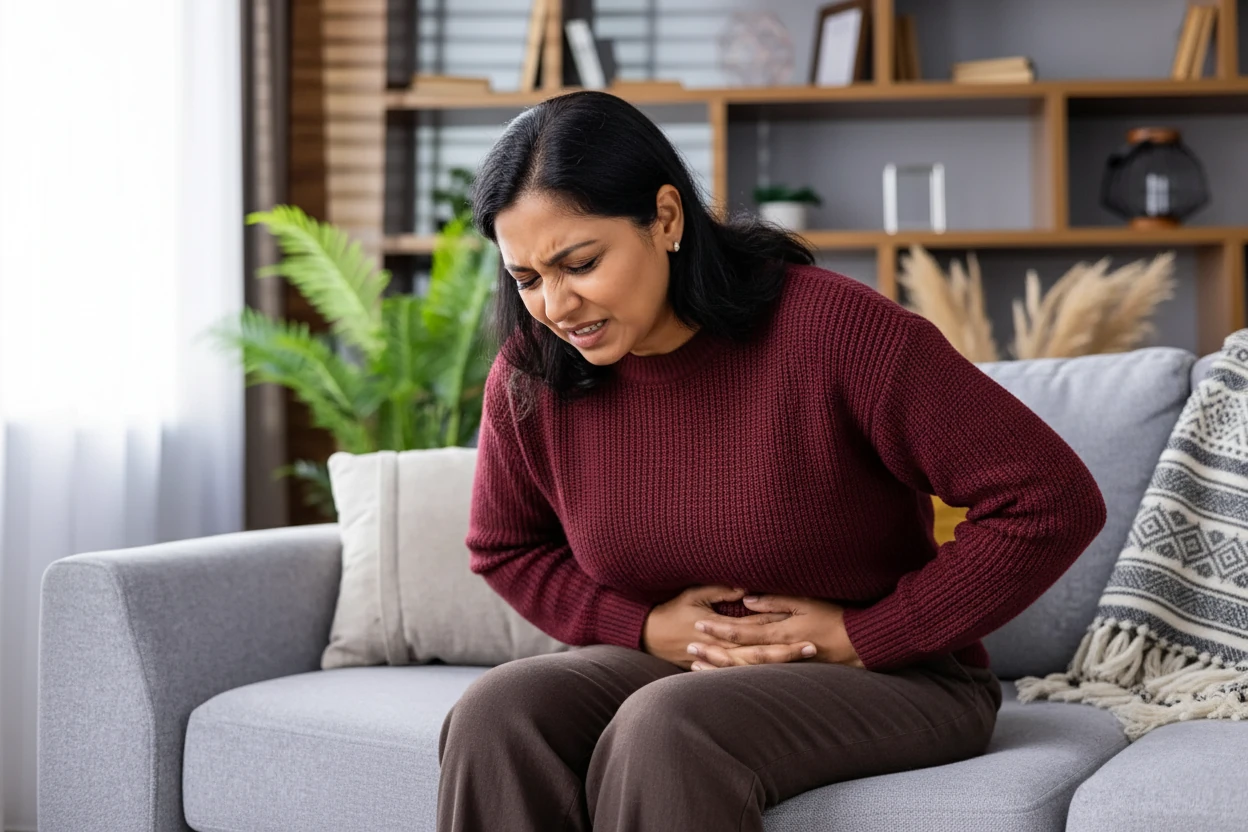
While mild to moderate menstrual cramps are common and typically manageable, severe period pain that interferes with daily activities is abnormal and should prompt medical evaluation82. Endometriosis causes intense dysmenorrhea (painful menstruation) that can prevent women from attending work, school, or performing routine tasks19. This pain arises because endometrial-like tissue grows outside the uterus, causing inflammation and irritation during menstrual cycles34.
Pain mechanisms in endometriosis include both peripheral sensitization (increased nerve sensitivity at the lesion sites) and central sensitization (heightened pain processing in the nervous system), which contribute to the severity and persistence of symptoms1011. The societal tendency to normalize menstrual pain often delays diagnosis and treatment, worsening outcomes122.
Women experiencing severe menstrual cramps that disrupt their lives should seek evaluation promptly. Early assessment can reduce diagnostic delays and prevent disease progression characterized by fibrosis and adhesions67.
- Mild to moderate menstrual cramps are common and usually considered normal8.
- Severe menstrual pain that stops normal activities is not typical and warrants medical evaluation8.
- Pain in endometriosis is often more intense than typical cramps and may worsen over time1.
- Pain mechanisms include nerve sensitization contributing to chronic discomfort10.
- Normalizing menstrual pain can delay diagnosis and treatment12.
“Mild discomfort with periods may be normal, but pain that stops a woman from working or going to school or other daily activities is not normal and should be evaluated by a gynecologist.”
— Khara Michelle Simpson, M.D., Johns Hopkins Medicine9
Chronic Pelvic Pain Between Periods
Endometriosis pain is not limited to menstruation. Many women experience chronic pelvic pain throughout the month, including during ovulation, bowel movements, or urination13214. This persistent pain results from endometriotic lesions implanting on pelvic organs such as the bowel and bladder, causing inflammation and nerve irritation1516.
The pain can be sharp, burning, or throbbing and may radiate to the lower back, abdomen, or legs due to nerve involvement115. Pelvic floor muscle spasms triggered by inflammation also contribute to discomfort14. This variability in pain type and timing complicates diagnosis and symptom management1718.
Women with ongoing pelvic pain outside their periods should consider evaluation for endometriosis, especially if pain is severe or accompanied by other symptoms.
- Endometriosis pain can occur independently of menstruation8.
- Lesions on pelvic organs cause pain during urination, defecation, or ovulation2.
- Pain may radiate to the back, legs, or abdomen due to nerve involvement15.
- Pelvic floor muscle spasms can cause additional pain14.
- Chronic pelvic pain complicates diagnosis and requires thorough assessment17.
Pain During or After Sex
Painful intercourse, medically known as dyspareunia, is a common symptom of endometriosis and affects up to 48% of patients1913. Endometriotic lesions beneath the uterus or on pelvic organs cause inflammation and scarring, leading to pain during penetration or afterward132.
Dyspareunia in endometriosis can be cyclical, worsening around menstruation, or persistent8. The pain may be sharp, dull, or throbbing, and its timing and nature help guide diagnosis8. Other causes of painful sex include hormonal changes, muscular issues, or structural abnormalities, but persistent pain should prompt evaluation for endometriosis2.
Diagnosis involves a detailed history, pelvic examination, and imaging such as ultrasound or MRI to identify lesions7. Early recognition and treatment can improve quality of life and sexual function.
- Dyspareunia has multiple causes including hormonal and structural factors8.
- Endometriosis causes painful sex due to lesions and pelvic inflammation13.
- Pain may be cyclical or constant and varies in quality8.
- Clinical examination and imaging assist in diagnosis7.
- Persistent pain during intercourse warrants medical evaluation2.
Difficulty Getting Pregnant
Endometriosis is a significant cause of infertility, affecting approximately 30-50% of women with the condition82. The disease causes pelvic adhesions, inflammation, and altered function of the ovaries and fallopian tubes, impairing fertilization and implantation132.
Infertility is defined as failure to conceive after 12 months of regular, unprotected intercourse8. Assisted reproductive technologies (ART), such as in vitro fertilization (IVF), are often employed when fertility is impaired202. Surgical removal of endometriotic lesions can improve fertility outcomes7.
pregnancy-after-menopause-possibility-and-optionsPregnancy often temporarily alleviates symptoms due to elevated progesterone levels, which suppress endometriotic lesions21. However, symptoms commonly return postpartum as hormone levels normalize21.
- Endometriosis causes infertility by damaging reproductive anatomy and function13.
- 30-50% of women with endometriosis experience infertility8.
- ART like IVF is used when fertility is impaired20.
- Surgical excision of lesions can improve fertility7.
- Pregnancy temporarily reduces symptoms via hormonal changes21.
“Surgery for endometriosis can increase your chances of conceiving and even improve the IVF success rate.”
— Kathy Huang, MD, NYU Langone Health14
Severe Fatigue and Exhaustion
Though not a classic symptom, fatigue is increasingly recognized as a significant issue for women with endometriosis2223. Fatigue arises from chronic pain, psychological stress, systemic inflammation, and sleep disturbances associated with the condition2423.
The burden of persistent pain and infertility can lead to exhaustion that severely impacts quality of life and daily functioning22. Some studies suggest a link between endometriosis and chronic fatigue syndrome, though further research is needed24.
Managing pain and associated symptoms often improves fatigue and overall well-being23.
- Fatigue in endometriosis is multifactorial, involving pain and stress23.
- Chronic pain and infertility contribute to exhaustion22.
- Systemic inflammation may play a role in fatigue24.
- Sleep disturbances worsen tiredness23.
- Addressing pain can help reduce fatigue23.
Diagnosis and Treatment for Endometriosis
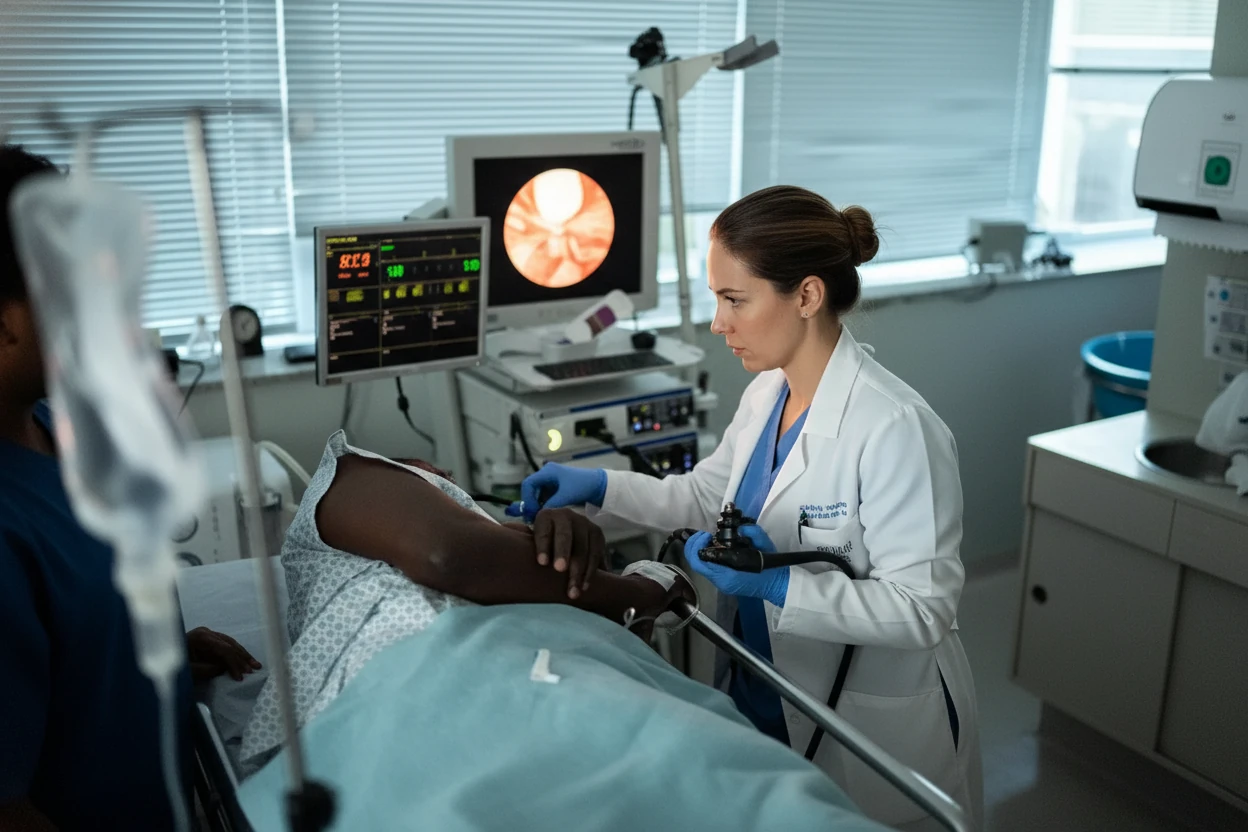
Definitive diagnosis of endometriosis requires surgical visualization and histological confirmation, typically through laparoscopy2079. However, symptom-based evaluation and imaging can guide initial diagnosis and treatment79.
The average diagnostic delay is 7 to 10 years worldwide, often due to symptom normalization and lack of awareness25. Early diagnosis is crucial to prevent disease progression and improve outcomes2.
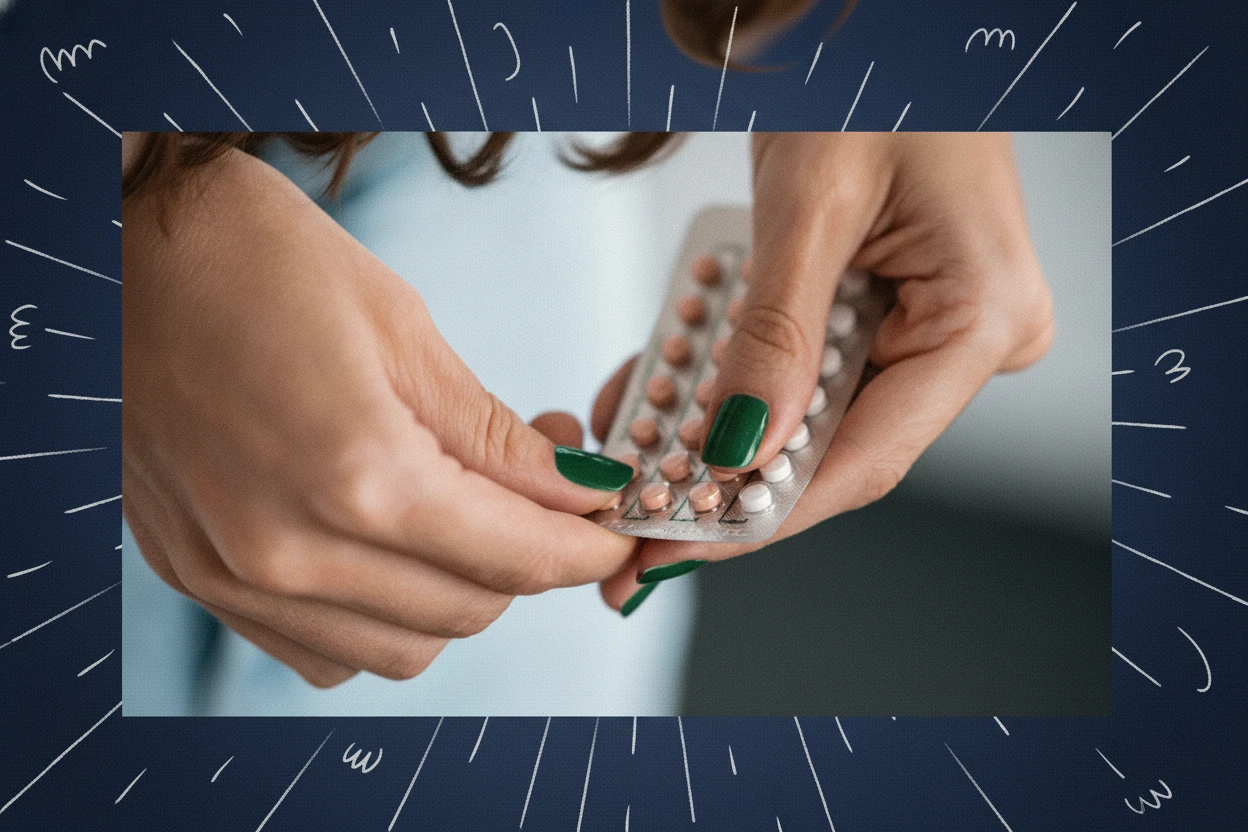
Treatment is individualized and includes hormonal therapies (combined oral contraceptives, progestins, GnRH analogs), pain management, and surgery to remove lesions82. Surgery can improve pain and fertility but is balanced against preserving reproductive organs87.
Assisted reproductive technologies are recommended for endometriosis-related infertility when other treatments fail20. Multidisciplinary care improves symptom control and quality of life2526.
- Laparoscopy with biopsy is the gold standard for diagnosis7.
- Imaging and clinical suspicion guide initial evaluation20.
- Hormonal therapies and NSAIDs are first-line treatments8.
- Surgery removes lesions and improves symptoms7.
- IVF is used for infertility when other treatments fail20.
- Individualized treatment plans are essential2.