Each year, millions of people experience flu-like symptoms caused by respiratory viruses such as influenza, RSV, and covid-test-accuracy-for-eg5-and-ba286-variants">covid-test-accuracy-for-eg5-and-ba286-variants">COVID-191. While many recover at home, some develop severe complications that require urgent medical attention to prevent serious outcomes2. Recognizing when to seek emergency care is crucial, especially for those at higher risk of severe illness3.
Emergency Room Visit for Flu Symptoms
Flu and other respiratory viral infections commonly cause symptoms like cough, sore throat, fever, and fatigue4. Most people with mild flu symptoms can manage their illness at home with rest, hydration, and over-the-counter medications2. However, emergency department visits for influenza and pneumonia remain frequent due to the risk of complications such as pneumonia and respiratory failure5.
Severe symptoms that warrant immediate emergency evaluation include respiratory distress, altered mental status, and cyanosis (a bluish discoloration of lips or extremities indicating low oxygen levels)67. Dehydration is another critical concern; signs such as concentrated urine, dizziness, headache, and inability to maintain oral intake require urgent care6. Tachycardia (rapid heart rate), syncope (fainting), and confusion in the context of dehydration also indicate the need for emergency intervention6.
Key emergency symptoms to watch for include:
“It's a tough call," says Dr. Joel Geiderman, co-chair of Emergency Medicine at Cedars-Sinai. "My own mother got sick with the flu, developed severe complications, and died of it at age 76. In my opinion, her death was preventable.”
— Joel M. Geiderman9
- Difficulty breathing or shortness of breath, especially if sudden or severe83
- Chest pain or pressure that does not go away83
- Persistent dizziness or sudden confusion83
- Severe or ongoing vomiting that prevents hydration68
- Symptoms that initially improve but then worsen or return83
Children may show additional signs such as fast or troubled breathing, bluish lips or skin, extreme irritability, lack of tears when crying, and fewer wet diapers than usual910. Infants and young children with these symptoms require prompt medical evaluation10.
Emergency care is also recommended for severe symptoms caused by any respiratory virus, including influenza, COVID-19, and RSV11. Early identification and treatment in the emergency setting reduce morbidity and mortality67.
High-Risk Groups for Severe Flu
Certain populations are more vulnerable to severe illness and complications from flu and other respiratory viruses. These include:
- Older adults aged 65 and above, who represent the majority of influenza-related hospital admissions511
- Infants and young children, especially under five years old, with RSV being a leading cause of hospitalization in this group6
- Pregnant women, who face increased risk of complications6
- People with chronic medical conditions such as asthma, diabetes, heart disease, chronic kidney disease, and obesity61
- Immunocompromised individuals due to diseases like HIV/AIDS or medications that suppress the immune system61
💡 Did You Know?
Flu, also called influenza, is an infection of the nose, throat, and lungs, which are part of the respiratory system. The flu is caused by a virus12.
These groups are at higher risk for severe symptoms such as pneumonia, dehydration, respiratory failure, and worsening of existing chronic illnesses61. Adults who smoke or vape also have a significantly increased risk of flu-related complications9.
RSV causes significant hospitalization rates among older adults, with estimates around 100,000 hospitalizations annually6. COVID-19 hospitalization trends similarly emphasize increased risk with age and comorbidities11.
People in these high-risk categories should be especially vigilant for symptoms such as fever, chills, body aches, difficulty breathing, chest pain, confusion, and persistent vomiting, and seek medical care promptly910.
Preventing Serious Flu Complications
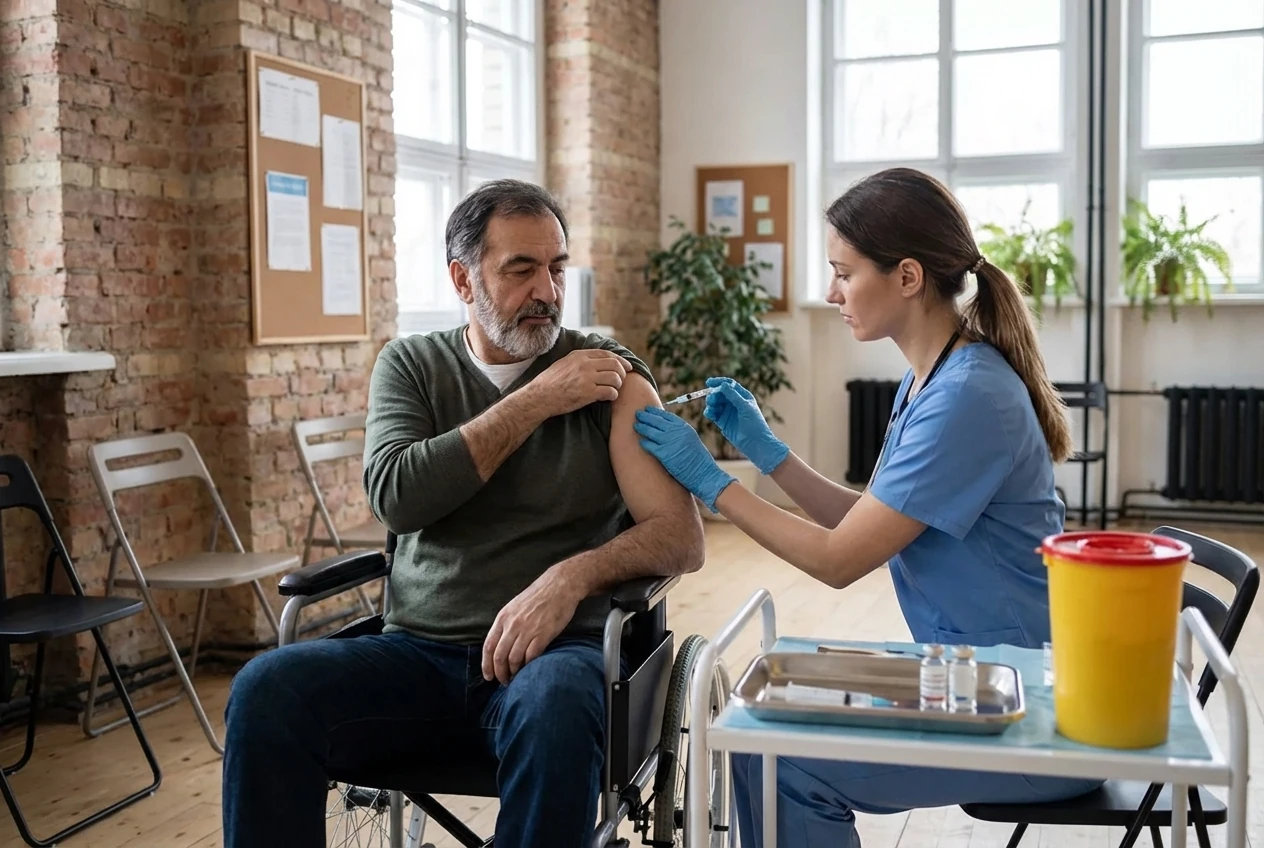
Prevention is the most effective strategy to reduce the risk of severe flu and related complications. Vaccination remains the cornerstone of prevention for influenza, COVID-19, and RSV in high-risk groups713.
Key prevention measures include:
- Annual influenza vaccination for everyone aged 6 months and older to reduce the risk of infection and severe illness71312
- COVID-19 vaccination and boosters as recommended for eligible individuals713
- RSV vaccines for high-risk adults and monoclonal antibodies for young infants to prevent severe RSV disease713
- Practicing good hand hygiene and avoiding crowded spaces to reduce transmission of respiratory viruses13
- Early antiviral treatment for influenza and COVID-19, which improves outcomes when started promptly—oseltamivir within 48 hours of flu symptom onset and COVID-19 antivirals within five days of symptoms13
Early treatment and prevention are vital. Vaccination lowers the risk of severe illness and hospitalization. Practicing good hygiene and seeking prompt care for severe symptoms can save lives1379.
Currently, no approved antiviral therapies exist for RSV; management is supportive13. Rapid diagnostic testing in emergency settings helps guide clinical decisions and resource use14.
Maintaining hydration and using analgesics or antipyretics can help manage symptoms and prevent complications such as dehydration13. People with chronic conditions should consult their healthcare providers early if they develop flu symptoms to receive timely treatment15.
| Prevention Strategy | Target Group | Benefit | Timing/Notes |
|---|---|---|---|
| Annual Influenza Vaccine | Everyone ≥ 6 months | Reduces risk of flu infection and severity | Yearly before flu season713 |
| COVID-19 Vaccination | Eligible individuals | Lowers risk of severe COVID-19 illness | As per CDC guidelines713 |
| RSV Vaccines & Monoclonal Abs | High-risk adults & infants | Prevents severe RSV disease | Seasonal, per recommendations713 |
| Hand Hygiene & Avoiding Crowds | General population | Decreases transmission of respiratory viruses | Ongoing13 |
| Early Antiviral Treatment | Flu and COVID-19 patients | Shortens illness duration and reduces complications | Within 48 hours (flu), 5 days (COVID-19)13 |
| Sources:71312 | |||