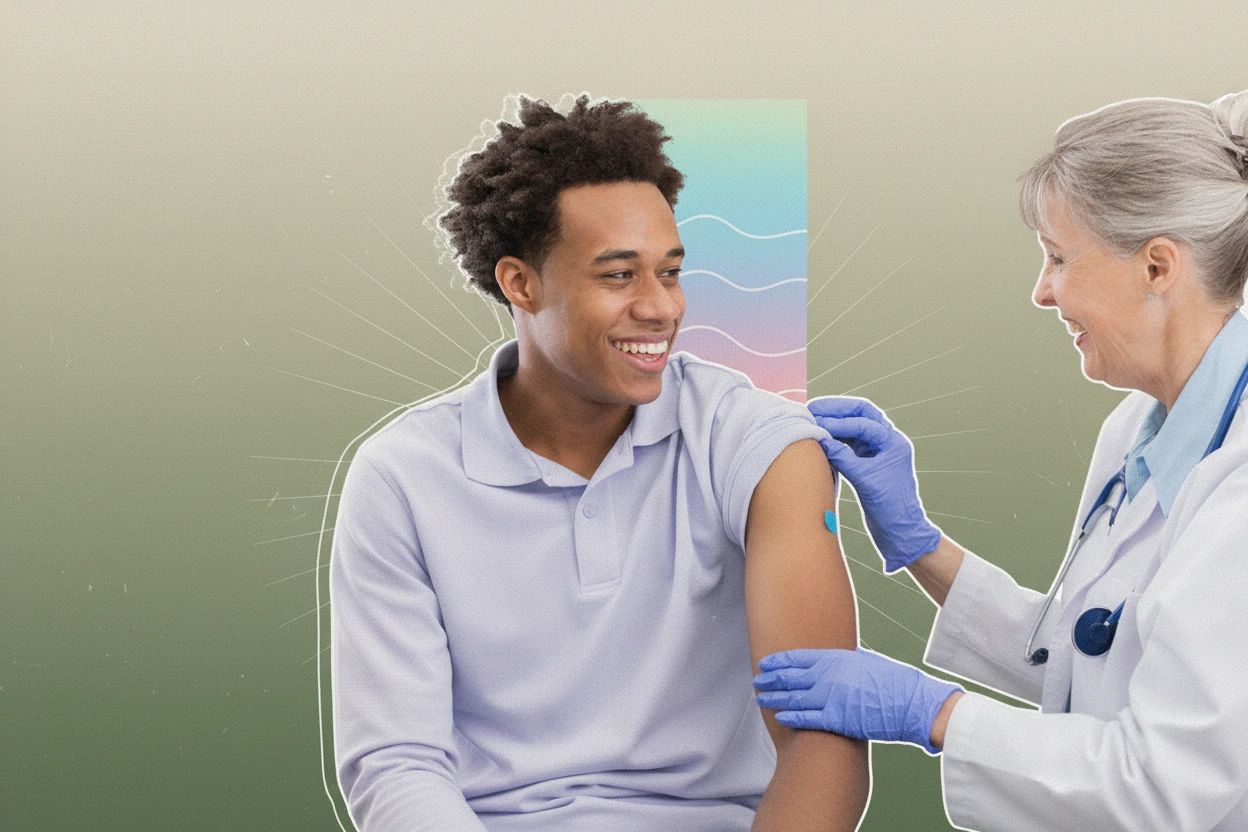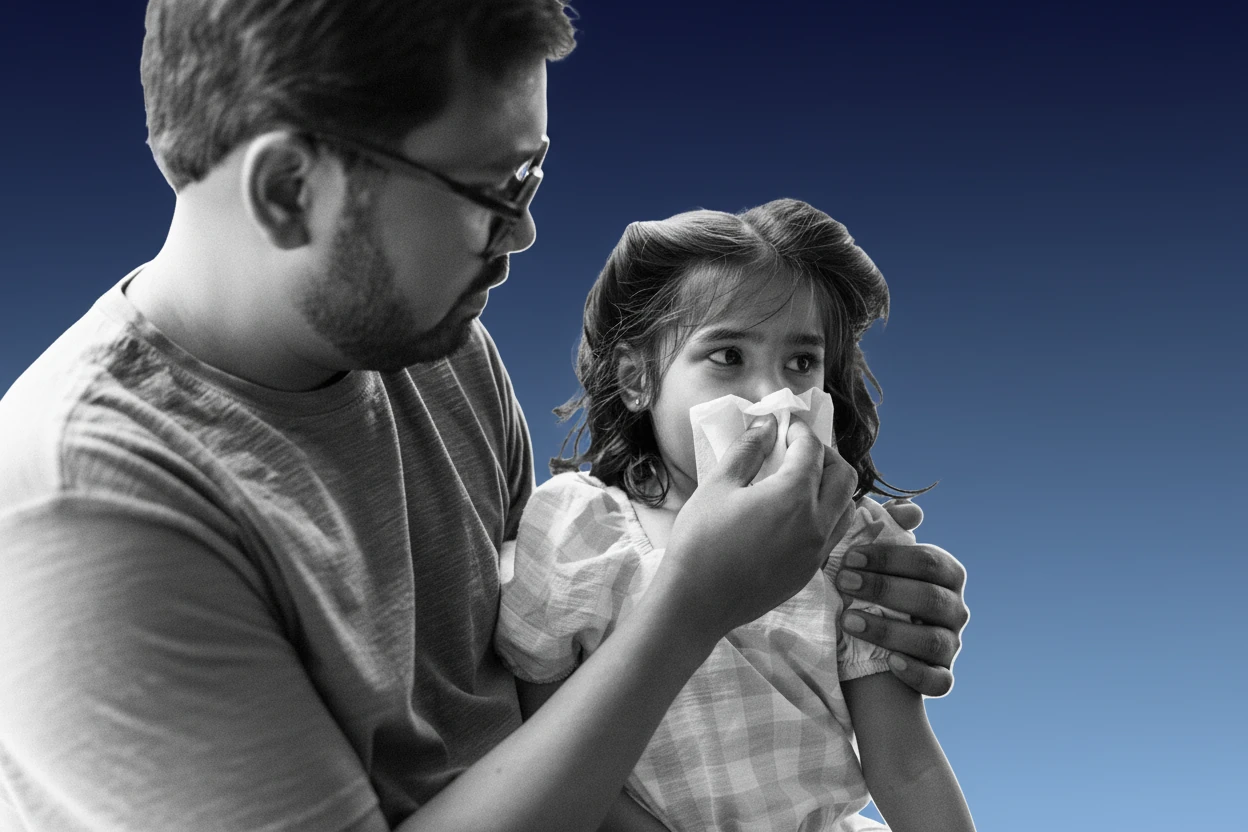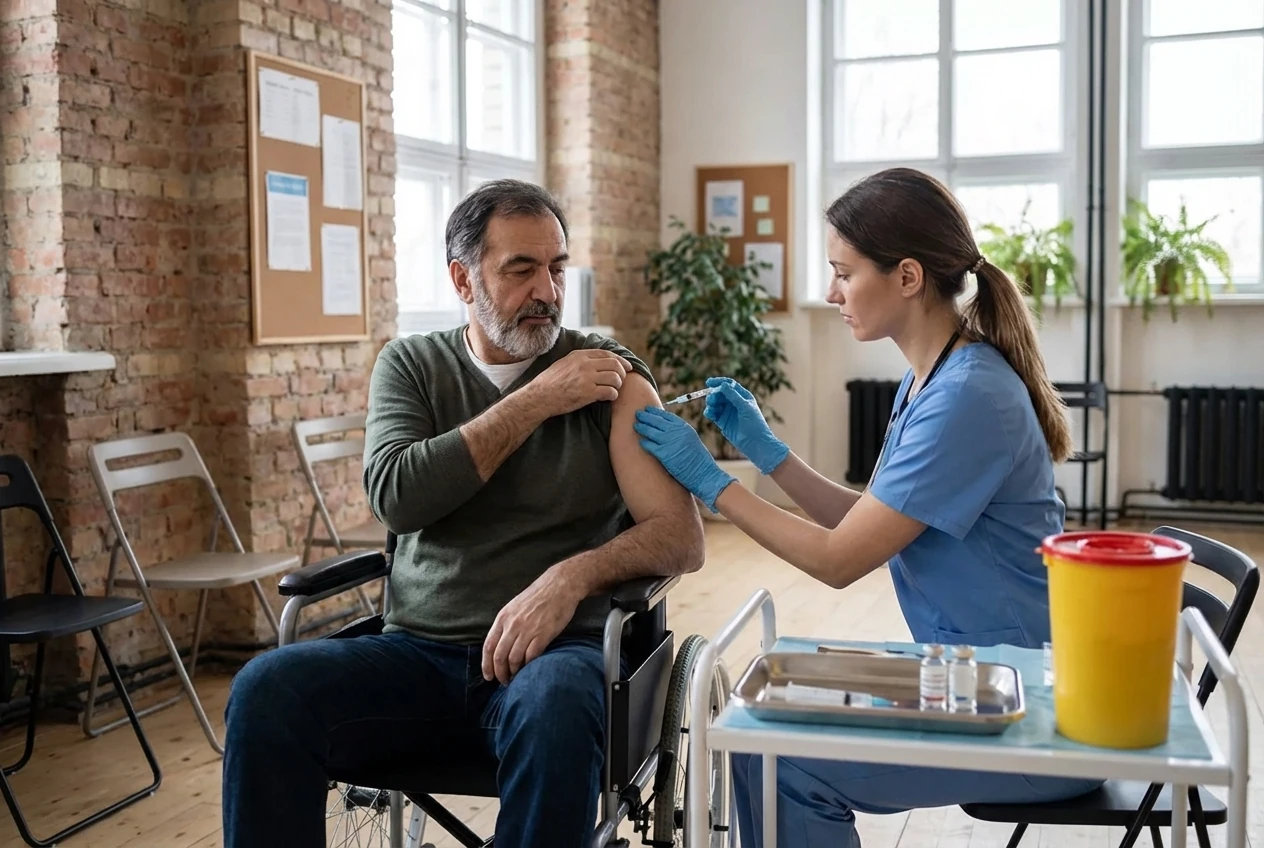
The 2024–2025 influenza season in the United States has been marked by high severity, with hospitalization rates reaching their highest levels in nearly 15 years1. Despite this, the available flu vaccines have shown a good antigenic match to circulating viruses, providing moderate protection across age groups2. Understanding the current vaccine effectiveness, reasons behind the increased flu activity, and protective health measures is essential to mitigate the impact of influenza this season3.
Current Flu Vaccine Effectiveness
The 2024–2025 seasonal influenza vaccines have demonstrated moderate effectiveness in preventing medically attended influenza and hospitalizations across different age groups and settings2. Vaccine effectiveness (VE) estimates from four U.S. vaccine effectiveness networks ranged approximately from 32% to 60% for outpatient visits and from 41% to 78% against influenza-associated hospitalizations24. This moderate protection aligns with historical VE estimates from recent seasons and reflects a generally good match between vaccine strains and circulating viruses25.
Influenza viruses undergo frequent antigenic drift, which necessitates annual vaccine reformulation based on global surveillance and expert recommendations67. For the 2024–2025 season, the vaccine composition included strains representative of the predominant circulating viruses, notably A(H1N1)pdm09 and A(H3N2) subtypes, with the B/Victoria lineage also included38. This antigenic match contributes to the observed vaccine effectiveness, although some A(H3N2) viruses exhibited minor antigenic drift, potentially lowering VE against this subtype3.
Enhanced vaccines, such as high-dose or adjuvanted formulations, have shown improved effectiveness in older adults, a group at higher risk for severe influenza outcomes910. Additionally, vaccine effectiveness tends to wane over the course of the flu season, underscoring the importance of timely vaccination to maintain optimal protection1112.
| Age Group | VE Against Outpatient Illness | VE Against Hospitalization |
|---|---|---|
| Children & Adolescents (6 months–17 years) | 32%–60%24 | 63%–78%24 |
| Adults (≥18 years) | 36%–54%24 | 41%–55%24 |
| Older Adults (≥65 years) | 18%–51%24 | 38%–57%24 |
Vaccination remains the best preventive measure against influenza and its complications. Even in seasons with imperfect vaccine-virus matches, vaccination reduces the risk of severe outcomes, including hospitalizations and deaths1314. The 2024–2025 vaccines have prevented millions of symptomatic illnesses, medical visits, hospitalizations, and deaths, highlighting their public health value3.
“Vaccination with the 2024–2025 influenza vaccine reduced the likelihood of medically attended influenza and supports CDC’s recommendation that all persons aged 6 months and older be vaccinated against influenza.”
— CDC Influenza Vaccine Effectiveness Collaborators2
Reasons for Increased Flu Activity
Despite the availability of well-matched vaccines, the 2024–2025 flu season saw early and high influenza activity with substantial hospitalizations and outpatient visits215. Several factors contribute to this increased flu burden.
First, vaccine coverage remains below optimal levels, especially among adults, with uptake below 30% early in the season1617. Low vaccination rates allow continued transmission and higher case numbers. Second, the covid-test-accuracy-for-eg5-and-ba286-variants">covid-test-accuracy-for-eg5-and-ba286-variants">COVID-19 pandemic led to reduced circulation of influenza viruses for several years, resulting in decreased population immunity to influenza18. Natural infection typically boosts immunity that can last up to two years, but this immunity gap has increased susceptibility in the population18.
Third, influenza vaccines provide partial protection and do not confer complete immunity. Breakthrough infections are expected even with a good antigenic match between vaccine and circulating viruses6. Importantly, current data do not indicate that circulating influenza strains have become more virulent; rather, the high hospitalization rates reflect the increased number of cases19.
Non-pharmaceutical interventions effective against COVID-19 also reduce influenza and RSV spread. Combining vaccination with these measures offers the best protection during flu season.2225
Additional factors include the relaxation of non-pharmaceutical interventions (NPIs) such as masking and social distancing since the COVID-19 pandemic, which has facilitated respiratory virus transmission18. Social behaviors, including gatherings during holidays, also contribute to spread20.
Key contributors to high flu activity:
- Suboptimal vaccination coverage, particularly in adults17
- Reduced population immunity due to low influenza circulation during the COVID-19 pandemic18
- Partial vaccine protection with expected breakthrough infections6
- No evidence of increased virulence in circulating strains19
- Relaxation of preventive behaviors and increased social interactions2018
Protective Health Measures
To reduce influenza transmission and protect vulnerable populations, a combination of vaccination and behavioral interventions is essential. The CDC continues to recommend annual influenza vaccination for everyone aged six months and older, as it remains the most effective way to prevent flu and its complications221.
In addition to vaccination, layered mitigation strategies help curb the spread of influenza, especially during periods of high transmission and social gatherings2220. These include:
“Getting a seasonal flu vaccine does not protect against all respiratory viruses, but it significantly reduces the risk of severe influenza illness and helps protect others in the community.”
— Dr. Kirley, AMA News24
- Wearing masks in crowded indoor spaces during peak flu activity22
- Practicing good hand hygiene with soap and water23
- Covering coughs and sneezes to reduce respiratory droplet spread23
- Staying home when feeling unwell to avoid exposing others23
- Improving indoor ventilation to lower airborne virus concentration22
High-risk groups such as older adults, young children, pregnant persons, and individuals with chronic medical conditions should be especially vigilant in adopting these measures2122. Pre-visit testing and masking are effective strategies to protect these populations during healthcare visits or social events22.
Vaccination coverage has seen modest improvements but remains insufficient to achieve herd immunity against influenza17. Public health messaging emphasizes tailored approaches based on individual risk profiles and community transmission levels20.