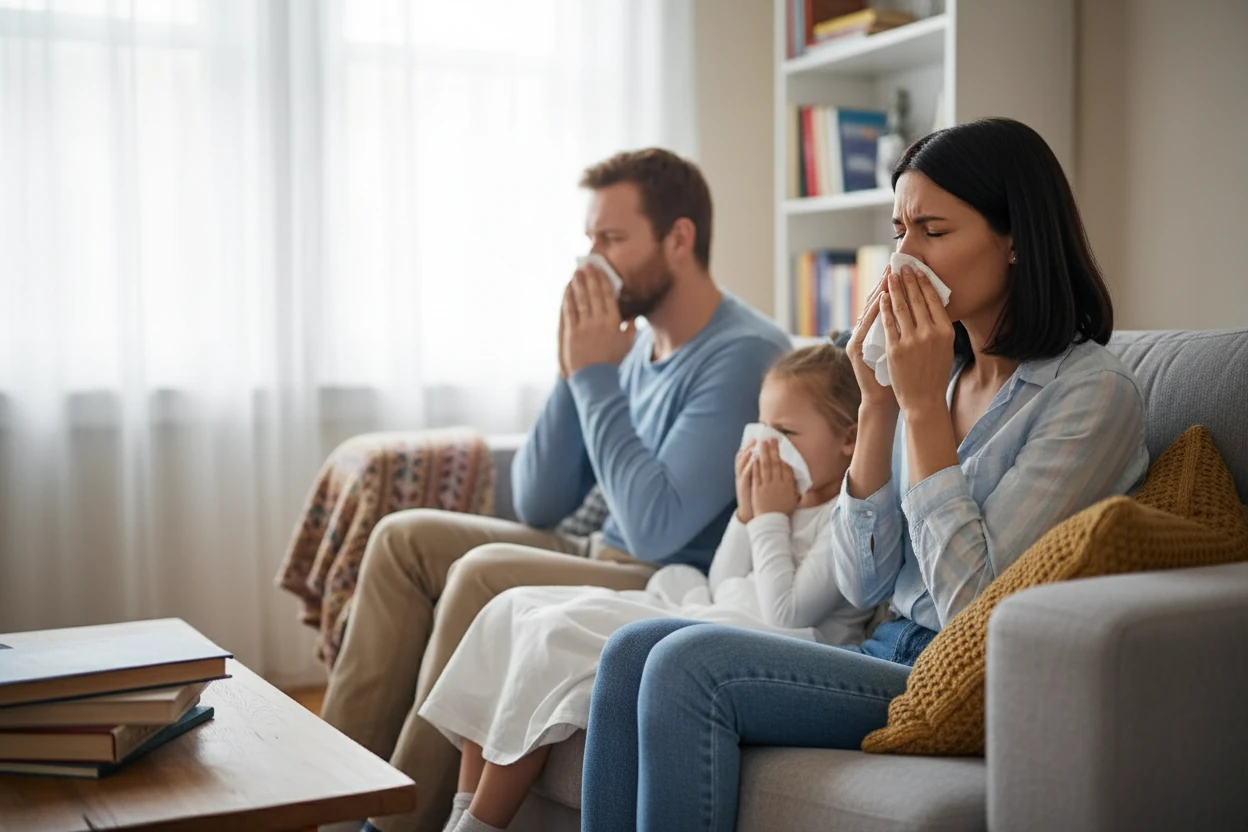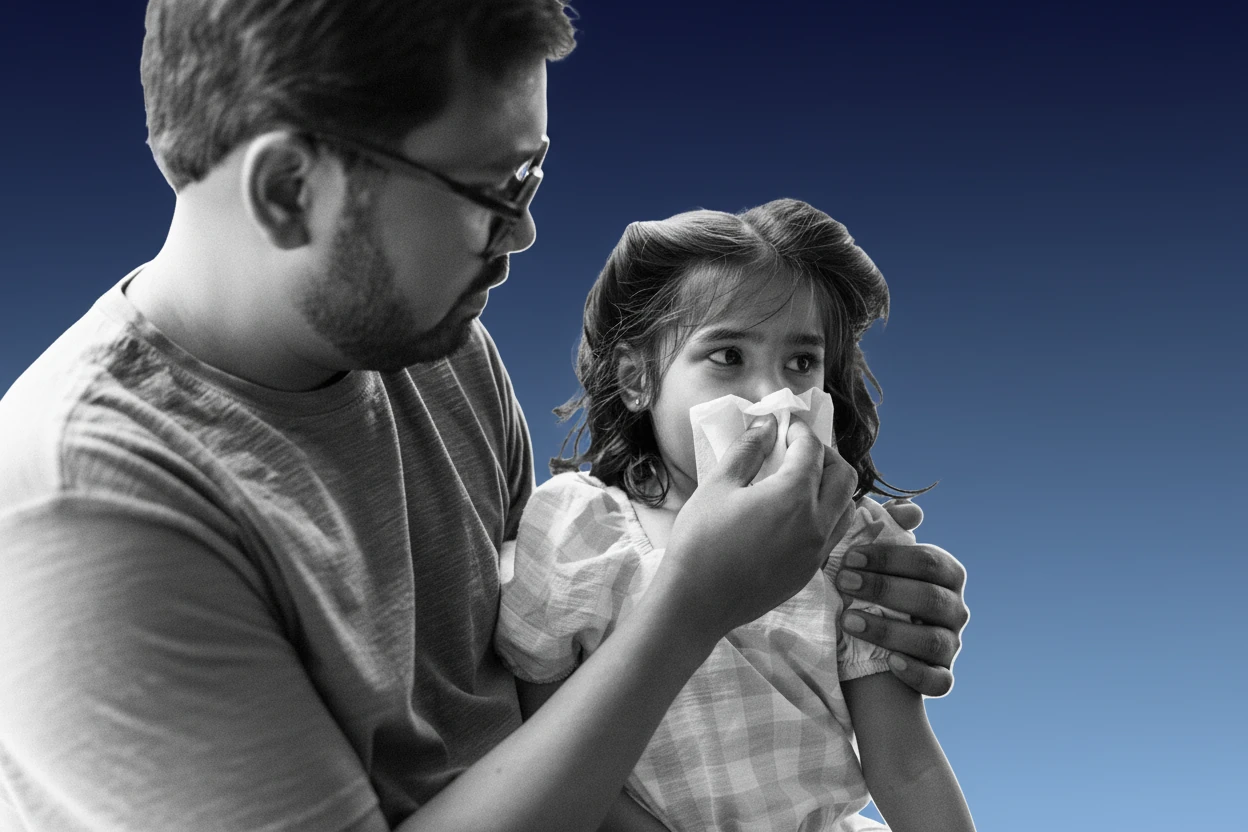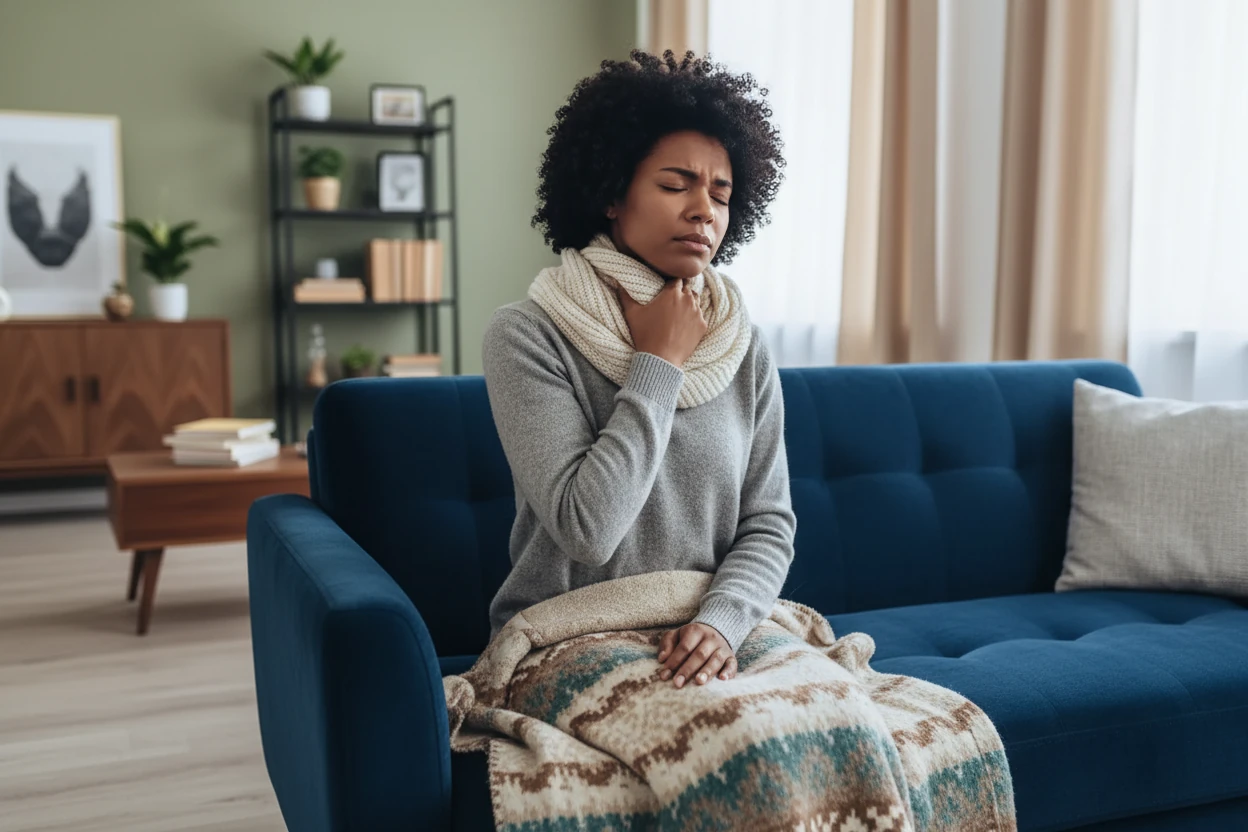
Each year, influenza causes millions of infections in the United States alone, with flu activity typically peaking between December and February12. While flu viruses circulate year-round, the highest number of cases occur during the fall and winter months, leading to increased hospitalizations and deaths12. Understanding when flu season peaks and how to prevent infection is essential for protecting individuals and communities.
Flu Season Peak in Fall and Winter
In temperate climates such as the United States, flu season usually begins in October and peaks between December and February34. This seasonal pattern is influenced by environmental and behavioral factors. Cold and dry conditions during fall and winter enhance the stability and transmission of influenza viruses56. Additionally, people tend to spend more time indoors in close proximity during colder months, which facilitates the spread of the virus through respiratory droplets7.
The Centers for Disease Control and Prevention (CDC) defines the onset of flu season based on surveillance data, including virus detection rates and reports of clinical illness38. Flu activity can vary regionally, with some areas experiencing earlier or later peaks4. Despite this variation, the overall trend remains consistent with increased influenza circulation during colder months.
The flu thrives in colder weather, so you will see it hit in areas of the country that have shorter summers and longer winters2.
The timing of flu season is not fixed and can shift slightly from year to year. For example, surveillance data from the past 40 years in the U.S. show that February is the most common peak month, followed by December and January1. Flu activity can also extend into spring, sometimes lasting as late as May9.
Global Flu Season Patterns
Globally, influenza seasonality aligns with the winter months of each hemisphere. In the Northern Hemisphere, flu season peaks from December to February, while in the Southern Hemisphere, it typically occurs from April to September1011. Tropical regions often experience less distinct or multiple peaks of influenza activity throughout the year12.
Vaccine recommendations are tailored to these regional patterns to ensure immunization occurs before local peak activity10. For example, Southern Hemisphere countries schedule vaccination campaigns to precede their winter flu season, which is opposite to the Northern Hemisphere’s timing11.
The covid-test-accuracy-for-eg5-and-ba286-variants">covid-test-accuracy-for-eg5-and-ba286-variants">COVID-19 pandemic disrupted typical influenza seasonal patterns worldwide, causing delays in peak timing and reduced peak intensity in temperate and subtropical regions13. However, influenza seasonality has gradually returned to normal in terms of duration, though peak intensity remains lower than pre-pandemic levels13.
Illnesses That Peak With Flu Season
Alongside influenza, several other respiratory illnesses show seasonal peaks during fall and winter in temperate climates. These include respiratory syncytial virus (RSV), common cold viruses (rhinoviruses), COVID-19, bronchitis, and pneumonia514.
- Bronchitis causes inflammation of the bronchial tubes, leading to cough and mucus production14.
- Common cold viruses produce symptoms such as nasal congestion, sneezing, and cough14.
- COVID-19 ranges from mild respiratory illness to severe pneumonia15.
- Pneumonia involves inflammation of the lungs with fluid or pus filling the air sacs14.
- RSV is a leading cause of respiratory infections in infants and young children, often causing bronchiolitis and cold-like symptoms5.
These illnesses tend to circulate more readily during colder months due to increased indoor crowding and favorable environmental conditions for viral transmission75.
High-Risk Groups for Influenza
While influenza can infect people of all ages, certain groups are at greater risk for severe illness and complications14. These include:
- Young children, especially those under 5 years old, who have smaller airways and less mature immune systems14.
- Older adults aged 65 years and above, who often have weakened immunity14.
- Pregnant individuals, due to altered immune responses and physiological stress14.
- People with chronic medical conditions such as cardiovascular disease, diabetes, obesity, and chronic lung or kidney diseases14.
- Individuals with immunosuppression caused by diseases or treatments like chemotherapy14.
These populations are prioritized for influenza vaccination and antiviral treatments to reduce morbidity and mortality314.
Essential Flu Prevention Strategies
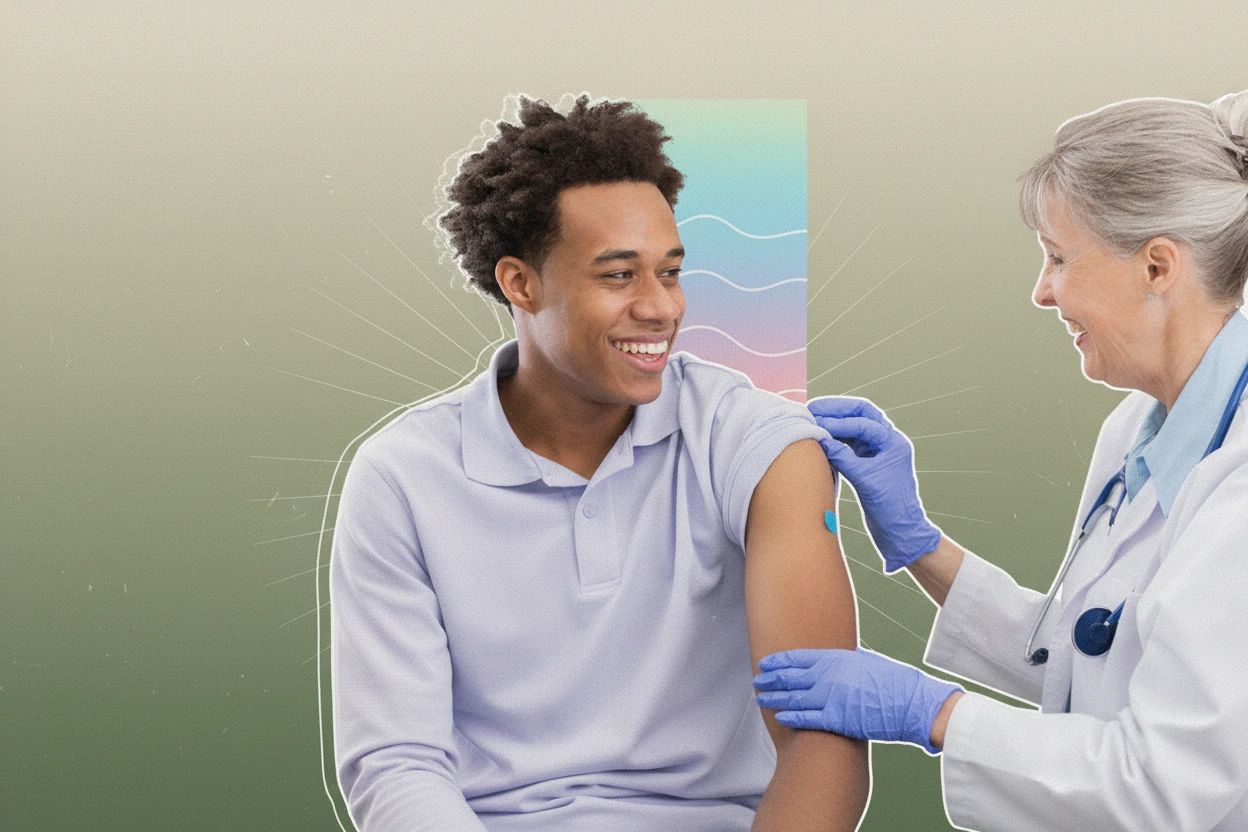
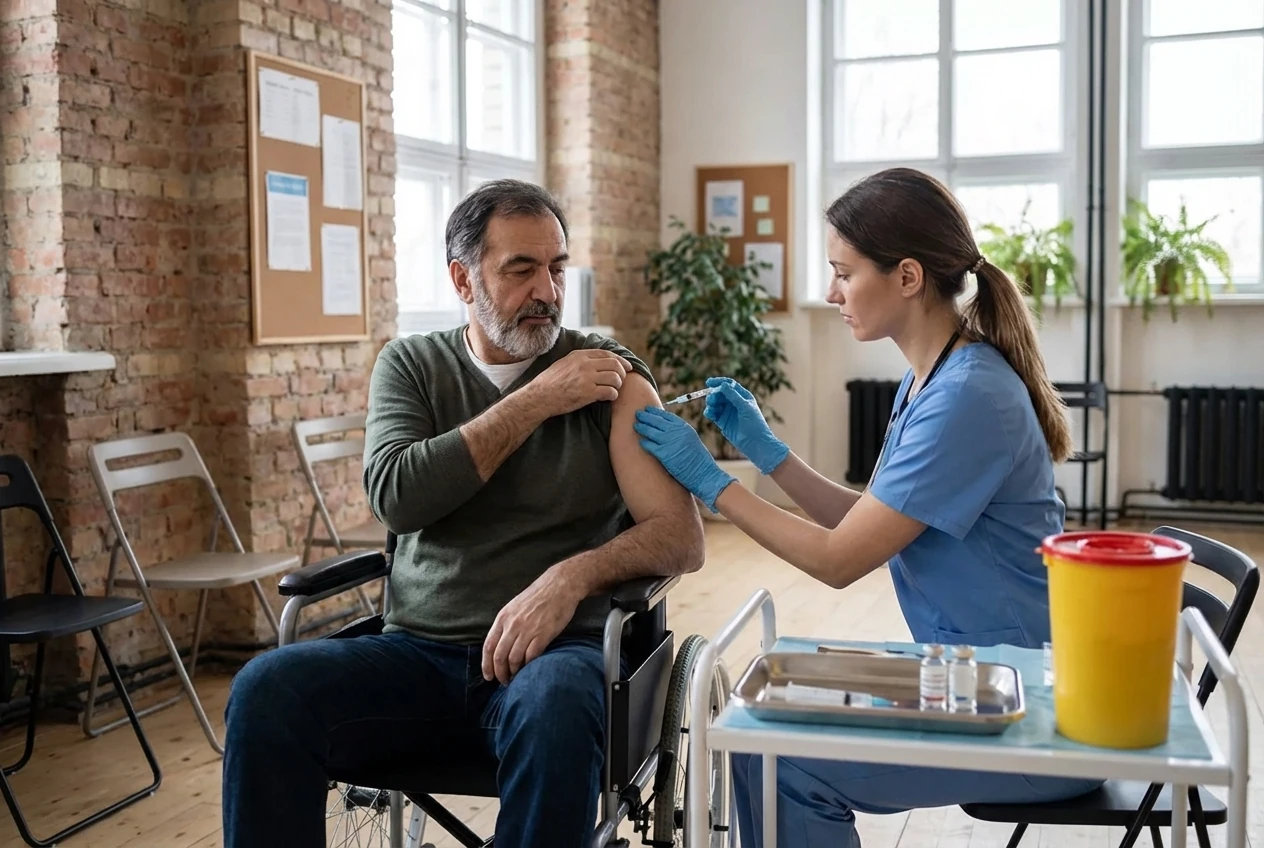
Preventing influenza involves a combination of vaccination and behavioral measures. Annual flu vaccination is the primary method to reduce the risk of infection and severe outcomes316. The CDC recommends that everyone aged 6 months and older receive a flu vaccine each year16.
Additional prevention strategies include:
- Avoiding close contact with people who are sick14.
- Cleaning and disinfecting frequently touched surfaces regularly14.
- Covering the mouth and nose with a tissue or elbow when coughing or sneezing to reduce airborne spread14.
- Washing hands thoroughly with soap and water for at least 20 seconds; using alcohol-based hand sanitizer when handwashing is not possible14.
- Staying home when experiencing flu symptoms to prevent spreading the virus to others14.
Influenza and other respiratory viruses spread more easily indoors during colder months when people gather closely. Practicing good hygiene and vaccination are key to reducing transmission1457.
Best Month for Flu Vaccination
The Advisory Committee on Immunization Practices (ACIP) recommends receiving the flu vaccine ideally by the end of October to ensure immunity before flu season peaks316. Vaccination in early fall, particularly September or October, balances early protection with sustained immunity throughout the season1617.
Even if vaccination is missed before October, getting vaccinated later in the season remains beneficial, as flu viruses often circulate into spring169. Vaccine effectiveness may decline over time, so timing is important but should not deter vaccination at any point during flu activity17.
"October is the best time. If you get it too early and the season lasts long, you may not remain protected for the duration of the season."
— Dr. Mucci-Elliott, infectious disease expert2
| Vaccination Timing | Benefit | Notes |
|---|---|---|
| September–October | Optimal immunity before peak | Recommended by ACIP31617 |
| November–January | Still provides protection | Vaccination beneficial during flu spread169 |
| After January | May reduce severity and spread | Late vaccination better than none16 |
| Sources:391617 | ||
Key Takeaways
- Influenza activity in temperate regions peaks in fall and winter, typically between December and February34.
- Flu season timing varies globally, with opposite peaks in Northern and Southern Hemispheres and less distinct patterns in tropical areas1011.
- Other respiratory illnesses such as RSV, bronchitis, pneumonia, and COVID-19 also peak during flu season514.
- Young children, older adults, pregnant persons, and those with chronic conditions or immunosuppression are at higher risk for severe flu complications14.
- Annual flu vaccination by the end of October is the best preventive measure, complemented by hygiene and avoiding sick contacts31614.
Frequently Asked Questions
Can you get the flu outside of the typical season?
Yes, influenza viruses circulate year-round but at lower levels outside of peak flu season59. The COVID-19 pandemic altered typical flu patterns, causing unusual activity in some off-season months18.
Why does flu season occur mainly in fall and winter?
Cold temperatures and low humidity during these months enhance virus survival and transmission. People also spend more time indoors in close contact, facilitating spread657.
Who is most affected by the flu?
High-risk groups include young children, older adults, pregnant individuals, and people with chronic health conditions or weakened immune systems14.
Is it too late to get a flu shot after October?
No, vaccination later in the season can still provide protection and reduce severity of illness169.
FAQs
Q: How long is the flu contagious?
People can spread the flu from about one day before symptoms start to up to a week after. Those with weakened immune systems or young children may be contagious longer19.
Q: What other viruses circulate during flu season?
Besides influenza, viruses like RSV, rhinoviruses (common cold), human parainfluenza viruses, and COVID-19 also circulate and cause similar symptoms51420.
Q: How effective is the flu vaccine?
Vaccine effectiveness varies yearly based on virus strains and timing but generally reduces risk of illness, hospitalization, and death316.
Q: What should I do if I get the flu?
Rest, stay hydrated, and consider antiviral medications if prescribed. Avoid contact with others to prevent spread19.