COVID-19 continues to evolve with new variants like EG.5 and BA.2.86 emerging in 2024, raising questions about the effectiveness of existing diagnostic tests. Despite these changes, current at-home and rapid covid-vaccine-dose-for-older-adults">COVID tests largely remain reliable for detecting infections caused by these variants12. Understanding how test accuracy is determined and how new variants impact detection is crucial for effective public health responses and individual care34.
How Is COVID-19 Test Accuracy Determined for New Variants?
The accuracy of COVID-19 tests depends primarily on their sensitivity and specificity, which measure how well a test identifies true positives and true negatives, respectively. Rapid antigen tests (RATs) detect viral proteins (antigens) and are widely used for quick, point-of-care or self-testing. Their sensitivity compared to PCR tests ranges from 46.8% to 83.9%, influenced by factors such as viral load, timing of testing, and user technique5. Sensitivity is inversely correlated with PCR cycle threshold (Ct) values, meaning tests are more sensitive when viral loads are high (low Ct values)5.
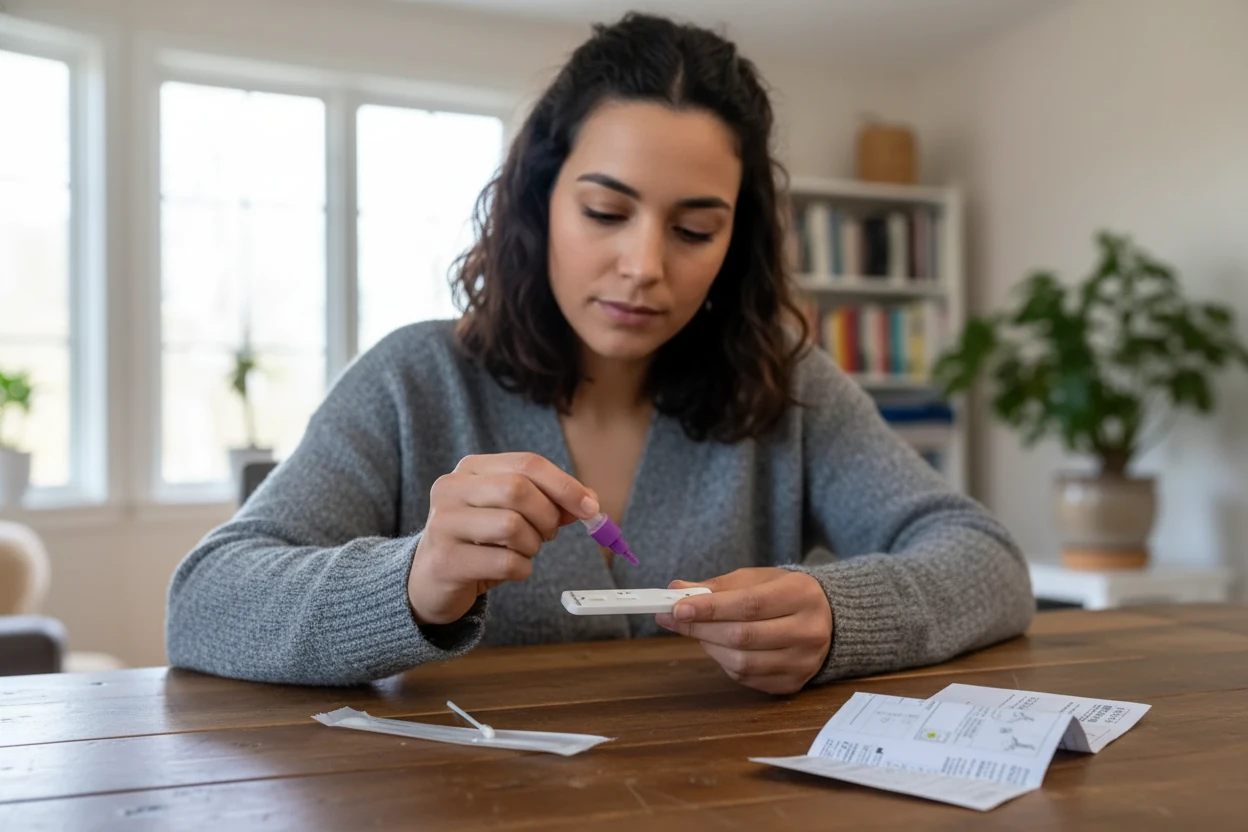
Proper sample collection and handling are critical for accurate results, as improper technique can lead to false negatives5. PCR tests remain the gold standard for COVID-19 diagnosis due to their higher sensitivity and specificity compared to antigen tests6. Antigen tests are most reliable in symptomatic individuals, but negative results may require confirmation by PCR5. Variant identification, however, requires genomic sequencing and is not part of routine diagnostic testing7.
Deep learning models applied to medical imaging can achieve up to 98% accuracy for COVID-19 diagnosis, independent of variant type, highlighting the potential for advanced diagnostic tools beyond antigen and PCR tests6. Automated quantitative antigen tests show variable performance and are not necessarily superior to standard point-of-care tests8.
Factors Affecting COVID Test Accuracy:
- Viral load at the time of testing5
- Timing relative to symptom onset, with highest sensitivity several days after symptoms begin5
- Sample collection technique and handling5
- Test type: PCR tests have higher sensitivity than antigen tests6
- Presence of mutations in viral proteins targeted by tests5
Current COVID-19 Tests: Effectiveness Against EG.5 & BA.2.86 Variants
Most COVID-19 rapid antigen tests target the nucleocapsid protein of SARS-CoV-2, which is more conserved than the spike protein targeted by vaccines5. This conservation means that despite mutations in variants like EG.5 and BA.2.86, antigen tests generally remain effective at detection12. Current evidence shows no pronounced diagnostic escape for these variants, although some earlier Omicron subvariants with nucleocapsid mutations (e.g., BA.2, BA.5) have impaired detection rates in certain antigen tests9.
All variants, including EG.5 and BA.2.86, have been assessed on various assays, and while sensitivity varies inversely with PCR Ct values, no significant loss of detection has been observed for these newer variants5. Continuous genomic surveillance is essential to monitor for mutations that could affect test performance and to guide timely updates to testing protocols10.
Experts emphasize that rapid antigen tests remain effective against current variants because the viral proteins they detect have remained relatively stable despite viral evolution12. However, test sensitivity can still be influenced by viral load, sampling quality, and timing of the test2.
Key Points on Variant Detection by COVID Tests:
- Antigen tests target nucleocapsid protein, which mutates less than spike protein5
- No significant detection loss reported for EG.5 or BA.2.86 variants59
- Some earlier Omicron subvariants reduced antigen test sensitivity due to nucleocapsid mutations9
- Genomic sequencing is required for variant identification, not routine testing7
- Ongoing surveillance is critical to detect diagnostic escape variants early10
“The antigen that the at-home tests look for has remained fairly stable even as the virus mutates and new strains of COVID develop.”
— Michelle Chan, MD, Beth Israel Deaconess Medical Center and Harvard Medical School1
Proper COVID-19 Testing Protocol for Accurate Variant Detection
Following proper testing protocols is essential to ensure accurate COVID-19 test results, especially as new variants emerge. Antigen tests require reevaluation when new SARS-CoV-2 variants become predominant globally to confirm continued effectiveness9. Proper specimen collection and handling are critical, as incorrect technique can lead to false negatives511.
Testing is most accurate when viral load is high, typically several days after symptom onset5. For symptomatic individuals, antigen tests are reliable, but negative results should be confirmed with PCR testing if symptoms persist5. For exposed but asymptomatic individuals, testing is recommended five days after exposure, with repeat testing if initial results are negative5.
Point-of-care testing sites must adhere to regulatory requirements, including obtaining appropriate CLIA certificates and following manufacturer instructions for specimen types and test procedures11. Proper use of personal protective equipment (PPE), specimen handling, and environmental cleaning are also important to prevent contamination and ensure safety11.
Best Practices for Accurate COVID Testing:
- Collect specimens correctly and handle according to manufacturer instructions511
- Test symptomatic individuals promptly, ideally when viral load is highest5
- Confirm negative antigen test results with PCR if symptoms continue5
- For asymptomatic exposed persons, test five days post-exposure and retest if negative5
- Follow regulatory and safety guidelines in point-of-care settings11
Proper testing technique and timing are crucial for reliable COVID-19 test results. Incorrect sample collection or testing too early can lead to false negatives, especially with rapid antigen tests.115
Using Expired COVID-19 Tests: Risks & Impact on Accuracy
Using expired COVID-19 tests can affect the reliability of results. While some tests have had their expiration dates extended by the FDA, it is generally not recommended to use tests beyond their expiration unless confirmed by official sources12. Proper storage conditions, such as avoiding extreme heat or cold, also impact test accuracy2.
Expired COVID tests may still work if stored properly and only recently expired, but they are less reliable. Always check for FDA expiration extensions and consider retesting or PCR confirmation if results are negative yet symptoms persist.122
Expired tests may yield false negatives or unreliable results, particularly for individuals at high risk of severe COVID-19 or those planning to visit vulnerable populations12. If only expired tests are available and are only slightly past their date, some experts suggest they may still provide useful information if stored properly, but caution is advised12.
If a test result is negative but symptoms persist, retesting after 48 hours or using a PCR test is recommended to confirm the diagnosis12. High-risk individuals who test positive should promptly contact healthcare providers for treatment12.
Guidelines for Using Expired Tests:
- Check FDA resources for expiration date extensions before use12
- Avoid using tests expired by several years or stored improperly212
- Store tests according to manufacturer instructions to maintain accuracy2
- Retest after 48 hours if initial antigen test is negative but symptoms continue12
- High-risk individuals should seek PCR testing and medical advice if positive12
| Test Type | Accuracy Compared to PCR | Notes on Expiration and Storage |
|---|---|---|
| Rapid Antigen Tests | 46.8%–83.9% sensitivity5 | Expiration dates critical; FDA extensions exist12 |
| PCR Tests | >95% accurate13 | Gold standard; less affected by expiration |