Bird flu, caused by avian influenza A viruses, has affected millions of wild birds and poultry in the U.S., with rare cases of human infection reported1. While bird feeders attract many wild birds, the risk of bird flu transmission to humans through feeders is considered very low, especially since songbirds—the primary visitors to feeders—are rarely infected21. Understanding how bird feeders may contribute to the spread of avian influenza and how to reduce risks is essential for safe backyard birdwatching3.
Bird Feeders and Bird Flu Transmission
Bird feeders increase the local density of birds, which can facilitate the spread of pathogens among them, including avian influenza viruses4. However, the species most commonly infected with avian influenza in the wild are waterfowl such as ducks and geese, as well as birds of prey, rather than the songbirds that frequent feeders567. Songbirds generally act as dead-end hosts for the virus and are unlikely to serve as reservoirs under natural conditions87.
Research shows that birds at sites with feeders tend to be in better overall health than those at sites without feeders, although disease prevalence can be higher where feeder density is greatest94. The main concern with feeders is not direct human infection, which is rare due to limited contact, but rather the potential for transmission between wild birds and domestic poultry if feeders are located near backyard flocks1011.
Domestic cats have been documented to contract highly pathogenic avian influenza H5N1 from infected birds, either through direct contact or by consuming them10. Although cats may play a role in virus transmission, the risk of them passing the virus to humans remains low10. Human infection typically results from direct, unprotected contact with infected birds or contaminated materials12.
💡 Did You Know? There is currently a low risk of an outbreak among wild songbirds, and no official recommendation to take down feeders unless you also keep domestic poultry14.
| Precaution | Reason/Benefit | Reference |
|---|---|---|
| Remove feeders near poultry | Prevents wild-to-domestic bird virus transmission | 1011 |
| Avoid contact with sick/dead birds | Reduces risk of human infection | 121 |
| Wear gloves cleaning feeders | Protects from contaminated droppings and saliva | 1615 |
| Keep cats indoors or supervised | Limits their exposure and potential virus spread | 101 |
| Cook eggs and poultry thoroughly | Eliminates virus and bacterial contamination | 121 |
Reducing Bird Flu Risk at Feeders
To minimize the risk of avian influenza transmission, especially if you keep backyard poultry, experts recommend taking down bird feeders to reduce wild bird congregation near domestic flocks10111. Avoiding direct contact with sick or dead birds is critical, as human infections usually occur through direct exposure to infected birds121.
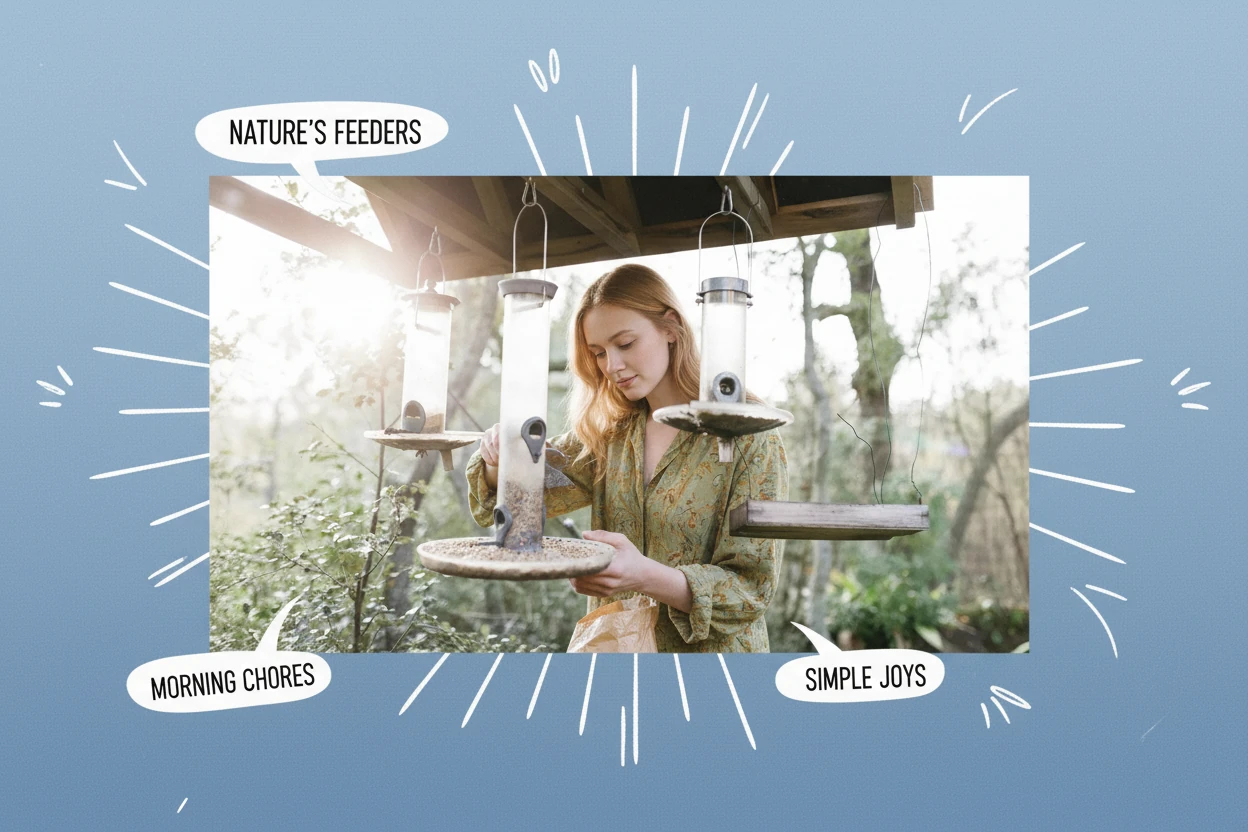
Good hygiene practices when handling birds or cleaning feeders are essential. Regular cleaning of bird feeders and birdbaths helps prevent the spread of various diseases, including salmonella and mold, which can be more common than avian influenza in songbirds215. Use disposable gloves when cleaning feeders and wash your hands thoroughly afterward1615.
Eggs from poultry are safe to eat when cooked properly, but consuming raw eggs is not recommended due to the risk of bacterial contamination such as Salmonella121. If you suspect you have been exposed to sick birds or animals, watch for symptoms of bird flu, which include fever, headache, muscle aches, cough, and sometimes gastrointestinal symptoms like nausea or diarrhea121.
Key precautions to reduce bird flu risk include:
- Take down bird feeders if you have backyard poultry to prevent wild-domestic bird interactions10111.
- Avoid touching sick or dead birds; report unusual bird deaths to local authorities161.
- Clean feeders and birdbaths regularly using appropriate disinfectants (e.g., bleach solution) and wear disposable gloves during cleaning215.
- Keep domestic cats indoors or supervise them in enclosed outdoor areas to reduce their risk of contracting avian influenza101.
- Cook poultry products and eggs thoroughly before consumption to eliminate virus risk121.