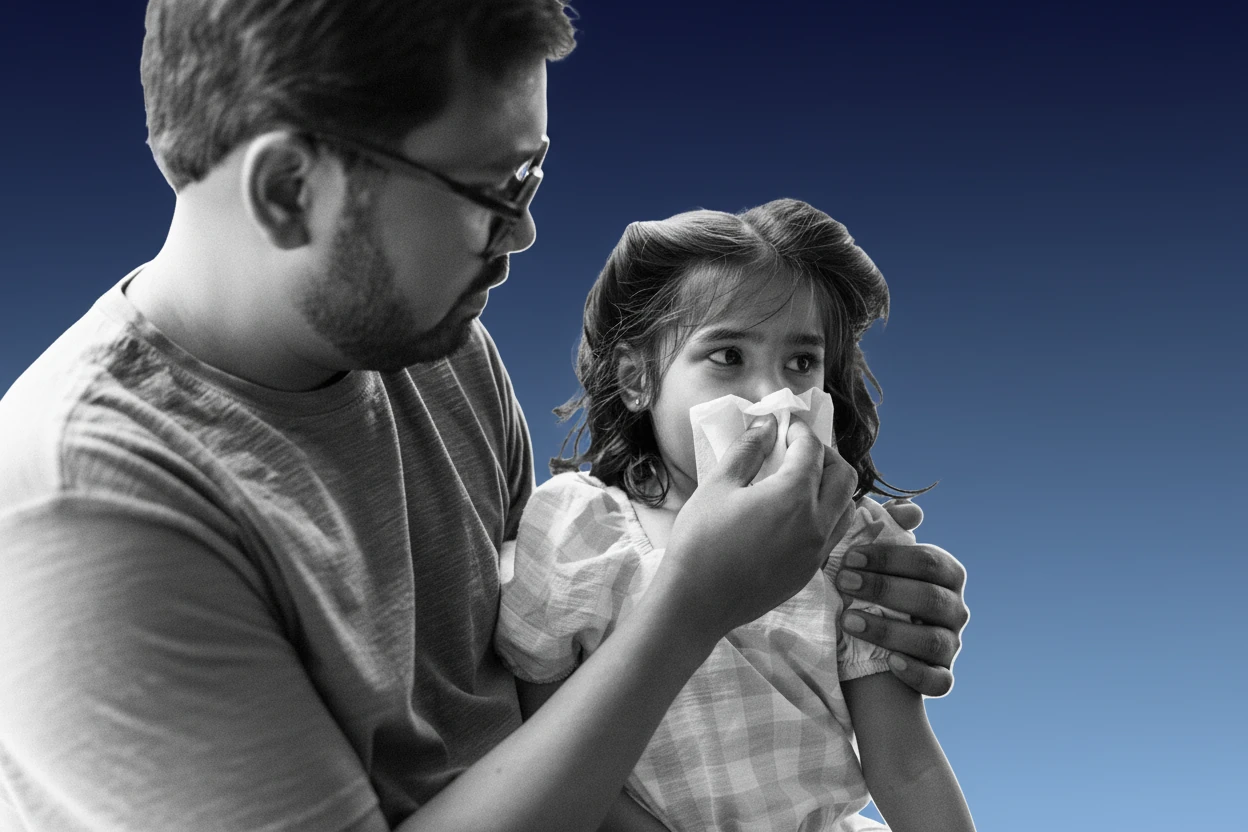
The common cold is the most frequent acute illness worldwide, affecting adults two to three times per year and children even more often12. It is caused by a variety of viruses, primarily rhinoviruses and coronaviruses, which trigger an immune response leading to typical symptoms32. While generally mild and self-limited, cold symptoms can cause significant discomfort and impact daily activities for about a week43. Understanding the progression and range of symptoms helps in managing the illness effectively.
Sore Throat Symptoms
A sore throat is often one of the earliest signs of a common cold4. This symptom arises due to viral infection causing inflammation of the pharyngeal mucosa, which results in throat discomfort and pain, especially when swallowing3. The sore throat typically appears before nasal symptoms and may be accompanied by a scratchy or tickly sensation45. Although sore throat is common, fever and headache are infrequent in typical cold cases4.
Runny Nose and Nasal Congestion
Nasal symptoms are hallmark features of the common cold and usually develop shortly after the sore throat43. These include:
- Runny nose (rhinorrhea), often starting with clear, watery nasal secretions4.
- Nasal congestion or stuffiness due to inflammation and mucus buildup4.
- Sneezing and post-nasal drip frequently accompany congestion4.
The severity of nasal symptoms tends to peak around days 2 to 3 of illness3. As the cold progresses, nasal discharge may thicken and change color, often becoming yellow or green, which is a normal part of the viral infection and not necessarily a sign of bacterial infection46.
Coughing and Mucus
Cough is a common symptom that often develops alongside or following nasal congestion4. It results from irritation caused by post-nasal drip or viral inflammation of the airways7. While most cold symptoms resolve within 7 to 10 days, cough may persist for up to three weeks after other symptoms have cleared4. The cough can be dry or productive, sometimes producing mucus or phlegm, which helps clear the respiratory tract6.
Fatigue and Malaise
General feelings of tiredness or malaise frequently accompany the common cold4. Fatigue and weakness are part of the body's immune response to viral infection and contribute to the overall sense of being unwell4. Unlike influenza, cold symptoms develop gradually and are usually less severe, with malaise being milder8. Most people recover fully within 7 to 10 days3.
Less Common Cold Symptoms
Some symptoms occur less frequently but may still be associated with the common cold:
- Mild body aches or chills may occasionally occur4.
- Symptoms such as headache and fever are uncommon in typical cold cases but can overlap with influenza symptoms48.
- Nasal symptoms and cough dominate the clinical picture, with less frequent systemic symptoms4.
Distinguishing cold symptoms from those of influenza or covid-test-accuracy-for-eg5-and-ba286-variants">covid-test-accuracy-for-eg5-and-ba286-variants">COVID-19 can be challenging due to overlapping features, but cold symptoms are generally milder and develop more gradually8.
Rare Cold Symptoms
In some cases, additional symptoms beyond the typical ones may appear4. These can include more intense throat pain, sinus discomfort, or ear pain, which may suggest complications or other illnesses48. Because symptoms overlap with other respiratory infections, professional medical evaluation may be necessary to confirm diagnosis and rule out more serious conditions8.
Cold Symptoms in Children
Children experience more frequent colds than adults, especially during colder seasons, with up to 5 episodes annually92. Their symptoms largely mirror those of adults but may include:
- Sore throat causing difficulty swallowing, which is common in pediatric colds10.
- Runny nose is often the predominant symptom in children9.
- Sleep disturbances and irritability are reported more frequently among children with colds94.
Fever and headache are uncommon in typical pediatric colds but may indicate other infections or complications48. Given symptom overlap with influenza and other illnesses, medical consultation is advised for accurate diagnosis4.
“Most often, you don't need medical care for a common cold. But see your health care provider if you have symptoms that get worse or do not get better.”
— Mayo Clinic11
When to See a Doctor
Most healthy adults manage common colds at home with rest and hydration4. However, medical attention is warranted if symptoms worsen or persist beyond the usual duration. Warning signs include:
- Prolonged or high fever lasting more than three days411.
- Worsening respiratory symptoms such as shortness of breath or wheezing4.
- Severe sore throat, headache, or sinus pain4.
- Symptoms lasting more than 10 days without improvement46.
High-risk groups, including young children, older adults, and those with weakened immune systems, should be especially vigilant and seek prompt care if symptoms worsen49. Children should be evaluated if they have difficulty breathing, persistent fever, or signs of dehydration96.
“The common cold is so common that we are apt to pass it by with a contemptuous gesture, unless, of course, we are the sufferers ourselves.”
— G. Michael Allan, MD13
Common Cold Symptoms Review
The common cold is a viral infection primarily affecting the nose and throat, with symptoms that typically develop gradually and peak within the first few days34. Key symptoms include:
💡 Did You Know? The common cold is arguably the most common human disease, caused by a large variety of respiratory viruses12.
- Sore throat, often early in the illness4.
- Runny nose and nasal congestion, with sneezing and post-nasal drip43.
- Cough, which may persist beyond other symptoms4.
- Fatigue and general malaise4.
Most symptoms resolve within 7 to 10 days, though cough can last longer34. Fever and headache are rare and suggest alternative diagnoses such as influenza48. Children experience more frequent colds and may have additional symptoms like swallowing difficulty and sleep disturbances94.
Effective management focuses on symptom relief through rest, hydration, and over-the-counter remedies, as no cure exists for the common cold411.